Navigating the maze of federal regulations can make or break legal careers, compliance officers, and policymakers. With agencies like the EPA, FDA, and SEC issuing thousands of rules yearly, understanding their legal foundation is crucial. Yet, many advanced practitioners struggle to pinpoint where textbooks dive deepest into regulations amid broader admin law topics.
In this guide, you'll learn the key regulatory concepts covered in leading administrative law books, from rulemaking procedures to enforcement and review. We'll break it down step-by-step, highlighting must-read sections, real-world examples, and analogies to simplify complex doctrines like Chevron deference. Expect a 30-45 minute deep dive—perfect for law students, attorneys, or regulators seeking targeted insights without fluff.
By the end, you'll know exactly which books to grab for regulations mastery and how they interconnect with practice.
▸What You'll Need
- •Advanced knowledge of constitutional law and statutory interpretation (prerequisite)
- •Access to a law library, Westlaw/Lexis, or Amazon for book purchases
- •Notebook for annotations and case citations
- •Optional: Highlighting tools or digital PDF reader for searchable texts
Estimated Time: 30-45 minutes
Difficulty: advanced
▸Step-by-Step Instructions
Step 1: Grasp the Foundations of Administrative Law
Administrative law governs how agencies create and enforce regulations under statutes like the Administrative Procedure Act (APA). Books start here because regulations stem from delegated authority from Congress. Expect coverage of agency structure, delegation doctrine, and non-delegation limits (e.g., J.W. Hampton Jr.).
Why it matters: Without this base, regulatory chapters feel disjointed. Analogy: It's the 'constitution' of agency power—everything flows from it.
Top books dedicate 10-20% of pages here, setting up rulemaking.
💡 Tips:
- •Cross-reference with APA §551-559 for statutory backbone
Step 2: Explore Rulemaking Processes
Core to regulations: Notice-and-comment rulemaking (APA §553). Books detail informal (most regs) vs. formal rulemaking, with examples like OSHA standards. Coverage includes economic analysis (e.g., OIRA reviews) and hybrid rulemaking.
Expect: Step-by-step breakdowns, Vermont Yankee on procedural limits, and critiques of ossification. This is 30-40% of regulatory content—crucial for drafters.
Analogy: Like legislative sausage-making, but faster and less accountable.
⚠️ Warnings:
- •Avoid confusing rulemaking with adjudication—books distinguish clearly
Step 3: Dive into Adjudication and Enforcement
Regulations gain teeth via agency enforcement. Books cover formal/informal adjudication (APA §554-557), ALJ roles, and licensing. Key cases: Mathews v. Eldridge balancing test.
Why key: Shows how regs translate to actions against violators. 15-25% coverage, with policy debates on agency bias.
Real-world: FDA drug approvals or SEC fines.
💡 Tips:
- •Note state vs. federal differences—federal books focus APA
Step 4: Understand Judicial Review of Regulations
Chapters dissect APA §706 standards: arbitrary/capricious, substantial evidence. Heavy on Chevron (step 1/2), Auer, and Kisor deference—now evolving post-Loper Bright (2024).
Expect: 25-35% of regs content, with circuit splits and remedies (vacatur).
Analogy: Courts as umpires calling balls/strikes on agency calls.
Step 5: Examine Statutory Overlay and Policy
Books integrate regs with major statutes (e.g., Clean Air Act, Magnuson-Stevens). Coverage of cost-benefit analysis, ex ante/apost reviews, and sunset provisions.
Advanced angle: Critiques like public choice theory in regs. Ties to executive orders (e.g., 12866).
Why matters: Preps for practice in rulemaking comments.
💡 Tips:
- •Scan indexes for 'regulatory reform' or 'deregulation' sections
Step 6: Review Leading Books' Specific Coverage
Breyer et al.: 40% on regs/policy, strong on econ analysis.
Pierce Treatise: Exhaustive, 50%+ on regs—treatise gold standard.
Cass et al.: Casebook with hypos on Chevron-era regs.
Compare via tables in books; update for 2024 SCOTUS shifts.
⚠️ Warnings:
- •Editions pre-2024 lack Loper Bright—supplement with articles
▸Pro Tips
- •Use book indexes for 'regulation'/'rulemaking'—jump straight to gold
- •Pair readings with Reginfo.gov for real NPRMs
- •Annotate with Westlaw case updates post-Loper
- •Discuss chapters in study groups for deference debates
- •Supplement with CRS reports on agency regs
- •Track editions: Newer ones cover Biden/Trump dereg shifts
- •Create flowcharts from book diagrams for exams/practice
▸Common Mistakes to Avoid
- •Over-relying on outdated deference (pre-Loper Bright)—always check supplements
- •Confusing APA rulemaking with state processes—focus federal books
- •Skipping policy chapters—regs aren't just procedure
- •Ignoring economic analysis sections—key for modern practice
- •Buying used old editions without 2024 updates
▸Troubleshooting
Problem: Overwhelmed by case volume in casebooks
Solution: Focus on principal cases bolded; skim footnotes first
Problem: Unclear on post-Chevron world
Solution: Read SCOTUSblog summaries alongside book chapters
Problem: Books feel theoretical, not practical
Solution: Apply to recent regs via Federal Register searches
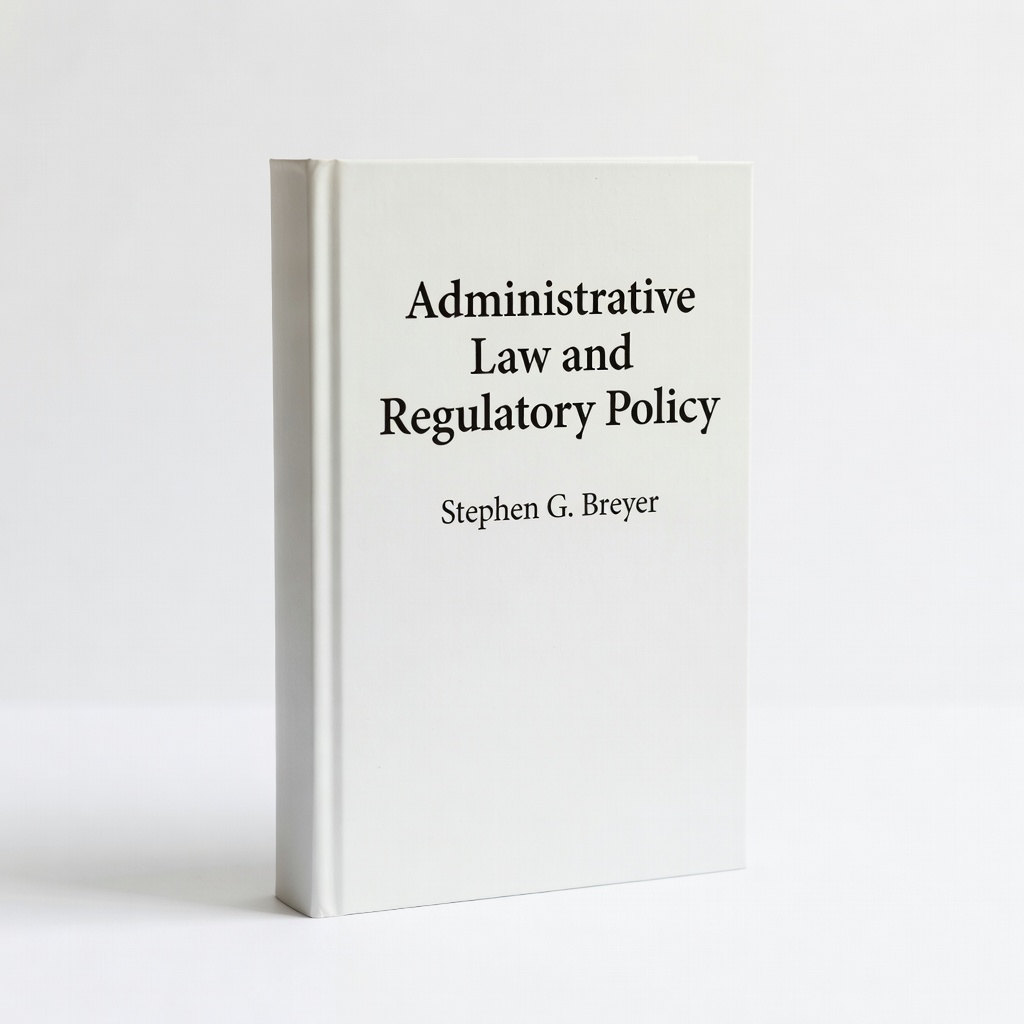
Administrative Law and Regulatory Policy by Stephen G. Breyer
Gold standard for regs/policy integration with econ focus and cases
Best for: Ideal for rulemaking analysis and deference studies
Price Range: $100-$150
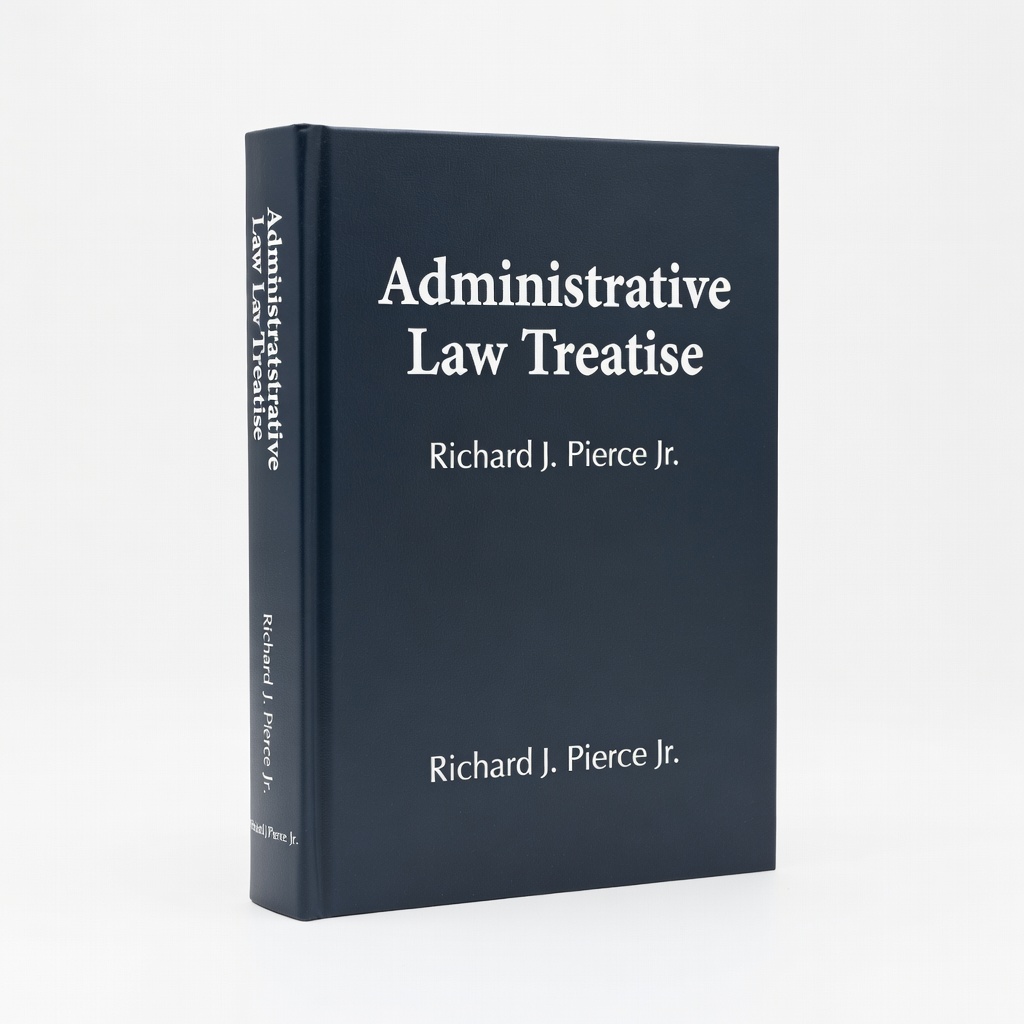
Administrative Law Treatise by Richard J. Pierce Jr.
Comprehensive 6-volume reference; deepest reg coverage
Best for: Practitioners needing treatise-level detail on APA §553/706
Price Range: $500-$600 per volume
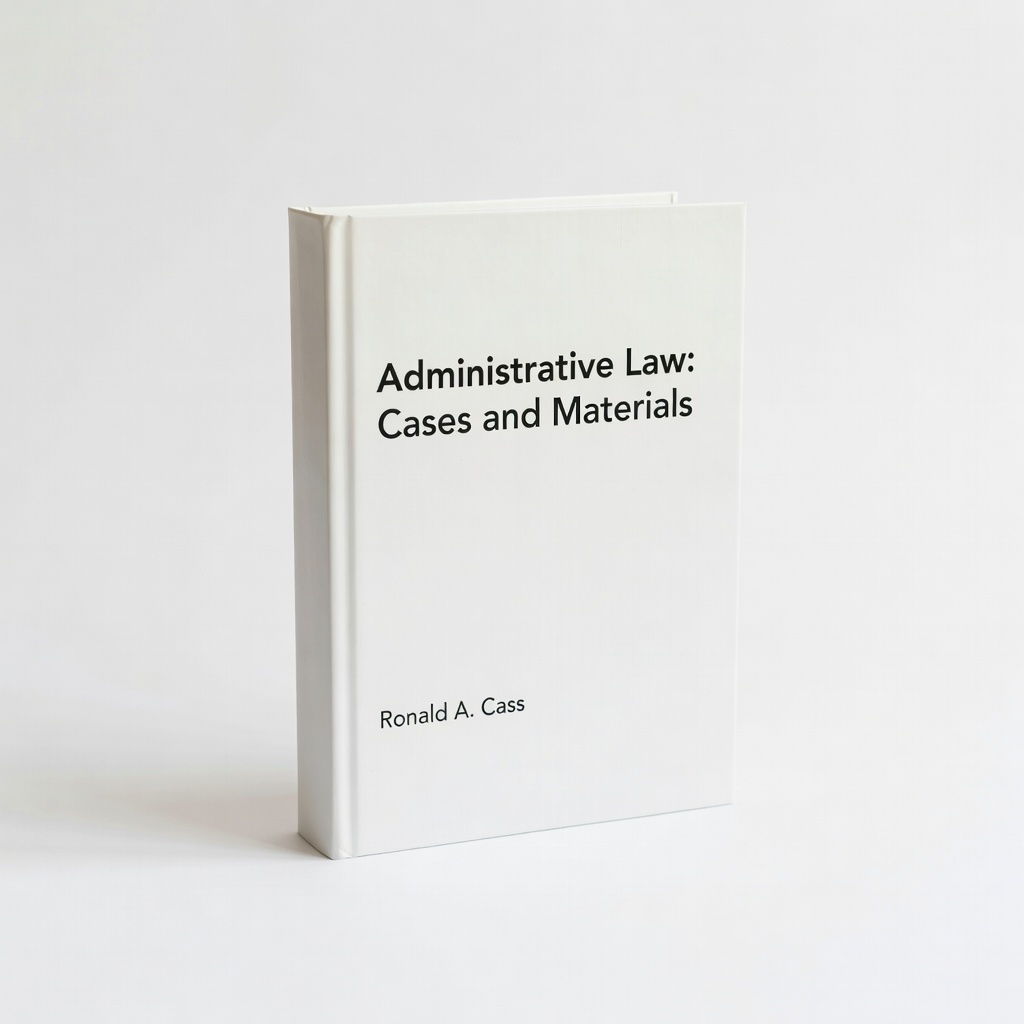
Administrative Law: Cases and Materials by Ronald A. Cass
Casebook with hypos; balanced regs chapters for advanced students
Best for: Classroom or bar prep on judicial review
Price Range: $50-$80 (used)
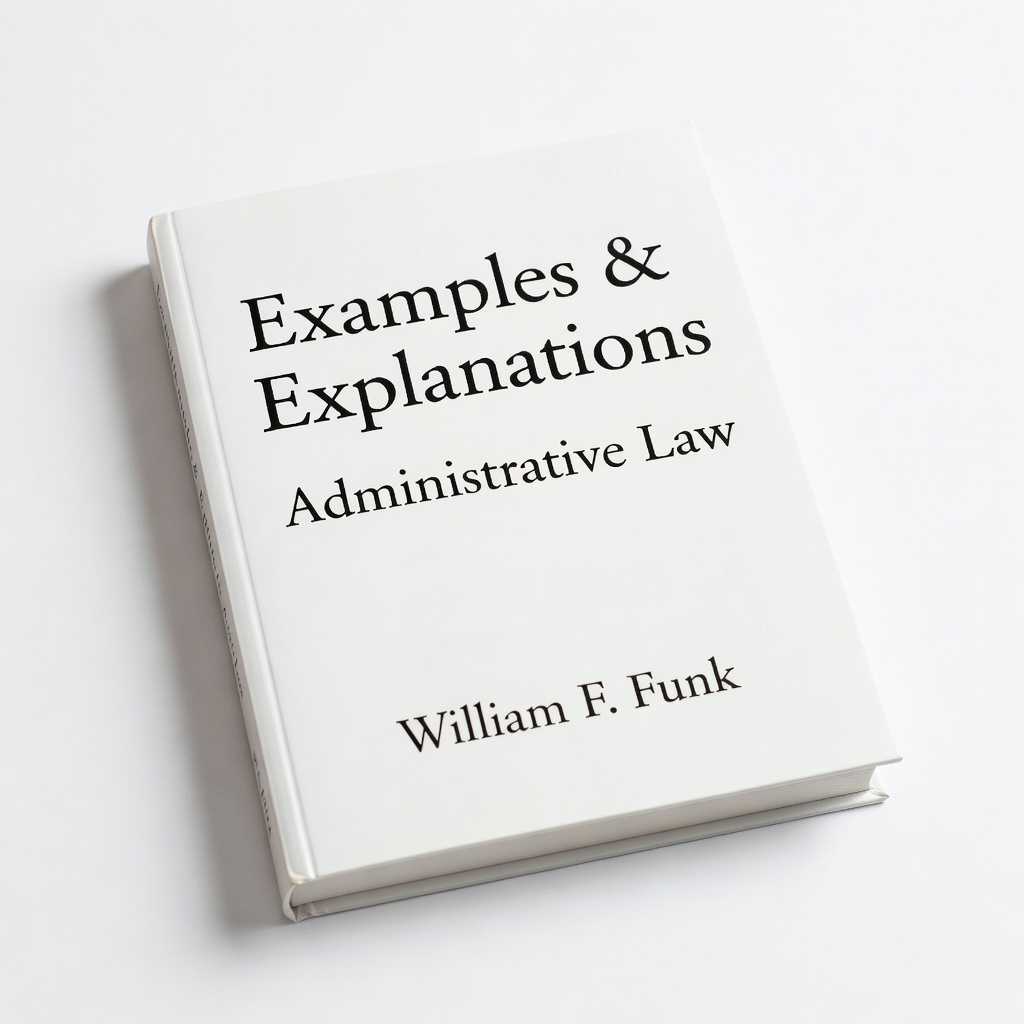
Examples & Explanations: Administrative Law by William F. Funk
Breaks down regs with examples; bridges theory to practice
Best for: Quick reference for rulemaking pitfalls
Price Range: $40-$60
Gellhorn and Boyer's Admin Law and Process by Peter L. Strauss
Classic process-oriented; strong on adjudication enforcing regs
Best for: Historical context with modern updates
Price Range: $200-$250