

J-B Weld 8272 WaterWeld Epoxy Putty
Plumbing leaks, pool fixes, auto patches—permanent 5000 PSI bond.
$8.99
J-B Weld 8272 WaterWeld Epoxy Putty Moldable stick cures underwater or on wet surfaces, strong for metal/plastic repairs.
Get the App
Better experience on mobile
Learn the top adhesives and sealants that bond reliably on damp or wet surfaces, with types, tips, and product picks for DIY success.
Imagine you're fixing a leaky faucet or patching a boat hull, but the surface is soaked—regular glue just won't cut it. Wet surfaces sabotage most adhesives by interfering with bonding, leading to weak holds or total failure. This guide solves that frustration by explaining what works and why.
You'll discover the science behind wet-bonding adhesives, key types like polyurethanes and silicones, how to choose and apply them, plus real product recommendations. Expect clear breakdowns, no fluff—perfect for intermediate DIYers tackling plumbing, marine, or outdoor repairs.
By the end, you'll confidently select and use adhesives for wet jobs, saving time and avoiding rework. Reading takes 15 minutes; testing your own takes under an hour.
Estimated Time: 15-20 minutes to read; 30-60 minutes for testing Difficulty: intermediate
Most household glues like PVA wood glue or basic super glues rely on dry, clean surfaces for adhesion. Water creates a barrier, dilutes the adhesive, or triggers premature curing. For example, cyanoacrylate (super glue) polymerizes instantly with moisture but bonds poorly if the surface is flooded.
This matters because wet jobs—like pool repairs or rainy deck fixes—demand adhesives that embrace moisture. Expect failures like peeling bonds if you ignore this. Analogy: It's like trying to write on wet paper—the ink smears.
Key takeaway: Look for 'wet-bonding' or 'damp surface' labels.
💡 Tips:
Wet-friendly adhesives use moisture as an ally. Polyurethanes react with water to expand and foam, creating mechanical grip. Silicones remain flexible and repel water post-cure. Hybrid MS polymers combine silicone flexibility with polyurethane strength.
Why it matters: Chemistry dictates strength—polyurethanes hit 3000+ PSI on wet wood. Expect curing times from 24 hours (epoxies) to 7 days (marine sealants). Analogy: Polyurethane is like bread dough rising in humidity.
Pro fact: pH-neutral formulas prevent corrosion on metals.
⚠️ Warnings:
Polyurethane Glues (e.g., Gorilla Glue): Moisture-activated, gap-filling. Best for wood, masonry.
Silicone Sealants: Waterproof, flexible. Ideal for baths, windows.
Marine Adhesives/Sealants (e.g., 3M 5200): Permanent, UV-resistant for boats.
Epoxy Putty/Sticks: Moldable, underwater cures (e.g., J-B Weld Waterweld).
MS Polymer Hybrids: Paintable, low-odor for construction.
Choose based on flexibility needs—rigid for structure, flexible for movement.
💡 Tips:
Wet wood? Polyurethane. Submerged metal? Epoxy putty. Leaky silicone joints? Marine sealant. Consider load (static vs. dynamic), temperature, and exposure.
Why it matters: Wrong choice = failure under stress. Expect polyurethanes to foam 3-4x volume on wet surfaces—clamp tightly.
Example: For a wet tile repair, use silicone; for hull patching, 3M 5200.
Even wet-tolerant adhesives bond better with prep. Wipe excess water, roughen smooth surfaces, remove loose debris. No need for bone-dry—damp is fine.
Why? Creates micro-anchors. Expect 20-50% stronger bonds. Pro tip: Alcohol wipe for oils on metal.
Time: 2-5 minutes per sq ft.
⚠️ Warnings:
Follow product ratios (e.g., mix epoxy). Apply generously to one surface, press firmly 30-60 seconds. Clamp if possible; use tape for sealants.
Mist lightly with water for polyurethanes. Why? Activates cure. Expect squeeze-out—clean with mineral spirits before set.
Cure times: Touch-dry 1-2 hrs, full 24-72 hrs.
💡 Tips:
After initial set, stress-test gently (pull/twist). Full strength in days—avoid heavy loads early.
Monitor for gaps or softening. Why? Ensures reliability. Analogy: Like proofing bread before baking.
Problem: Bond weakens after curing
Solution: Likely poor prep or wrong type—reapply after full surface dry-out if possible, or add mechanical support.
Problem: Adhesive won't set
Solution: Too cold or no moisture activation—warm area to 60°F and mist water; replace if expired.
Problem: Excessive foaming or mess
Solution: Tape edges before apply; trim foam after partial cure with sharp knife.
Problem: Cracking on flexible surfaces
Solution: Switch to more elastic silicone/MS polymer; ensure even application.
Moldable stick cures underwater or on wet surfaces, strong for metal/plastic repairs.
Best for: Plumbing leaks, pool fixes, auto patches—permanent 5000 PSI bond.
Price Range: $8.99
Legendary permanent bond on wet/damp marine surfaces, flexible and waterproof.
Best for: Boat hulls, decks, RV seals—holds in constant water exposure.
Price Range: $24.99
Moisture-activated foaming grips wet wood/masonry better than competitors.
Best for: Outdoor furniture, construction on damp lumber—expands to fill gaps.
Price Range: $12.99
Bonds damp surfaces with high strength, paintable and weatherproof.
Best for: Home repairs like wet trim, siding—interior/exterior versatility.
Price Range: $8.99
Marine-grade, adheres to wet fiberglass/metal, UV/abrasion resistant.
Best for: Boats, wet joints needing flexibility—professional results.
Price Range: $19.99
Plumbing leaks, pool fixes, auto patches—permanent 5000 PSI bond.
J-B Weld 8272 WaterWeld Epoxy Putty Moldable stick cures underwater or on wet surfaces, strong for metal/plastic repairs.

Boat hulls, decks, RV seals—holds in constant water exposure.
3M Marine Adhesive Sealant 5200 Legendary permanent bond on wet/damp marine surfaces, flexible and waterproof.
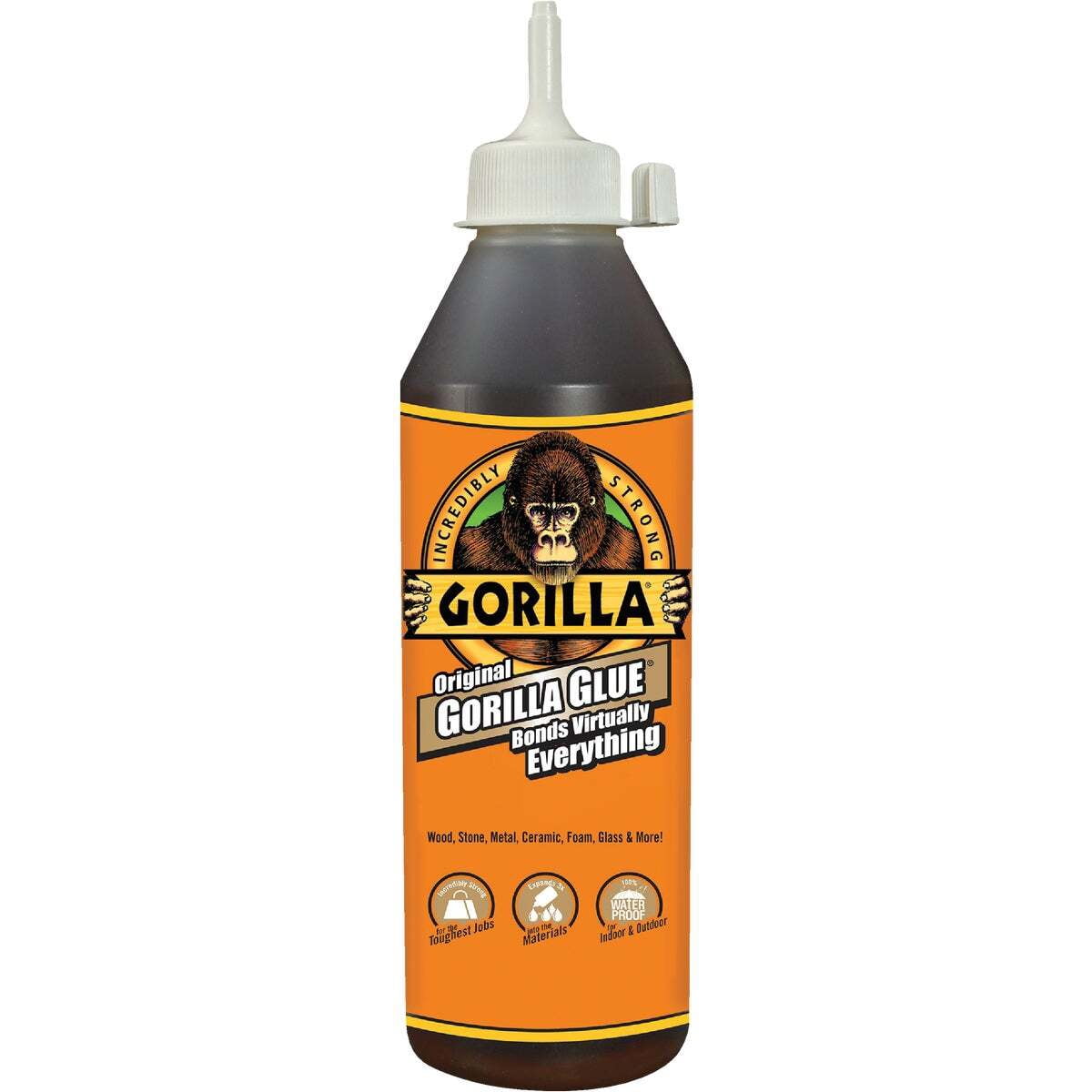
Outdoor furniture, construction on damp lumber—expands to fill gaps.
Gorilla Glue Original Polyurethane Glue Moisture-activated foaming grips wet wood/masonry better than competitors.
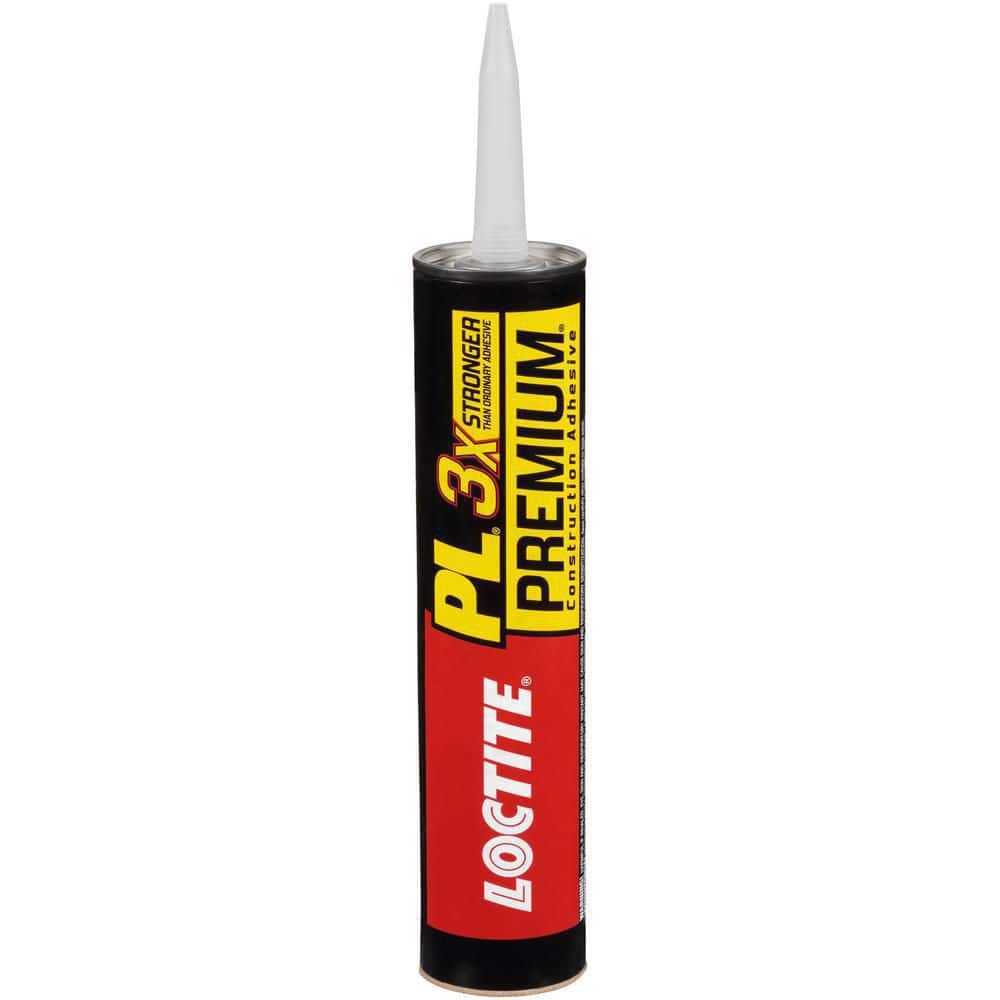
Home repairs like wet trim, siding—interior/exterior versatility.
Loctite PL Premium Polyurethane Construction Adhesive Bonds damp surfaces with high strength, paintable and weatherproof.
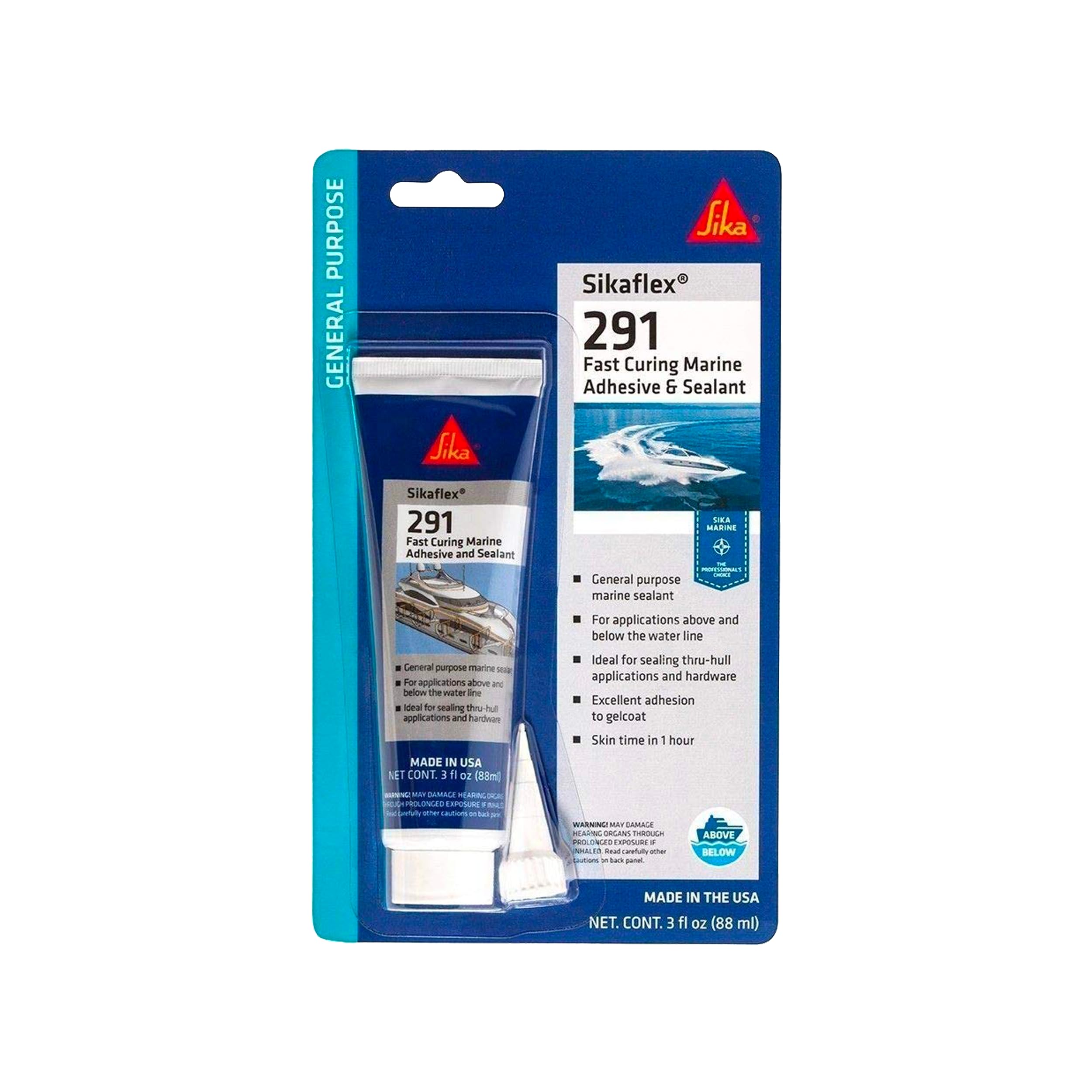
Boats, wet joints needing flexibility—professional results.
Sikaflex 291 Polyurethane Sealant Marine-grade, adheres to wet fiberglass/metal, UV/abrasion resistant.