
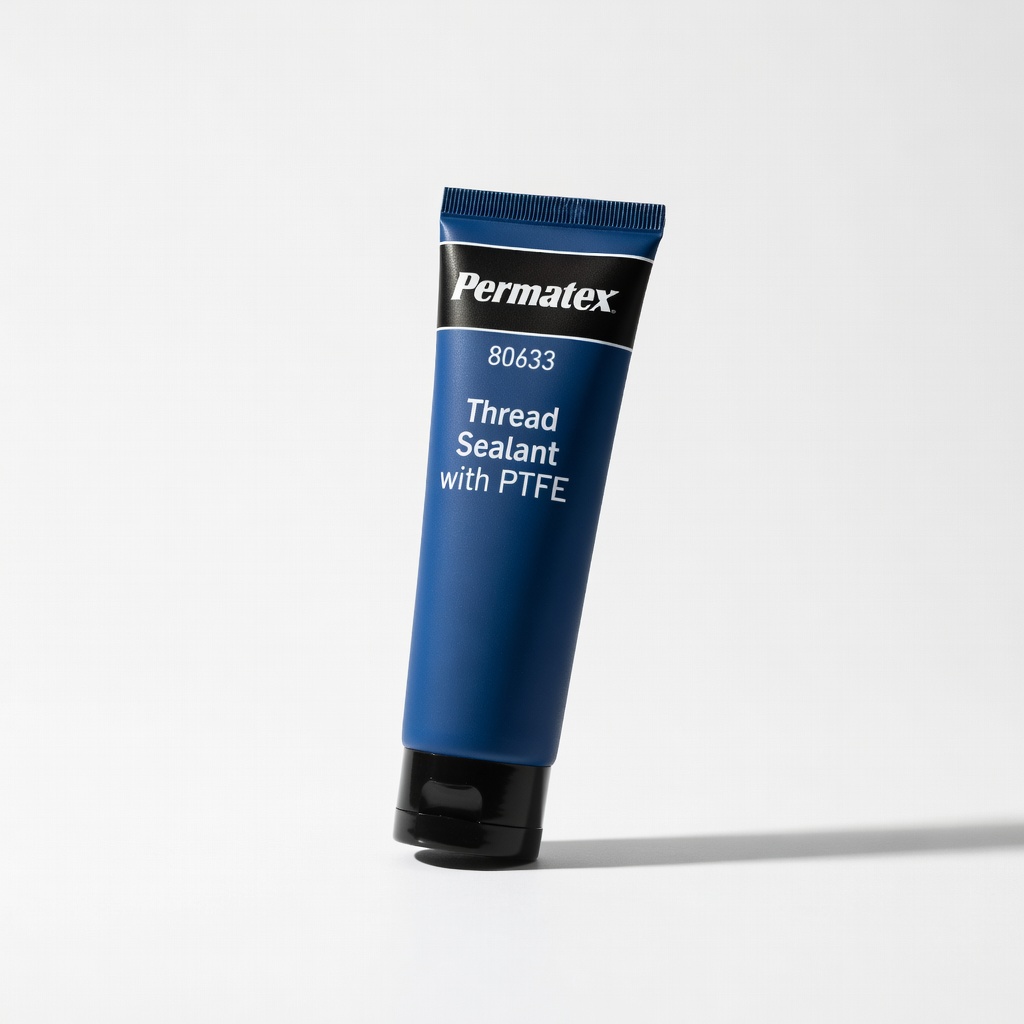
Permatex 80633 Thread Sealant with PTFE
Plumbing or hydraulic fittings; cures without disassembly.
$8-$12
Permatex 80633 Thread Sealant with PTFE Excellent for threaded pipe leaks; PTFE fills voids anaerobically for 10,000 PSI seal.
Get the App
Better experience on mobile
Master the differences between adhesives, sealants, and lubricants to choose the right product for stopping leaks in plumbing, autos, and home repairs.
Leaks are a homeowner's nightmare—dripping faucets waste water, engine oil seeps damage parts, and roof cracks lead to costly repairs. Whether it's a plumbing pipe, car gasket, or RV seam, picking the wrong fix can worsen the problem. This guide explains which adhesives, sealants, and lubricants actually prevent leaks, so you can select and apply the best one confidently.
You'll learn the key differences, real-world examples, and step-by-step selection process. By the end, you'll know exactly what to use for metal, plastic, rubber, or high-pressure leaks. No advanced skills needed—just intermediate DIY knowledge. Expect 10-15 minutes to read and apply the concepts immediately.
We'll break it down from leak types to product choice, with tips to avoid failures.
Estimated Time: 10-15 minutes to read; 30-60 minutes for first application Difficulty: intermediate
Start by diagnosing the leak. Is it a high-pressure plumbing joint, a slow automotive oil seep, or a rubber hose crack? Pressure, temperature, and material (metal, plastic, rubber) dictate the product.
Leaks fall into categories: threaded joints (pipes), gaskets (engines), cracks (surfaces), or flexible seals (hoses). For example, water pipes need waterproof, pressure-resistant options; auto leaks require heat-tolerant ones. Note the fluid: water, oil, gas, or chemicals.
What to expect: A clear leak profile prevents mismatches. Analogy: It's like choosing shoes—running sneakers won't work for hiking boots.
💡 Tips:
⚠️ Warnings:
Adhesives bond surfaces permanently, ideal for cracks or gaps larger than 1/8 inch. They harden into a solid fill, like epoxy putty for pipe holes.
Use for non-moving parts: JB Weld fills a cracked radiator. They cure via chemical reaction, resisting vibration but not ideal for threaded or flexible areas. Strength: 2000+ PSI.
Why it matters: Adhesives prevent leaks by creating a monolithic barrier, but they're rigid—no flex for expansion.
💡 Tips:
Sealants are elastic, filling gaps (up to 1/2 inch) while staying flexible. Silicone or polyurethane types handle movement, temperature swings (-40°F to 400°F).
Perfect for windows, baths, or gaskets. Analogy: Sealant is like rubber bands holding things stretchy; apply to clean joints, tool smooth. Cures in 24 hours, waterproofs instantly.
Examples: RTV silicone for engine oil pan leaks; polyurethane for roof seams.
⚠️ Warnings:
Lubricants with seal-swelling properties (silicone or PTFE-based) rejuvenate rubber seals without bonding. They reduce friction in threads/gaskets, preventing dry leaks.
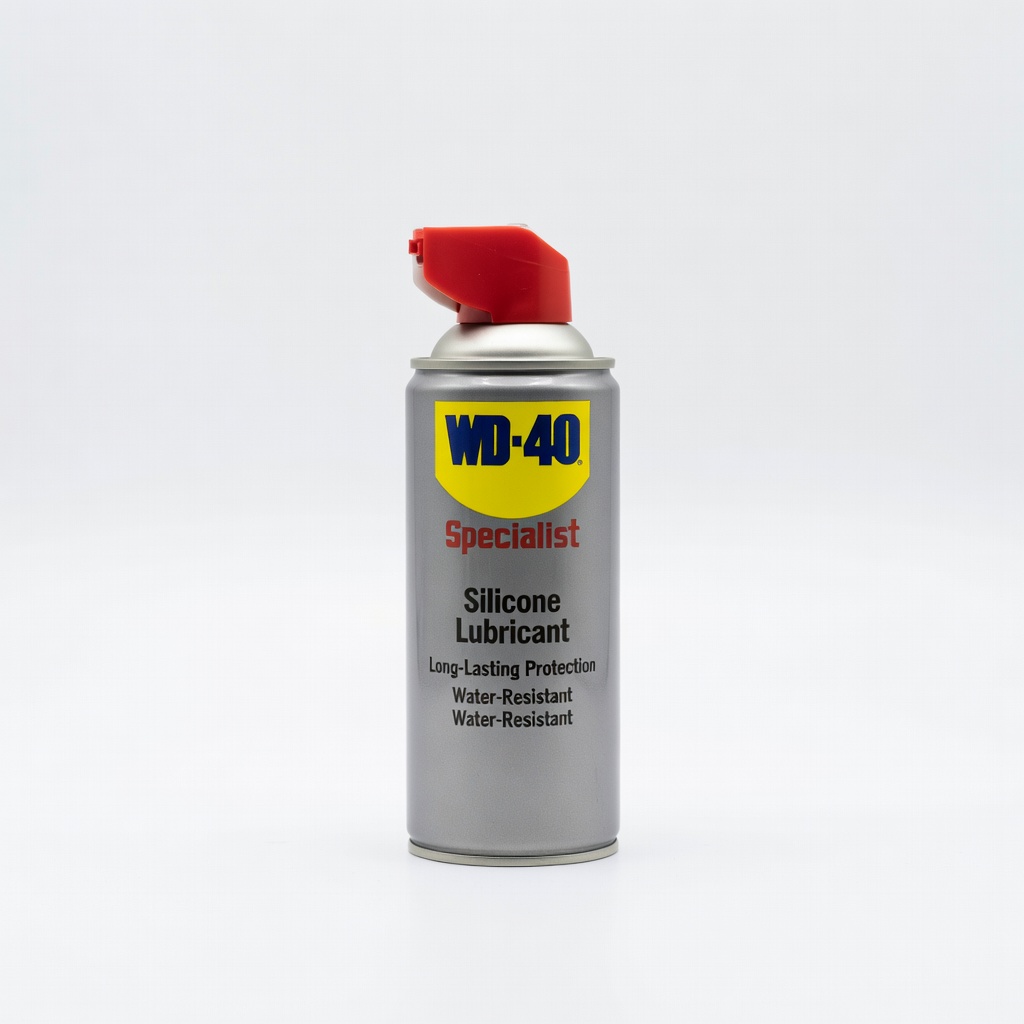
Not for active leaks—use on O-rings, faucets. WD-40 Specialist swells seals 10-20%, stopping slow drips. Apply sparingly; excess attracts dirt.
Why choose: Maintains assembly movability, unlike rigid fixes.
💡 Tips:
| Type | Best For | Flexibility | Cure Time | Strength |
|---|---|---|---|---|
| Adhesives | Cracks, bonds | Low | 1-24 hrs | High |
| Sealants | Joints, gaps | High | 24-72 hrs | Medium |
| Lubricants | Seals, threads | N/A | Instant | Low |
Choose adhesives for permanent fills, sealants for dynamic areas, lubricants for maintenance. Test compatibility on scrap material.
💡 Tips:
Clean thoroughly: Degrease with alcohol, dry completely. Roughen smooth surfaces with sandpaper (220 grit).
Why: Contaminants reduce adhesion 80%. Expect residue removal to reveal true leak size.
⚠️ Warnings:
Follow product instructions: Thread sealants on male threads, sealants in beads, adhesives kneaded into putty. Tool smooth, tape if needed.
Cure in place; avoid pressure for 24 hours. Test with low pressure first.
💡 Tips:
Pressurize gradually, check after 48 hours. Reapply if needed. Long-term: Inspect annually.
Problem: Leak persists after application
Solution: Remove old product, reclean, and reapply correct type. Wait full cure time.
Problem: Product won't harden
Solution: Check expiration date; ensure proper mixing and temperature (above 50°F).
Problem: Sealant shrinks or cracks
Solution: Use flexible polyurethane type; apply thinner layers.
Problem: Rubber degrades
Solution: Switch to silicone lubricant or petroleum-free sealant.
Problem: When to call pro: Gas/high-pressure lines or structural issues
Solution: undefined
Excellent for threaded pipe leaks; PTFE fills voids anaerobically for 10,000 PSI seal.
Best for: Plumbing or hydraulic fittings; cures without disassembly.
Price Range: $8-$12
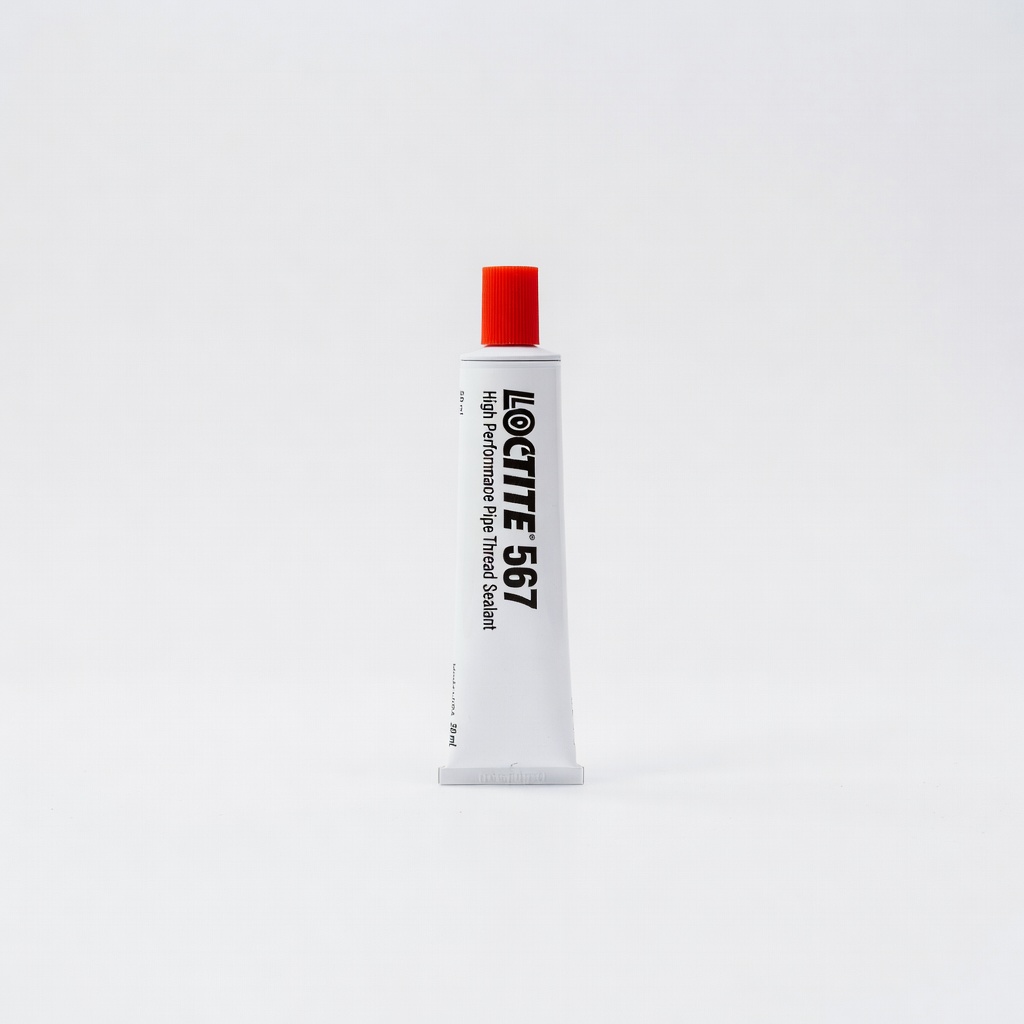
Tack-free, high-temp (400°F) formula for gas/oil lines; industry standard.
Best for: Automotive or HVAC threaded joints.
Price Range: $15-$25
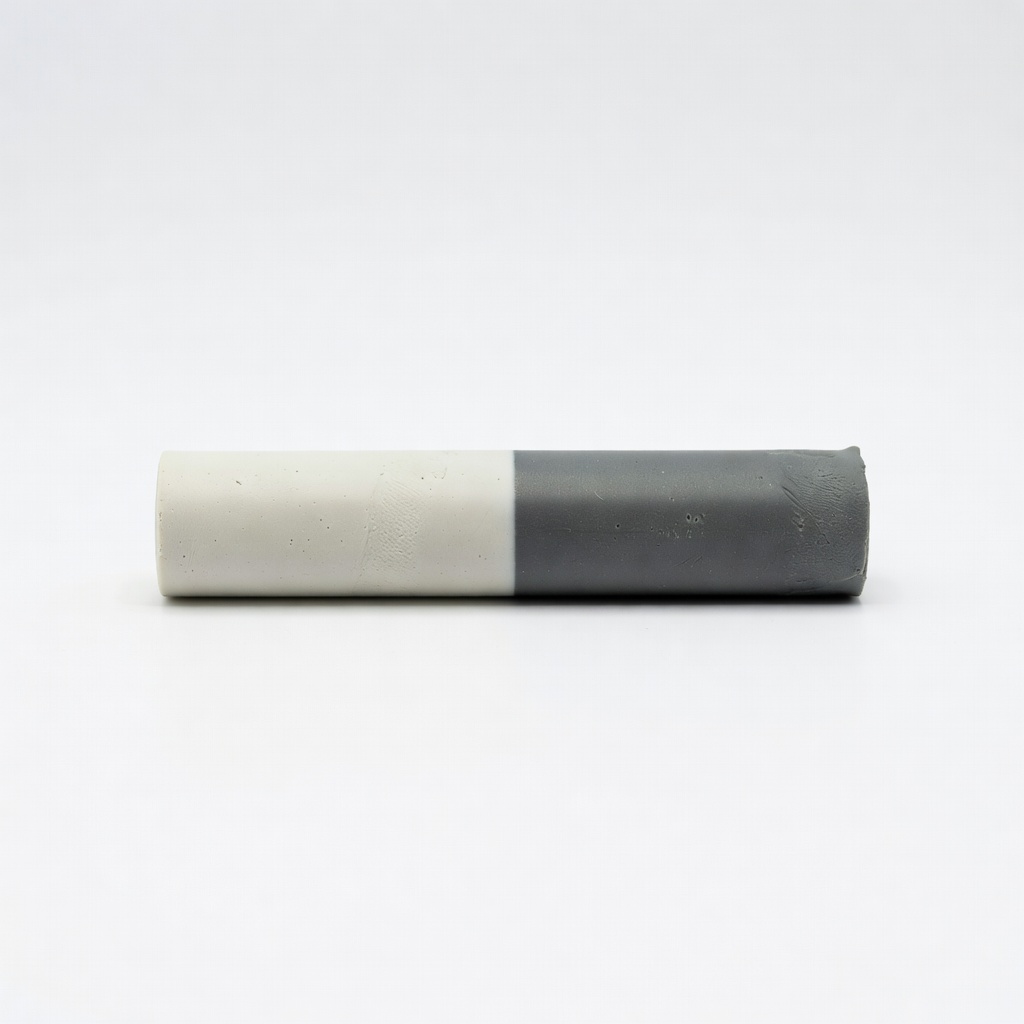
Water-activated, sets underwater; 5000 PSI for irregular cracks.
Best for: Wet plumbing leaks or marine repairs.
Price Range: $6-$10
100% silicone, mold-resistant, flexible for wet areas.
Best for: Sinks, showers, or window leaks.
Price Range: $7-$10
Swells and conditions rubber seals without gumming up.
Best for: Faucet drips or door seals.
Price Range: $7-$9
Plumbing or hydraulic fittings; cures without disassembly.
Permatex 80633 Thread Sealant with PTFE Excellent for threaded pipe leaks; PTFE fills voids anaerobically for 10,000 PSI seal.
Automotive or HVAC threaded joints.
Loctite 567 High Performance Pipe Thread Sealant Tack-free, high-temp (400°F) formula for gas/oil lines; industry standard.
Wet plumbing leaks or marine repairs.
J-B Weld 8272 WaterWeld Epoxy Putty Water-activated, sets underwater; 5000 PSI for irregular cracks.

Sinks, showers, or window leaks.
GE Advanced Silicone 2 Kitchen & Bath Sealant 100% silicone, mold-resistant, flexible for wet areas.
Faucet drips or door seals.
WD-40 Specialist Silicone Lubricant Swells and conditions rubber seals without gumming up.