
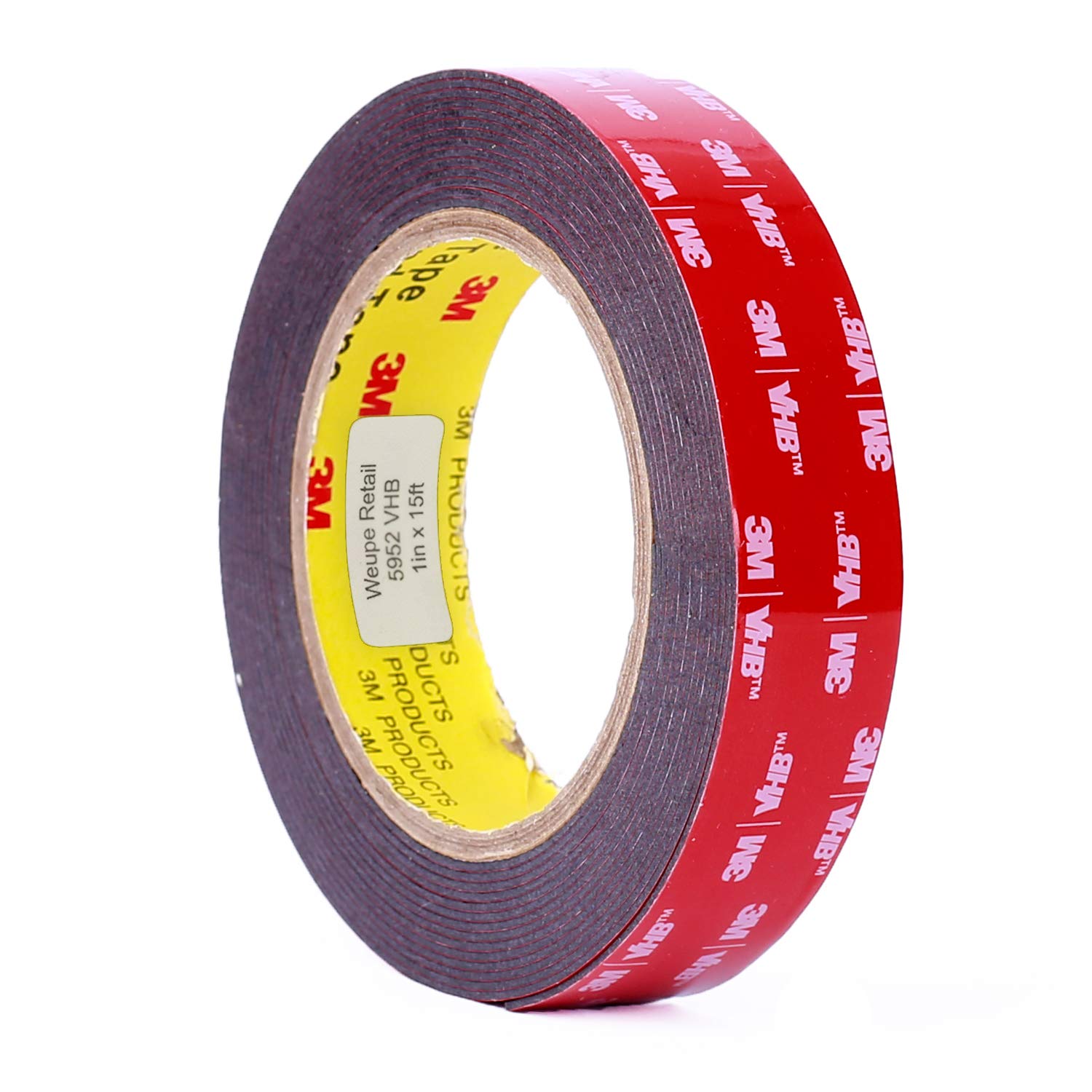
3M VHB 5952 Tape
Mounting electronics, bimini frames on boats.
$35-$45
3M VHB 5952 Tape 100% acrylic foam excels in permanent wet marine bonds, retaining 90% strength submerged.
Get the App
Better experience on mobile
Learn which adhesive tapes excel in saltwater, submersion, and humidity for reliable boat, dock, and gear repairs.
Marine environments are brutal on adhesives: constant saltwater exposure, UV rays, temperature swings, and mechanical stress cause most tapes to fail quickly, leading to costly repairs or safety risks on boats, docks, and gear. Whether you're fixing bimini tops, sealing hatches, or mounting electronics, choosing the wrong tape means peeling bonds and frustration.
In this advanced guide, you'll master the science behind wet-hold adhesives, compare top performers via chemistry and real-world tests, and get protocols to select or test tapes yourself. Expect deep dives into adhesive types, failure modes, and metrics—no fluff, just actionable insights for pros and serious DIYers. Reading and initial testing setup takes 20-30 minutes; full validation 1-2 hours.
Estimated Time: 20-30 minutes to read; 1-2 hours for testing Difficulty: advanced
Marine settings demand adhesives resistant to hydrolysis (water breakdown), osmotic blistering, and creep under load. Saltwater accelerates corrosion at interfaces, while submersion creates hydrostatic pressure on bonds.
Key stressors:
Expect 90% of consumer tapes (e.g., duct tape) to lose 80% strength in 24h submersion. Acrylics shine here due to cross-linked polymers.
💡 Tips:
⚠️ Warnings:
Tapes rely on pressure-sensitive adhesives (PSAs). In wet marine:
Data table: Acrylics retain 90% strength at 100% RH; rubbers 40%.
💡 Tips:
Beyond adhesive, backing matters:
Closed-cell foams prevent water wicking; open-cell saturates. Look for marine-grade liners (silicone release).
⚠️ Warnings:
Must-haves for marine:
Expect VHB to hit 800-1200 psi wet; generics <200.
💡 Tips:
| Category | Wet Shear (psi) | Submersion OK? | Cost | Use |
|---|---|---|---|---|
| Acrylic VHB | 800-1200 | Yes (perm) | $$ | Mounting, sealing |
| Butyl | 300-600 | Yes (gaps) | $ | Lap joints |
| Silicone | 150-300 | Partial | $$$ | High-flex |
VHB dominates for permanent bonds; butyl for repairs.
Prep dictates 70% of success:
Wet apply acrylics; dry butyl. Analogy: Like painting primer first.
💡 Tips:
DIY test: Bond 1"x1" samples to fiberglass/Al. Submerge in 3.5% saltwater 7 days. Apply 50lb shear load. Measure slip.
Pro metrics: Dynamic Mechanical Analysis (DMA) for Tg >50°C.
⚠️ Warnings:
Problem: Tape bubbles/peels after 48h submersion
Solution: Poor prep or open-cell foam; switch to VHB acrylic, re-prep with primer.
Problem: Low initial tack on wet surfaces
Solution: Use wet-bond acrylics like 3M 4906; allow 24h dwell.
Problem: Creep under load in waves
Solution: Thicker foam or add mechanical fasteners; test DMA-equivalent shear.
Problem: UV chalking/delam
Solution: UV-stabilized backings only; cover exposed areas.
100% acrylic foam excels in permanent wet marine bonds, retaining 90% strength submerged.
Best for: Mounting electronics, bimini frames on boats.
Price Range: $35-$45
Self-amalgamating butyl seals gaps waterproof, vibration-resistant for repairs.
Best for: Sealing hatch covers, lap joints on RVs/boats.
Price Range: $18-$25
Double-thick acrylic foam, waterproof for budget marine mounting.
Best for: Temporary dock fixtures, gear attachments.
Price Range: $10-$15
Faced liner for precise marine splicing, superior wet peel strength.
Best for: Canvas/inflatable repairs, high-precision bonds.
Price Range: $40-$50
Specialized for inflatable boats, UV/salt resistant Hypalon adhesive.
Best for: RIB/dinghy patch kits.
Price Range: $45-$60
Mounting electronics, bimini frames on boats.
3M VHB 5952 Tape 100% acrylic foam excels in permanent wet marine bonds, retaining 90% strength submerged.

Sealing hatch covers, lap joints on RVs/boats.
Dicor EPT Butyl Tape Self-amalgamating butyl seals gaps waterproof, vibration-resistant for repairs.

Temporary dock fixtures, gear attachments.
Gorilla Heavy Duty Mounting Tape Double-thick acrylic foam, waterproof for budget marine mounting.
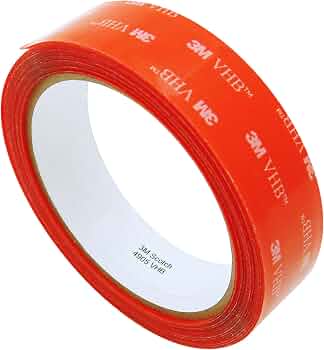
Canvas/inflatable repairs, high-precision bonds.
3M 4906 Faced VHB Tape Faced liner for precise marine splicing, superior wet peel strength.
RIB/dinghy patch kits.
Clifton Hypalon Repair Tape Specialized for inflatable boats, UV/salt resistant Hypalon adhesive.