
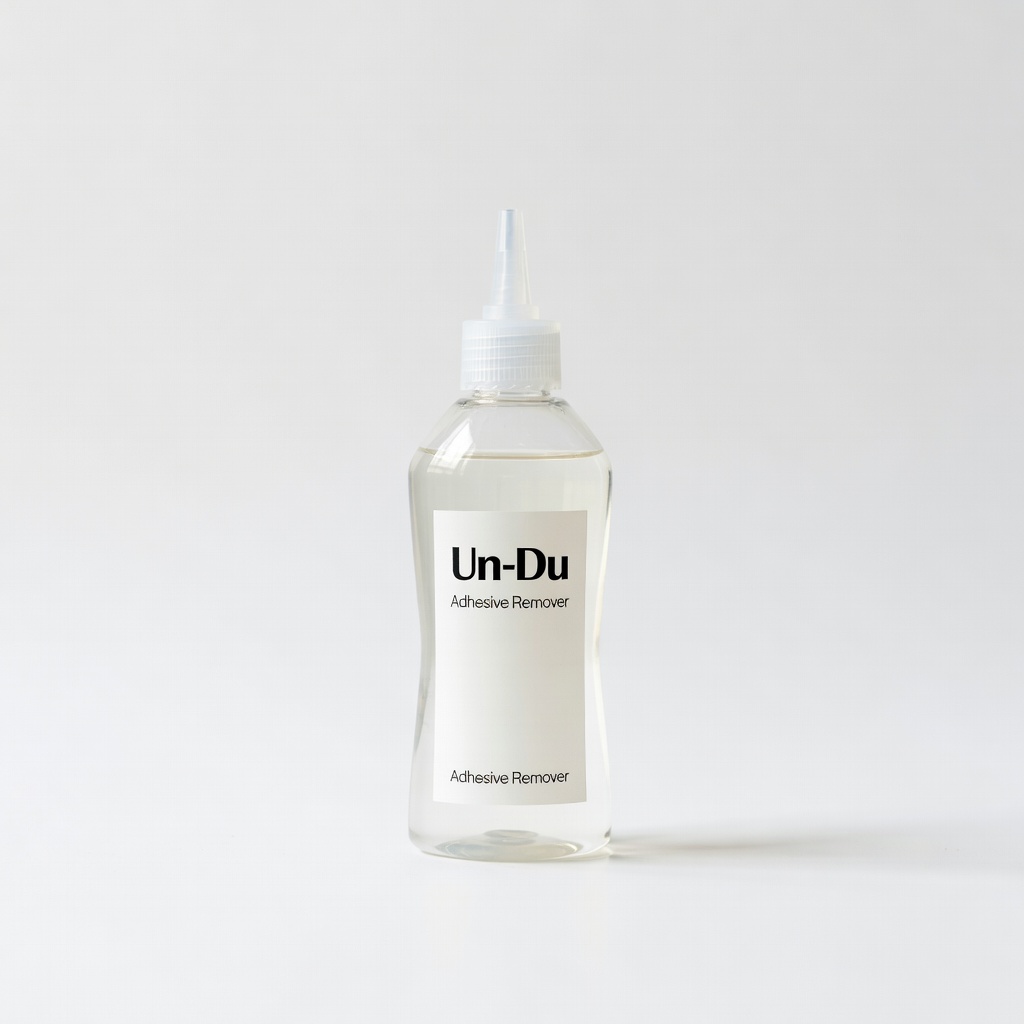
Un-Du Adhesive Remover
Best for tape, stickers, and labels on couches—quick dissolve without residue.
$7-10
Un-Du Adhesive Remover Specifically formulated for fabrics; safe, non-toxic, no harsh fumes or damage to upholstery.
Get the App
Better experience on mobile
Learn safe adhesive removers for couches and chairs, plus step-by-step removal to avoid damage and stains.
Sticky gum on your favorite armchair or duct tape residue on your sofa? Fabric upholstery is prone to adhesive mishaps from kids, pets, or DIY projects, and using the wrong remover can lead to fading, holes, or permanent stains. This guide explains which adhesive removers are safe and effective for delicate fabrics like cotton, polyester, and microfiber.
You'll discover household staples and commercial products that work, with clear steps to test and apply them safely. No more ruined furniture—achieve clean results in under an hour.
Expect beginner-friendly instructions: simple tests first, gentle blotting techniques, and pro tips to prevent damage. Perfect for homeowners tackling spots without pros.
Estimated Time: 20-45 minutes per spot Difficulty: beginner
Start by determining if it's gum, tape residue, glue, sticker, or label adhesive. Each responds differently—gum hardens when frozen, tape softens with oils, and super glue needs solvents.
Why it matters: Wrong methods can spread or embed the adhesive deeper into fibers. Expect chewy gum vs. sticky tape; this guides your remover choice.
Use a flashlight to inspect; note size and age (fresh is easier).
💡 Tips:
Locate the tag under cushions or on the back—look for 'W' (water-safe), 'S' (solvent-only), 'WS' (both), or 'X' (vacuum only).
This prevents damage; solvent-based removers like WD-40 work on 'S/WS' but not delicate 'X' fabrics. Test anyway if unsure.
Analogy: It's like reading food labels before cooking—avoids allergic reactions (here, color bleeding).
⚠️ Warnings:
Gently vacuum the area with an upholstery tool to remove dirt, crumbs, or flaking adhesive.
Why: Clean surface prevents grinding dirt into fabric during scrubbing. Expect 1-2 minutes; go slow to avoid pulling fibers.
💡 Tips:
Dab a small amount of your chosen remover on an inconspicuous area (bottom seam) and wait 5-10 minutes. Blot with water and check for color change or damage.
Crucial step: Fabrics vary; what works on polyester may ruin cotton. Household options like rubbing alcohol (90% safe) or commercial like Un-Du are gentle starters.
⚠️ Warnings:
For tape/stickers: Spray WD-40 or rubbing alcohol lightly. For gum: Freeze with ice in a bag for 15 mins, then scrape. For glue: Use Un-Du or Goo Gone sparingly.
These work because alcohol dissolves resins, oils emulsify stickiness, without harsh chemicals eating fibers. Saturate just the spot; let sit 1-5 mins.
💡 Tips:
Use a cloth to blot (press and lift) excess remover and adhesive. Scrape edges with plastic tool at 45-degree angle.
Expect adhesive to ball up or dissolve; repeat if needed. Why blot: Mimics sponge action—pulls out gunk without friction damage.
⚠️ Warnings:
Mix dish soap (1 tsp) in 1 cup warm water; blot to remove remover traces. Rinse with damp cloth.
Remover solvents can leave oily film attracting dirt—soap neutralizes. Dry with fan or towel.
💡 Tips:
Air dry fully (2-4 hours); fluff fibers with fingers. Check for residue—if any, repeat step 5.
Full dry prevents mildew; inspect in light for missed spots.
Problem: Color bleeding or fading
Solution: Stop immediately, blot with water, and switch to dry methods like freezing. Seek pro cleaner if persists.
Problem: Adhesive won't budge
Solution: Layer freeze + alcohol, let sit longer (10 mins), or try alternative remover. Repeat cycles.
Problem: Oily residue left behind
Solution: Blot with dish soap solution or baking soda sprinkle (let sit 15 mins, vacuum).
Problem: Fabric smells like chemicals
Solution: Ventilate area, sprinkle baking soda overnight, vacuum. Use milder options next time.
Specifically formulated for fabrics; safe, non-toxic, no harsh fumes or damage to upholstery.
Best for: Best for tape, stickers, and labels on couches—quick dissolve without residue.
Price Range: $7-10
Powerful citrus-based formula effective on most adhesives; works fast on fabric if tested.
Best for: Heavy glue or gum residue; gel version for vertical surfaces.
Price Range: $6-9
Gentle solvent evaporates quickly, safe for most 'WS' fabrics, inexpensive household staple.
Best for: Light tape or sticker removal; dab with cotton ball.
Price Range: $10-15
Penetrates sticky bonds without harming fibers; non-flammable version safer indoors.
Best for: Duct tape or automotive adhesives on car seats.
Price Range: $8-12
Tough on adhesives, safe for washable fabrics; biodegradable.
Best for: Glue from crafts or construction on durable upholstery.
Price Range: $10-15
Best for tape, stickers, and labels on couches—quick dissolve without residue.
Un-Du Adhesive Remover Specifically formulated for fabrics; safe, non-toxic, no harsh fumes or damage to upholstery.
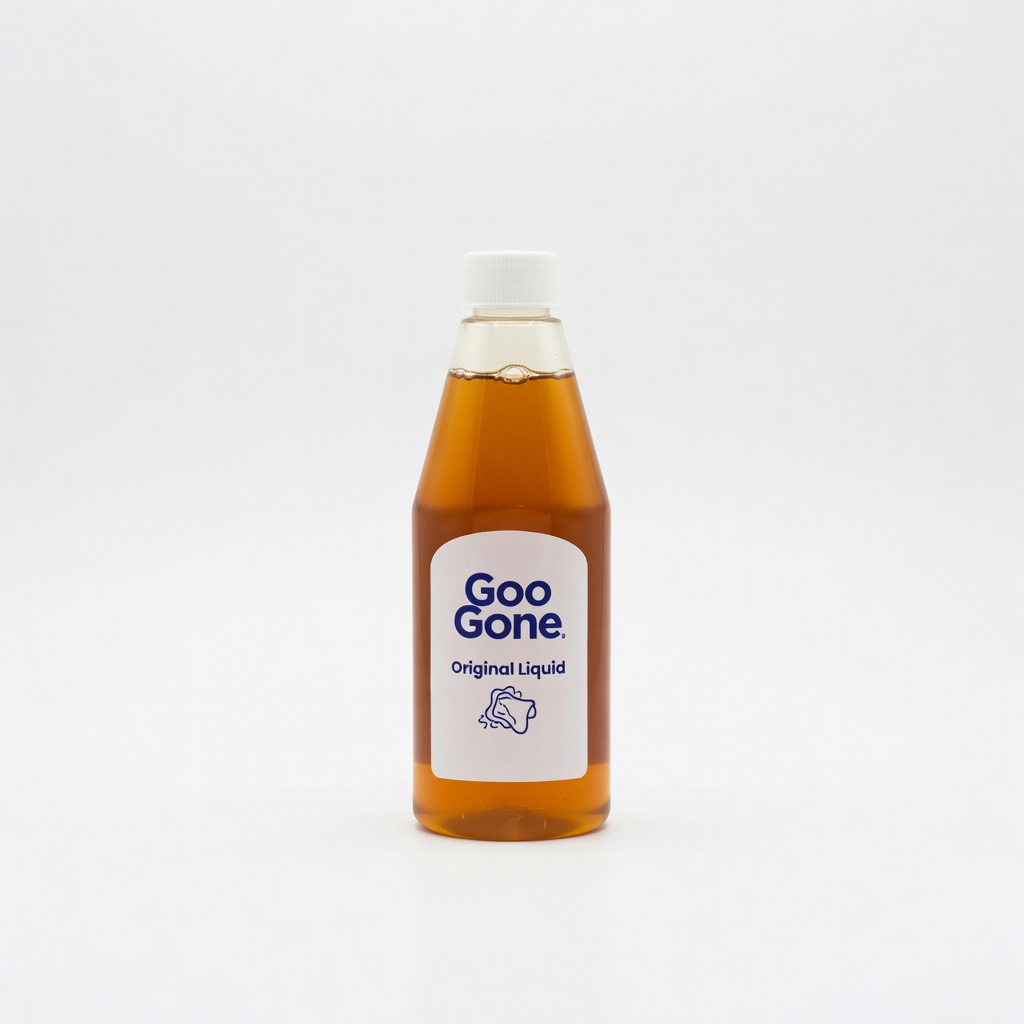
Heavy glue or gum residue; gel version for vertical surfaces.
Goo Gone Original Liquid Powerful citrus-based formula effective on most adhesives; works fast on fabric if tested.
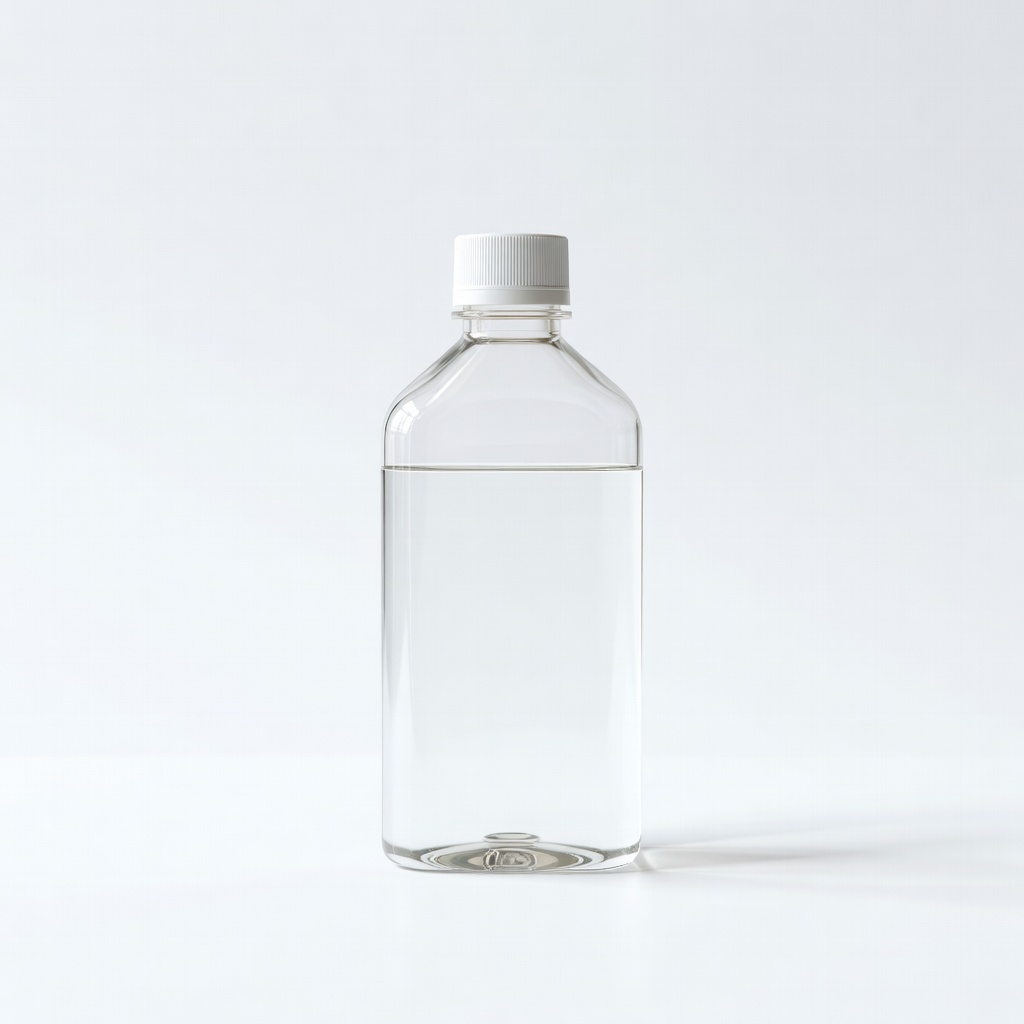
Light tape or sticker removal; dab with cotton ball.
Isopropyl Alcohol 99% Gentle solvent evaporates quickly, safe for most 'WS' fabrics, inexpensive household staple.
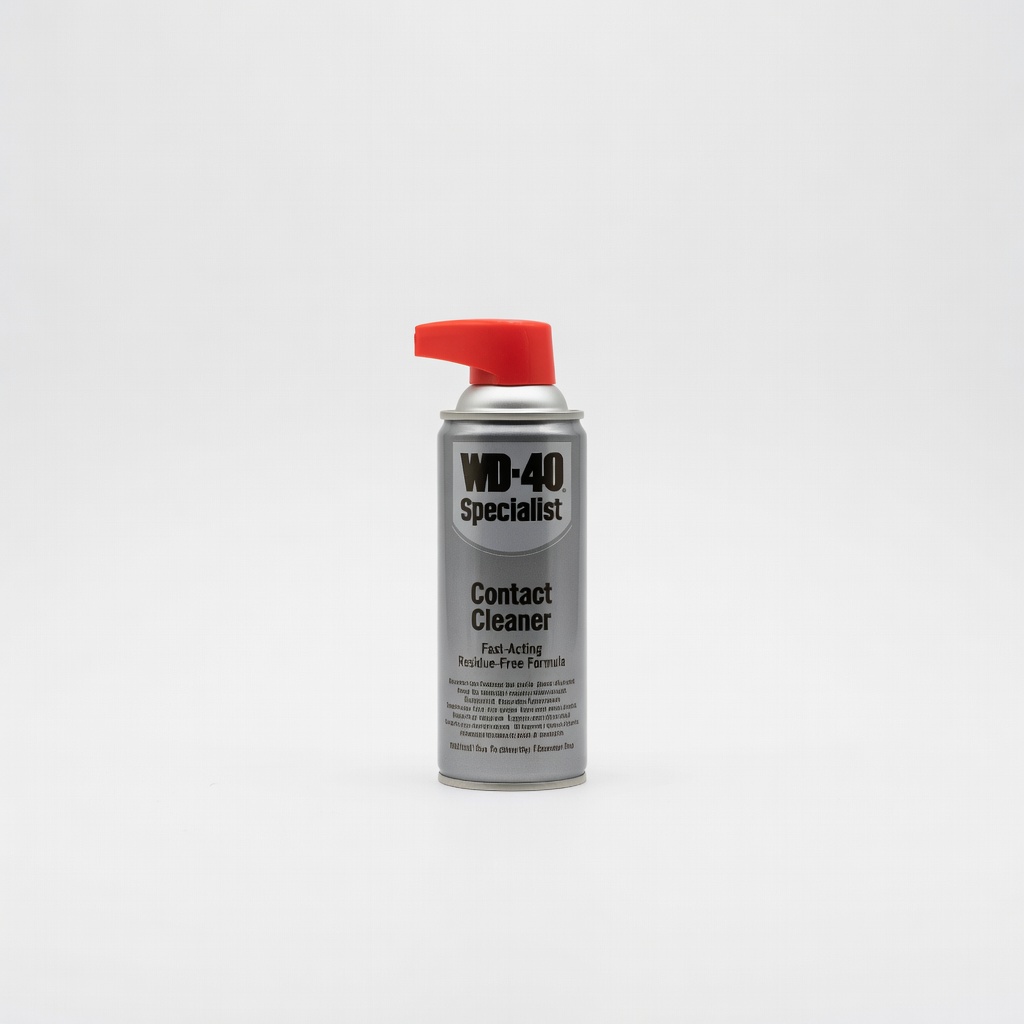
Duct tape or automotive adhesives on car seats.
WD-40 Specialist Contact Cleaner Penetrates sticky bonds without harming fibers; non-flammable version safer indoors.
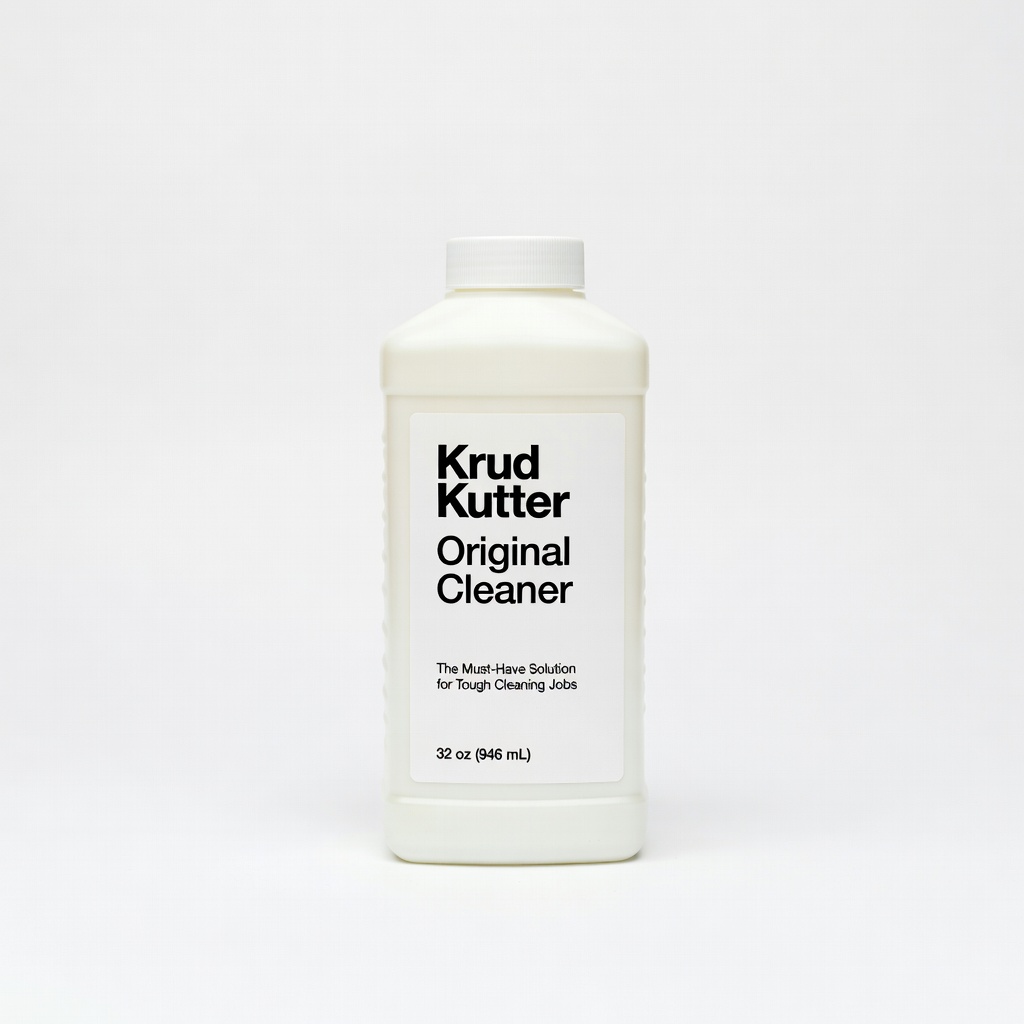
Glue from crafts or construction on durable upholstery.
Krud Kutter Original Cleaner Tough on adhesives, safe for washable fabrics; biodegradable.