Sticky residues from shipping tape, bumper stickers, or kids' decals can make your car interior look worn and dirty. Removing them without scratching delicate surfaces like dashboards, seats, or door panels is tricky for beginners, but the right adhesive remover makes it easy and safe.
In this guide, you'll learn the types of removers that work best on car interiors, how to choose and use them step-by-step, and top product recommendations. Expect a quick process—most jobs take 15-30 minutes—with no advanced skills needed. We'll cover safety tips to avoid common pitfalls like discoloration or greasy leftovers.
▸What You'll Need
- •Adhesive remover (commercial or isopropyl alcohol)
- •Microfiber cloths (soft, lint-free)
- •Plastic scraper or credit card (for gentle scraping)
- •Disposable gloves
- •Vacuum or soft brush (optional, for loose debris)
- •Interior protectant (like 303 Aerospace, optional)
Estimated Time: 15-45 minutes per affected area
Difficulty: beginner
▸Step-by-Step Instructions
Step 1: Prepare the Area
Park your car in a well-ventilated area, like outdoors or with doors open. Vacuum or brush away any loose dirt or debris around the sticky spot to prevent grinding it into the surface during removal.
This step matters because car interiors trap dust, and contaminants can cause scratches. Expect a clean starting point that makes the process faster.
💡 Tips:
- •Work in sections to avoid overwhelming yourself.
⚠️ Warnings:
- •Avoid direct sunlight to prevent removers from drying too fast.
Step 2: Identify Surface Type
Check if the residue is on vinyl/plastic (dashboard), leather, fabric seats, or glass. Each reacts differently to solvents—plastics can melt with harsh chemicals, leather absorbs liquids.
Understanding this prevents damage. For example, fabric needs less aggressive removers than hard plastics. This quick assessment guides your product choice.
💡 Tips:
- •Rub a damp cloth; if it darkens temporarily, it's fabric or leather.
Step 3: Choose Your Remover Type
Opt for citrus-based (like Goo Gone), alcohol-based (isopropyl), or petroleum (WD-40 with caution). Citrus and alcohol are gentlest for cars, breaking down adhesives without residue.
Commercial products outperform DIY for tough spots. We'll recommend specifics later—avoid acetone or paint thinner, as they damage plastics.
💡 Tips:
- •For light residue, start with 70-90% isopropyl alcohol.
⚠️ Warnings:
- •Skip oily removers on fabric to avoid stains.
Step 4: Test in an Inconspicuous Spot
Apply a small amount of remover to a hidden area (under seat, behind panel) and wait 5 minutes. Wipe and check for discoloration, stickiness, or dulling.
This is crucial for beginners—car interiors vary by model/year. If safe, proceed; if not, try a milder option.
💡 Tips:
- •Test multiple if unsure.
Step 5: Apply the Remover
Spray or dab remover onto the residue, fully saturating it. Let it sit 1-5 minutes (per product instructions) to soften the adhesive—like melting glue with heat, but chemically.
Expect the goo to loosen; don't rush, as forcing it leads to scratches.
💡 Tips:
- •Use a Q-tip for precision on small spots.
⚠️ Warnings:
- •Don't soak leather—use sparingly.
Step 6: Gently Scrape Residue
Use a plastic scraper at a 45-degree angle to lift softened goo. Work slowly in one direction. Wipe residue onto a cloth as you go.
Plastic tools prevent gouges metal ones cause. You'll see clean progress without effort.
Step 7: Wipe and Clean
Dampen a microfiber cloth with water or mild soap and wipe the area thoroughly. Repeat if needed. Dry completely with a clean cloth.
This removes any remover residue, preventing slippery surfaces or new stains.
💡 Tips:
Step 8: Protect and Finish
Apply an interior protectant to restored surfaces. This adds UV protection and repels future dirt.
Finishes the job professionally, extending your clean.
▸Pro Tips
- •Always wear gloves—removers can irritate skin.
- •Work top-to-bottom to avoid drips on cleaned areas.
- •For heat-set residue, warm the spot with a hairdryer first (low heat).
- •Microfiber cloths are key—paper towels leave lint.
- •Combine alcohol wipe after for streak-free results.
- •Store products in a cool place; shelf life is 1-2 years.
- •For large areas, use a spray bottle to control application.
▸Common Mistakes to Avoid
- •Using metal tools: Scratches plastics permanently—stick to plastic.
- •Skipping the test spot: Causes discoloration on leather/vinyl.
- •Applying too much liquid: Leads to soaking fabric, causing odors or shrinkage.
- •Rubbing aggressively: Spreads residue instead of removing it.
- •Ignoring ventilation: Fumes build up in enclosed cars.
▸Troubleshooting
Problem: Residue won't budge
Solution: Let remover sit longer (up to 10 min) or switch to stronger like Goof Off. Repeat process.
Problem: Surface looks dull after
Solution: Apply interior protectant immediately. Buff gently.
Problem: Oily residue left
Solution: Wipe with isopropyl alcohol or dish soap solution. Avoid petroleum-based next time.
Problem: Color fade on plastic
Solution: Stop use; try milder alcohol. Seek pro detailer for restoration.
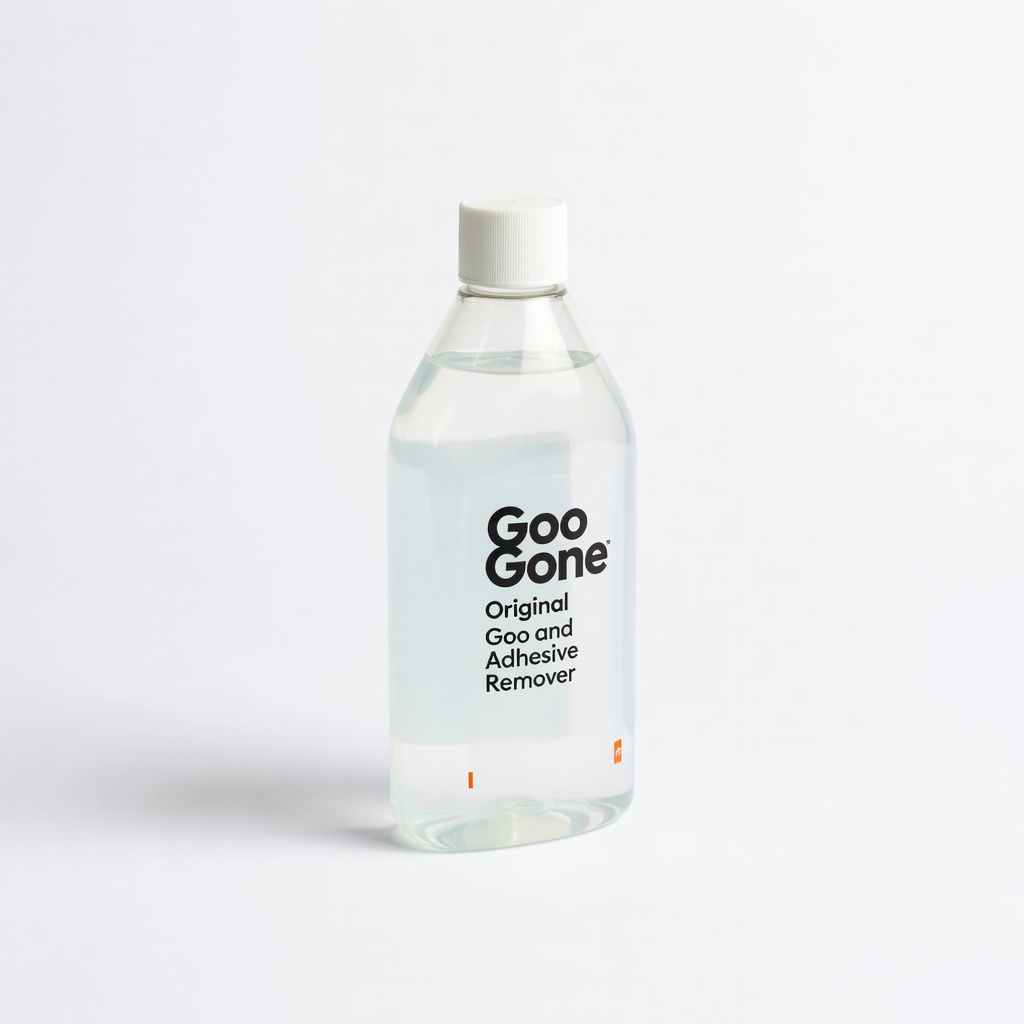
Goo Gone Original Goo and Adhesive Remover
Citrus-based formula dissolves tough adhesives safely on vinyl, plastic, and fabric without harsh fumes.
Best for: Ideal for general stickers, tape on dashboards and doors.
Price Range: $8-10
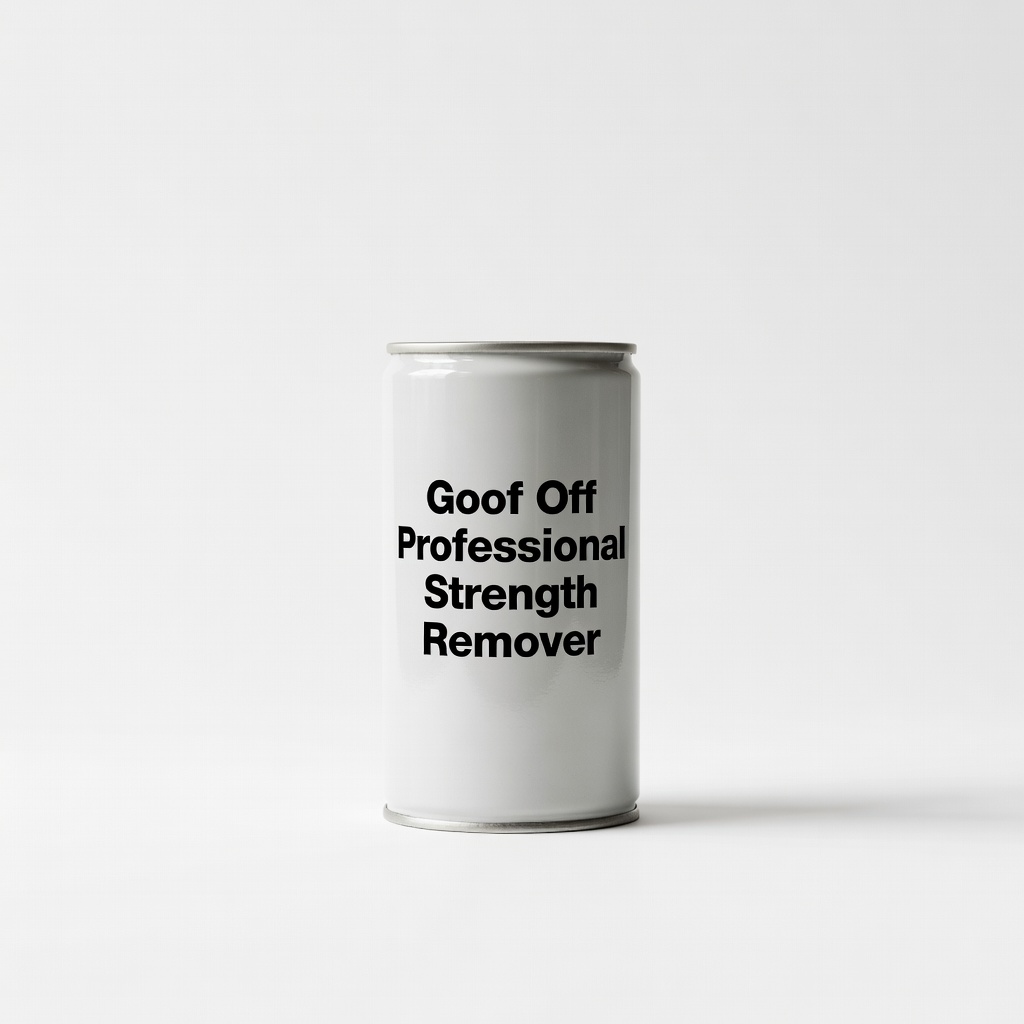
Goof Off Professional Strength Remover
Fast-acting on heavy, aged residues; evaporates cleanly without oily aftermath.
Best for: Old shipping tape or decal glue on hard surfaces.
Price Range: $7-9
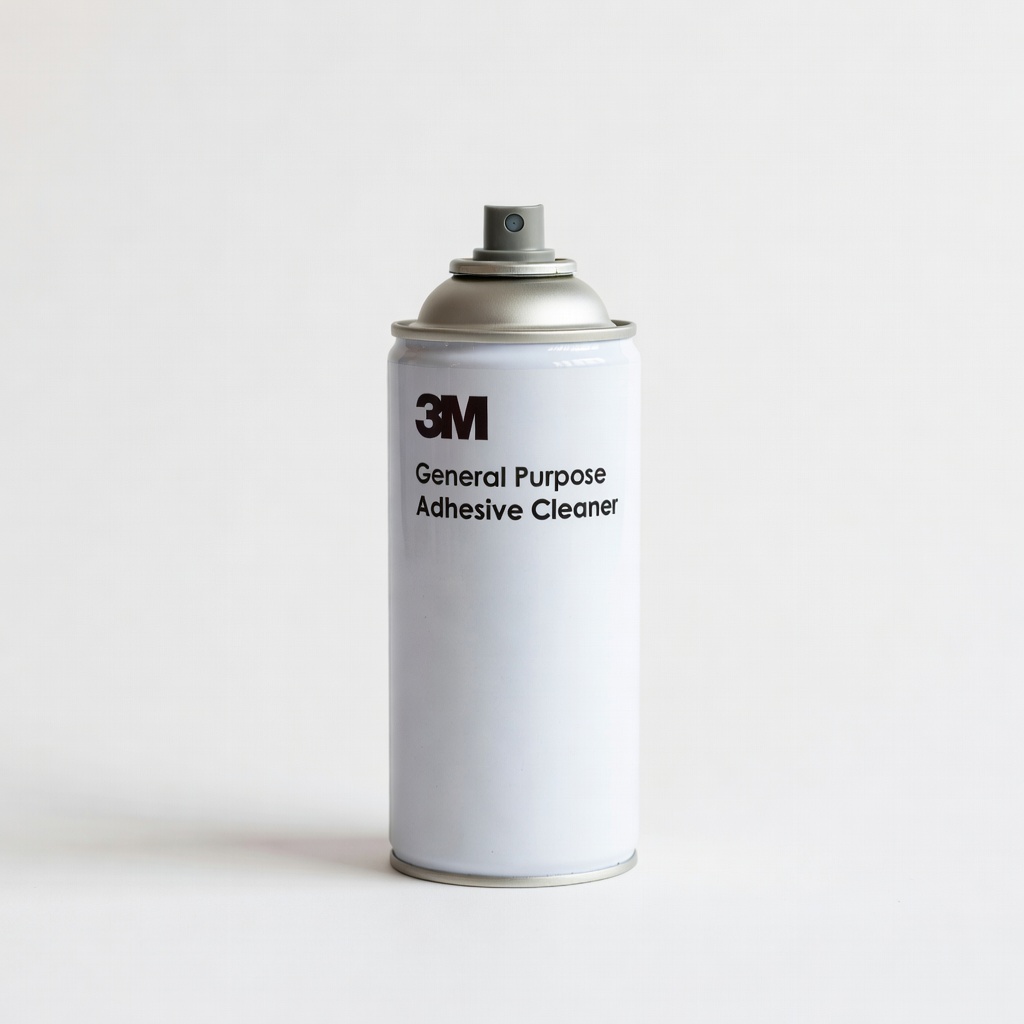
3M General Purpose Adhesive Cleaner
Professional-grade, low-odor, safe for most automotive plastics and won't harm paint.
Best for: Precision removal on trim, buttons, and electronics.
Price Range: $15-20
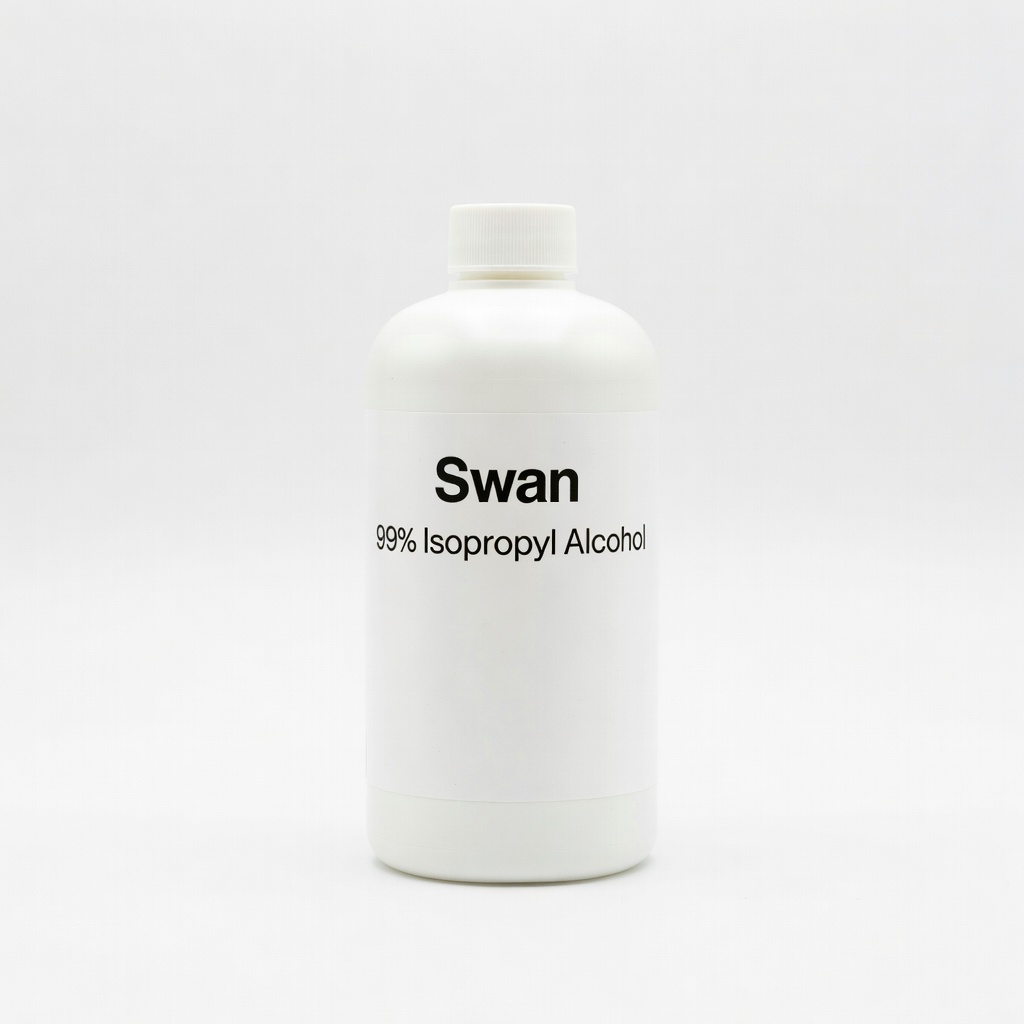
Swan 99% Isopropyl Alcohol
Gentle, inexpensive DIY option that evaporates fast and safe for all interiors.
Best for: Light residues on leather or fabric; everyday quick fixes.
Price Range: $15-20
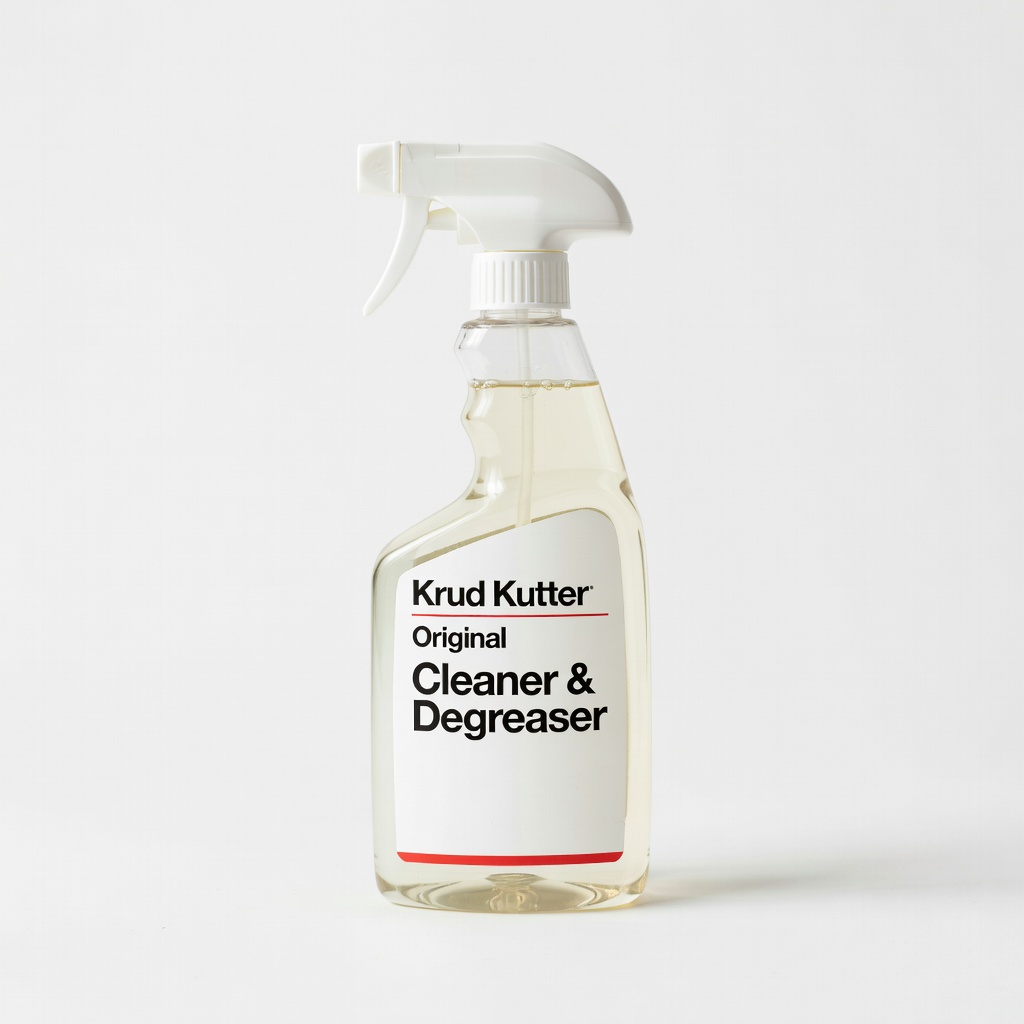
Krud Kutter Original Cleaner & Degreaser
Eco-friendly, non-toxic; cuts through adhesives without damaging upholstery.
Best for: Fabric seats or large areas with kid stickers.
Price Range: $10-15