
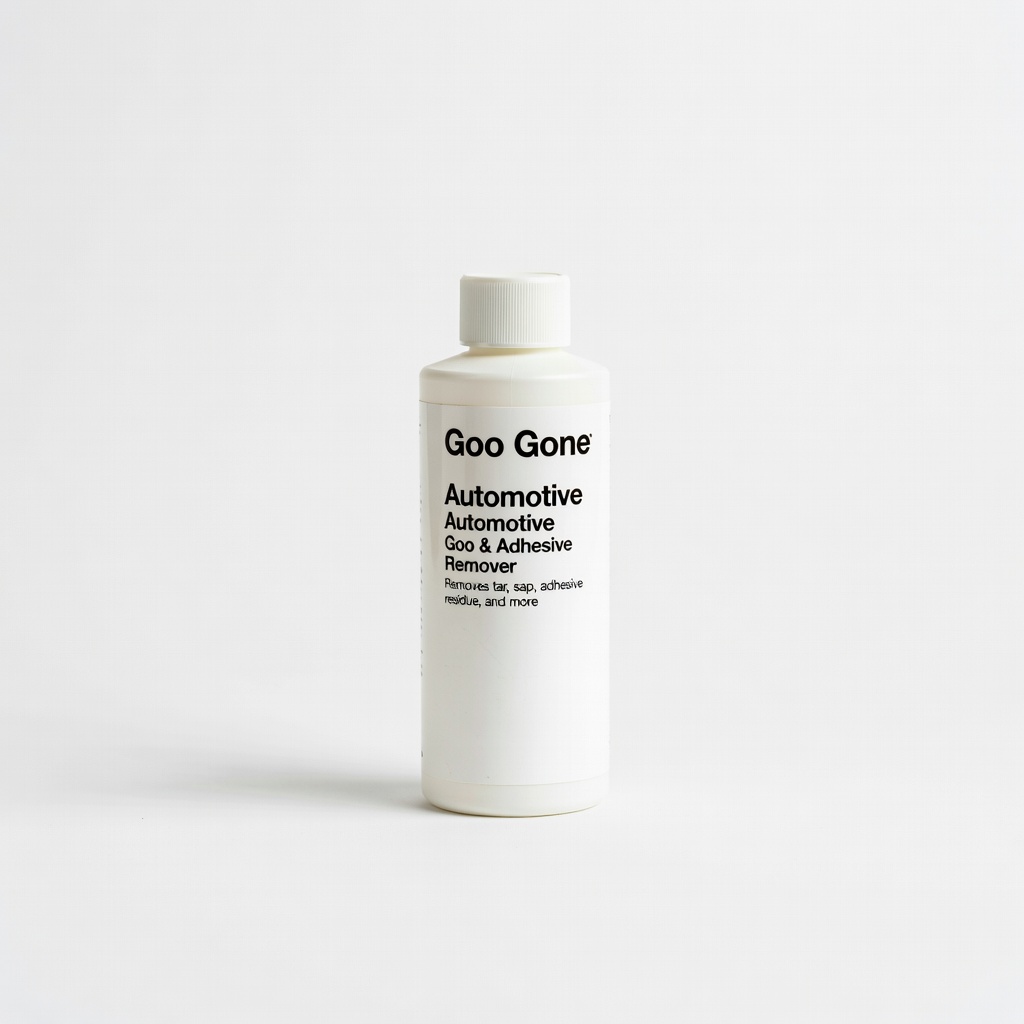
Goo Gone Automotive Goo & Adhesive Remover
Everyday residues like decals or tape on bumpers.
$9.99-$12.99
Goo Gone Automotive Goo & Adhesive Remover Citrus-based formula safe on paint, effective on stickers/tape without harsh fumes.
Get the App
Better experience on mobile
Learn which adhesive removers won't damage your car's paint, how to choose them, and step-by-step safe removal techniques for beginners.
Sticky residues from bumper stickers, tape, or road tar can ruin the look of your car and are tough to remove without scratching or dulling the paint. Many household solvents like acetone or harsh chemicals strip wax and etch clear coats, leading to costly repairs. This guide helps you avoid that disaster.
You'll discover safe adhesive removers specifically formulated for automotive paint, understand why they work without harm, and follow a simple process to clean residues effectively. No advanced skills needed—just basic car care knowledge.
Expect to spend 15-30 minutes per spot, with beginner-friendly steps that prioritize safety and shine restoration. By the end, your car paint will look pristine.
Estimated Time: 15-30 minutes per adhesive spot Difficulty: beginner
Examine the sticky spot on your car. Common culprits include stickers, double-sided tape, road tar, tree sap, or decal glue. Note its thickness and age—fresh residue is easier to remove.
Why it matters: Different adhesives respond to specific removers. Petroleum-based tapes need solvents, while water-soluble labels might just need soap. Misidentifying can waste time or risk paint damage.
Expect gooey lifting as you proceed.
💡 Tips:
⚠️ Warnings:
Car paint has a clear coat layer that protects color but dissolves in aggressive solvents like nail polish remover or gasoline. Safe removers use mild ingredients like citrus oils or hydrocarbons that evaporate quickly without etching.
Analogy: Think of paint like a grape skin—harsh chemicals burst it, mild ones just wipe off dirt.
This knowledge prevents dull spots or swirls.
💡 Tips:
Opt for products labeled 'automotive safe' or 'paint-safe.' Best types: citrus-based (natural solvents), low-VOC hydrocarbons, or gel formulas that cling without running.
Avoid: Acetone, lacquer thinner, or generic goo removers not rated for cars. Look for EPA Safer Choice labels.
Examples dissolve adhesive bonds via emulsification, not abrasion.
💡 Tips:
⚠️ Warnings:
Spray or dab remover on a hidden spot like inside the door jamb or wheel well. Wait 1-2 minutes, wipe, and check for dulling or color change after 24 hours.
Why: Ensures compatibility with your paint. Most safe products pass, but vintage cars may react differently.
Expect no change if safe.
Clean the residue spot with car wash soap and water using a microfiber cloth. Dry thoroughly.
This removes dirt that could scratch during removal and preps paint for better adhesion of remover.
💡 Tips:
Spray or soak a microfiber cloth with remover, then gently dab onto residue. Let dwell 1-5 minutes (per product instructions) until goo softens.
Why dwell time: Allows chemical breakdown without rubbing. Expect bubbling or loosening.
⚠️ Warnings:
Use a plastic scraper or soft cloth to lift softened adhesive. Reapply if needed, wiping in straight lines, not circles.
Straight lines prevent swirls. Repeat until clean.
💡 Tips:
Rinse with water spray bottle, then wash with soap to remove remover traces. Dry with clean microfiber.
Remover residue can attract dirt if left.
Apply car wax or sealant to the area. Buff to shine.
Replaces protective layer stripped during process.
💡 Tips:
Problem: Residue won't budge after dwelling
Solution: Reapply and cover with plastic wrap for 10-15 more minutes; use clay bar if stubborn.
Problem: Paint looks hazy after removal
Solution: Polish lightly with car compound, then wax; haze usually buffs out if remover was safe.
Problem: Remover streaks or runs
Solution: Wipe immediately with damp cloth and rewash; use gel formulas next time.
Problem: Color change in test area
Solution: Rinse thoroughly and wax; if persistent, seek pro detailer—rare with safe products.
Citrus-based formula safe on paint, effective on stickers/tape without harsh fumes.
Best for: Everyday residues like decals or tape on bumpers.
Price Range: $9.99-$12.99
Professional-grade, low-odor, evaporates cleanly without damaging clear coats.
Best for: Heavy industrial adhesives or multiple spots.
Price Range: $14.99-$18.99
Pleasant citrus scent, clings to vertical surfaces, safe for all paint types.
Best for: Road tar, bugs, or sap mixed with adhesive.
Price Range: $10.99-$13.99
Budget-friendly, water-based for mild action, rinses easily.
Best for: Light residues on beginners' first tries.
Price Range: $6.99-$9.99
Everyday residues like decals or tape on bumpers.
Goo Gone Automotive Goo & Adhesive Remover Citrus-based formula safe on paint, effective on stickers/tape without harsh fumes.

Heavy industrial adhesives or multiple spots.
3M Adhesive Remover 38983 Professional-grade, low-odor, evaporates cleanly without damaging clear coats.
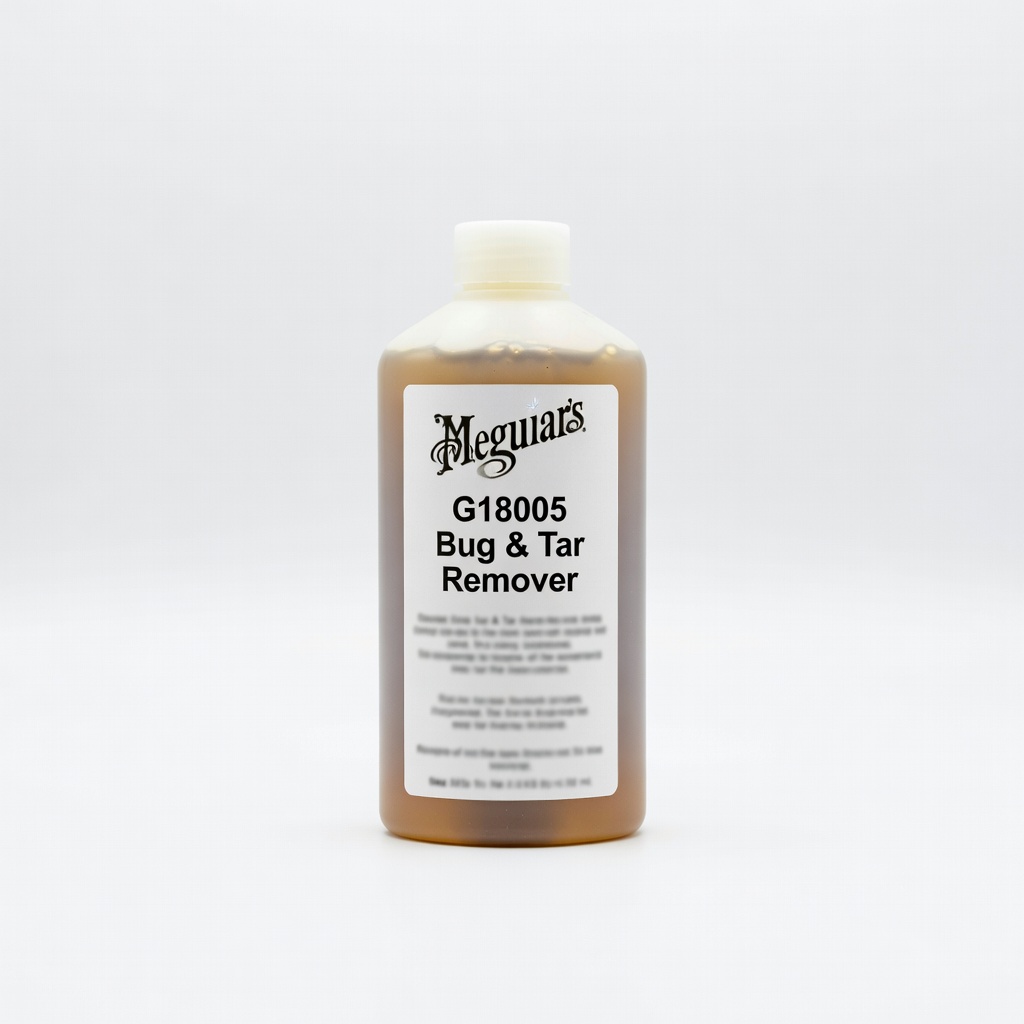
Road tar, bugs, or sap mixed with adhesive.
Meguiar's G18005 Bug & Tar Remover Pleasant citrus scent, clings to vertical surfaces, safe for all paint types.
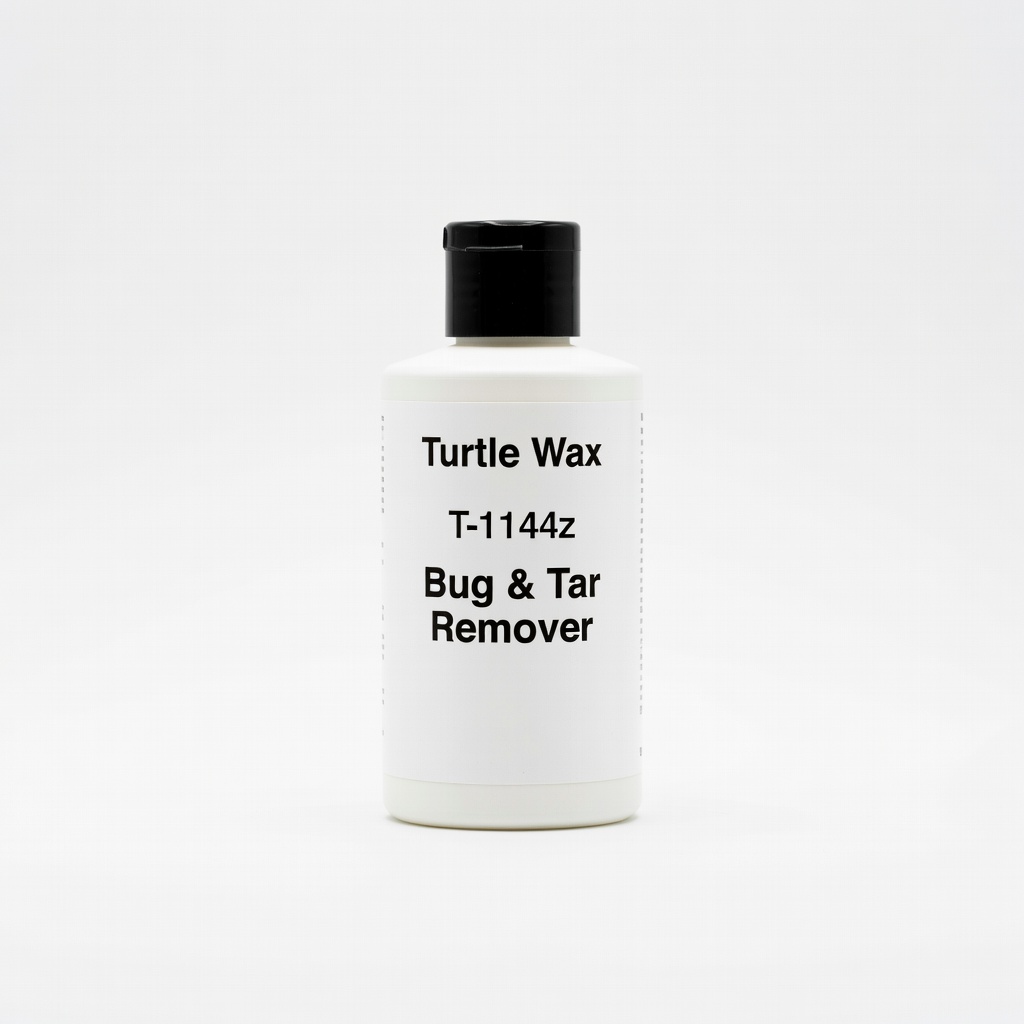
Light residues on beginners' first tries.
Turtle Wax T-1144z Bug & Tar Remover Budget-friendly, water-based for mild action, rinses easily.