
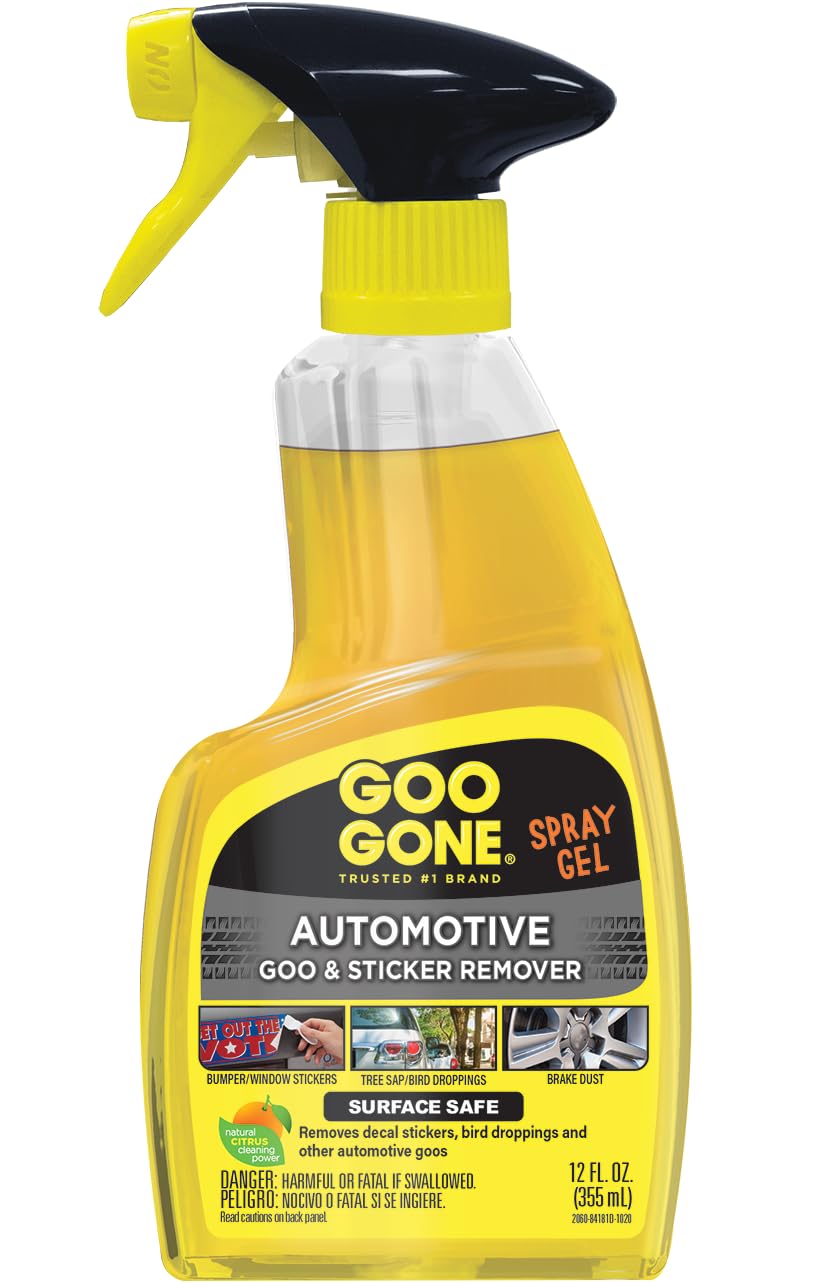
Goo Gone Automotive Goo & Adhesive Remover
Stickers, tape, light tar on body panels.
$8-12
Goo Gone Automotive Goo & Adhesive Remover Citrus-based, explicitly safe for paint, clear coats, and PPF; non-abrasive gel clings well.
Get the App
Better experience on mobile
Learn which adhesive removers protect car paint and PPF, with step-by-step safe removal guide for flawless results.
Nothing ruins a fresh car detail faster than sticky residue from stickers, tape, or vinyl wraps damaging your paint or paint protection film (PPF). Harsh removers can strip wax, etch clear coats, or dull finishes, leading to costly repairs. This guide explains safe adhesive removers and how to use them without harm.
You'll learn the science behind adhesives and paint risks, types of safe removers, testing methods, and application steps. Expect intermediate skills like basic detailing knowledge. In 20-30 minutes, you'll confidently remove gunk from bumpers, mirrors, or wheels.
Whether restoring a classic or maintaining a daily driver, these insights prevent damage while saving time and money.
Estimated Time: 20-30 minutes per application Difficulty: intermediate
Adhesives on vehicles range from water-based stickers to heavy-duty vinyl wraps or road tar. Water-based dissolve easily with soap, but solvent-based (like 3M tape) bond deeply to paint.
Why it matters: Wrong remover can dissolve paint binders, causing haze or color loss. Expect residue that's gummy or tarry—test first.
Park in shade; heat bakes adhesive harder.
💡 Tips:
⚠️ Warnings:
Car paint has a clear coat (2-3 mils thick) protecting color layers; PPF adds hydrophobic urethane film. Acids or abrasives etch both.
Safe removers use citrus oils, hydrocarbons, or alcohols that evaporate fast without penetrating. Why? They break adhesive polymers without solvating paint resins.
Inspect for swirl marks or thin spots—older paint needs gentler options.
💡 Tips:
Look for 'automotive-safe' labels with d-limonene (citrus), soy esters, or AK-225 (non-chlorinated). Avoid acetone, MEK, or toluene—they melt paint.
Examples: Citrus gels cling to vertical surfaces; sprays for quick jobs. Analogy: Like olive oil loosening gum from hair without pulling.
Read SDS sheets for VOCs under 500g/L.
💡 Tips:
⚠️ Warnings:
Spray remover on hidden spot (under hood, wheel well). Wait 2 minutes, wipe, check for dulling/haze under light.
Why? Paint varies by make/year. Expect no change if safe; rinse with soap after.
Double-test PPF by water-sheeting—if beads gone, reapply sealant later.
💡 Tips:
Apply remover liberally; let dwell 1-5 minutes (heat if needed). Use plastic scraper at 45° angle to lift edge.
Why matters: Mechanical lift reduces chemical exposure. Expect residue balling up—don't rub.
Wipe with microfiber soaked in remover.
💡 Tips:
⚠️ Warnings:
Rinse with car soap; clay bar stubborn spots. Dry thoroughly.
Why? Remover residue attracts dirt. Inspect under LED light for haze.
Polish lightly if needed (e.g., 1:10 compound dilution).
💡 Tips:
Apply PPF-safe sealant or wax. Monitor for 24 hours.
Prevents re-adhesion; restores hydrophobics. Your car now resists future gunk.
💡 Tips:
Problem: Haze or dull spot after removal
Solution: Polish with microfiber pad + compound; if persists, professional buff.
Problem: Adhesive not budging
Solution: Increase dwell time or add low heat; switch to tar-specific remover.
Problem: PPF bubbling/peeling
Solution: Stop immediately; use only PPF-approved products like Gyeon.
Problem: Residue smears
Solution: Use fresh cloth; rinse more aggressively.
Citrus-based, explicitly safe for paint, clear coats, and PPF; non-abrasive gel clings well.
Best for: Stickers, tape, light tar on body panels.
Price Range: $8-12
Pro-grade, fast-evaporating, no residue; trusted by detailers for all paints.
Best for: Heavy vinyl wraps or emblems.
Price Range: $15-20
Water-based with citrus, versatile for interior/exterior; won't harm PPF.
Best for: Quick jobs on glass, trim, paint.
Price Range: $12-18
Hydrocarbon solvent safe for clear coats; emulsifies tar/adhesives instantly.
Best for: Road tar mixed with adhesive.
Price Range: $10-15
Penetrating formula gentle on paint; budget-friendly for routine use.
Best for: Bugs + adhesive combos on fronts.
Price Range: $7-10
Stickers, tape, light tar on body panels.
Goo Gone Automotive Goo & Adhesive Remover Citrus-based, explicitly safe for paint, clear coats, and PPF; non-abrasive gel clings well.
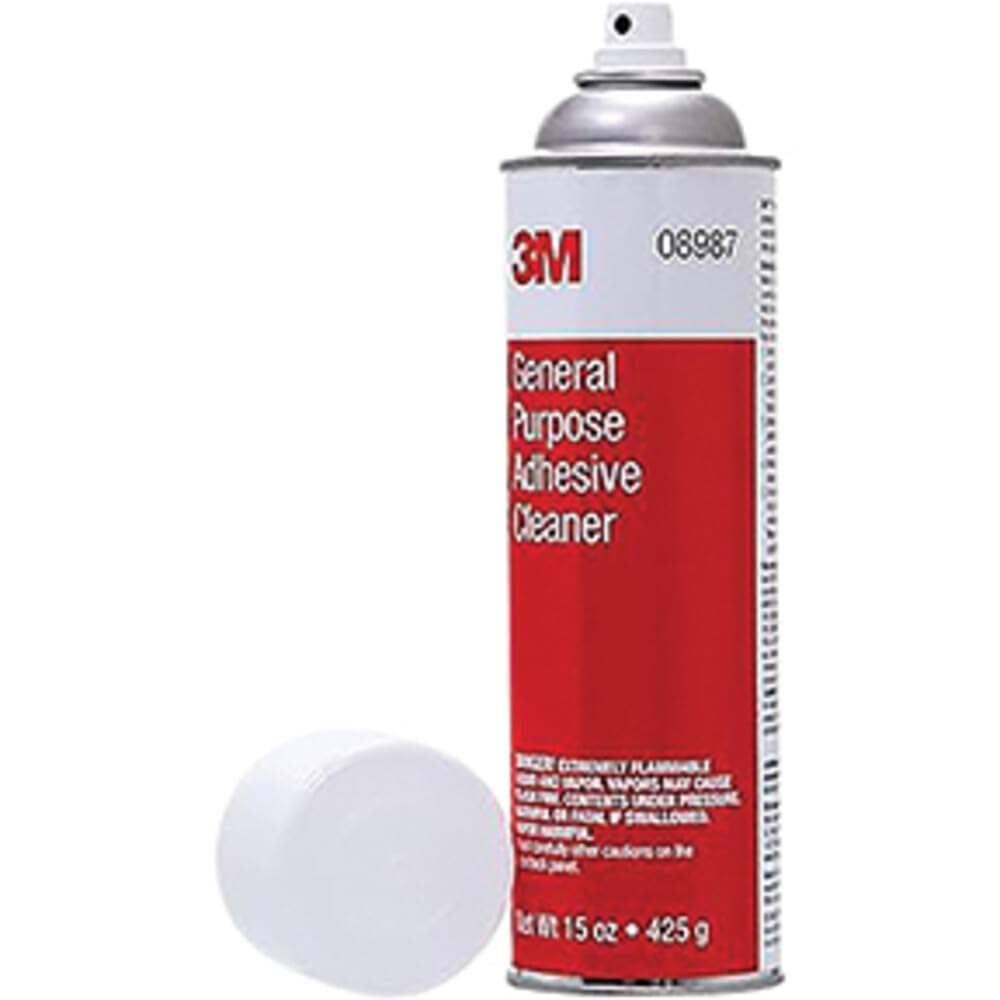
Heavy vinyl wraps or emblems.
3M General Purpose Adhesive Cleaner Pro-grade, fast-evaporating, no residue; trusted by detailers for all paints.
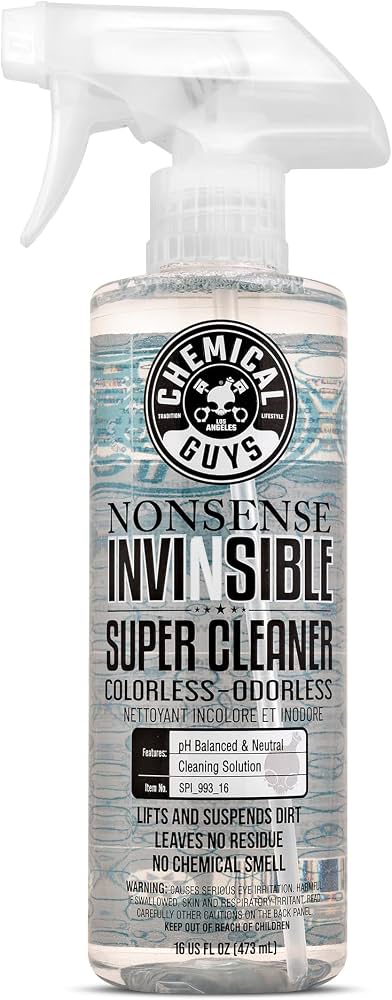
Quick jobs on glass, trim, paint.
Chemical Guys Nonsense All Surface Cleaner Water-based with citrus, versatile for interior/exterior; won't harm PPF.
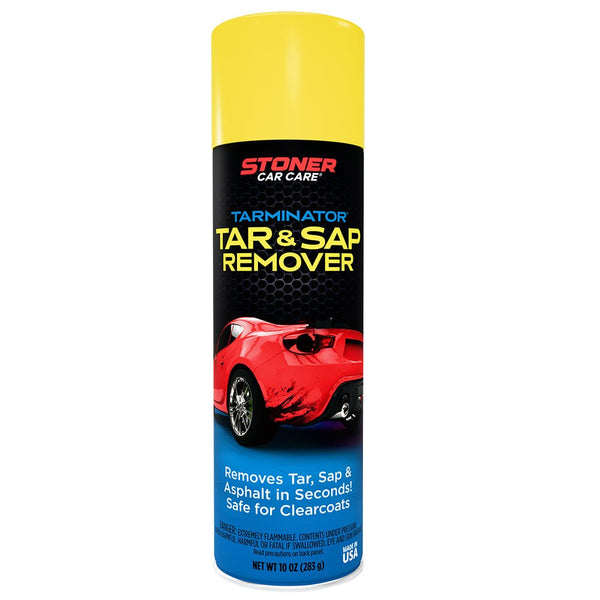
Road tar mixed with adhesive.
Stoner Car Care 8034 Tarminator Hydrocarbon solvent safe for clear coats; emulsifies tar/adhesives instantly.
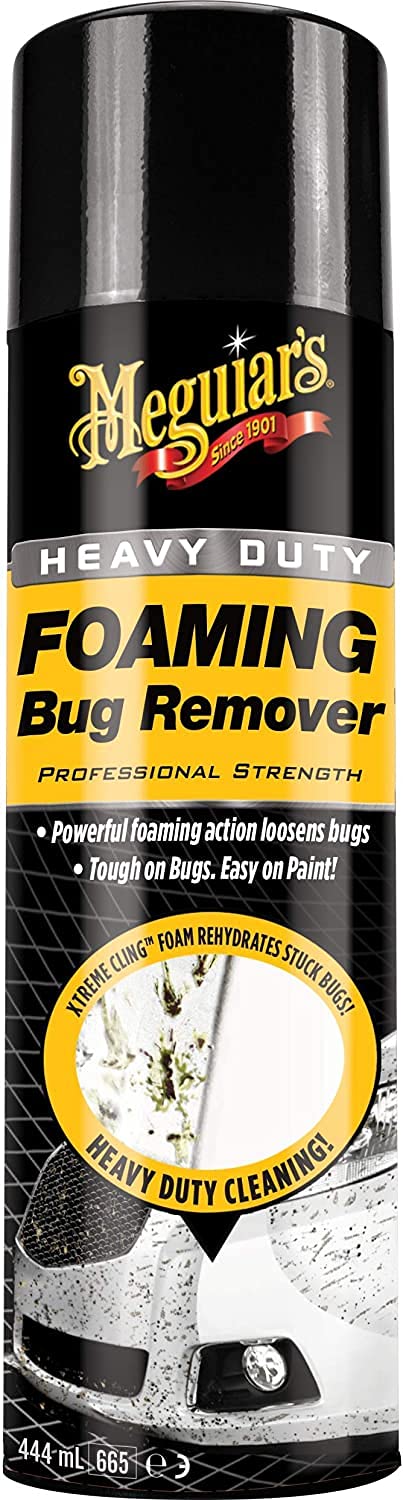
Bugs + adhesive combos on fronts.
Meguiar's G1805 Bug & Tar Remover Penetrating formula gentle on paint; budget-friendly for routine use.