
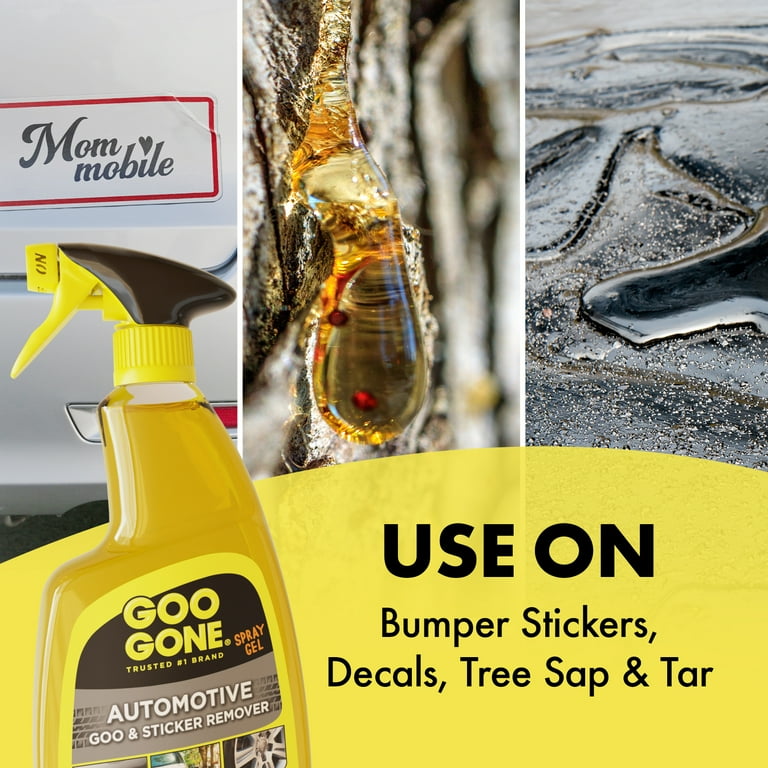
Goo Gone Automotive Adhesive Remover
Everyday stickers, tape on dashboards/seats.
$10-13
Goo Gone Automotive Adhesive Remover Citrus-based, safe for vinyl, leather, and plastic; no harsh fumes or residue.
Get the App
Better experience on mobile
Learn safe adhesive removers for car interiors, how to choose them, and step-by-step removal to avoid damage to vinyl, leather, and plastic.
Sticky residues from stickers, shipping tape, or dealer badges can ruin the look of your car's interior, and harsh scrubbing often damages delicate surfaces like leather seats, vinyl dashboards, or plastic trim. As a beginner, you might worry about chemicals harming your vehicle, but the right adhesive remover makes cleanup easy and safe.
In this guide, you'll discover the best adhesive removers for car interiors, understand key types (citrus-based vs. solvent), and follow simple steps to remove gunk without streaks or discoloration. Expect a quick process—most jobs take 15-30 minutes—with no advanced skills needed.
By the end, your car will look showroom fresh, and you'll know how to tackle future messes confidently.
Estimated Time: 15-30 minutes per sticky spot Difficulty: beginner
Start by examining the sticky spot: Is it from a sticker, tape, or gum? Note the surface—leather (porous, needs gentle care), vinyl/plastic (durable but scratches easily), or fabric/upholstery (absorbs liquids).
Why it matters: Not all removers work on every material. Harsh solvents can crack plastic or fade leather dyes. Expect to spend 2 minutes inspecting; use your phone's flashlight for close-ups.
This prevents damage and ensures the right product choice.
💡 Tips:
Adhesive removers fall into categories: Citrus-based (natural, like orange oil, safe for most interiors), solvent-based (strong like acetone, for tough jobs but test first), or gel formulas (stay in place on vertical surfaces).
For cars, prioritize automotive-grade ones labeled 'interior safe' to avoid residue or fumes. Analogy: Citrus is like mild soap for dishes; solvents are like heavy-duty degreaser.
Pick based on residue strength—light stickers need citrus; tar-like gunk needs solvent.
💡 Tips:
⚠️ Warnings:
Lay down towels to protect floors, wear gloves, and open car doors/windows for airflow. Park in shade to prevent remover from drying too fast.
Why? Fumes can irritate, and heat bakes in residue. Expect a fresh citrus or chemical smell that fades quickly.
Prep time: 1 minute.
Apply a small drop of remover to a hidden area (under seat, door jamb) with a microfiber cloth. Wait 1-2 minutes, then wipe and check for color change, stickiness, or dulling.
This is crucial for beginners—car interiors vary by model/year. If safe, proceed; if not, try another product.
Like a fabric swatch test before dyeing curtains.
⚠️ Warnings:
Spray or dab remover directly on the sticky area, saturating it. Let sit 1-5 minutes (check product instructions)—it breaks adhesive bonds chemically.
Why wait? Rushing leaves residue. For vertical surfaces, use gel types. You'll see edges loosening.
💡 Tips:
Use plastic scraper at 45-degree angle to lift residue—never metal. Wipe with clean microfiber in circular motions.
Repeat if needed. Buff dry immediately to avoid water spots. Expect clean surface or light haze (wipes off).
⚠️ Warnings:
Wipe with isopropyl alcohol-dampened cloth for residue-free shine, then dry buff. Vacuum nearby for dust.
Final step restores luster. Your interior now smells fresh and looks new—no sticky spots!
💡 Tips:
Problem: Residue won't budge after 5 minutes
Solution: Apply more remover, wait longer (up to 10 min), or switch to stronger solvent type. Agitate with soft brush.
Problem: Hazy film left behind
Solution: Wipe with isopropyl alcohol or glass cleaner. Buff vigorously with dry microfiber.
Problem: Surface discolored
Solution: Stop use; wipe immediately with water. If permanent, consult auto detailer for dye match.
Problem: Strong fumes causing headache
Solution: Ventilate better next time; use mask. Switch to low-VOC citrus options.
Citrus-based, safe for vinyl, leather, and plastic; no harsh fumes or residue.
Best for: Everyday stickers, tape on dashboards/seats.
Price Range: $10-13
Professional-strength yet interior-safe; fast-acting on tough adhesives without damaging finishes.
Best for: Dealer badges, heavy tape residue on trim.
Price Range: $15-20
Versatile for adhesive-like tar/stickers; pleasant smell, rinses clean.
Best for: Sticky spills or outdoor residue tracked inside.
Price Range: $8-12
Non-toxic, streak-free; excels on interiors without oily residue.
Best for: Light adhesives on fabric/upholstery.
Price Range: $12-16
Gentle, non-flammable formula perfect for beginners; safe on most car materials.
Best for: Kids' stickers on seats or toys.
Price Range: $7-10
Everyday stickers, tape on dashboards/seats.
Goo Gone Automotive Adhesive Remover Citrus-based, safe for vinyl, leather, and plastic; no harsh fumes or residue.
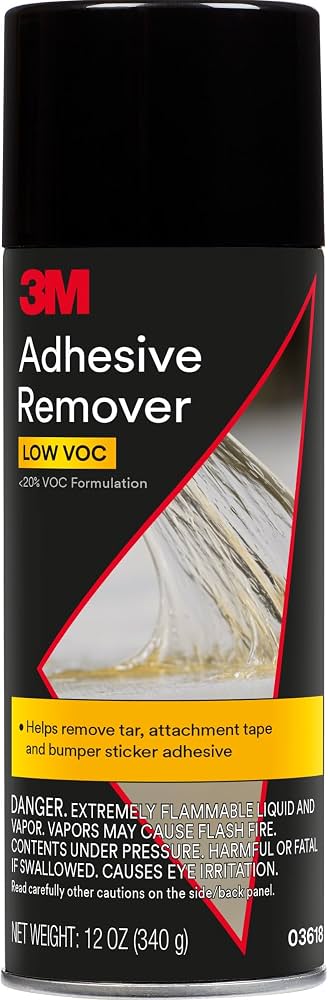
Dealer badges, heavy tape residue on trim.
3M Adhesive Remover 38908 Professional-strength yet interior-safe; fast-acting on tough adhesives without damaging finishes.
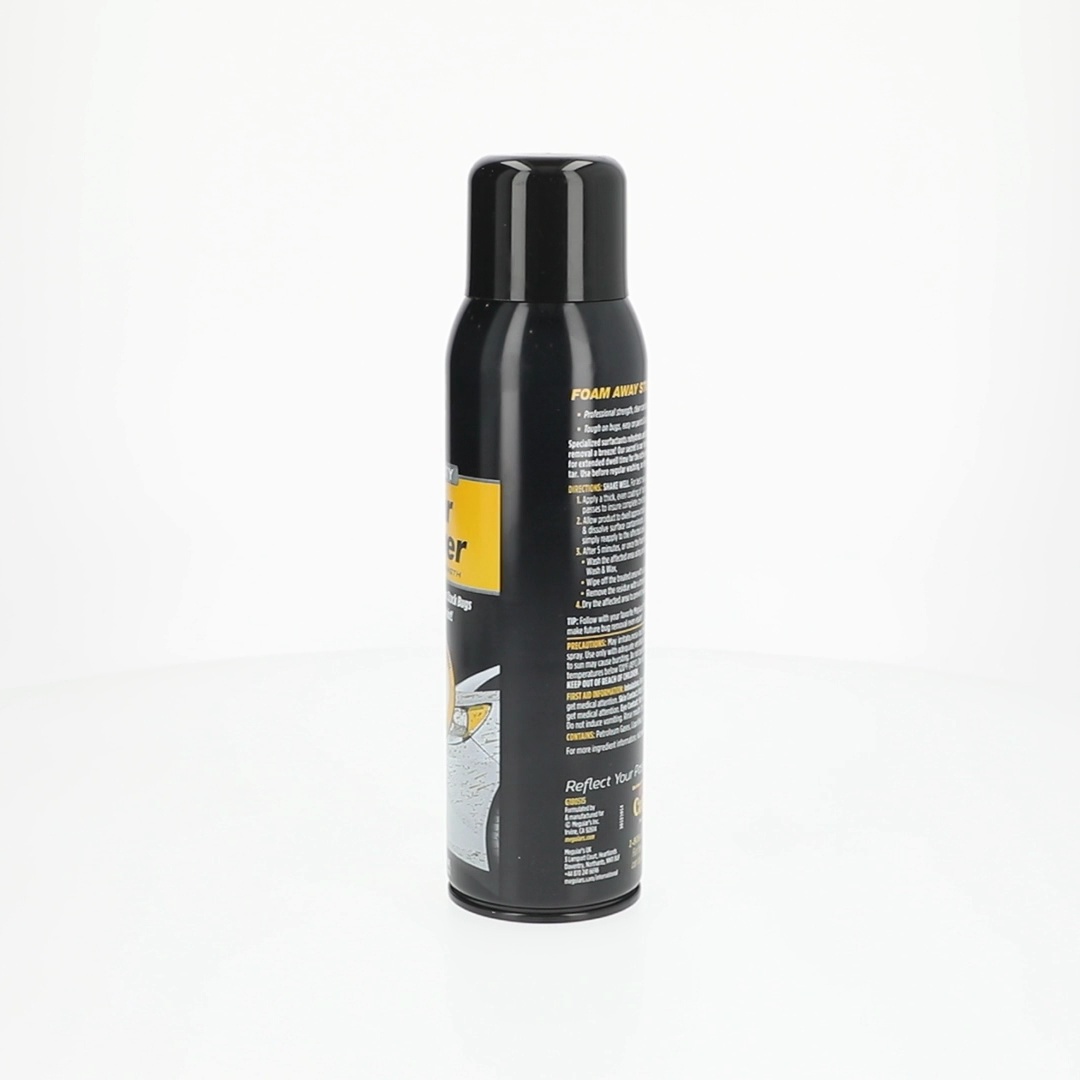
Sticky spills or outdoor residue tracked inside.
Meguiar's G18005 Bug & Tar Remover Versatile for adhesive-like tar/stickers; pleasant smell, rinses clean.
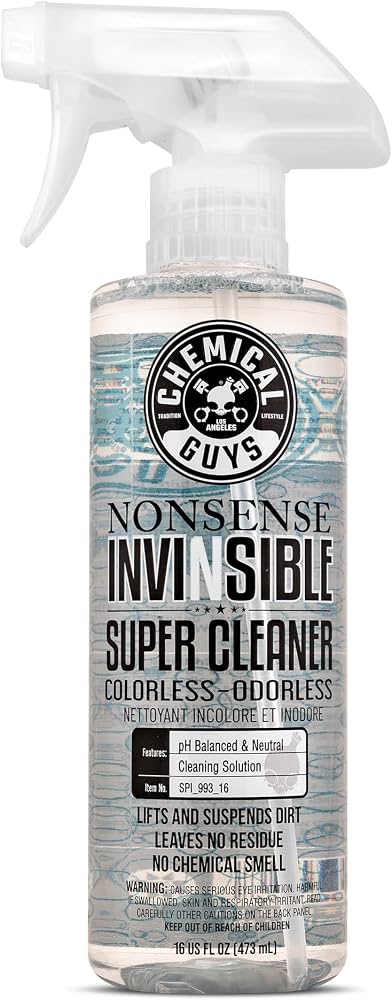
Light adhesives on fabric/upholstery.
Chemical Guys Nonsense All Surface Cleaner Non-toxic, streak-free; excels on interiors without oily residue.
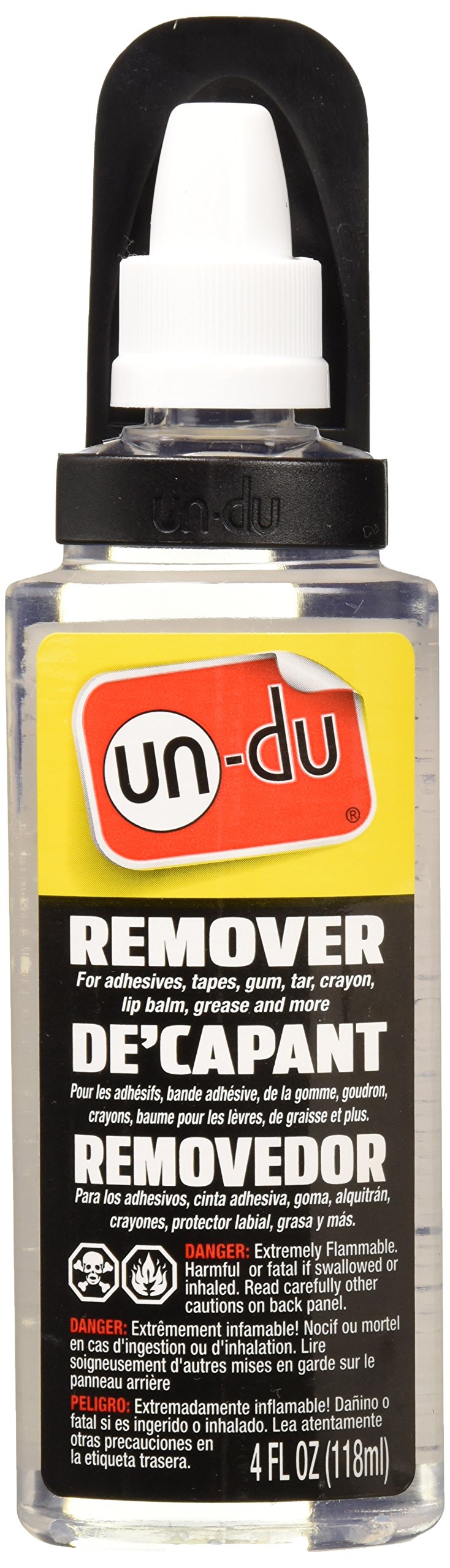
Kids' stickers on seats or toys.
Un-Du Sticker Remover Gentle, non-flammable formula perfect for beginners; safe on most car materials.