Silicone sealant is a DIY favorite for bathrooms, kitchens, and windows, but removing cured silicone can turn into a nightmare. Scraping alone scratches surfaces, while harsh solvents risk burns, fumes, or discoloration on tiles, glass, or metal. You've likely faced gooey residue that won't budge.
This guide explains what adhesive removers truly work on silicone sealant, why they succeed (or fail), and how to use them safely. You'll learn silicone's chemistry, safe solvent types, and step-by-step removal—achieving clean surfaces in under an hour. Perfect for intermediate DIYers with basic tool knowledge; no pro skills needed.
Expect clear analogies (like how oil dissolves grease), real-world examples, and vetted products to skip trial-and-error.
▸What You'll Need
- •Safety gear: Nitrile gloves, safety goggles, respirator mask (N95 or better)
- •Tools: Plastic scraper or putty knife, microfiber cloths, plastic sheeting
- •Adhesive remover (specific types detailed in steps)
- •Optional: Heat gun (low setting), dish soap for final rinse
- •Prerequisite knowledge: Basic understanding of surface types (porous vs. non-porous)
Estimated Time: 20-45 minutes per removal job (plus 10-15 minutes reading)
Difficulty: intermediate
▸Step-by-Step Instructions
Step 1: Understand Silicone Sealant's Resistance
Silicone sealant cures into a rubber-like polymer via cross-linking, making it waterproof and flexible—but tough to remove. Think of it like trying to dissolve cooked egg with water: it needs solvents that break polymer chains.
Common cleaners (soap, vinegar) fail because silicone repels water. Mechanical scraping alone leaves haze. Safe removers use solvents like hydrocarbons or citrus oils that swell/dissolve it without aggression.
What to expect: Residue softens in 5-30 minutes, scrapes off cleanly.
💡 Tips:
- •Test silicone age: Fresh (wet) wipes off; cured (1-2 days+) needs solvents.
⚠️ Warnings:
- •Never use on plastics—silicone solvents melt them.
Step 2: Gear Up for Safety
Silicone removers emit VOCs (volatile organic compounds) that irritate skin/eyes/lungs. Analogy: Like gasoline fumes at a pump—ventilate!
Wear nitrile gloves (latex degrades), goggles, and mask. Work in well-ventilated area or outdoors. Cover nearby surfaces with plastic.
Why it matters: Prevents burns, allergies, or inhalation risks common with toluene/xylene-based options.
💡 Tips:
- •Use a fan to direct fumes away.
Step 3: Mechanically Prep the Sealant
Score cured silicone with a utility knife or razor blade to break the surface skin—don't gouge the substrate. Then, use a plastic scraper to lift 70-90% bulk.
This step reduces remover needed, speeding dissolution. Expect rubbery chunks; it's normal.
Real-world tip: Heat gently (150°F) with a heat gun to soften first—like warming gum for easier chew.
⚠️ Warnings:
- •Avoid metal tools on soft surfaces (e.g., acrylic tubs)—use plastic.
Step 4: Choose Solvent-Based Removers
Effective removers contain mineral spirits, d-limonene (citrus), or naphtha—these penetrate silicone's siloxane bonds. Avoid acetone (dries it out) or bleach (ineffective).
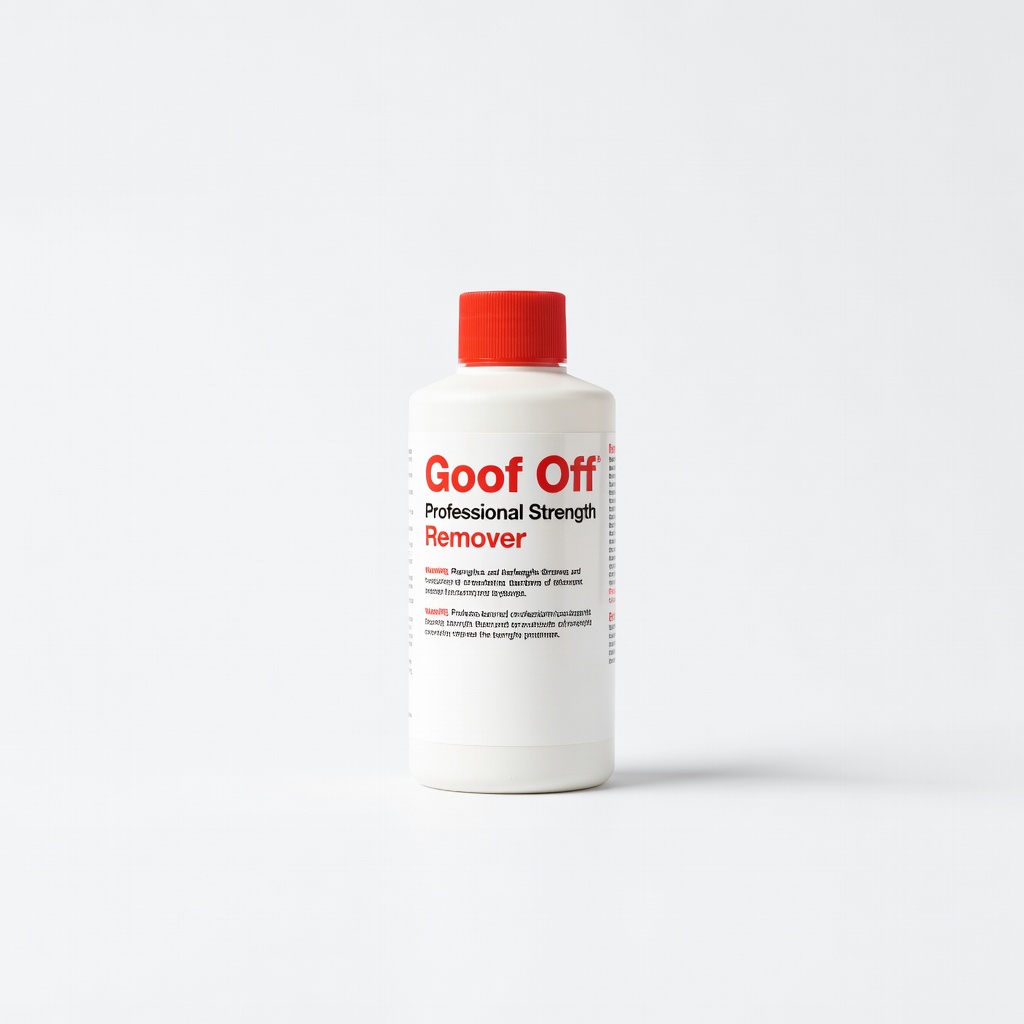
Hierarchy: Pro-strength (fastest, e.g., Goof Off), citrus (safer smell), mineral spirits (budget). They 'dissolve' by swelling polymers for scraping, not instant vanish.
Test patch first: Apply, wait 5 min, wipe.
💡 Tips:
- •For glass/metal: Any; tiles: Citrus to avoid etch.
Step 5: Apply the Remover
Soak a cloth in remover, press onto residue 5-15 minutes (check label). For thick spots, dab and cover with plastic wrap to trap vapors.
Why dwell time? Solvents migrate in, breaking chains—like soaking a label off a jar.
Expect bubbling or softening; reapply if needed.
⚠️ Warnings:
- •Don't let dry—evaporation slows process.
Step 6: Scrape and Wipe Residue
Gently scrape softened silicone—it should glide off. Wipe with fresh remover-damp cloth. Repeat for haze.
Final rinse: Dish soap + water to neutralize solvents.
Success sign: Shiny, residue-free surface.
💡 Tips:
- •Buff with microfiber for polish.
Step 7: Dispose and Ventilate
Collect waste in sealed bag (silicone doesn't biodegrade fast). Air out area 1-2 hours.
Why? Lingering VOCs cause headaches; proper disposal avoids clogs.
⚠️ Warnings:
- •Never pour remover down drain—flammable.
▸Pro Tips
- •Work in sections to keep remover wet.
- •Citrus removers cut grease too—bonus for grout.
- •Freeze spray cans soften silicone without heat.
- •Mix 50/50 mineral spirits + paint thinner for custom strength.
- •For pros: Use in 70°F+ temps for faster action.
- •Store removers sealed—volatiles evaporate.
- •Pair with new sealant application for seamless re-do.
▸Common Mistakes to Avoid
- •Skipping ventilation: Leads to dizziness—always mask up.
- •Using ammonia/bleach: No effect on silicone, damages grout.
- •Rushing dwell time: Residue returns—patience pays.
- •Metal scraping first: Scratches porcelain—plastic only.
- •Ignoring surface test: Melts paint/plastic—always patch test.
▸Troubleshooting
Problem: Remover not softening silicone
Solution: Cured >1 year? Use stronger formula or longer dwell (30+ min). Mechanical prep insufficient.
Problem: Hazy residue left
Solution: Polish with fresh remover + baking soda paste. Rinse thoroughly.
Problem: Skin irritation or fumes too strong
Solution: Switch to citrus-based; improve ventilation. Seek fresh air if dizzy.
Problem: Surface damage
Solution: Tested wrong? Mild soap buff for etch. Pro refinishing for deep damage.
Goof Off Professional Strength Remover
Potent solvent blend (xylene-free version available) excels at swelling cured silicone fast without methylene chloride hazards.
Best for: Tough bathroom/kitchen jobs on non-porous surfaces.
Price Range: $9.98
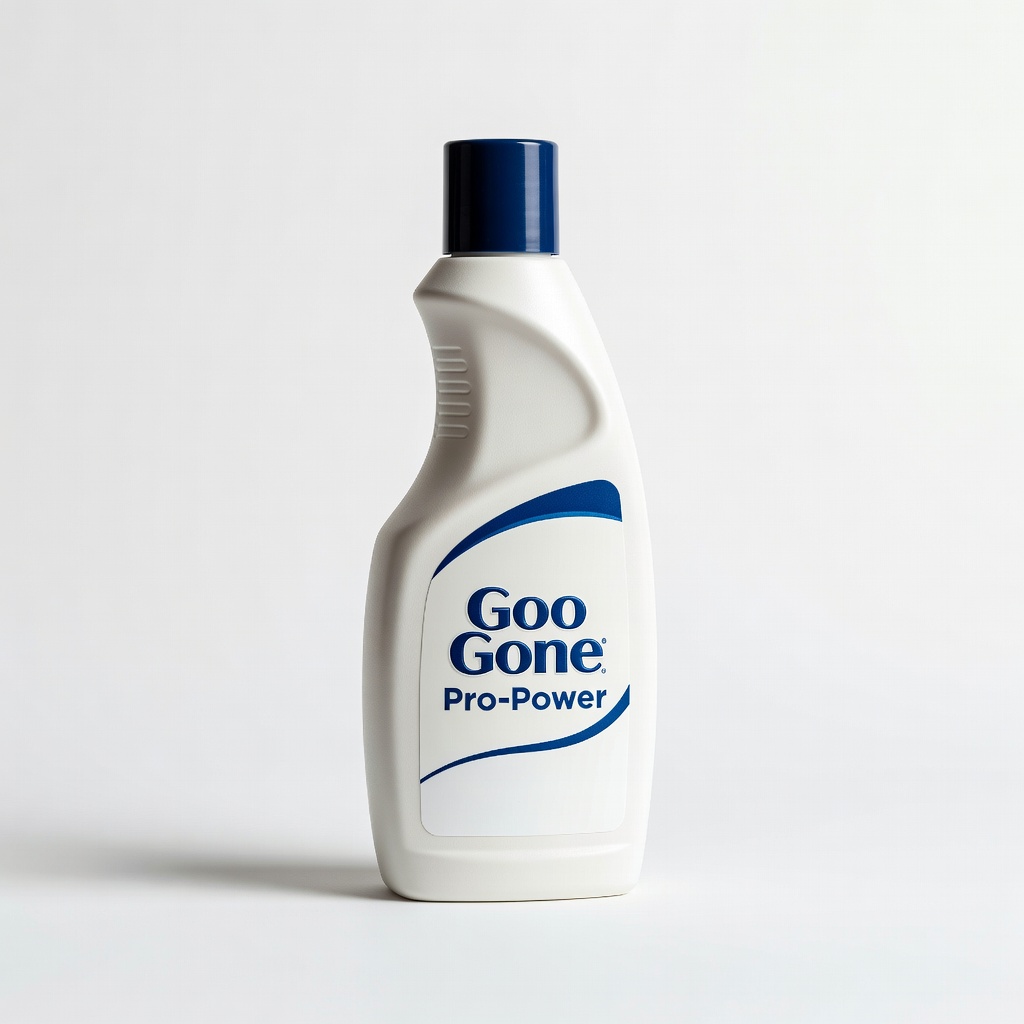
Goo Gone Pro-Power
Citrus-powered, low-VOC formula safely dissolves adhesives including silicone; pleasant smell, no harsh residue.
Best for: Indoor use near food areas or sensitive noses.
Price Range: $11.98
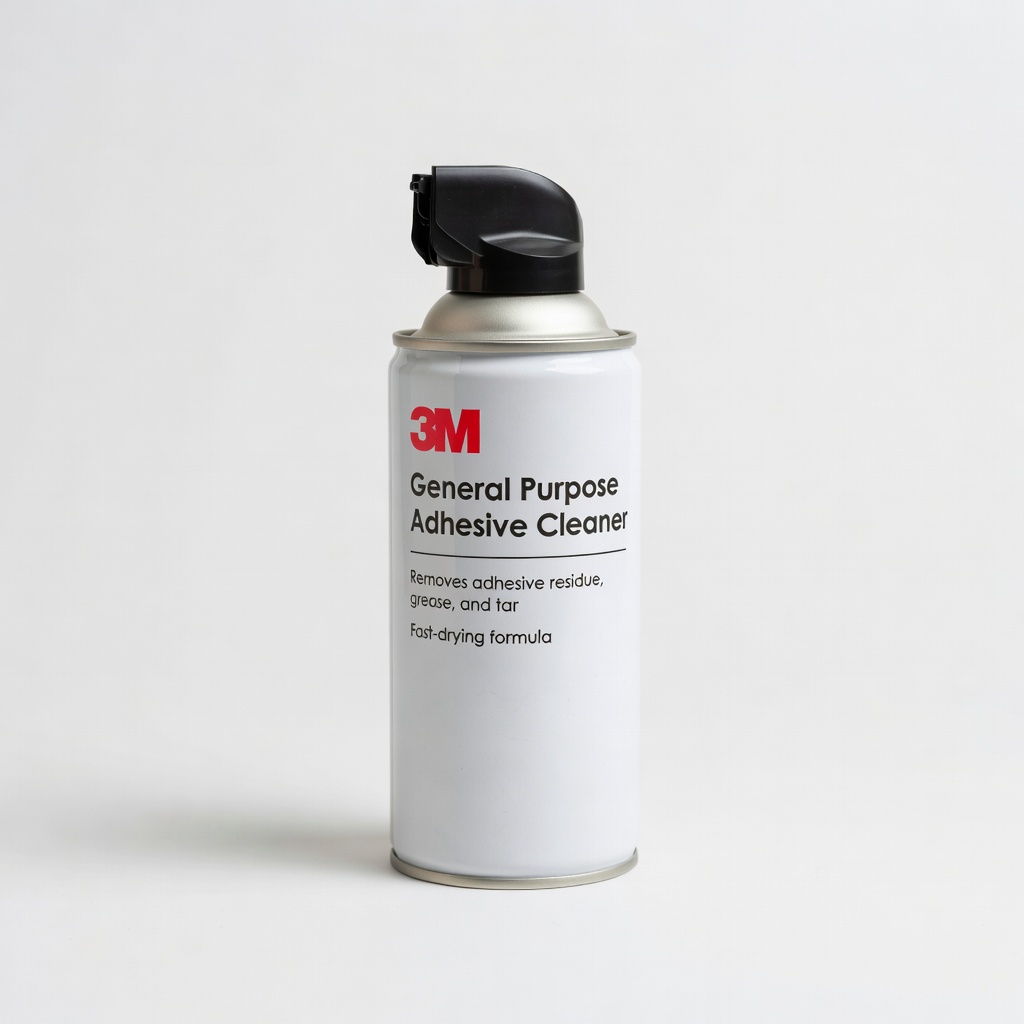
3M General Purpose Adhesive Cleaner
Fast-evaporating, plastic-safe formula removes silicone residue cleanly; trusted pro brand.
Best for: Precision work on glass, metal, auto trim.
Price Range: $15.99
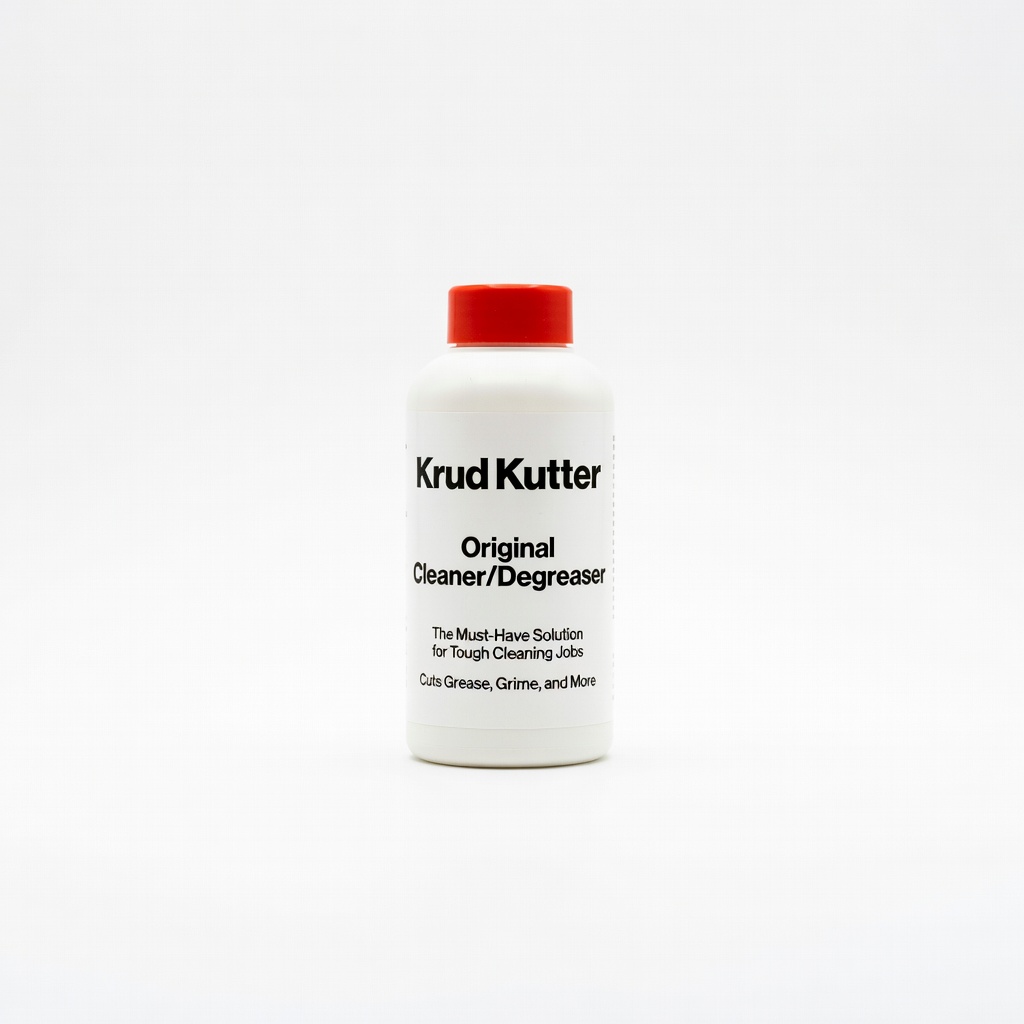
Krud Kutter Original Cleaner/Degreaser
Bio-based, non-toxic alternative that softens silicone effectively; safe for most surfaces.
Best for: Eco-friendly option for families/pets.
Price Range: $9.48
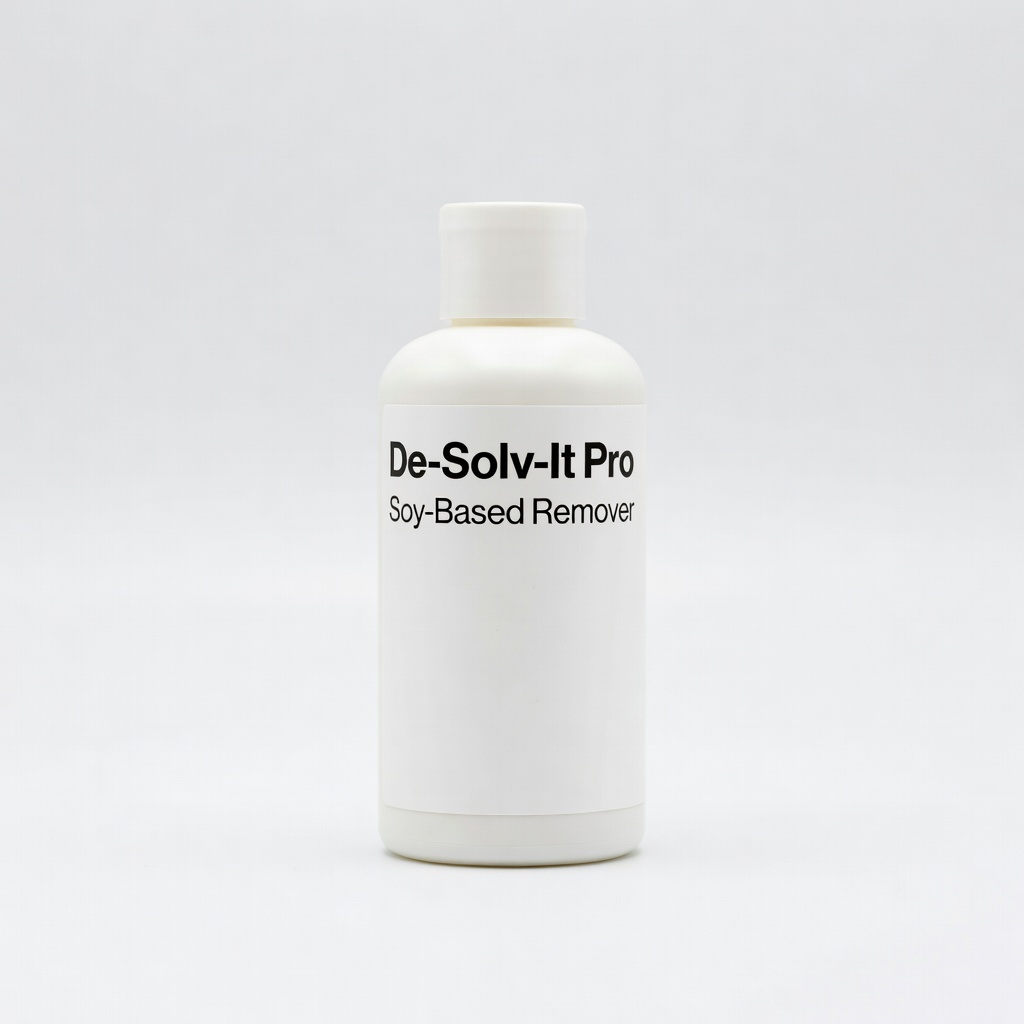
De-Solv-It Pro Soy-Based Remover
Soy/citrus blend dissolves tough sealants gently; biodegradable and low odor.
Best for: Natural preference on painted/wood surfaces.
Price Range: $14.99