Sticky labels, tape, or gum on your favorite leather bag, jacket, or car seat can be frustrating. Using the wrong adhesive remover—like harsh solvents or acetone—can dry out, crack, or discolor delicate leather, turning a quick fix into an expensive mistake. This guide helps beginners safely tackle adhesive removal.
You'll learn why leather needs special care, which removers are safe (household and commercial), how to test them, and a foolproof application process. No advanced skills required—just 10-15 minutes to read and apply these tips to protect your leather items for years.
Expect simple explanations, real-world examples, and product recs that actually work without harming leather.
▸What You'll Need
- •Soft microfiber cloths or cotton swabs (required for application)
- •Mild dish soap like Dawn (required for pre-clean)
- •Leather conditioner (required for aftercare)
- •Gloves (optional, for sensitive skin)
- •Small bowl of warm water (required)
Estimated Time: 10-15 minutes to read; 20-30 minutes per application
Difficulty: beginner
▸Step-by-Step Instructions
Step 1: Understand Why Leather is Sensitive to Adhesives and Removers
Leather is porous and made of natural animal hide treated with oils and tannins. Harsh chemicals strip these oils, causing cracking—like a sponge drying out and crumbling. Adhesives bond tightly due to leather's texture, but safe removers dissolve them gently.
Analogy: Think of leather like human skin—moisturize it, don't scrub with paint thinner. This knowledge prevents damage before you start.
Expect to spot risky removers (e.g., nail polish remover with acetone).
💡 Tips:
- •Know your leather type: Aniline (smooth) is most sensitive; coated (faux-like) is tougher.
Step 2: Identify Common Adhesives on Leather
Adhesives vary: Sticker glue (rubber-based), duct tape (solvent-based), gum (chewy polymer), or automotive labels (strong acrylic). Each needs a matching remover—water for water-based, oil for sticky oils.
Why it matters: Wrong match leaves residue, like oil on water. Examples: Price stickers on bags (easy), car dealer tags (tougher).
⚠️ Warnings:
- •Avoid guessing—scrape gently first with plastic scraper to classify.
Step 3: Know What to Avoid: Unsafe Removers
Steer clear of acetone, paint thinner, gasoline, or undiluted Goo Gone Original—these dissolve leather like acid on paper. Example: Acetone in nail polish remover bleached a user's leather couch.
Safe rule: No petroleum distillates or strong solvents unless labeled 'leather-safe'.
Step 4: Safe Household Removers to Try First
Start with gentle options: 1:1 diluted rubbing alcohol (70-91% isopropyl), baby oil/olive oil for oily glues, or warm soapy water. Why safe: They evaporate or absorb without stripping oils.
How: Dab, wait 1-2 min, wipe. Expect 80% success on light residue.
💡 Tips:
- •Oil works like 'lubricates' the glue—great for stickers.
Step 5: Explore Commercial Leather-Safe Products
For stubborn spots, use products formulated for leather interiors. They balance solvents with conditioners. See recommendations section for top picks.
Why better: Tested for no damage, faster action. Expect clean removal in 5 mins.
Step 6: Always Test on an Inconspicuous Area
Critical step: Apply remover to hidden spot (inside seam). Wait 5-10 mins, check for color change or stickiness.
Why? Leather varies by dye/treatment. Analogy: Like allergy test before new food. If safe, proceed.
⚠️ Warnings:
- •Never skip—5% of leathers react unexpectedly.
Step 7: Apply the Remover Step-by-Step
- •Scrape excess gently with plastic card. 2. Pre-clean with soapy water, dry. 3. Dab remover on cloth/swab (not directly). 4. Work in circles gently 1-2 mins. 5. Wipe with clean damp cloth. Repeat if needed.
Expect gradual lift-off; patience prevents abrasion.
💡 Tips:
- •Use Q-tip for precision on small areas.
Step 8: Condition and Restore Leather After Removal
Apply leather conditioner immediately—massage in, buff off excess. Why: Removers dry leather; conditioner replenishes oils.
Let air dry 1 hour. Your leather looks renewed!
▸Pro Tips
- •Work in small sections to control spread.
- •Use a hairdryer on low to warm adhesive first—makes it pliable.
- •For car leather, vacuum crumbs post-removal.
- •Store leather items dust-free to prevent future stickers.
- •Mix alcohol 50/50 with water for extra gentleness.
- •Pro tip: Freeze gum with ice cube before scraping.
- •Buff with microfiber for streak-free shine.
▸Common Mistakes to Avoid
- •Skipping patch test—leads to discoloration; always test first.
- •Rubbing aggressively—causes scratches; dab and let sit.
- •Using direct harsh solvents—dries leather; dilute or choose safe ones.
- •Forgetting conditioner—leather cracks later; apply every time.
- •Over-saturating—stains deeper; use sparingly.
▸Troubleshooting
Problem: Residue remains after one try
Solution: Repeat with fresh cloth; switch to oil-based if alcohol fails. Wait 5 mins between.
Problem: Leather darkens or discolors
Solution: Wipe with conditioner-damp cloth immediately; if persists, professional cleaner.
Problem: Adhesive spreads
Solution: Blot don't rub; use dry cloth to absorb.
Problem: Strong odors linger
Solution: Air out in ventilated area 24 hours; mild soap rinse.
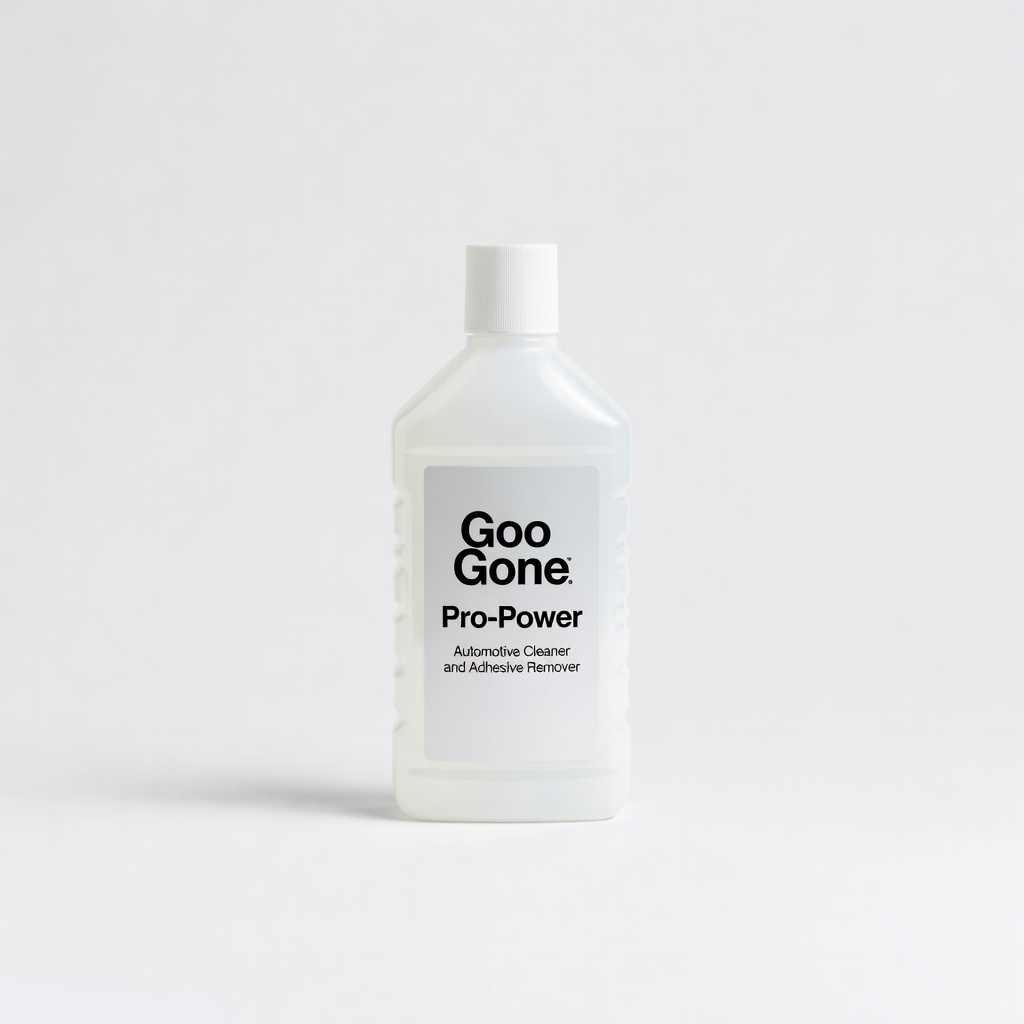
Goo Gone Pro-Power Automotive Cleaner and Adhesive Remover
Formulated for car interiors including leather; citrus-based, no harsh solvents.
Best for: Stubborn automotive stickers or grease on leather seats.
Price Range: $9.99
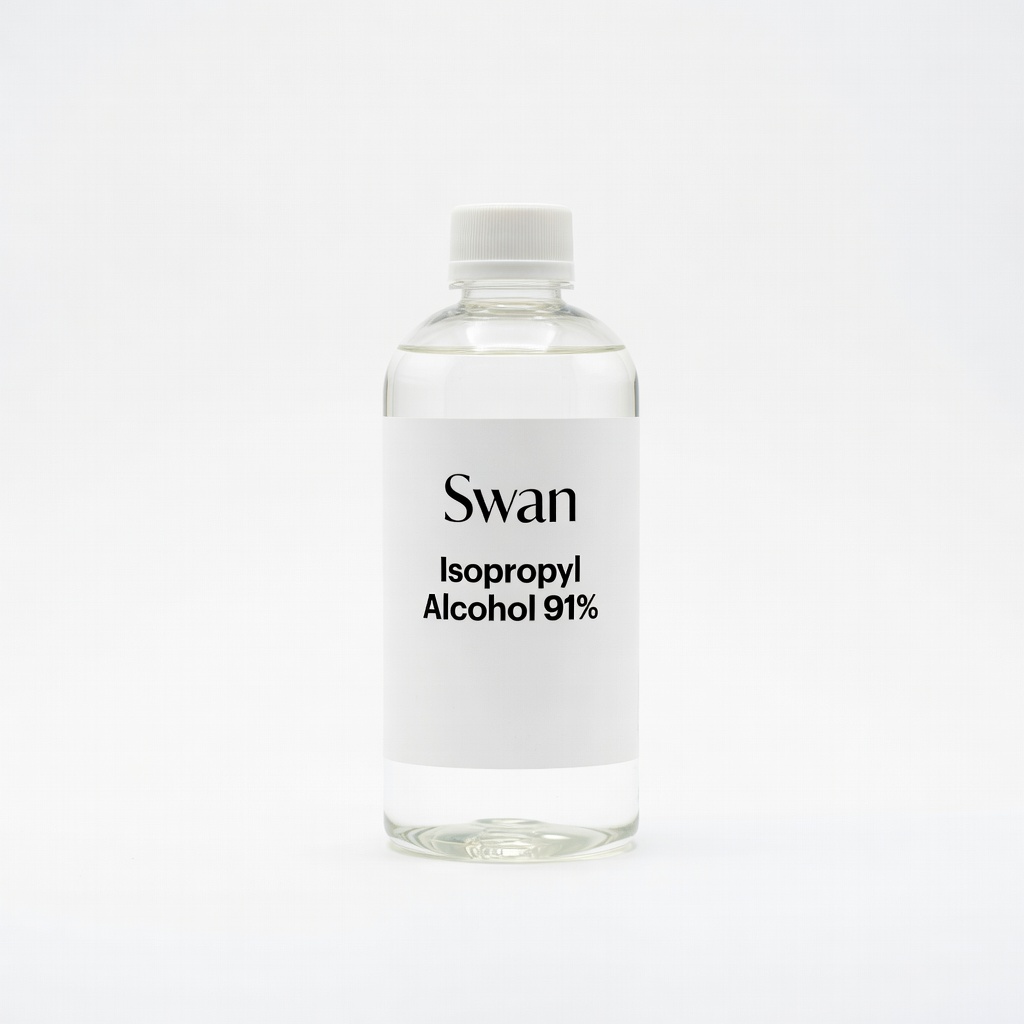
Swan Isopropyl Alcohol 91%
Gentle evaporating solvent safe when diluted; kills bacteria too.
Best for: Light sticker glue or tape residue on bags/jackets.
Price Range: $5.48
Un-Du All Purpose Adhesive Remover
Non-toxic, water-based; safe for leather, fabrics without residue.
Best for: Labels, tape on clothing or furniture leather.
Price Range: $12.99
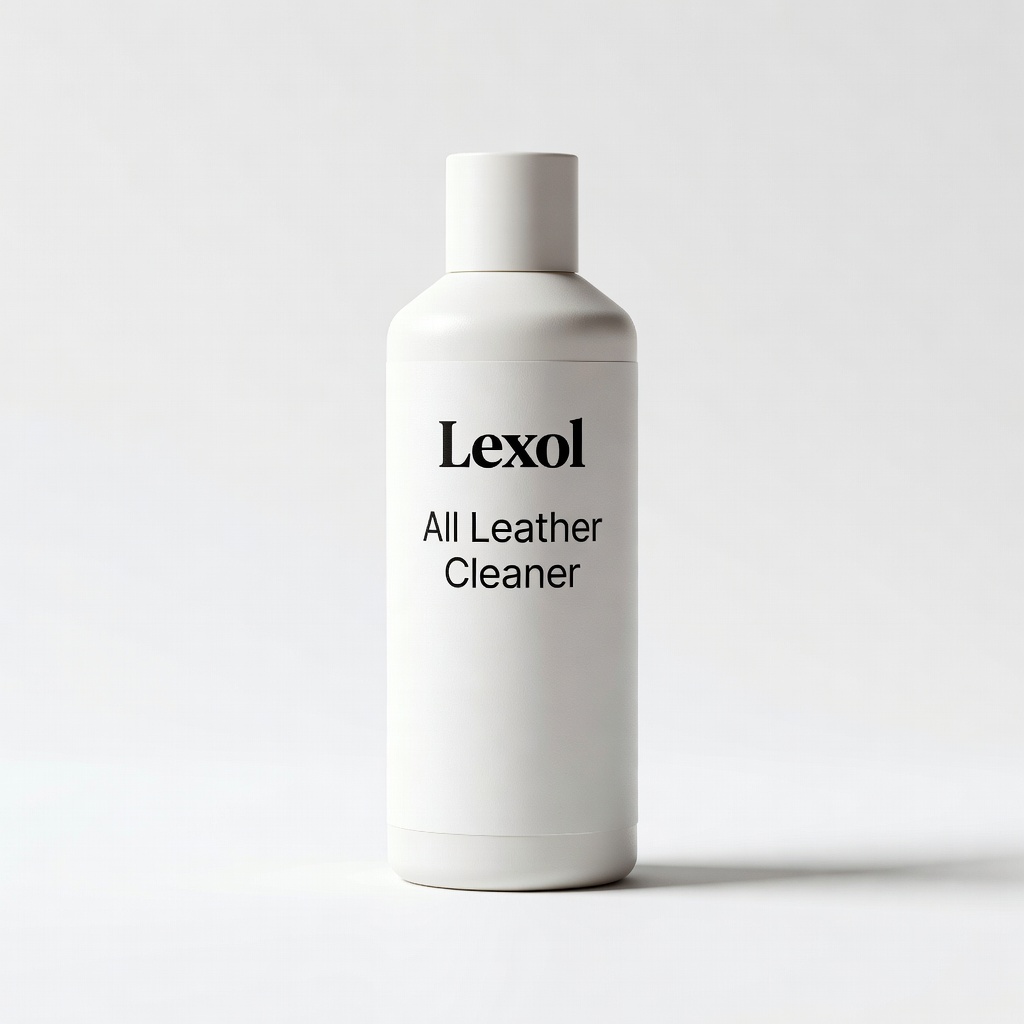
Lexol All Leather Cleaner
pH-balanced with mild solvents; cleans adhesives while conditioning.
Best for: General leather care with adhesive spots.
Price Range: $14.99
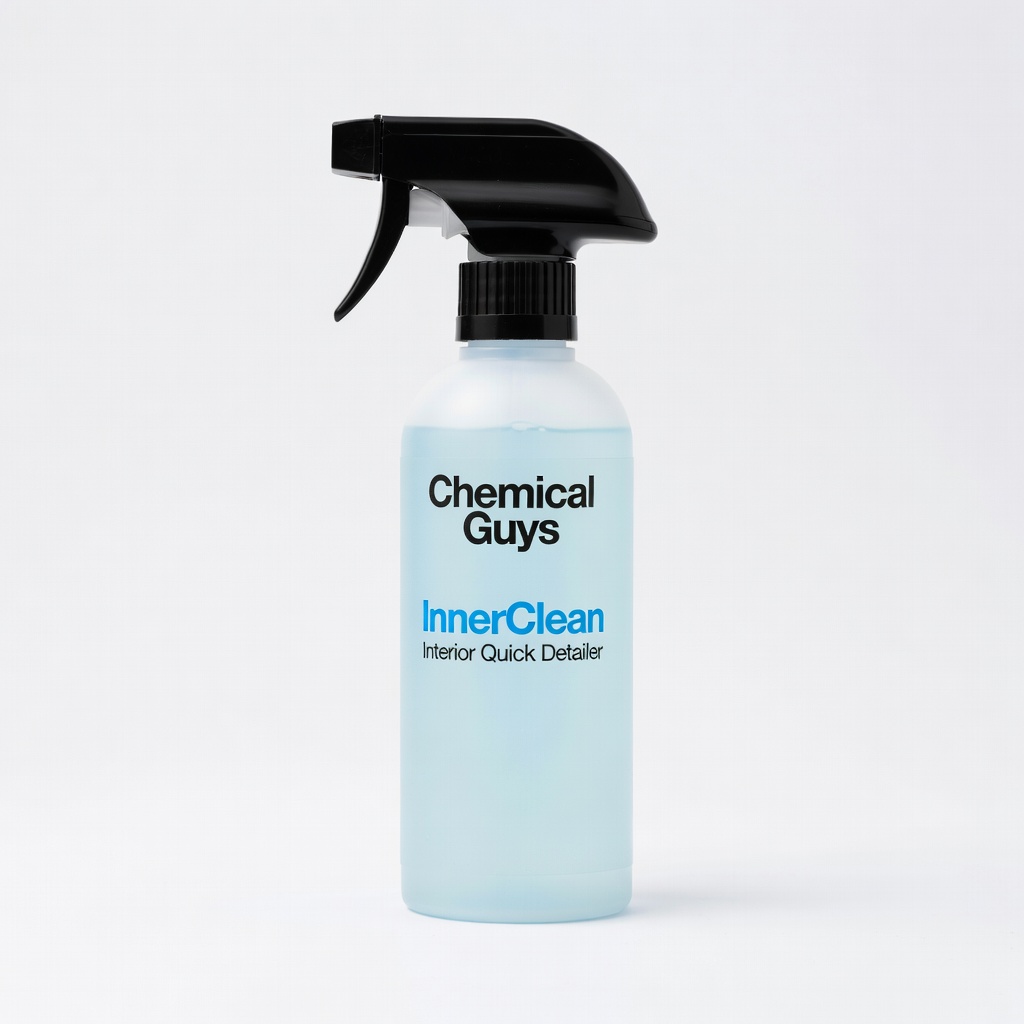
Chemical Guys InnerClean Interior Quick Detailer
Leather-safe for plastics/leather; removes adhesives gently.
Best for: Car leather detailing.
Price Range: $12.99