
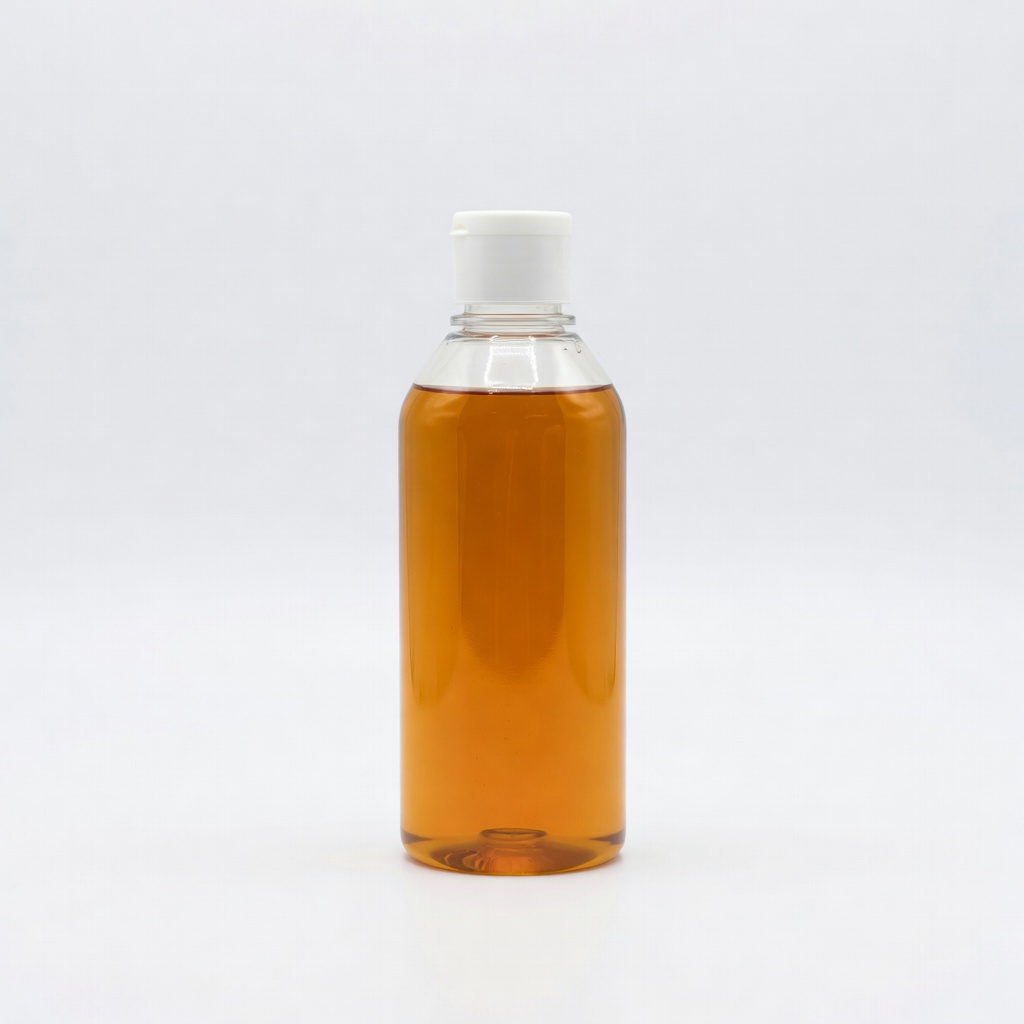
Goo Gone Original Liquid
Tape, stickers, gum on sofas/chairs; spot test required.
$9.97
Goo Gone Original Liquid Citrus-based formula safe for most fabrics/upholstery (per label); dissolves adhesives without harsh solvents.
Get the App
Better experience on mobile
Learn which adhesive removers won't damage your couch or chairs, plus safe application steps for spotless results without fading or holes.
Spilled glue, stuck gum, or tape residue on your fabric sofa can be a nightmare. Harsh chemical removers might dissolve the adhesive but also ruin your upholstery's color or fibers, leaving you with bigger problems. This guide helps beginners choose and use safe options to remove sticky messes effectively.
You'll learn the types of safe adhesive removers, why some are dangerous for fabric, household alternatives, and foolproof testing/application steps. No advanced skills needed—just follow along for clean results in under 45 minutes.
Expect simple explanations, real-world examples, and tips to avoid disasters, so your furniture stays looking new.
Estimated Time: 20-45 minutes per sticky spot Difficulty: beginner
Before grabbing any remover, check your fabric label (often under cushions or on the underside). Look for codes like 'W' (water-based cleaners safe), 'S' (solvent-only), 'WS' (both), or 'X' (vacuum/brush only—no liquids).
Why it matters: Fabrics like cotton, polyester blends, or microfiber ('W' or 'WS') tolerate mild removers; silks, velvets, or leather ('S' or 'X') need special care. Example: A 'W' sofa can handle diluted alcohol; an 'X' one risks water spots.
Expect a quick scan—takes 2 minutes. If no label, assume delicate and test extra carefully.
💡 Tips:
Avoid acetone (nail polish remover), mineral spirits, paint thinners, or harsh Goo Off formulas—these dissolve adhesives fast but melt synthetic fibers, bleach dyes, or leave oily residues.
Analogy: Like using bleach on colored clothes; it works but destroys the material. Common culprits cause puckering (fabric shrinks) or yellowing.
What to expect: Sticky spots lift easily but fabric damage shows in 24 hours.
⚠️ Warnings:
Opt for water-based, citrus-based, or diluted alcohol removers. Safe categories:
Why safe? They break adhesive bonds without harsh solvents. Example: Alcohol evaporates cleanly on polyester sofas.
💡 Tips:
Dab remover on a hidden area (back underside) with a cotton swab. Wait 5-10 minutes, then blot with water and dry.
Why crucial: Reveals color bleeding or fabric weakening. Expect no change for safe use; rinse immediately if issues.
Analogy: Tasting food before serving a crowd.
⚠️ Warnings:
Vacuum loose debris. Scrape excess adhesive gently with a plastic spoon or credit card (no metal knives).
Why? Prevents grinding dirt deeper. Takes 2-3 minutes; expect crumbs and flakes to lift easily.
💡 Tips:
Saturate a microfiber cloth (not directly on fabric). Gently dab/rub in circles from outside in. Let sit 1-5 minutes.
Why dab? Avoids oversaturation causing spreading. For tough spots, repeat. Expect adhesive to loosen and ball up.
Blot with clean damp cloth to lift residue. Follow with mild soap-water solution, then plain water rinse. Air dry or fan.
Why rinse? Removes remover traces preventing stickiness return. Full dry: 1-2 hours.
💡 Tips:
Check after drying. Reapply if residue lingers, but stop if no improvement.
Why? Patience prevents over-treatment. Most spots gone in 1-2 rounds.
Problem: Color bleeding during test
Solution: Stop immediately; try vinegar solution instead or call pro. Dry thoroughly.
Problem: Residue returns after drying
Solution: Reapply lightly, let sit longer (10 mins), blot harder. Use stronger safe product.
Problem: Fabric feels stiff post-clean
Solution: Lightly mist with water + conditioner mix, brush gently. Normal for synthetics.
Problem: Sticky spot won't budge
Solution: Multiple gentle apps over days. If super glue, seek upholstery pro.
Citrus-based formula safe for most fabrics/upholstery (per label); dissolves adhesives without harsh solvents.
Best for: Tape, stickers, gum on sofas/chairs; spot test required.
Price Range: $9.97
Gentle, non-toxic, evaporates cleanly; specifically safe for fabrics, crafts, upholstery.
Best for: Light adhesives like labels/posters on delicate chairs.
Price Range: $8.99-$12
Water-based, biodegradable, fabric-safe; cuts through tough glue without residue or damage.
Best for: Heavy-duty like super glue drips on car seats/upholstery.
Price Range: $10.49
Dilutable, evaporates fast, inexpensive; proven safe for 'W' fabrics when diluted.
Best for: Household quick fix for mild residues; mix 1:1 with water.
Price Range: $11.99
Tape, stickers, gum on sofas/chairs; spot test required.
Goo Gone Original Liquid Citrus-based formula safe for most fabrics/upholstery (per label); dissolves adhesives without harsh solvents.
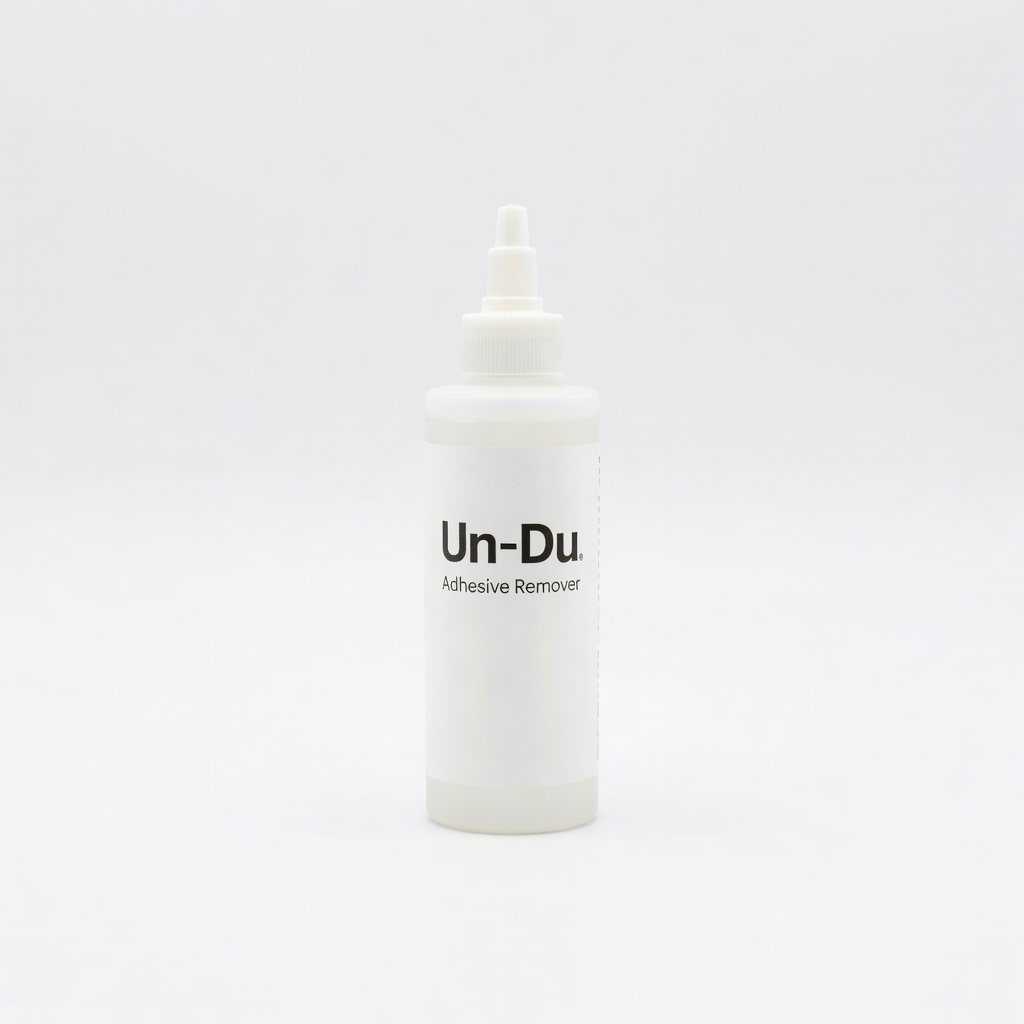
Light adhesives like labels/posters on delicate chairs.
Un-Du Adhesive Remover Gentle, non-toxic, evaporates cleanly; specifically safe for fabrics, crafts, upholstery.
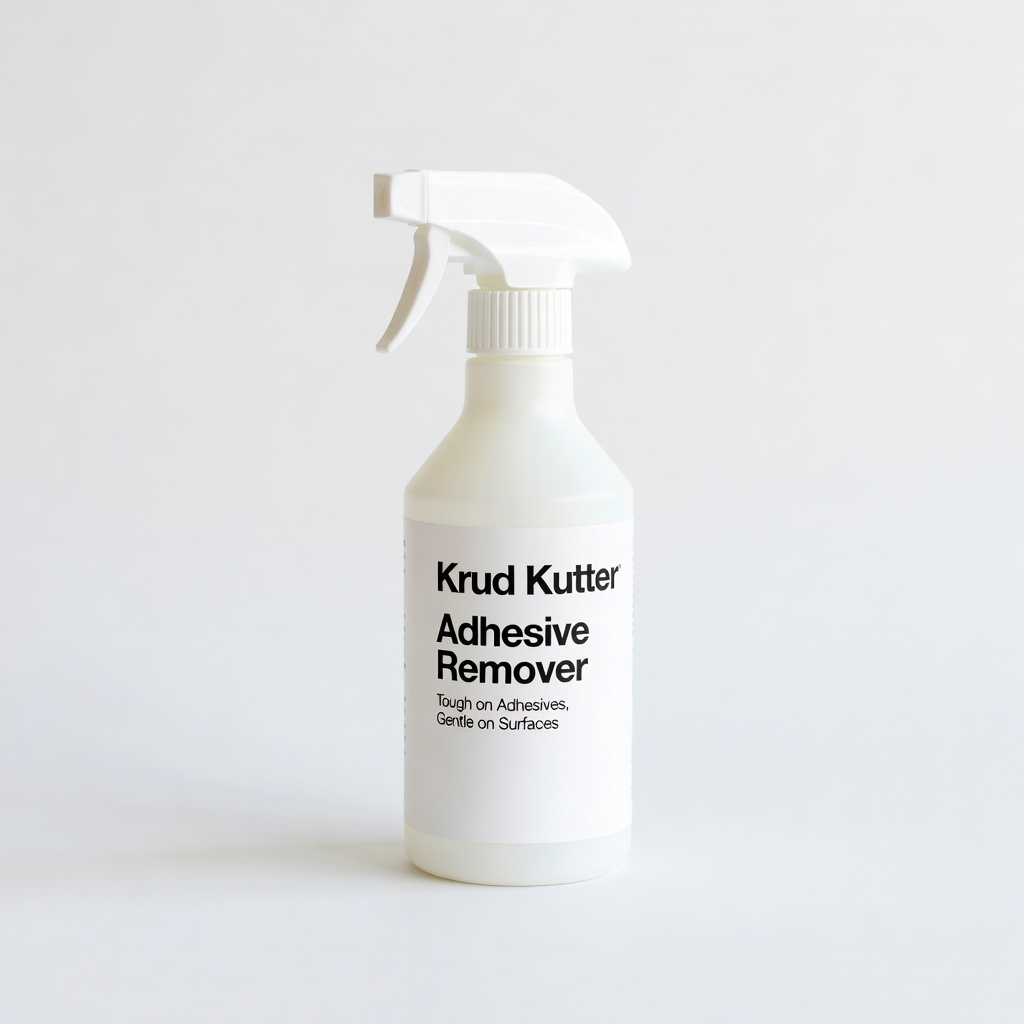
Heavy-duty like super glue drips on car seats/upholstery.
Krud Kutter Adhesive Remover Water-based, biodegradable, fabric-safe; cuts through tough glue without residue or damage.
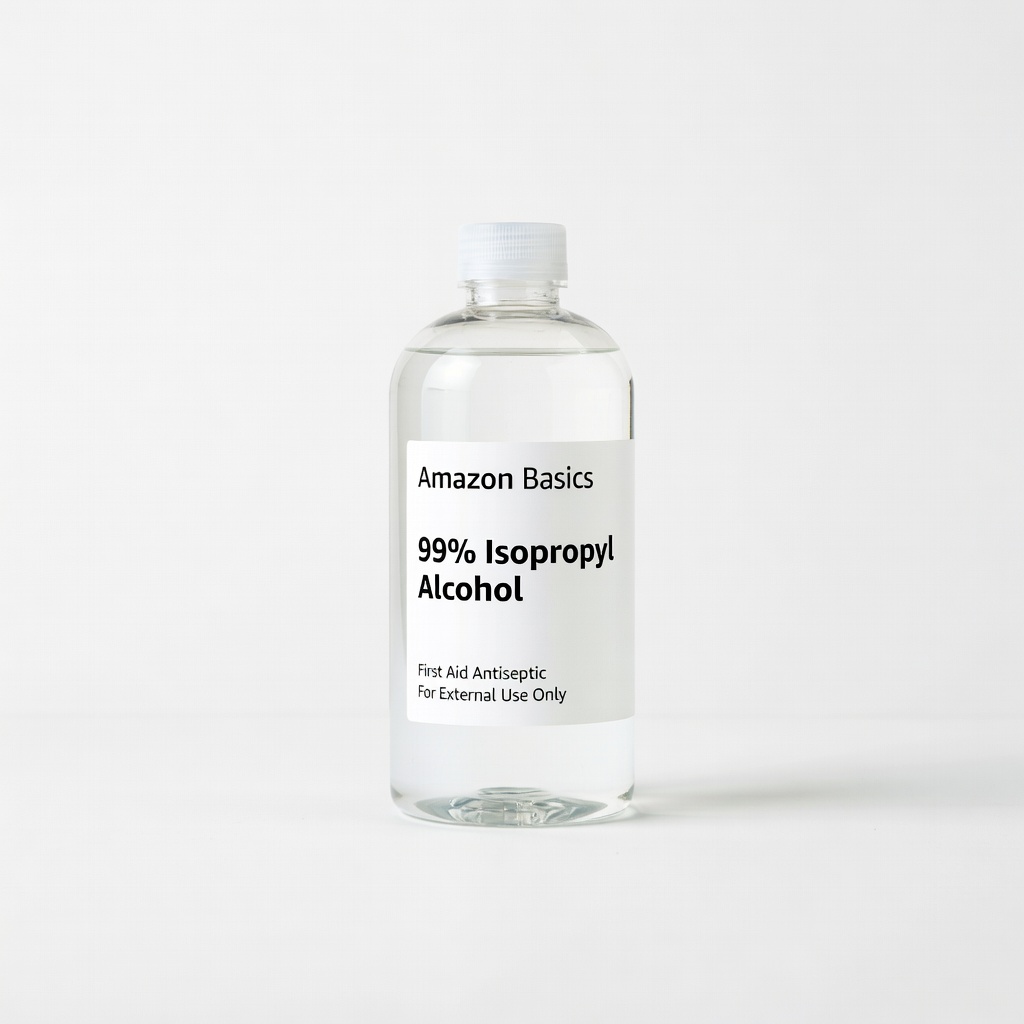
Household quick fix for mild residues; mix 1:1 with water.
Amazon Basics 99% Isopropyl Alcohol Dilutable, evaporates fast, inexpensive; proven safe for 'W' fabrics when diluted.