
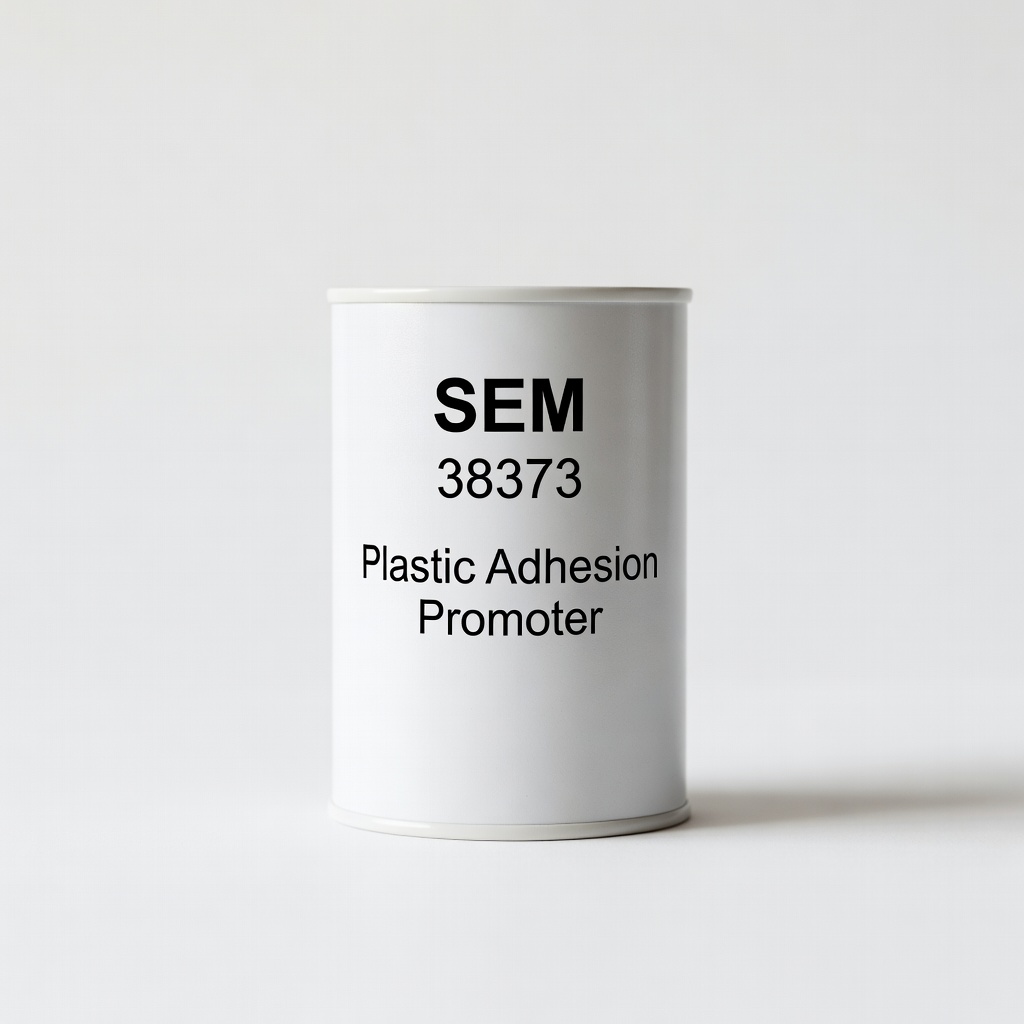
SEM 38373 Plastic Adhesion Promoter
Best for bumper cracks before filler or paint.
$18-22
SEM 38373 Plastic Adhesion Promoter Silane formula grips TPO/PP/ABS excellently; dries fast for quick repairs.
Get the App
Better experience on mobile
Learn which primers bond reliably to tough plastic bumpers like TPO and PP for pro-level repairs without peeling.
Plastic bumpers on modern cars—often made from low-surface-energy materials like TPO or polypropylene—can crack from impacts or age, requiring adhesives for repairs. Without the right primer, glue fails quickly, leading to costly redo's and frustration. This guide explains exactly which adhesive primers work, why, and how to use them.
You'll discover bumper plastic types, primer chemistries, top recommendations, and step-by-step application for durable bonds. Expect intermediate skills like sanding and masking; no advanced tools needed. In 30-60 minutes of reading and prep, you'll confidently tackle bumper fixes.
Estimated Time: 30-60 minutes for prep and application per bumper section Difficulty: intermediate
Car bumpers use plastics like TPO (thermoplastic olefin), PP (polypropylene), or ABS. Check your owner's manual, look for markings under the bumper (e.g., '>PP<' symbol), or test with a magnet (non-magnetic = plastic). TPO and PP are oily, low-energy surfaces that resist adhesion—primers are crucial here.
Why it matters: Wrong primer chemistry fails on the wrong plastic. Expect trial-and-error if unmarked; most post-2000 bumpers are TPO/PP.
💡 Tips:
⚠️ Warnings:
Plastic bumpers have low surface energy, like trying to glue to greasy glass—adhesives slip off. Primers chemically etch the surface, creating microscopic anchors (like silanes or chlorinated polyolefins) for glue to grab.
Analogy: Primer is the 'rough Velcro base' under smooth plastic. Without it, bonds peel in weeks; with it, they last years.
💡 Tips:
Chlorinated Polyolefin (CPO) primers excel on TPO/PP (e.g., Bulldog). Silane-based for ABS/PC (e.g., SEM). Universal promoters like 3M 111 work broadly but test first.
Avoid generic metal primers—they don't grip plastics.
Wipe with isopropyl alcohol to remove oils/wax. Sand lightly (400-grit) in circles for tooth—don't gouge. For PP, optional flame pass (propane torch, 2-3 seconds) to oxidize surface.
Why: Contaminants kill adhesion 90% of the time. Expect dull, matte finish.
⚠️ Warnings:
Mask surrounding areas. Shake can 1 minute, spray 6-8 inches away in light, even coats (20% opacity first, full after 5 min). Let flash off 5-10 min.
Why: Builds chemical bridge. One coat often enough; excess runs.
💡 Tips:
Within primer's open time (usually 30-60 min), add epoxy, urethane adhesive, or filler. Press firmly.
Test adhesion: Tape and pull after cure.
⚠️ Warnings:
Allow full cure (24 hours). Flex bumper; check for peel. If good, paint over.
Success: No lift under stress.
💡 Tips:
Problem: Primer beads up or fisheyes
Solution: Surface not clean—rewash with IPA, let dry fully.
Problem: Bond peels after days
Solution: Wrong primer for plastic or poor prep—flame treat and retry.
Problem: Runs or orange peel
Solution: Too close/heavy spray—hold farther, lighter coats.
Problem: No improvement on adhesion
Solution: Expired primer—check date; replace with fresh CPO type.
Silane formula grips TPO/PP/ABS excellently; dries fast for quick repairs.
Best for: Best for bumper cracks before filler or paint.
Price Range: $18-22
CPO-based, top-rated for polyolefin plastics like bumpers; automotive-grade durability.
Best for: Heavy-duty bumper repairs with urethane adhesives.
Price Range: $25-30
Universal for low-energy plastics; thin film applies precisely without overspray.
Best for: Precision spot repairs on textured bumpers.
Price Range: $15-20
Budget-friendly aerosol with good TPO hold; easy for DIYers.
Best for: Quick fixes under $10; pair with body filler.
Price Range: $8-12
Best for bumper cracks before filler or paint.
SEM 38373 Plastic Adhesion Promoter Silane formula grips TPO/PP/ABS excellently; dries fast for quick repairs.
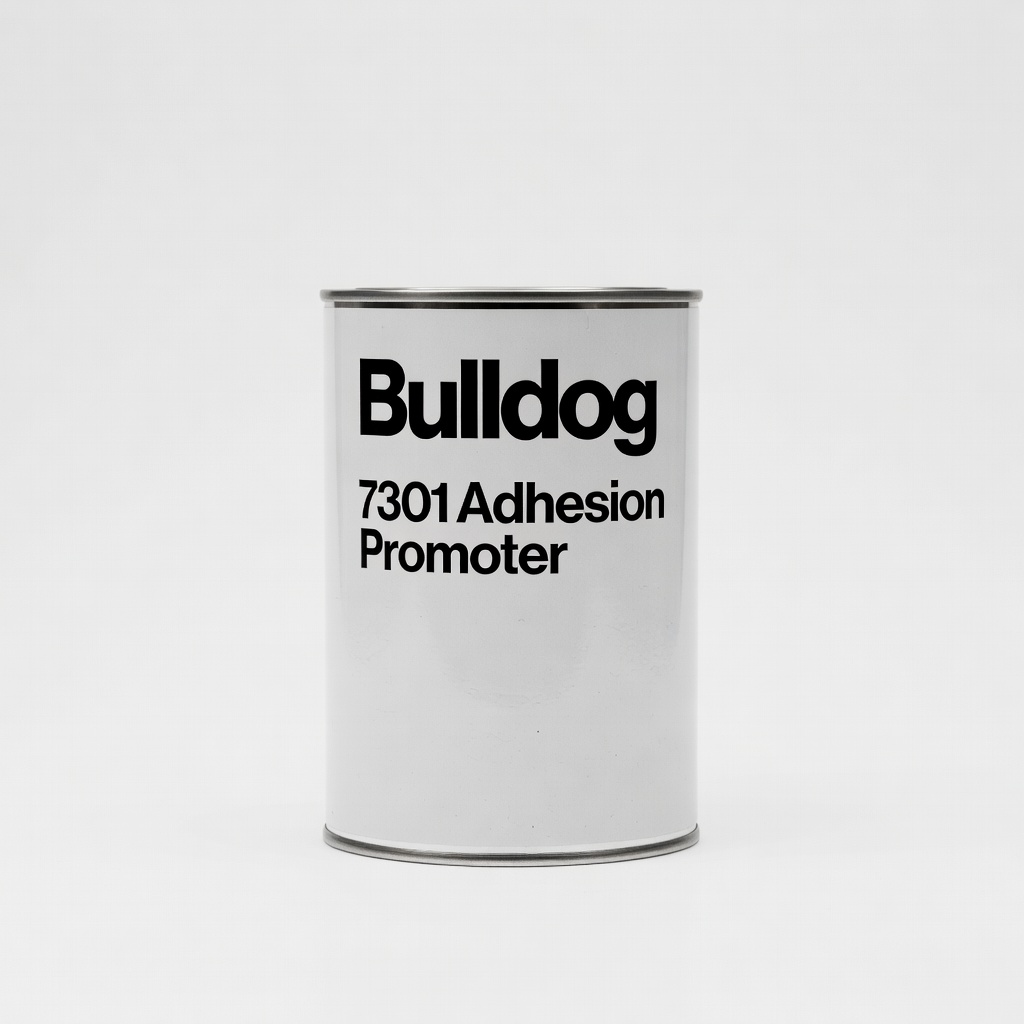
Heavy-duty bumper repairs with urethane adhesives.
Bulldog 7301 Adhesion Promoter CPO-based, top-rated for polyolefin plastics like bumpers; automotive-grade durability.
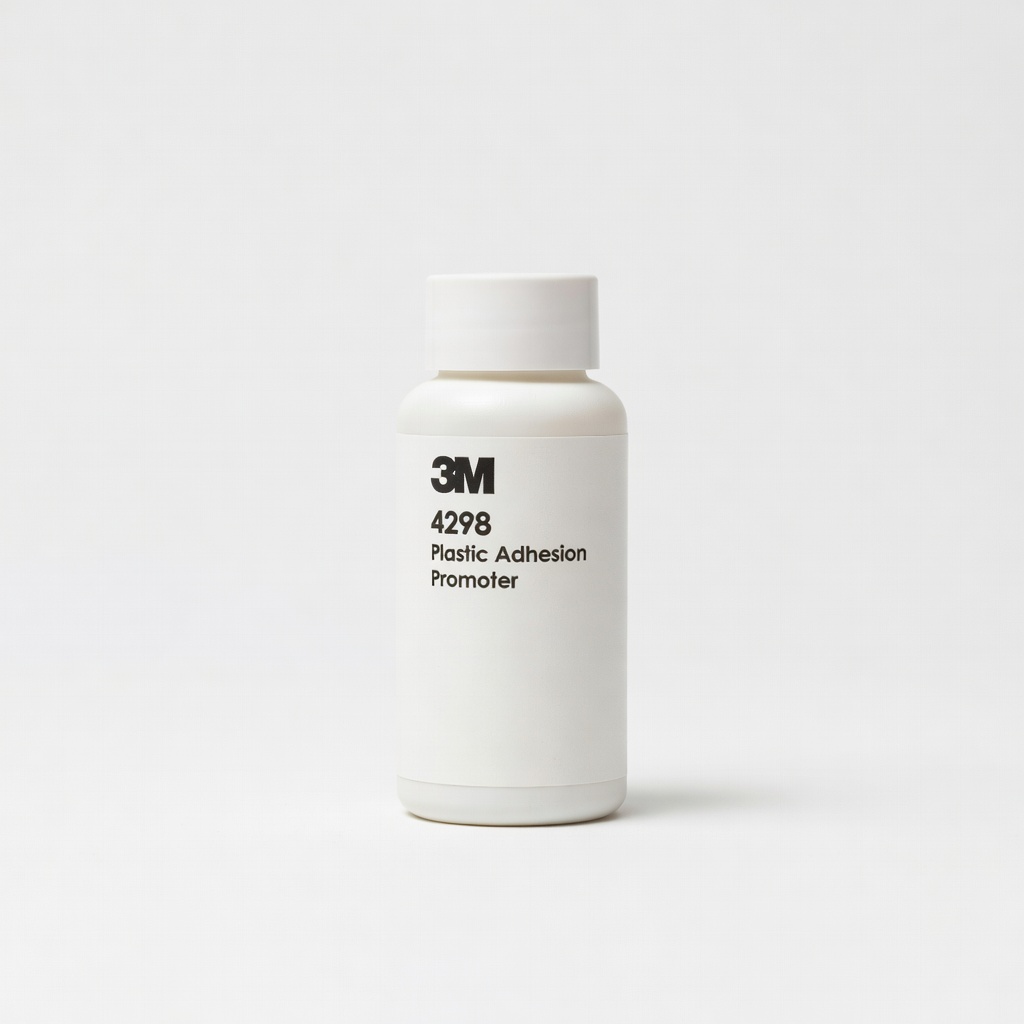
Precision spot repairs on textured bumpers.
3M 4298 Plastic Adhesion Promoter Universal for low-energy plastics; thin film applies precisely without overspray.
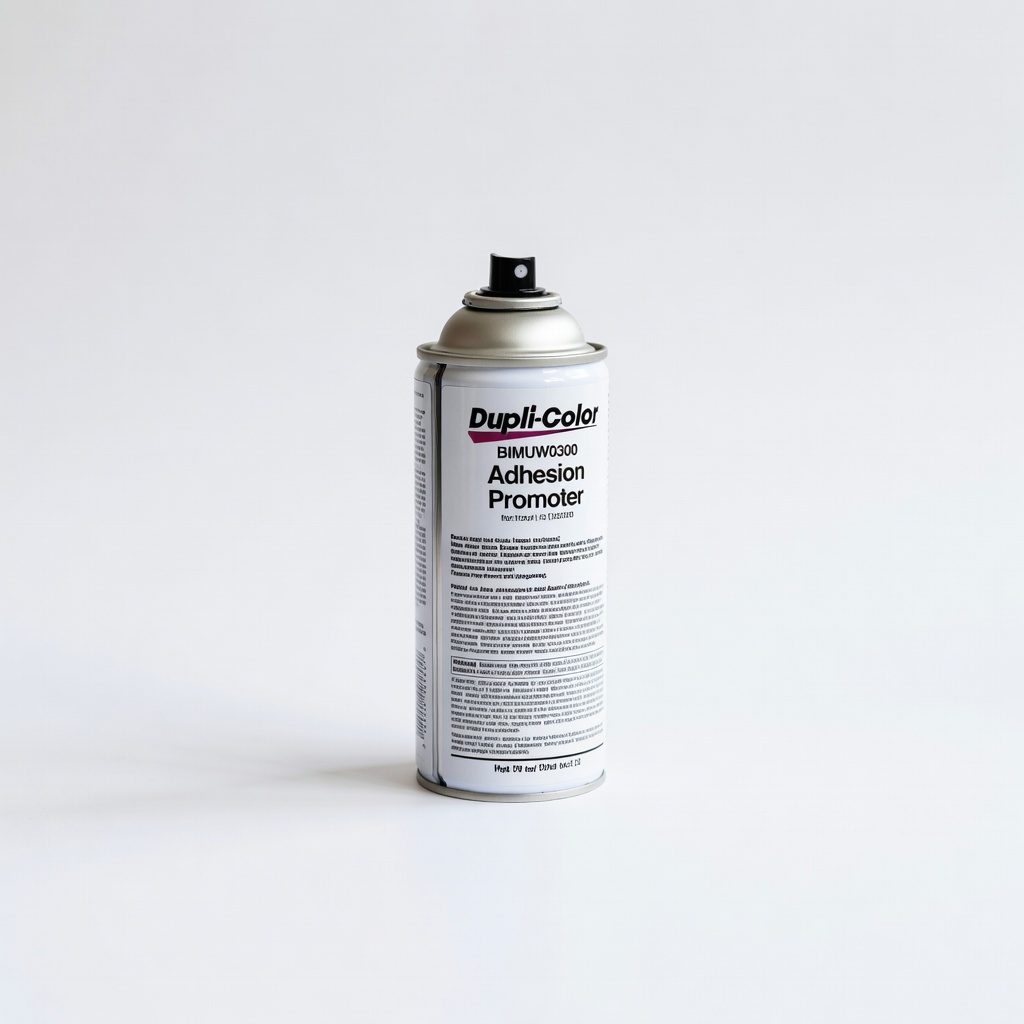
Quick fixes under $10; pair with body filler.
Dupli-Color BIMUW0300 Adhesion Promoter Budget-friendly aerosol with good TPO hold; easy for DIYers.