

Dupli-Color Adhesion Promoter (BAK XML)
Quick prep on bumpers or fenders before paint.
$12.99
Dupli-Color Adhesion Promoter (BAK XML) Versatile aerosol for metals/plastics, fast-drying, easy for DIY.
Get the App
Better experience on mobile
Discover top adhesive primers for flawless automotive paint adhesion, with types, selection tips, and step-by-step application to avoid peeling.
Struggling with paint that peels or bubbles off your car's body panels? Poor surface preparation is the #1 culprit, and adhesive primers are your secret weapon for creating a bombproof bond between bare metal, plastic, or tricky substrates and automotive paint.
In this guide, you'll learn what adhesive primers are, the different types for automotive use, how to choose the right one, and a complete step-by-step process to apply them like a pro. Whether refinishing rusty fenders or prepping plastic bumpers, you'll achieve professional results without expensive shop fees. Expect intermediate skills like sanding and spraying—perfect for DIYers with some garage experience. Reading takes 20 minutes; full application on a panel: 1 hour.
We'll cover real-world examples, product recs, and pitfalls to dodge, so your paint job lasts years.
Estimated Time: 20-30 minutes to read; 45-90 minutes for application on one panel Difficulty: intermediate
Adhesive primers, also called adhesion promoters or self-etching primers, are specialized coatings that chemically etch and prepare surfaces for paint bonding. Unlike standard fillers, they create microscopic anchors on metal, aluminum, galvanized steel, or plastics like TPO/PP, preventing delamination.
Think of them like 'glue enhancers'—they bite into the substrate so paint can't lift. For autos, they're crucial on bare metal after rust removal or flexible plastics that standard primers skip.
Why it matters: Skipping this leads to 80% of DIY paint failures. Expect a thin, aggressive layer that dries fast (5-10 mins).
💡 Tips:
There are three main types:
Choose based on substrate—test on scrap first. Analogy: Etching primer is like sandpaper on steroids; plastic promoter is flexible glue.
💡 Tips:
⚠️ Warnings:
Inspect: Bare metal? Rusty? Plastic? Galvanized?
Degree of prep: Heavy rust needs more etching power. Coverage: 15-20 sq ft per can.
Required first: Degrease with wax remover, rinse, dry fully.
Sand to 180-grit for etching primer (opens pores), 320 for plastics (light scuff). Wipe with tack cloth. Why: Contaminants cause fish-eyes in paint.
Expect dull, uniform matte finish—no shine.
💡 Tips:
⚠️ Warnings:
Shake can 1 min, 8-12" distance, thin mist coats. 1st coat light (flash off 3-5 min), 2nd wetter.
2-3 coats total, 5-10 min between. Coverage: Even gray film, no runs.
Why sequential: Builds adhesion without pooling. For gun: 1.3mm tip, 25psi.
💡 Tips:
Air dry 10-30 min (check label), or force dry 15 min @140°F.
Topcoat with basecoat/paint within 24 hrs (or resand). Full cure: 24 hrs.
Expect: Tack-free, sandable if needed.
⚠️ Warnings:
X-cut with razor, tape/pull (ASTM D3359). No flaking = success.
Why: Validates before full paint.
💡 Tips:
Problem: Fish eyes or crawling
Solution: Silicone contamination—strip, clay bar, re-clean with stronger remover.
Problem: Poor adhesion after topcoat
Solution: Insufficient etch or moisture—resand to primer, reapply.
Problem: Runs or sags
Solution: Too close/heavy—sand smooth after cure, recoat lightly.
Problem: Blushing (milky haze)
Solution: High humidity—wait, polish off, recoat in dry conditions.
Versatile aerosol for metals/plastics, fast-drying, easy for DIY.
Best for: Quick prep on bumpers or fenders before paint.
Price Range: $12.99
Pro-grade phosphoric acid formula etches rusty steel deeply for max bond.
Best for: Bare metal restoration on classic cars.
Price Range: $24.99
Budget-friendly, covers galvanized/aluminum well, no-rinse formula.
Best for: Aluminum panels or trailers.
Price Range: $9.99
High-solids for plastic/TPO, flexible to prevent cracking on bumpers.
Best for: Modern car plastics.
Price Range: $25.00
Brush-on for spot repairs, solvent-resistant.
Best for: Small areas or gun-mixed.
Price Range: $18.99
Quick prep on bumpers or fenders before paint.
Dupli-Color Adhesion Promoter (BAK XML) Versatile aerosol for metals/plastics, fast-drying, easy for DIY.
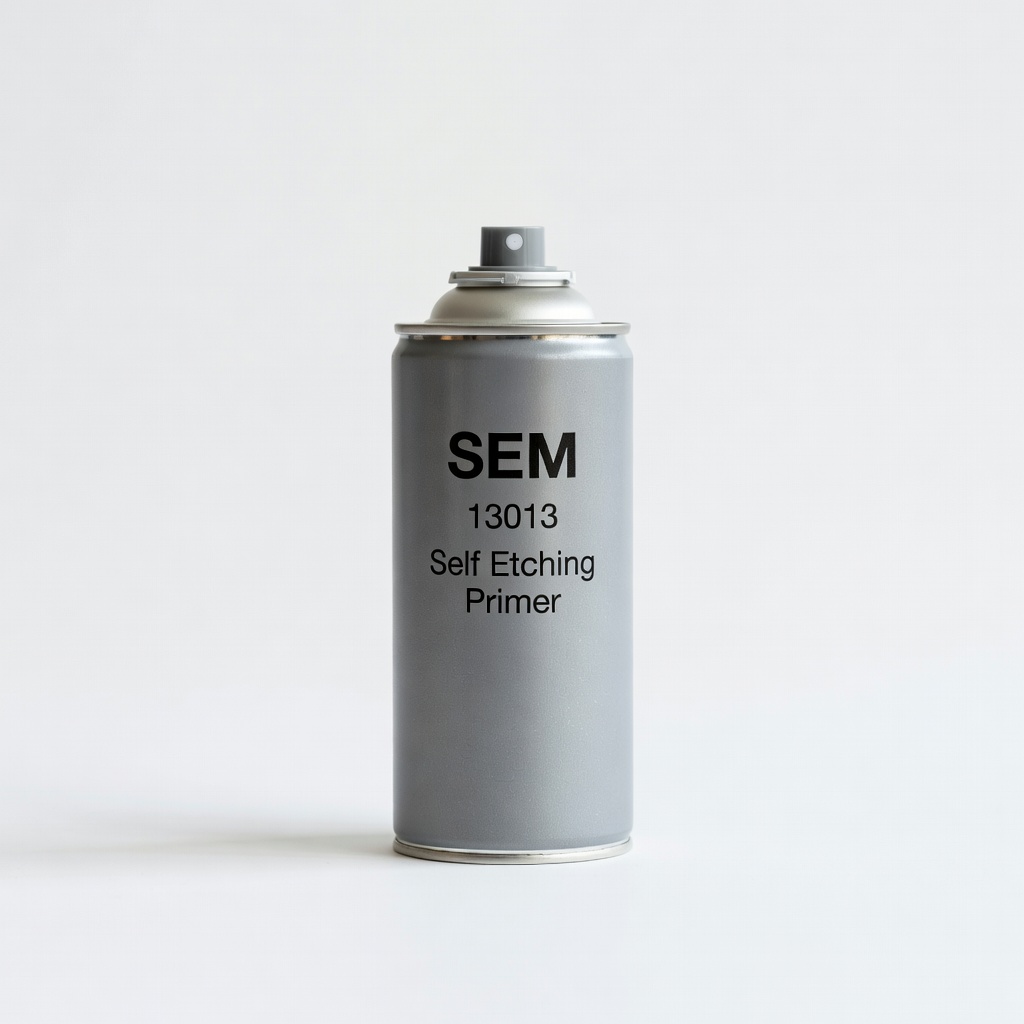
Bare metal restoration on classic cars.
SEM 13013 Self Etching Primer Pro-grade phosphoric acid formula etches rusty steel deeply for max bond.
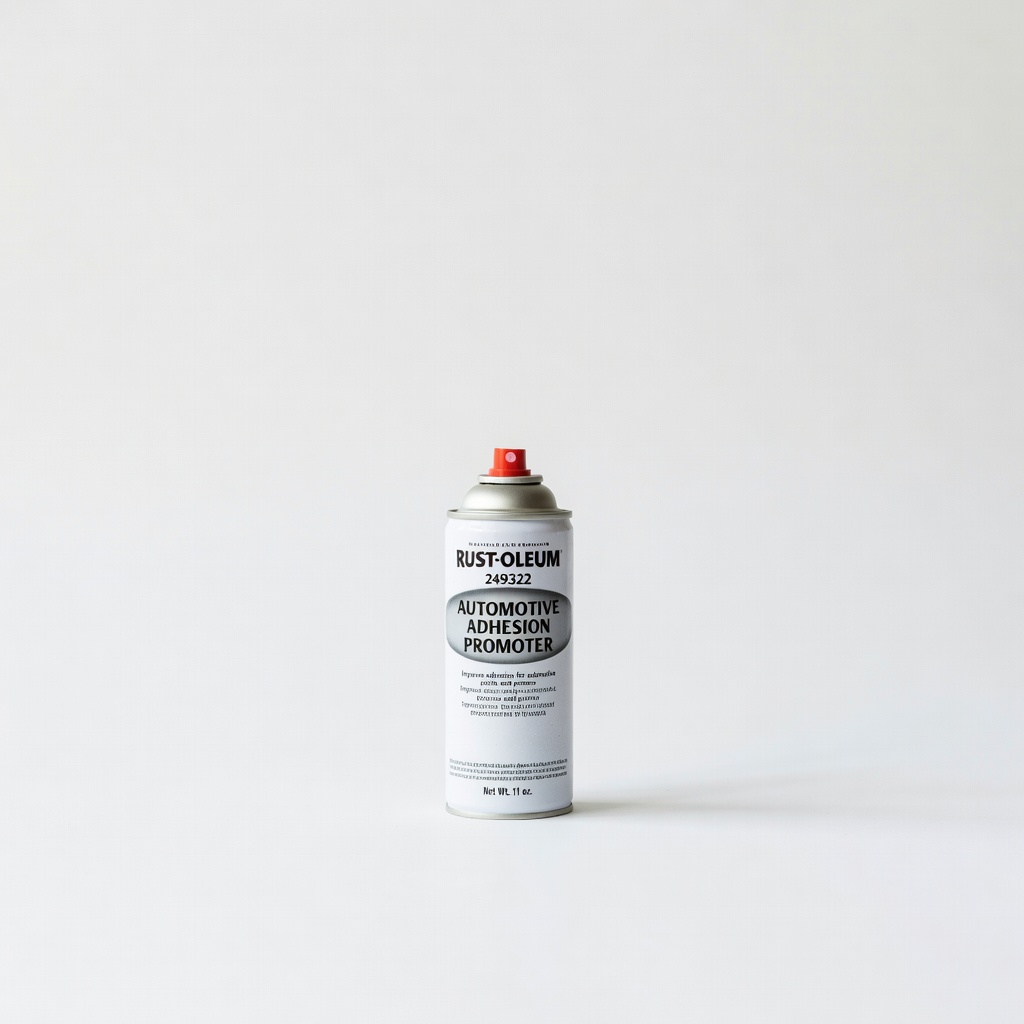
Aluminum panels or trailers.
Rust-Oleum 249322 Automotive Adhesion Promoter Budget-friendly, covers galvanized/aluminum well, no-rinse formula.
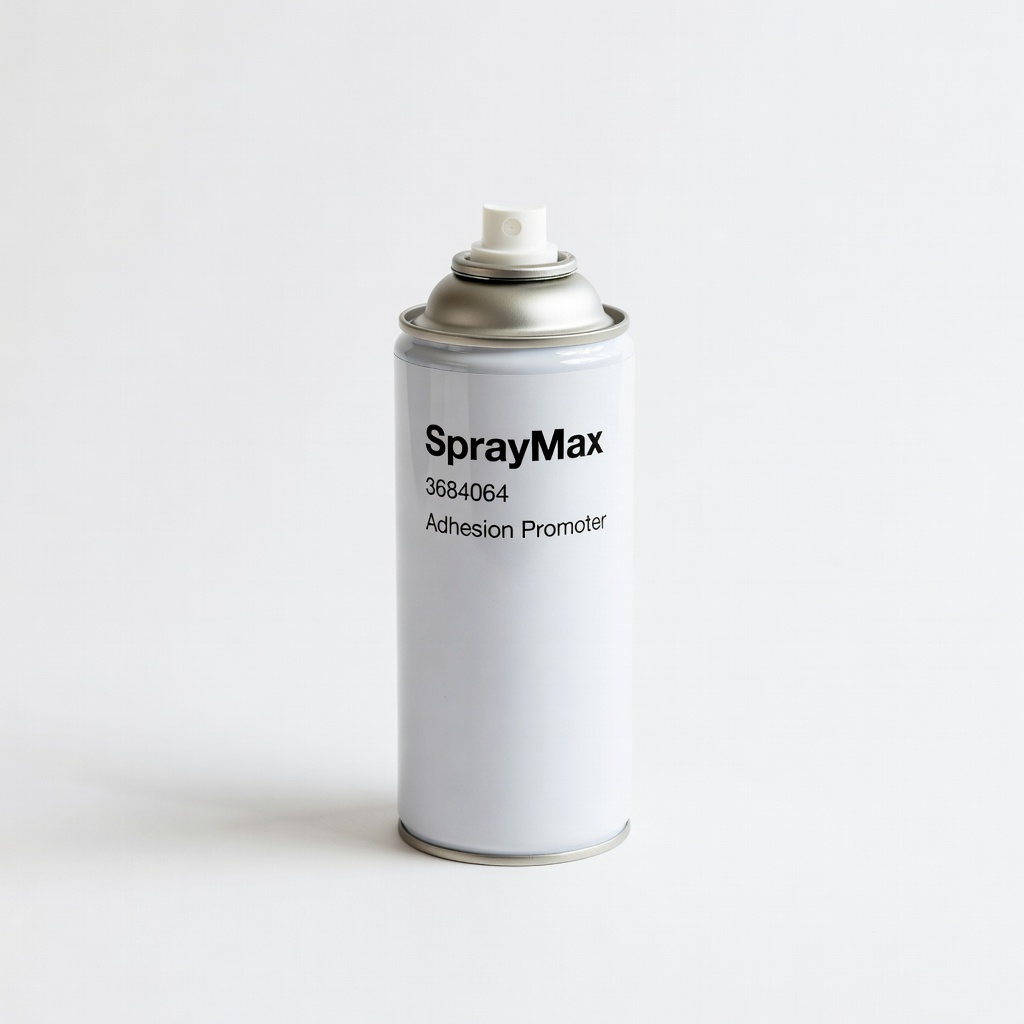
Modern car plastics.
SprayMax 3684064 Adhesion Promoter High-solids for plastic/TPO, flexible to prevent cracking on bumpers.
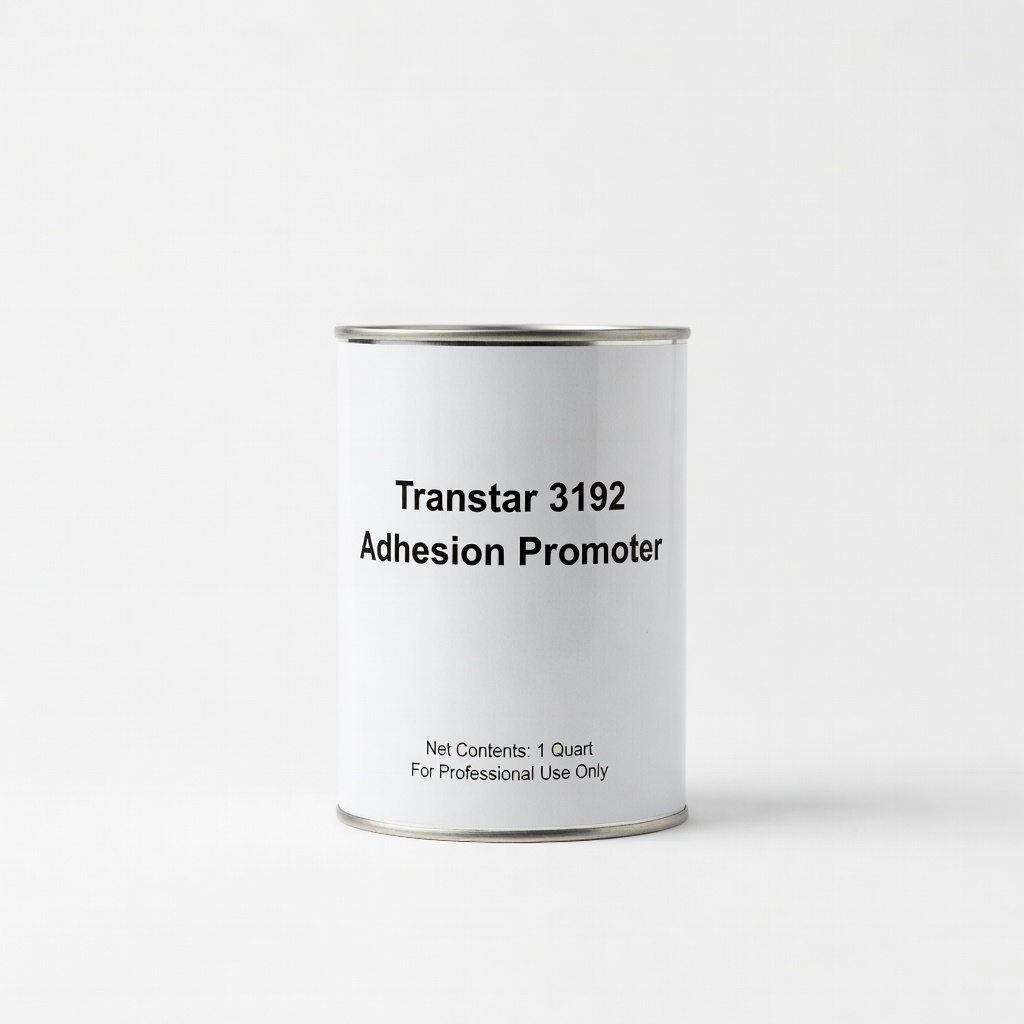
Small areas or gun-mixed.
Transtar 3192 Adhesion Promoter Brush-on for spot repairs, solvent-resistant.