
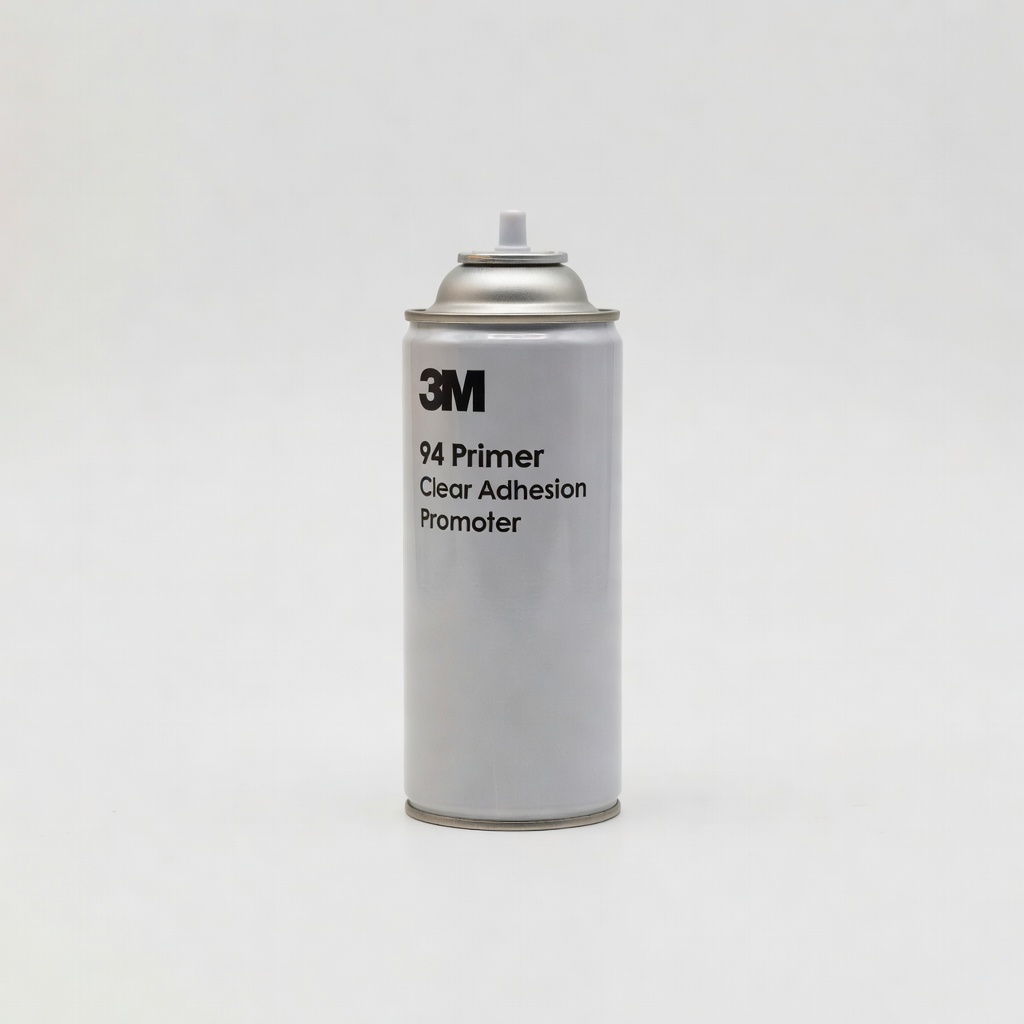
3M 94 Primer Clear Adhesion Promoter
All-around car prep for paint or vinyl wraps on mixed surfaces.
$25-$35
3M 94 Primer Clear Adhesion Promoter Universal formula bonds to 40+ plastics/metals with proven ASTM 5B adhesion.
Get the App
Better experience on mobile
Discover how adhesive primers enhance car surface bonding for flawless paint, wraps, and repairs—perfect for intermediate DIYers.
Ever peeled back a vinyl wrap or watched fresh paint bubble and fail on your car? Poor surface preparation is the #1 culprit, leading to costly redo's and frustration. Adhesive primers solve this by creating a chemical bridge between tricky surfaces like plastics, aluminum, and galvanized steel and your topcoat.
In this guide, you'll learn what adhesive primers are, the science behind them, types for different car surfaces, and step-by-step application. Expect to grasp pro-level prep techniques in 15-20 minutes of reading—no advanced tools needed, just intermediate auto body knowledge.
By the end, you'll confidently prep any car surface for durable adhesion, saving time and money on projects like repaints, wraps, or body repairs.
Estimated Time: 15-20 minutes to read and understand; 30-45 minutes for hands-on application Difficulty: intermediate
Car surfaces vary wildly: bare metal rusts, plastics resist paint, galvanized steel repels adhesives, and powder-coated parts flake under stress. Without proper prep, topcoats fail via delamination—peeling like a bad sticker.
Adhesive primers act as a 'molecular glue,' etching into the surface for micro-anchors. Think of it like primer on drywall before paint: it fills pores and boosts grip.
Expect: Uneven surfaces now become bond-ready in minutes.
💡 Tips:
Adhesive primers are low-VOC, fast-drying chemical agents (often solvent-based) designed for automotive use. Unlike fill primers, they don't build thickness—they penetrate and modify the surface for 200-500% better adhesion.
Key ingredients: Silanes, chlorinated polyolefins (CPO), or acrylics that form covalent bonds. Analogy: Like Velcro for paint—hooks into the substrate.
Why it matters: Standard cleaners/sanders alone fail on low-energy surfaces like TPO plastic.
⚠️ Warnings:
Choose based on substrate—test for your car's material.
💡 Tips:
Primers evaporate solvents, leaving reactive polymers that cross-link with the surface and topcoat. On plastics, they 'wet out' hydrophobic layers; on metals, they etch oxides.
Analogy: Primer is the translator between oil-loving paint and water-hating plastic.
Expect: Bonds rated 4B-5B on ASTM tape tests (peel-resistant).
Clean with IPA to remove wax/oils. Scuff with 400-600 grit for 'tooth.' Wipe dust with tack rag.
Why: Contaminants cause fish-eyes; smooth surfaces slip.
Dry fully (10 mins).
💡 Tips:
⚠️ Warnings:
Shake 1 min. Spray 6-8" away, 1-2 light mist coats (6-8 microns total). Flash 1-3 mins between coats.
Coverage: 20-30 sq ft per can. No runs—it's thin!
Expect: Slight tacky feel, clear/milky finish.
💡 Tips:
Air dry 5-10 mins (or force-dry 140°F/3 mins). Apply base/clear/wrap within window (most: 1 hr).
Why: Maximizes green strength before oxidation.
Test: Cross-hatch and tape—no lift.
⚠️ Warnings:
After curing (24 hrs), inspect for haze/cracks. Long-term: Bonds last 10+ years with UV-stable topcoats.
Reapply if refinishing old work.
💡 Tips:
Problem: Fish-eye bubbles in topcoat
Solution: Contaminant residue—resand, reclean, reprime. Use flow additive in paint.
Problem: Poor adhesion after 24 hrs
Solution: Surface not scuffed enough—increase grit abrasion. Check recoat window.
Problem: Primer won't dry (tacky)
Solution: High humidity or thick coat—improve airflow, thin next layer.
Problem: Hazy/white residue
Solution: Incompatible topcoat—use paintable primer only. Sand lightly.
Universal formula bonds to 40+ plastics/metals with proven ASTM 5B adhesion.
Best for: All-around car prep for paint or vinyl wraps on mixed surfaces.
Price Range: $25-$35
Flexible for high-movement areas like bumpers; fast 5-min recoat.
Best for: Body panels, flexible plastics in collision repair.
Price Range: $12-$18
Budget-friendly, wipe-on option for vinyl installers; no spray mess.
Best for: Vinyl wraps on PP/TPO plastics.
Price Range: $10-$15
Heavy-duty for galvanized/powdercoat; etch-resistant formula.
Best for: Rusty metals or OEM powder-coated parts.
Price Range: $20-$30
All-around car prep for paint or vinyl wraps on mixed surfaces.
3M 94 Primer Clear Adhesion Promoter Universal formula bonds to 40+ plastics/metals with proven ASTM 5B adhesion.
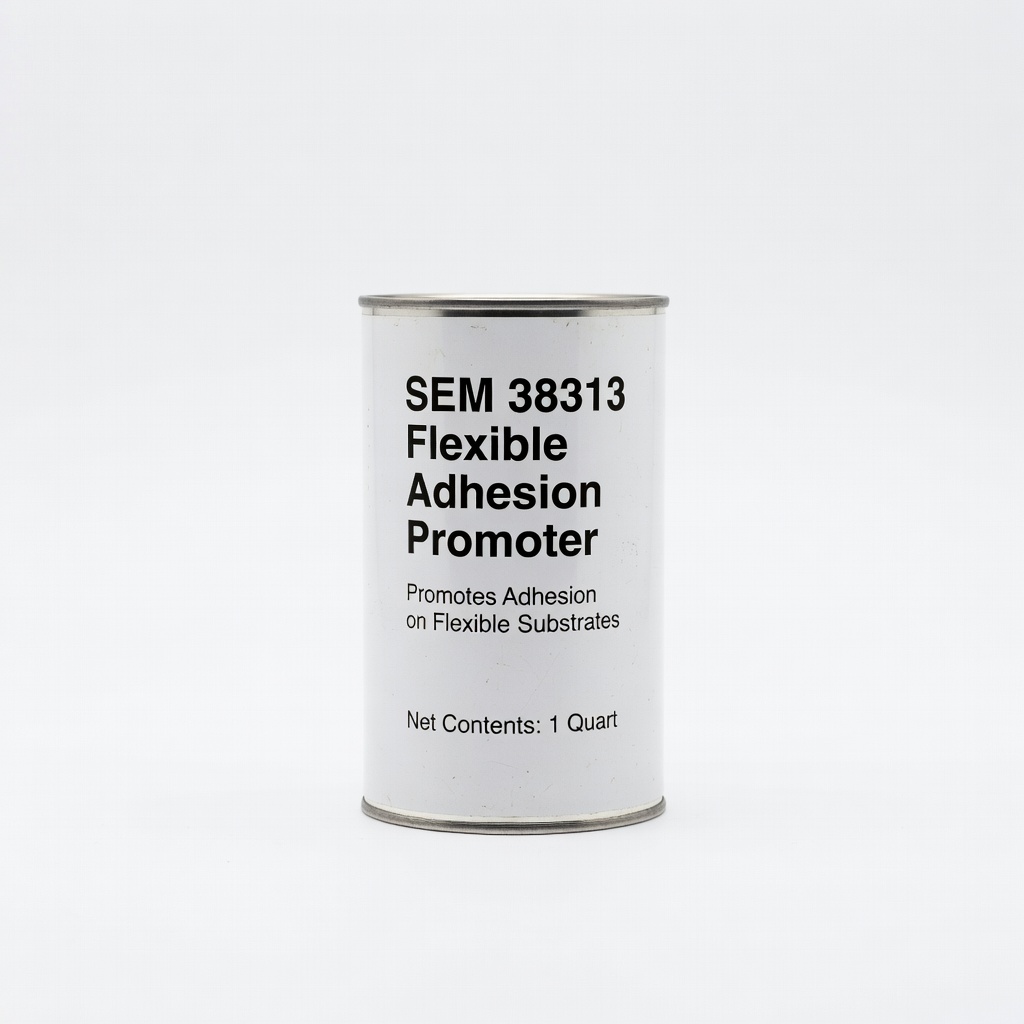
Body panels, flexible plastics in collision repair.
SEM 38313 Flexible Adhesion Promoter Flexible for high-movement areas like bumpers; fast 5-min recoat.
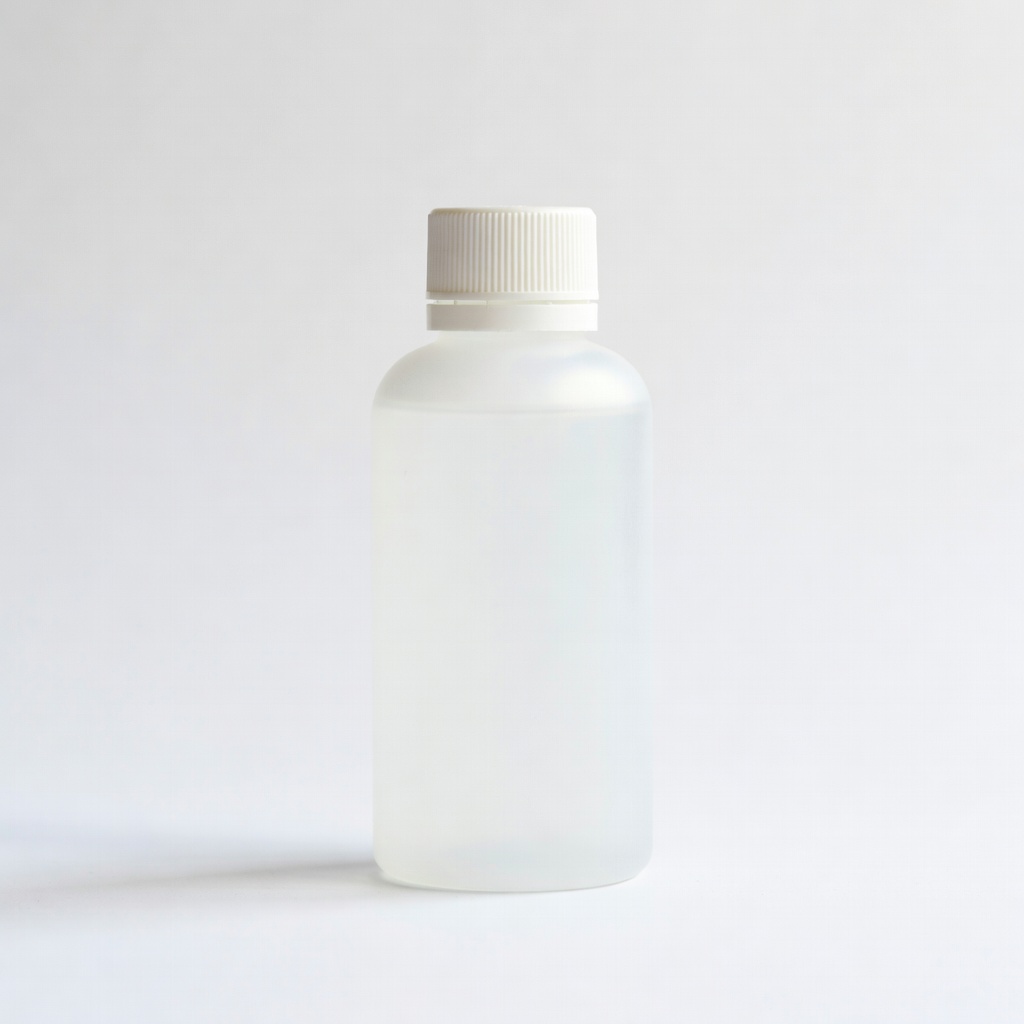
Vinyl wraps on PP/TPO plastics.
VViViD XPO Clear Adhesive Promoter Budget-friendly, wipe-on option for vinyl installers; no spray mess.
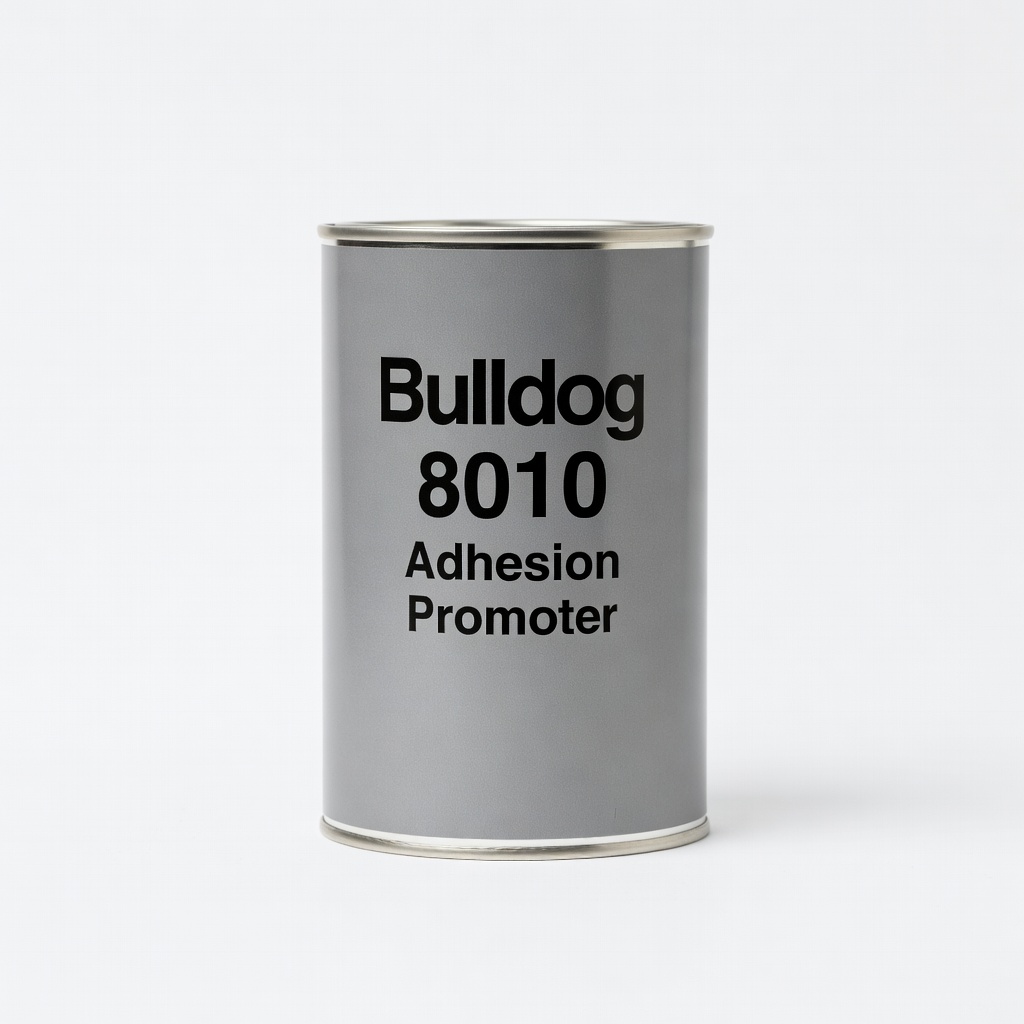
Rusty metals or OEM powder-coated parts.
Bulldog 8010 Adhesion Promoter Heavy-duty for galvanized/powdercoat; etch-resistant formula.