Struggling with lifting acrylics, peeling gels, or short-lasting manicures? Poor nail adhesion is a top frustration for nail techs and enthusiasts, often due to oily natural nails or inadequate prep. Adhesive primers are the game-changer, creating a sticky bond between your natural nail and enhancements.
In this guide, you'll understand how primers work, compare acid vs. acid-free options, and identify the best ones for superior adhesion. Expect to grasp concepts in 10-15 minutes—no advanced tools needed, just intermediate nail knowledge. By the end, you'll select and apply primers confidently for durable results.
▸What You'll Need
- •Basic nail prep knowledge (dehydration, filing)
- •Clean natural nails (no oils or lotions)
- •Primer bottle (acid or acid-free)
- •Nail brush or applicator (optional for precision)
- •UV/LED lamp (for gel primers)
Estimated Time: 10-15 minutes
Difficulty: intermediate
▸Step-by-Step Instructions
Step 1: Grasp Nail Adhesion Basics
Nail adhesion relies on a clean, roughened surface for enhancements like acrylic or gel to grip. Natural nails have oils and moisture that repel products, causing lifts.
Primers act like 'double-sided tape,' dehydrating the nail and adding micro-etching for bite. Think of it as prepping wood before paint—skip it, and everything peels.
Expect a matte, dry nail post-prep; this foundation prevents 80% of lifting issues.
💡 Tips:
- •Always dehydrate first with 99% isopropyl alcohol.
Step 2: Understand Primer Functions
Primers dehydrate (remove moisture/oils) and prime (create adhesive properties). They polymerize under UV/LED light or air-dry, forming a tacky layer.
Without primer, enhancements slide off in days; with it, they last 3-4 weeks. Analogy: Primer is the glue in a laminate floor—essential for hold.
Key: Choose based on nail type—oily nails need stronger adhesion.
⚠️ Warnings:
- •Don't confuse primer with base coat; base adds color protection, primer bonds.
Step 3: Explore Acid-Based Primers
Acid primers (10-30% methacrylic acid) etch the nail like mild sandpaper, creating microscopic pits for deep bonding. Ideal for oily or problem nails.
They smell pungent and tingle—proof of action. Cure 30-60 seconds under lamp. Pro: Strongest hold. Con: Can thin nails if overused.
Best for acrylics on clients with lift history.
💡 Tips:
- •Dilute with monomer if too strong.
Step 4: Compare Acid-Free Primers
Acid-free (or no-wipe) primers use resins for sticky grip without etching. Gentler, no odor, safe for natural nails and extensions.
Apply thinly, cures tacky. Great for sensitive skin or gel polish. Holds well but less aggressive than acid.
Analogy: Acid is super glue; acid-free is strong tape—reliable for most.
Step 5: Assess When to Use Each
Use acid primers for: Oily nails, acrylics, high-lift risk. Acid-free for: Dry/thin nails, gels, beginners, allergy-prone.
Test: Apply to one nail; check lift after 24h. Match to service—acrylics love acid, gels prefer acid-free.
Pro tip: Layer acid-free over acid for hybrid strength.
💡 Tips:
- •Client quiz: 'Do your nails lift often?' guides choice.
Step 6: Master Application Technique
- •Dehydrate/file nail. 2. Brush 1 thin coat from cuticle to free edge. 3. Air-dry 30s or cure 60s. Avoid flooding—thin is key.
Why: Over-application puddles, weakens bond. Expect tacky feel; wipe excess.
Results: Seamless enhancements that flex without cracking.
⚠️ Warnings:
- •Never apply to skin—irritation risk.
Step 7: Test and Maintain Adhesion
Post-application, tap enhancements—shouldn't shift. Wear 2-3 weeks; reapply every full set.
Monitor: Lifts mean stronger primer needed. Maintain with oil-free prep.
Long-term: Rotate types to prevent resistance.
▸Pro Tips
- •Store primers in cool, dark place—extends shelf life 2x.
- •Use a jade stone to warm viscous primers for even flow.
- •For super-oily nails, double dehydrate before priming.
- •Pair with protein bonders for 5x adhesion on problem nails.
- •Thin coats = pro results; build slowly.
- •Test compatibility: Swatch on fake nail first.
- •Clean brush with monomer between clients.
▸Common Mistakes to Avoid
- •Applying thick layers—causes bubbling/lifting; use 1-2 drops max.
- •Skipping dehydration—oils sabotage primer; always wipe first.
- •Using on wet cuticles—weak bond; push back properly.
- •Overusing acid primer—thins nails; limit to 1x/week.
- •Confusing with top coat—wrong product, no adhesion boost.
▸Troubleshooting
Problem: Enhancements lift after 1-2 days
Solution: Switch to acid primer, ensure full dehydration, check for cuticle oil residue.
Problem: Primer burns skin or yellows
Solution: Go acid-free, apply away from cuticles; ventilate area.
Problem: Tacky layer won't cure
Solution: Use compatible UV/LED lamp (36W+), cure 60s per coat.
Problem: Nails feel brittle post-primer
Solution: Moisturize cuticles daily; avoid acid if nails are thin.
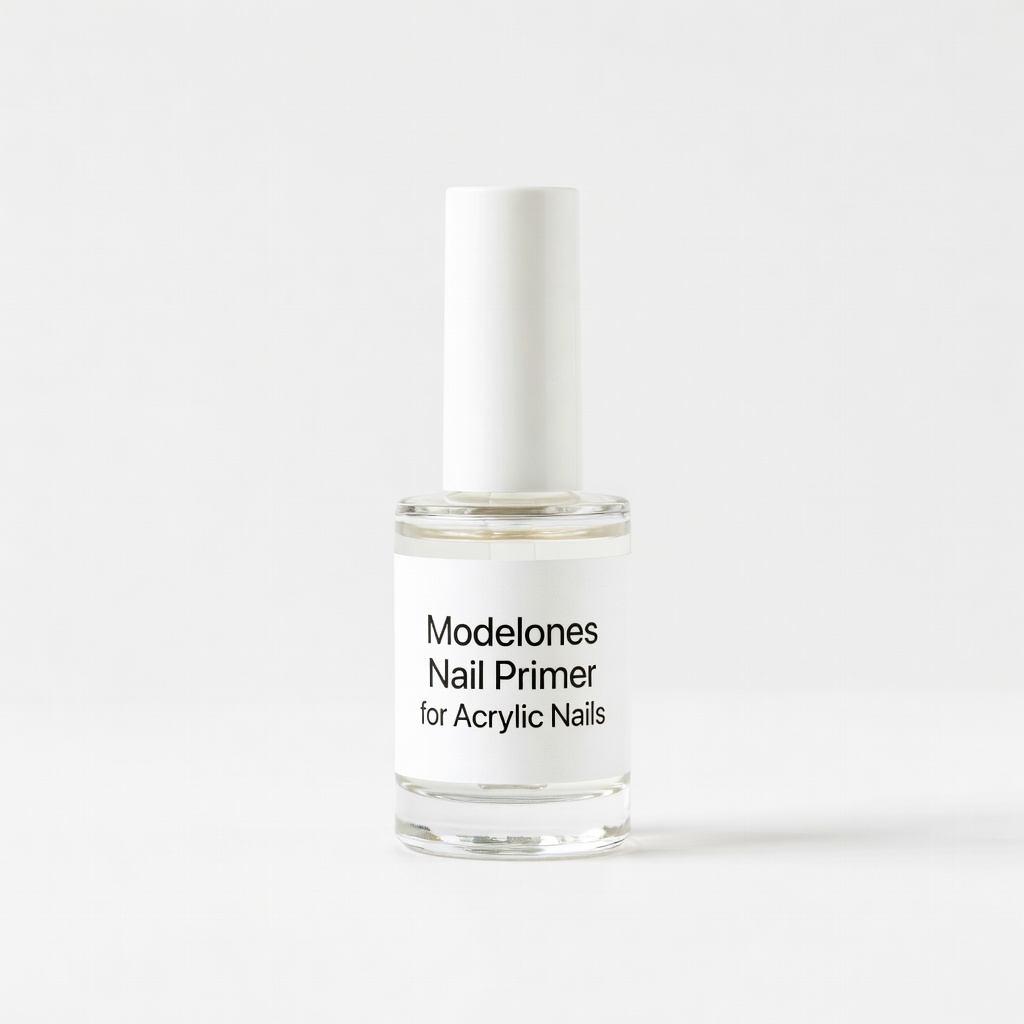
Modelones Nail Primer for Acrylic Nails
Acid-free formula provides strong, gentle adhesion without damaging thin nails; highly rated for no-lift gels and acrylics.
Best for: Daily use on sensitive or natural nails for salon-quality hold.
Price Range: $6.99
Beetles Gel Nail Primer
No-wipe, acid-free with excellent bonding for UV/LED gels; prevents lifting on oily nails.
Best for: Gel polish manicures needing quick, tacky prep.
Price Range: $7.99
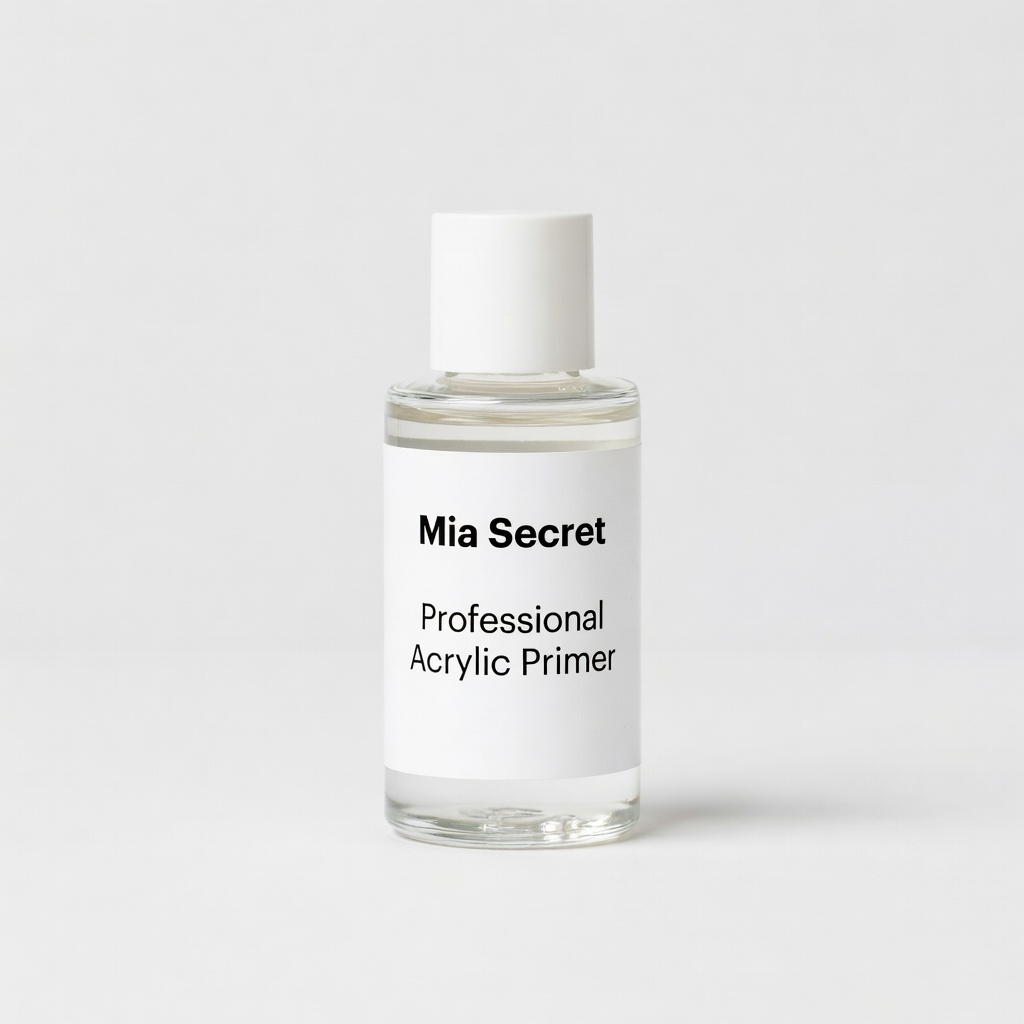
Mia Secret Professional Acrylic Primer
Methacrylic acid-based for aggressive etching; top choice for problem nails with chronic lifting.
Best for: Acrylic extensions on high-oil clients.
Price Range: $9.99
Azurebeauty Nail Primer
Versatile acid primer with long-lasting adhesion; budget-friendly for pros.
Best for: Full sets of acrylics or hard gels.
Price Range: $5.99