
3M 94 Primer
Auto trim, plastic repairs—spray-on ease for DIY.
$25-$35
3M 94 Primer Versatile chlorinated polyolefin formula excels on PP/PE/TPR, boosting adhesion 400%.
Get the App
Better experience on mobile
Learn top primers for superior adhesion on tricky plastics like PP and PE, with selection tips and application steps for reliable bonds.
Struggling to make adhesives stick to plastics? Low-surface-energy materials like polyethylene (PE), polypropylene (PP), and PTFE repel glues, leading to failed bonds in repairs, crafts, or manufacturing. This guide explains adhesive primers that chemically modify plastic surfaces for unbeatable grip.
You'll discover how primers work, key types for plastics, selection criteria, and step-by-step application. By the end, you'll confidently choose and use primers to achieve strong, lasting bonds—no more peeling or weak joints. Perfect for intermediate DIYers, hobbyists, or pros; expect 20-30 minutes to read and test concepts.
Estimated Time: 20-30 minutes Difficulty: intermediate
Start by determining the plastic you're bonding. Common low-energy plastics include polyethylene (PE), polypropylene (PP), and polytetrafluoroethylene (PTFE), which have surface energies below 40 dynes/cm, making adhesion tough.
Use the recycle symbol (e.g., ♳ for PP) or a burn test: PE burns like wax, PP like candle. Why it matters: Primers are formulated for specific plastics—mismatching leads to poor results.
Expect smooth, non-porous surfaces.
💡 Tips:
Surface energy measures how 'wettable' a material is—high energy (metals >50 dynes/cm) bonds easily; low energy plastics (<35 dynes/cm) don't. Primers increase this by etching or depositing reactive groups.
Analogy: Like adding grit to ice for tire grip. Test with dyne pens: Ink beads on low-energy surfaces.
⚠️ Warnings:
Chemical primers (solvent-based) are most accessible: halogenated (chlorinated polyolefins for PP/PE) or silane-based. Alternatives: flame/plasma (industrial) or corona treatment.
Focus on aerosol/liquid primers like CPO for consumer use—they dissolve weak boundary layers.
💡 Tips:
Match to plastic: CPO for PP/PE (e.g., Bulldog A-470); silanes for nylons. Check compatibility with your adhesive (e.g., acrylic primers for UV-cure).
Consider cure time (10-60s flash-off) and VOCs for safety. Why? Optimal primers boost shear strength 5-10x.
Clean with IPA to remove oils/mold release—degrease for 30s, wipe dry. Abrade lightly (400-grit) if allowed, avoiding melting.
This exposes fresh material for primer action.
💡 Tips:
⚠️ Warnings:
Shake can 1min, apply thin coat (10-20microns) via spray/swab. Flash off 30-60s until tack-free.
Thin layer prevents runs/brittleness; multiple coats (wait 5min) for heavy use.
Apply adhesive within 5-15min window. Cure per instructions, then test peel/shear.
Expect 300-500% strength gain—visual: no delamination.
Problem: Primer beads up or wipes off
Solution: Surface not clean—re-degrease with IPA, abrade lightly.
Problem: Bond fails after 24h
Solution: Humidity issue—dry environment; or expired primer, replace.
Problem: White haze on primer
Solution: Over-spray—wipe thin layer, extend flash-off to 2min.
Problem: No improvement on HDPE
Solution: Use specialized CPO like Bulldog; consider plasma if available.
Versatile chlorinated polyolefin formula excels on PP/PE/TPR, boosting adhesion 400%.
Best for: Auto trim, plastic repairs—spray-on ease for DIY.
Price Range: $25-$35
Powerful CPO for polyolefins, converts non-stick plastics to bondable in seconds.
Best for: Marine/hardware bonding on PE/PP.
Price Range: $20-$30
Fast-evaporating for thermoplastics, ideal with rubber adhesives.
Best for: Industrial gaskets, conveyor belts.
Price Range: $15-$25
Aerosol for automotive plastics, UV-stable for exterior use.
Best for: Car interior/exterior trim repairs.
Price Range: $18-$28
Cyanoacrylate accelerator/primer for plastics, instant tack.
Best for: Quick super glue fixes on mixed plastics.
Price Range: $10-$20
Auto trim, plastic repairs—spray-on ease for DIY.
3M 94 Primer Versatile chlorinated polyolefin formula excels on PP/PE/TPR, boosting adhesion 400%.

Marine/hardware bonding on PE/PP.
Bulldog A-470 Adhesion Promoter Powerful CPO for polyolefins, converts non-stick plastics to bondable in seconds.
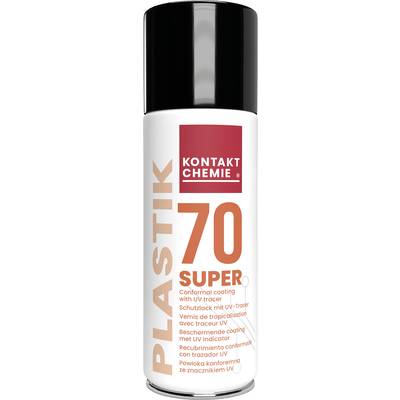
Industrial gaskets, conveyor belts.
CRC Plastik 70 Thixon Primer Fast-evaporating for thermoplastics, ideal with rubber adhesives.
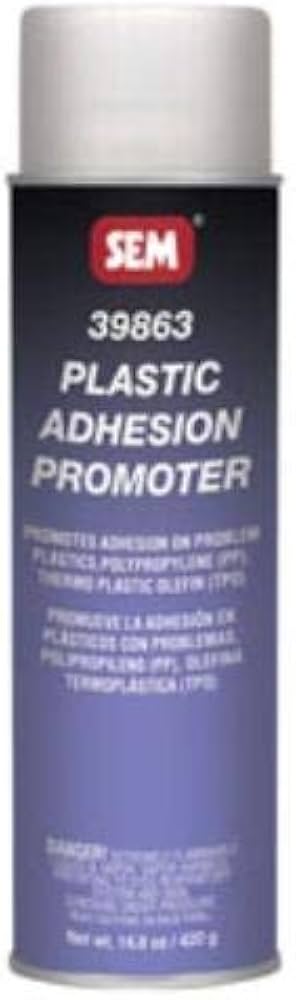
Car interior/exterior trim repairs.
SEM 38313 Plastic Adhesion Promoter Aerosol for automotive plastics, UV-stable for exterior use.
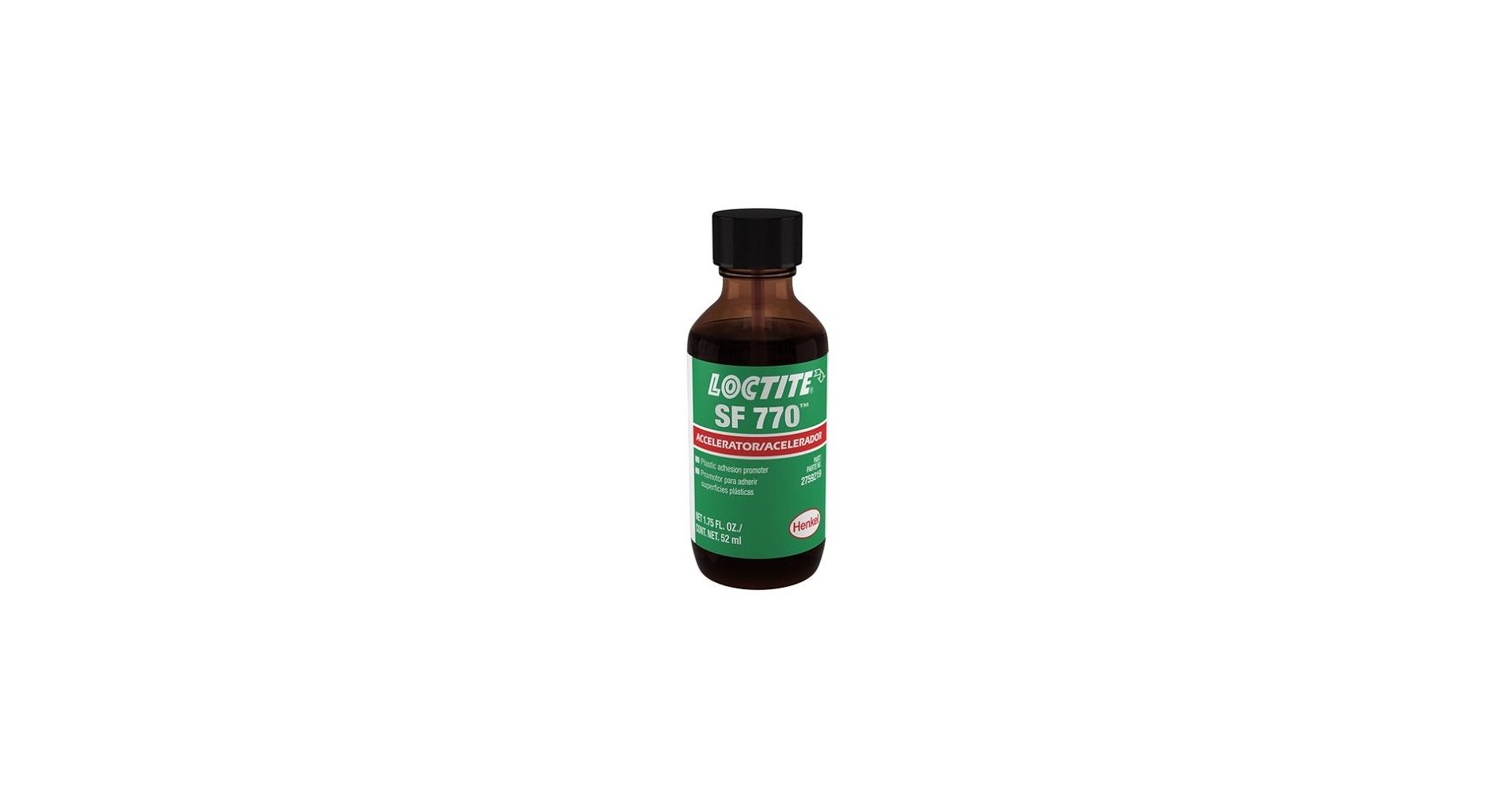
Quick super glue fixes on mixed plastics.
Loctite SF 770 Primer Cyanoacrylate accelerator/primer for plastics, instant tack.