

3M Tape Primer 94
General-purpose for structural tapes on automotive glass.
$24.99
3M Tape Primer 94 Versatile silane-acrylic hybrid excels on glass for tapes/adhesives, boosting adhesion 300% via chemical keying.
Get the App
Better experience on mobile
Learn top adhesive primers for superior glass bonding, their chemistry, application, and pro recommendations for flawless results.
Bonding adhesives to glass often fails due to its ultra-smooth, non-porous surface with low surface energy—leading to peeling, delamination, or weak grips in automotive, marine, signage, and fabrication projects. For advanced users tackling high-stakes applications, selecting the right primer is crucial to chemically bridge the adhesive and glass substrate.
This guide breaks down the science of adhesive primers for glass, from silane mechanisms to application best practices. You'll gain the knowledge to choose, apply, and test primers effectively, ensuring bonds that withstand stress, moisture, and UV. Expect technical depth with actionable steps—no fluff, just pro-level insights for 20-30 minutes of reading.
By the end, you'll identify primers that enhance grip by 200-500%, avoiding costly reworks in your projects.
Estimated Time: 20-30 minutes to read; 45-60 minutes for hands-on testing Difficulty: advanced
Glass, primarily silica-based (SiO2), has a critical surface tension of ~70 mN/m but forms weak van der Waals bonds with organics. Its hydrophilicity drops post-cleaning due to hydrocarbon contamination, causing poor wetting (contact angle >30°).
This results in mechanical failure under shear or peel stress. Primers address this by functionalizing the surface. Expect to measure surface energy via dyne pens for baseline assessment.
Pro insight: Dirty glass fails 80% of bonds—always quantify cleanliness.
💡 Tips:
⚠️ Warnings:
Adhesive primers are low-viscosity formulations (solvent + reactive monomer) that modify substrates. For glass, they hydrolyze to form silanol groups (Si-OH), which condense with SiO2, creating covalent Si-O-Si bonds.
Key metric: Peel strength improves from <5 N/cm (no primer) to >20 N/cm. Analogous to 'Velcro for molecules'—one side anchors to glass, the other to adhesive polymer.
💡 Tips:
Silanes like γ-glycidoxypropyltrimethoxysilane (GPTMS) or aminopropyltriethoxysilane (APTES) dominate for glass. They undergo sol-gel reactions: Alkoxy groups hydrolyze, then crosslink.
Compare: Acrylic primers (e.g., chlorinated polyolefins) work via mechanical keying but fail in wet conditions; silanes excel in durability (ASTM D903 lap shear >1000 psi). Use for epoxies, silicones, polyurethanes.
⚠️ Warnings:
Match primer to adhesive chemistry:
Test compatibility via lap shear (ASTM D1002). Advanced users: FTIR spectroscopy confirms bonding.
💡 Tips:
Degrease with IPA, flame-treat (propane torch, 10s pass) or plasma etch for 50-100% energy boost. Abrade lightly if frosted glass needed.
Why? Removes oxides, exposes fresh SiO2. Expect flash-off solvent evaporation in 30s.
⚠️ Warnings:
Wipe or brush thin layer (0.5-2 mils DFT). Allow 1-5 min flash-off; humidity <60% ideal for hydrolysis.
Even coverage prevents pooling—dry primer looks uniform, non-tacky. Apply adhesive within dwell time (per TDS).
💡 Tips:
Fixture under pressure (10-50 psi, 24h RT or heat accelerate). Test: Manual peel, then Instron machine (180° peel >15 pli success).
Monitor for chalking (UV failure) or blushing (moisture).
⚠️ Warnings:
Problem: Poor wetting (high contact angle)
Solution: Re-clean with plasma or acid etch; verify primer freshness.
Problem: Bubbling/delamination post-cure
Solution: Reduce humidity <50%; extend flash-off 2x.
Problem: White haze (blushing)
Solution: Improve ventilation; switch low-blush silane.
Problem: Weak peel under load
Solution: Mismatch? Switch primer chemistry; add coupling agent.
Versatile silane-acrylic hybrid excels on glass for tapes/adhesives, boosting adhesion 300% via chemical keying.
Best for: General-purpose for structural tapes on automotive glass.
Price Range: $24.99
Methacrylate-based for cyanoacrylates on glass, rapid cure, high shear strength (>2000 psi).
Best for: Quick bonds in signage or electronics on glass.
Price Range: $35-$45
Nylon-free silane for tough plastics/glass, solvent carrier ensures deep penetration.
Best for: Industrial silicone/epoxy bonds on curved glass.
Price Range: $50-$60
One-component silane for silicones on glass, moisture-cure stable in humid environments.
Best for: Marine/aquarium seals requiring water resistance.
Price Range: $40-$55
Epoxy-functional silane coupling agent, premium for high-modulus epoxies on glass fiber composites.
Best for: Advanced composites or aerospace glass laminates.
Price Range: $80-$100
General-purpose for structural tapes on automotive glass.
3M Tape Primer 94 Versatile silane-acrylic hybrid excels on glass for tapes/adhesives, boosting adhesion 300% via chemical keying.
Quick bonds in signage or electronics on glass.
Permabond POP Primer Methacrylate-based for cyanoacrylates on glass, rapid cure, high shear strength (>2000 psi).
Industrial silicone/epoxy bonds on curved glass.
Loctite SF 770 Primer Nylon-free silane for tough plastics/glass, solvent carrier ensures deep penetration.
Marine/aquarium seals requiring water resistance.
Dow CORNING (XIAMETER) Primer OS-20 One-component silane for silicones on glass, moisture-cure stable in humid environments.
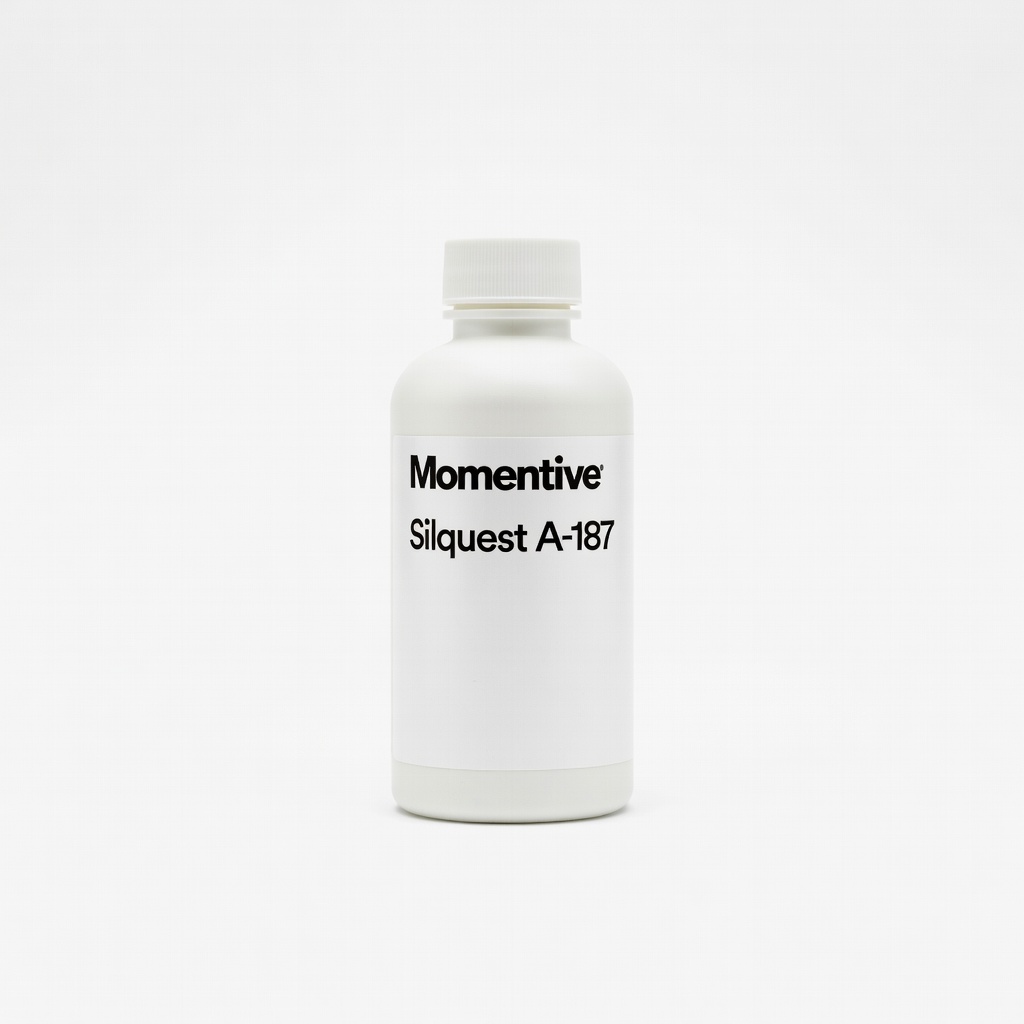
Advanced composites or aerospace glass laminates.
Momentive Silquest A-187 Epoxy-functional silane coupling agent, premium for high-modulus epoxies on glass fiber composites.