Bonding metal to plastic is a common challenge in DIY repairs, automotive work, and manufacturing. Metals like aluminum or steel have high surface energy, making them easy to bond, but plastics like polypropylene (PP), polyethylene (PE), or PTFE have low surface energy, resisting adhesives and leading to weak or failed bonds. Without the right primer, your project could fail under stress or vibration.
In this guide, you'll learn the science behind adhesive primers that bridge this gap, key types and chemistries, how to choose and apply them, and product recommendations. Expect to grasp concepts from basic surface prep to advanced matching—no hands-on time needed, just 15 minutes of reading for intermediate DIYers or pros.
By the end, you'll confidently select primers for durable bonds in projects like repairing bumper tabs to frames or assembling electronics housings.
▸What You'll Need
- •Basic knowledge of adhesives (cyanoacrylate, epoxy, acrylic)
- •Safety gear: nitrile gloves, safety glasses, well-ventilated workspace (required for application)
- •Surface prep tools: isopropyl alcohol (>90%), lint-free cloths, sandpaper (400-600 grit)
- •Compatible adhesive (e.g., super glue, epoxy)
- •Timer for drying (optional but recommended)
Estimated Time: 15-20 minutes to read and understand
Difficulty: intermediate
▸Step-by-Step Instructions
Step 1: Understand Why Metal and Plastic Don't Bond Easily
Metals have polar surfaces with high surface energy (>1000 dynes/cm), allowing adhesives to 'wet' and grip well. Plastics, especially polyolefins like PP or PE, have low surface energy (30-40 dynes/cm), causing adhesives to bead up like water on wax.
This mismatch leads to mechanical failure. Primers chemically alter the plastic surface, increasing energy to 60-70 dynes/cm for better wetting. Analogy: Primer is like roughening ice for tire grip.
Expect oily residues or mold release agents on plastics worsening issues—always clean first.
💡 Tips:
- •Test surface energy with dyne pens for plastics (>38 dynes ideal post-primer)
⚠️ Warnings:
- •Never bond dirty or oily surfaces—failure rate skyrockets
Step 2: Learn What Adhesive Primers Do
Adhesive primers are thin, solvent-based coatings applied before glue. They contain adhesion promoters that form chemical bridges: one end bonds to plastic substrate, the other to adhesive.
For metal-plastic, primers target the plastic while enhancing metal's oxide layer. They evaporate solvent quickly, leaving a micro-thin active layer. Why it matters: Increases bond strength 5-10x.
Common in automotive (dash repairs) and medical devices.
💡 Tips:
- •Choose solvent-based over water-based for faster dry and stronger bonds
Step 3: Know Key Surface Types and Challenges
Metals: Aluminum (oxide-prone), steel (rusts). Plastics: Thermoplastics (PP, ABS, PVC) vs. thermosets (epoxy). Low-energy plastics (PP, PE, TPE) need aggressive primers; high-energy (ABS, nylon) need less.
Prep metal by abrading to expose fresh oxide; plastics by flame/ plasma if possible (DIY: IPA wipe).
Why: Ensures primer adheres first.
⚠️ Warnings:
- •Avoid sanding plastics too aggressively—can crack or embed contaminants
Step 4: Explore Types of Primers for Metal-Plastic Bonds
- •Polyolefin primers (for PP/PE): Chlorinated polyolefin (CPO) based.
- •Silane primers: For epoxies/urethanes on metals/plastics.
- •Cyanoacrylate (CA) primers: Acidic activators for instant glues.
- •Universal: For tapes/adhesives like 3M promoters.
Select based on plastic type—e.g., CPO for auto bumpers.
💡 Tips:
- •Check TDS (technical data sheet) for your plastic/adhesive combo
Step 5: Dive into Primer Chemistries
CPO primers: Chlorinate plastic surface for polarity. Silanes: Hydrolyze to form covalent bonds (Si-O-Metal, Si-O-Plastic). Acid primers for CA: Catalyze polymerization.
Analogy: Silanes are molecular Velcro hooks. Expect 1-5 min open time post-application.
Pro: Match chemistry to adhesive family for synergy.
Step 6: Match Primer to Your Adhesive and Project
CA glues: Use POP or SF770. Epoxies: Silane like AP-111. Acrylics: AC77. Test small area.
Factors: Environment (wet? heat?), load (shear/peel?). Why: Mismatch = 50% strength loss.
For auto: Vibration-resistant CPO.
💡 Tips:
- •Lap shear test: >1000 psi ideal for structural
Step 7: Apply Primer Correctly
- •Clean surfaces. 2. Shake primer 30s. 3. Apply thin coat (wick test: absorbs in seconds) via swab/brush/aerosol. 4. Wait 1-5 min dry. 5. Apply adhesive within open time.
Thin is key—thick layers crack. Ventilate: Solvents flammable/toxic.
⚠️ Warnings:
- •Don't over-apply; excess weakens bonds
Step 8: Test and Cure Your Bond
Clamp 30-60 min, full cure 24h. Test: Twist/peel. Good bond: No delam. Fail? Reprep.
Monitor: Humidity slows cure. Success: Withstands 200% original strength.
💡 Tips:
- •Use UV light for some primers to speed activation
▸Pro Tips
- •Always flame-treat PP/PE if possible (butane torch, 2s pass)—boosts adhesion 300%
- •Store primers in freezer for 1+ year shelf life
- •Mix primer with dye for even coverage visibility
- •For oily metals, use vapor degrease before priming
- •Pair with structural adhesives for high-load apps
- •Document combos in notebook for repeat projects
- •Buy small pens for precision DIY work
▸Common Mistakes to Avoid
- •Skipping surface cleaning: Oils block 90% of primer adhesion—always IPA wipe twice
- •Using wrong primer for plastic type: E.g., CA primer on epoxy fails—check compatibility charts
- •Applying too thick: Leads to brittle, cracking layers—aim for 0.1 mil thickness
- •Ignoring cure times: Rushing causes premature failure under load
- •Bonding without clamping: Uneven pressure gaps weaken shear strength
▸Troubleshooting
Problem: Weak or peeling bond
Solution: Reclean surfaces, verify primer-adhesive match, abrade more aggressively. Test dyne level.
Problem: Primer doesn't dry or beads up
Solution: Surface contaminated; use IPA/acetone wipe. Ensure ventilation for solvent evap.
Problem: Bond fails after exposure to moisture/heat
Solution: Wrong chemistry—switch to silane for humidity. Seek pro for structural apps.
Problem: Brittle bond
Solution: Over-primed or old materials; thin next coat, check expiration.
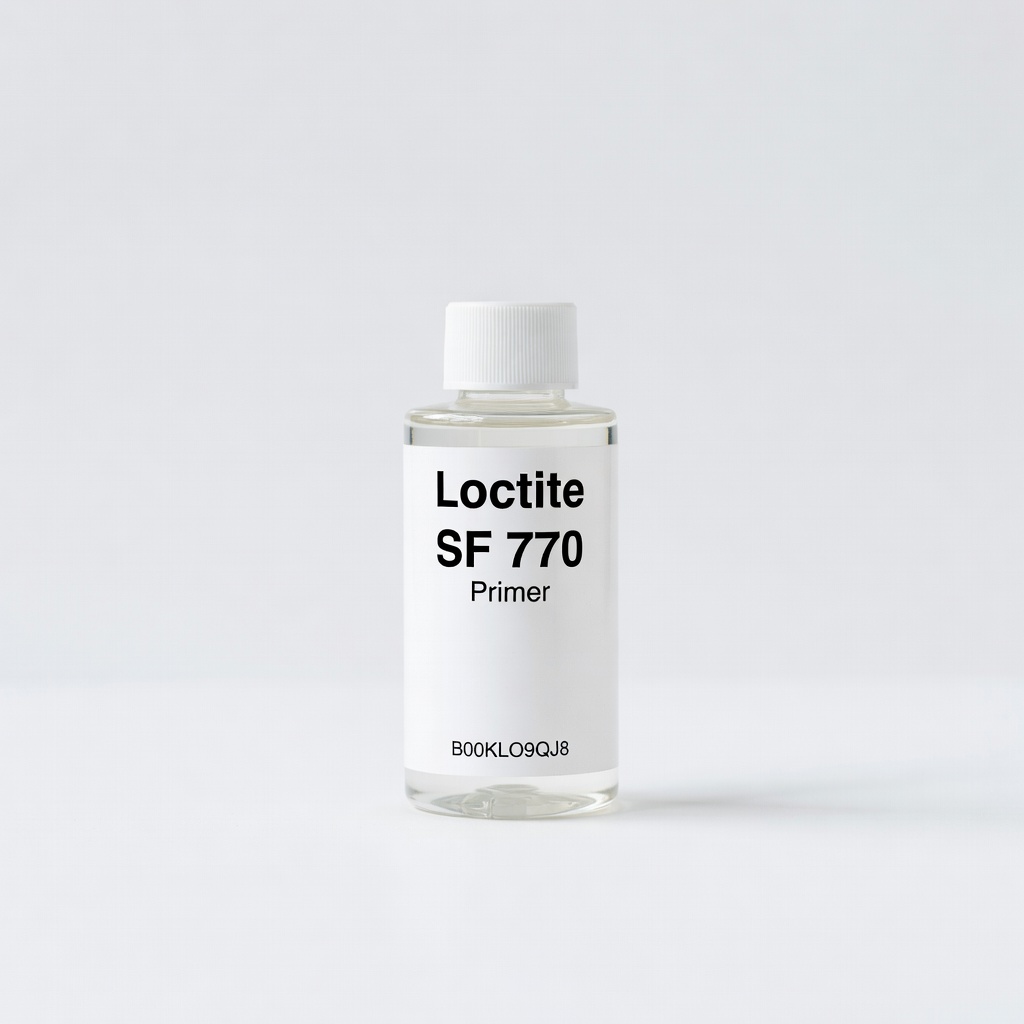
Loctite SF 770 Primer (ASIN: B00KLO9QJ8)
Top choice for low-energy plastics (PP, PE) bonding to metals with cyanoacrylate glues; creates polar sites for 10x strength.
Best for: Automotive plastic-to-metal repairs like fender clips.
Price Range: $25-$35
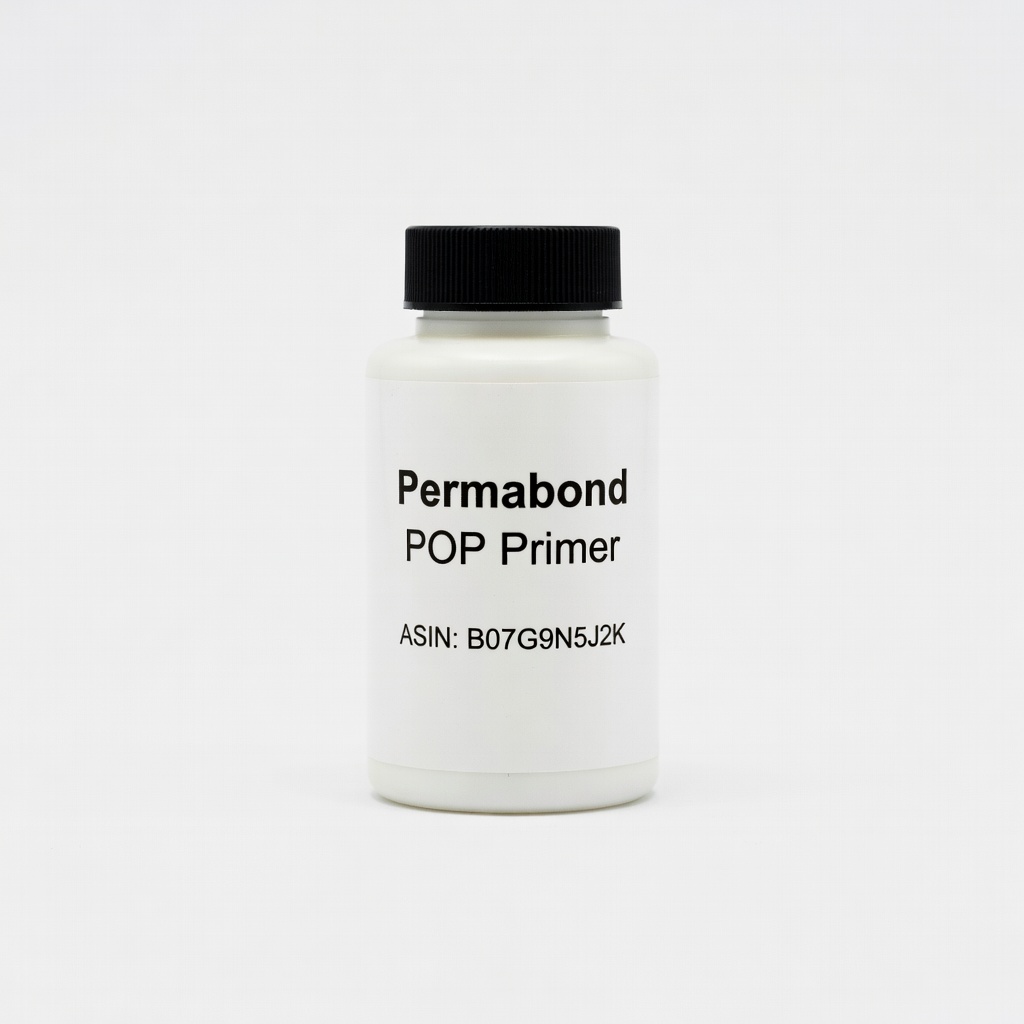
Permabond POP Primer (ASIN: B07G9N5J2K)
Specialized for polyolefins, non-CFC formula activates CA adhesives on plastics to metals without corrosion.
Best for: Electronics housings or hobby models needing quick bonds.
Price Range: $30-$40
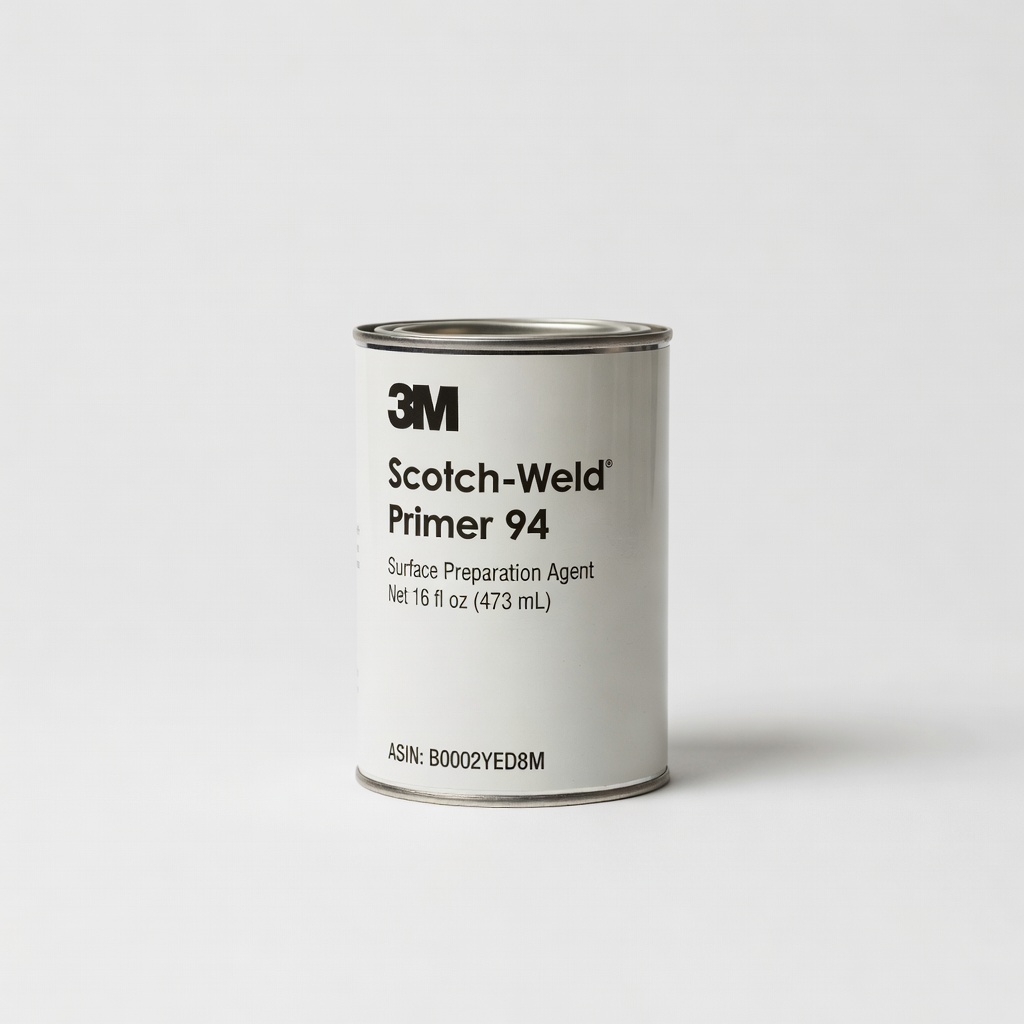
3M Scotch-Weld Primer 94 (ASIN: B0002YED8M)
Versatile for plastics and metals, enhances tape/adhesive grip; rubber toughened for flexibility.
Best for: Industrial assemblies or double-sided tape bonds.
Price Range: $20-$30
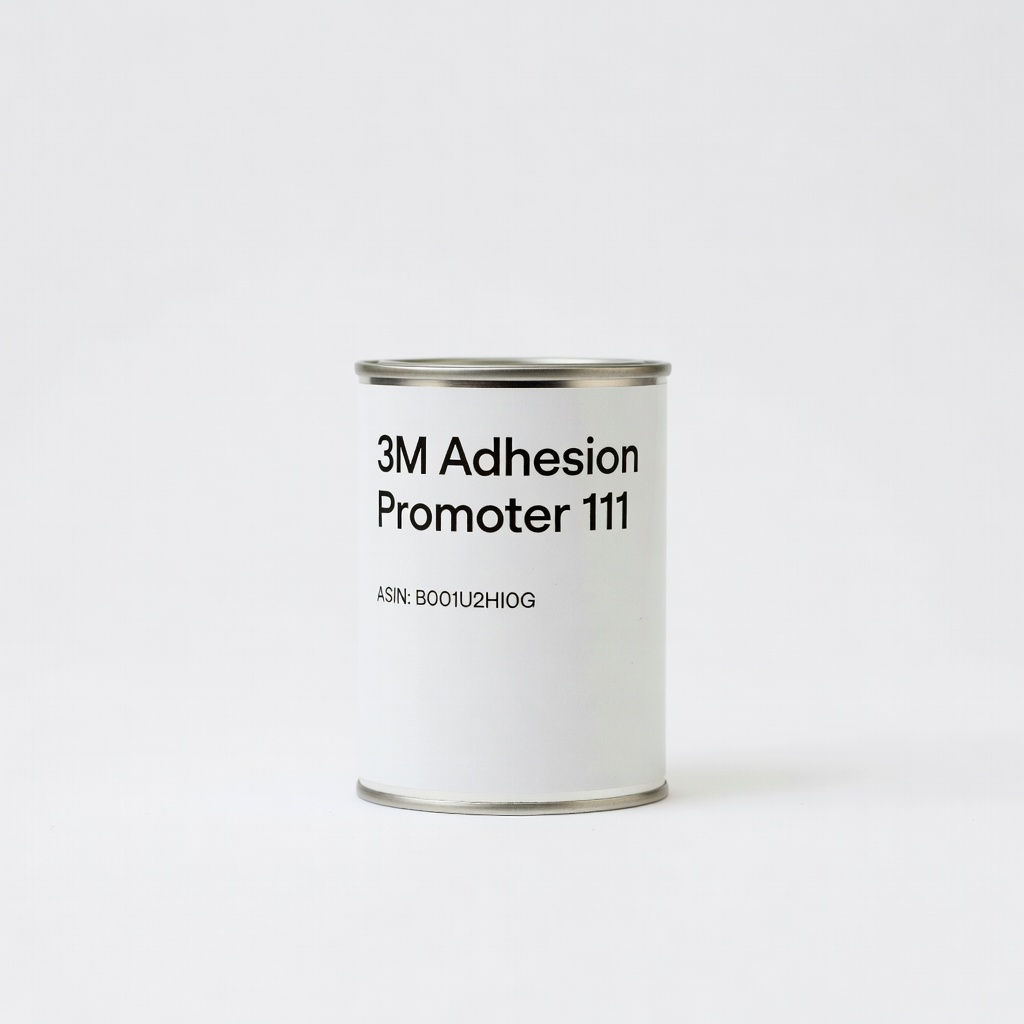
3M Adhesion Promoter 111 (ASIN: B001U2HI0G)
Isopropyl alcohol-based, no harsh solvents; primes plastics for acrylic/epoxy to metals.
Best for: Quick DIY fixes like tool handles.
Price Range: $15-$25
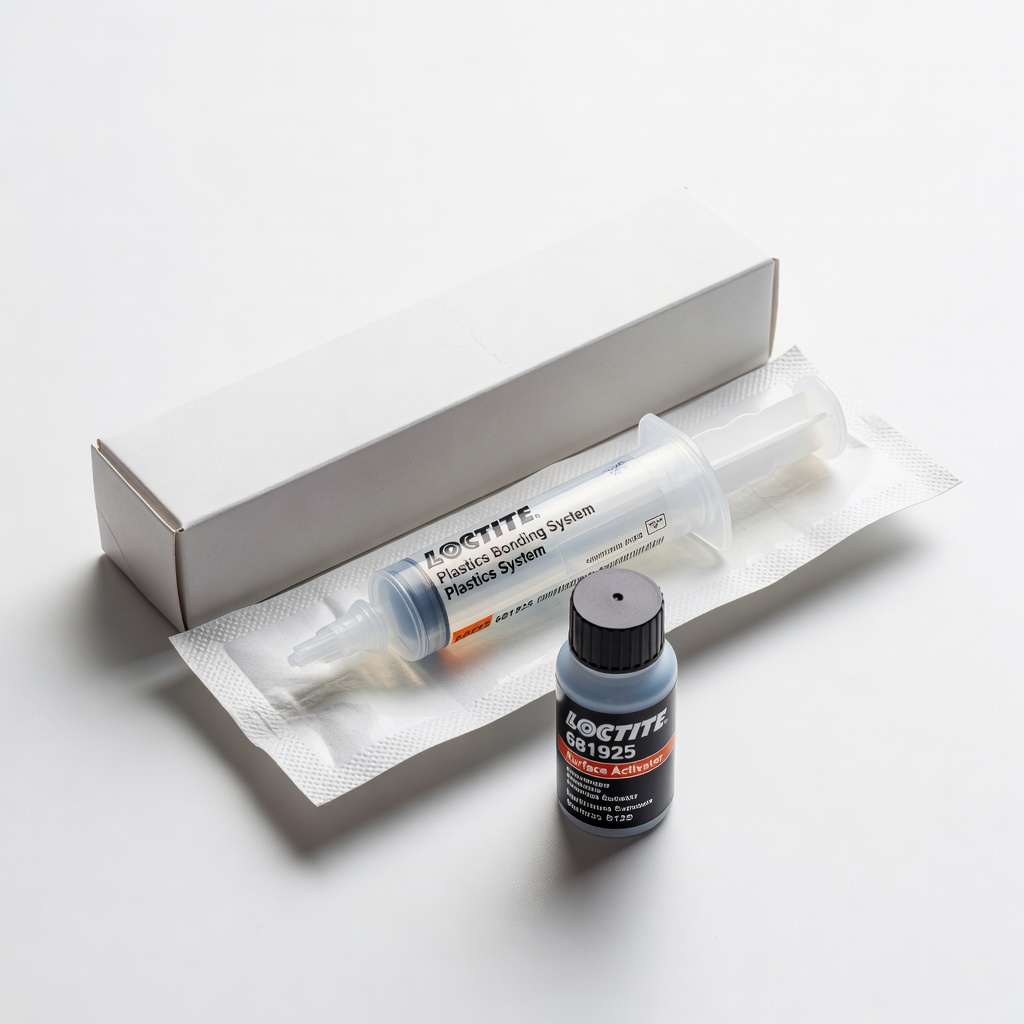
Loctite 681925 Plastics Bonding System (ASIN: B000I1RSNS)
All-in-one kit with primer and super glue tailored for hard-to-bond plastics to metals.
Best for: Beginner-friendly home repairs.
Price Range: $8-$12