
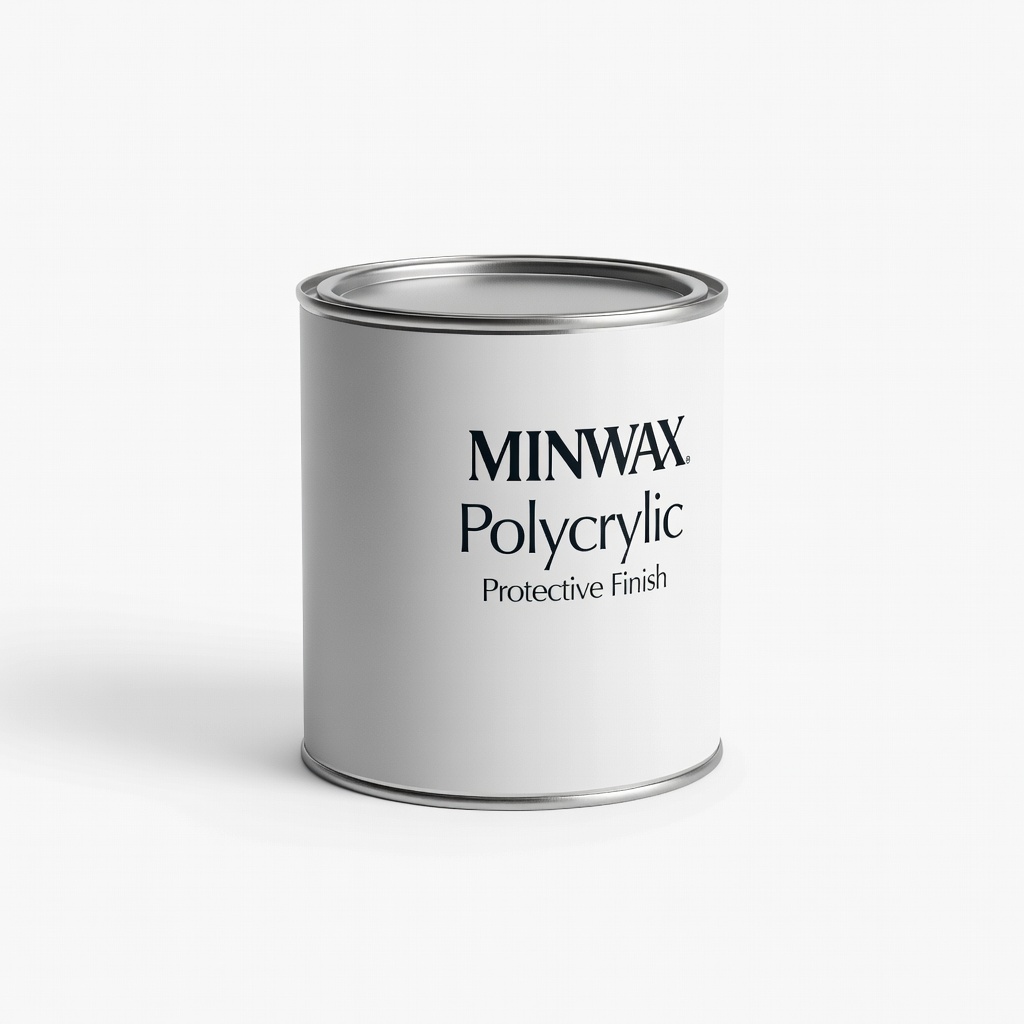
Minwax Polycrylic Protective Finish
Indoor decorative pieces like signs or frames.
$12-18
Minwax Polycrylic Protective Finish Water-based with excellent adhesion on stained/painted wood, low odor, fast dry for crafts.
Get the App
Better experience on mobile
Learn top adhesive finishing products that protect wood crafts from moisture and wear, with step-by-step selection and application for durable results.
Wood crafts look stunning fresh from the workshop, but without proper sealing, they crack, warp, or fade quickly from humidity, handling, or spills. Intermediate woodworkers often struggle choosing finishes that adhere strongly without yellowing or peeling, especially on porous woods like pine or oak.
In this guide, you'll discover what makes a finishing product 'adhesive' (strong bonding to wood), explore types like polyurethanes and oils, and get actionable steps to select and apply them. Expect to understand pros/cons, with tips for flawless results on crafts like signs, boxes, or ornaments. Perfect for 1-2 hour projects after surface prep.
Estimated Time: 30 minutes to read; 1-2 hours per project including drying Difficulty: intermediate
Start with abrasion: Sand your wood craft smooth using 220-grit sandpaper to remove mill marks and open pores for better finish adhesion. Progress to 320-grit for a silky feel. This creates 'tooth' for the sealer to grip, preventing peeling.
Why it matters: Raw wood fibers must be uniform; rough spots trap dirt, leading to bubbles. Expect sawdust everywhere—vacuum thoroughly after.
💡 Tips:
⚠️ Warnings:
Wipe the sanded surface with a tack cloth or damp microfiber cloth followed by dry wipe. This ensures zero contaminants interfere with adhesion.
Dust is the #1 adhesion killer— even microscopic particles cause fisheyes (craters in finish). Your wood should feel tack-free and look clean.
💡 Tips:
Penetrating sealers like Danish oil soak into wood, enhancing grain while providing water resistance. They 'adhere' by polymerizing inside fibers, ideal for cutting boards or turned items.
Pros: Natural look, easy repair. Cons: Less surface protection, reapply yearly. Apply with cloth, wipe excess after 15 min.
💡 Tips:
Paste waxes (e.g., Briwax) fill pores and buff to shine, offering good adhesion on sealed surfaces. Great for decorative crafts needing a soft luster.
Rub on, let haze (20 min), buff off. Provides moisture barrier but scratches easily—top with poly for durability.
⚠️ Warnings:
Polyurethanes (water- or oil-based) form a hard, clear film with superior adhesion via cross-linking. Water-based dry fast, low odor; oil-based warmer tone but yellow over time.
Best for shelves or signs. Thin first coat 50%, brush evenly, sand lightly between coats.
💡 Tips:
Shellac (natural resin/alcohol) seals fast with universal adhesion—even over oily woods. Lacquer sprays dry in minutes for pro results.
Shellac: Brush dewaxed for topcoats. Lacquer: Thin coats to avoid runs. Both amber slightly.
⚠️ Warnings:
On scrap wood, apply sealer and do crosshatch test: Score grid, tape, pull—if no peel, it adheres well.
Apply 2-3 thin coats, sanding lightly (400-grit) between. Full cure: 7-30 days depending on type.
💡 Tips:
Allow full cure before use. Maintain with light sanding and reapplication yearly.
Sealed crafts last decades; buff scratches with steel wool and recoat.
Problem: Fisheyes (craters) in finish
Solution: Clean with naphtha, add flow-out additive; silicone contamination common.
Problem: Blushing (cloudy/white)
Solution: Improve ventilation; wipe with retarder-solvent mix.
Problem: Peeling after weeks
Solution: Poor prep—strip, resand, prime with dewaxed shellac.
Problem: Yellowing on clear coat
Solution: Switch to water-based poly; UV blockers help.
Water-based with excellent adhesion on stained/painted wood, low odor, fast dry for crafts.
Best for: Indoor decorative pieces like signs or frames.
Price Range: $12-18
Superior durability and scratch resistance, molecular cross-linking for strong wood bond.
Best for: High-wear crafts like coasters or toys.
Price Range: $15-25
Penetrates deeply for natural seal, easy wipe-on adhesion without brush marks.
Best for: Grain-enhancing for bowls or furniture accents.
Price Range: $13-20
Universal adhesion even on tricky surfaces, quick seal and sandable base.
Best for: Sealer under topcoats or French polishing.
Price Range: $18-25
Blend of oil/wax for food-safe seal with buffable shine and adhesion.
Best for: Cutting boards or antique-style crafts.
Price Range: $8-12
Indoor decorative pieces like signs or frames.
Minwax Polycrylic Protective Finish Water-based with excellent adhesion on stained/painted wood, low odor, fast dry for crafts.
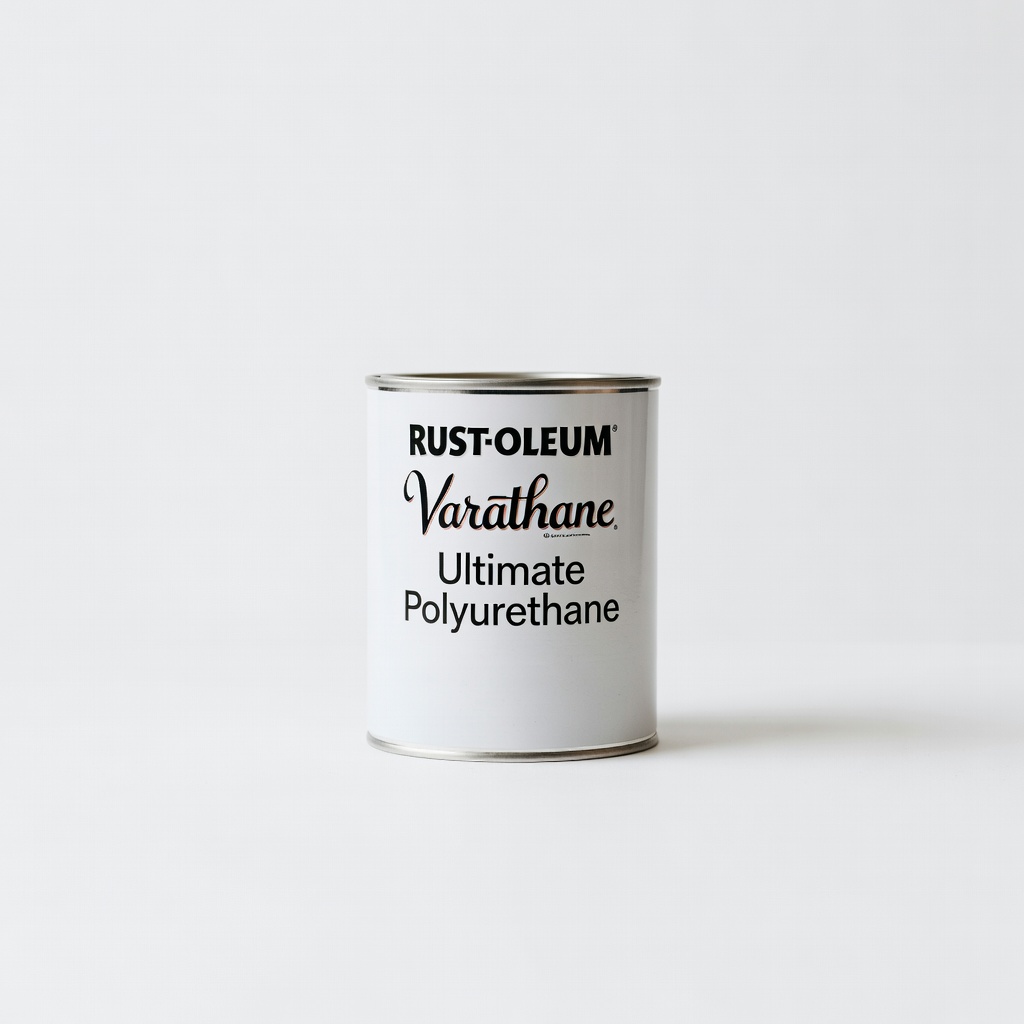
High-wear crafts like coasters or toys.
Rust-Oleum Varathane Ultimate Polyurethane Superior durability and scratch resistance, molecular cross-linking for strong wood bond.
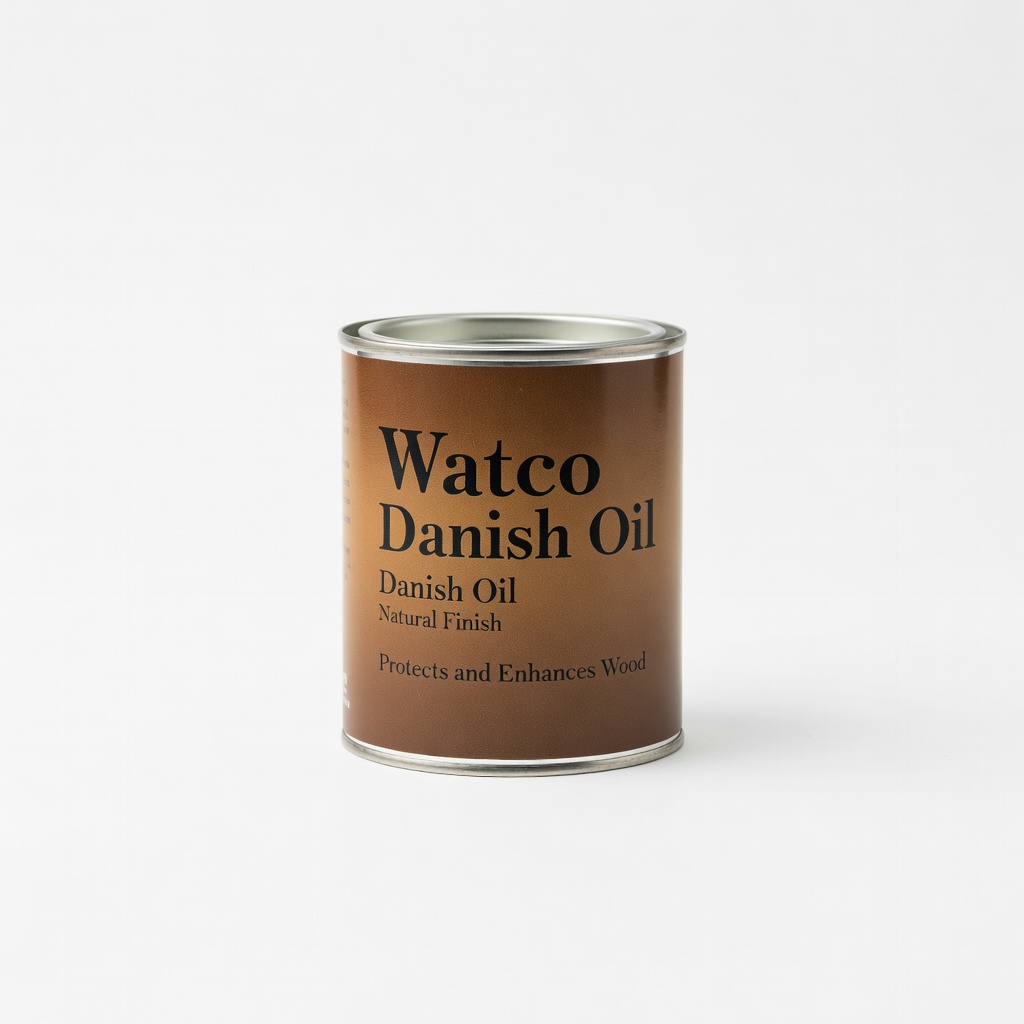
Grain-enhancing for bowls or furniture accents.
Watco Danish Oil Penetrates deeply for natural seal, easy wipe-on adhesion without brush marks.
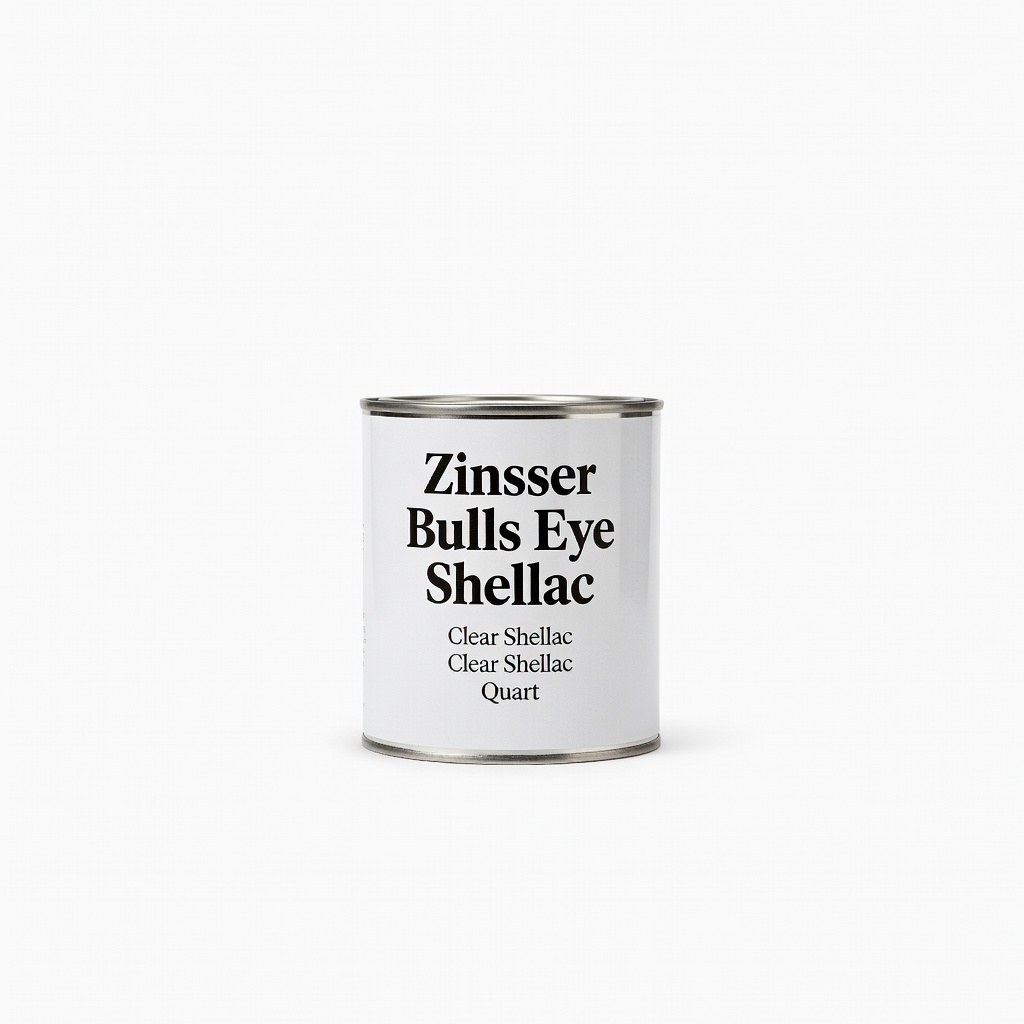
Sealer under topcoats or French polishing.
Zinsser Bulls Eye Shellac Universal adhesion even on tricky surfaces, quick seal and sandable base.
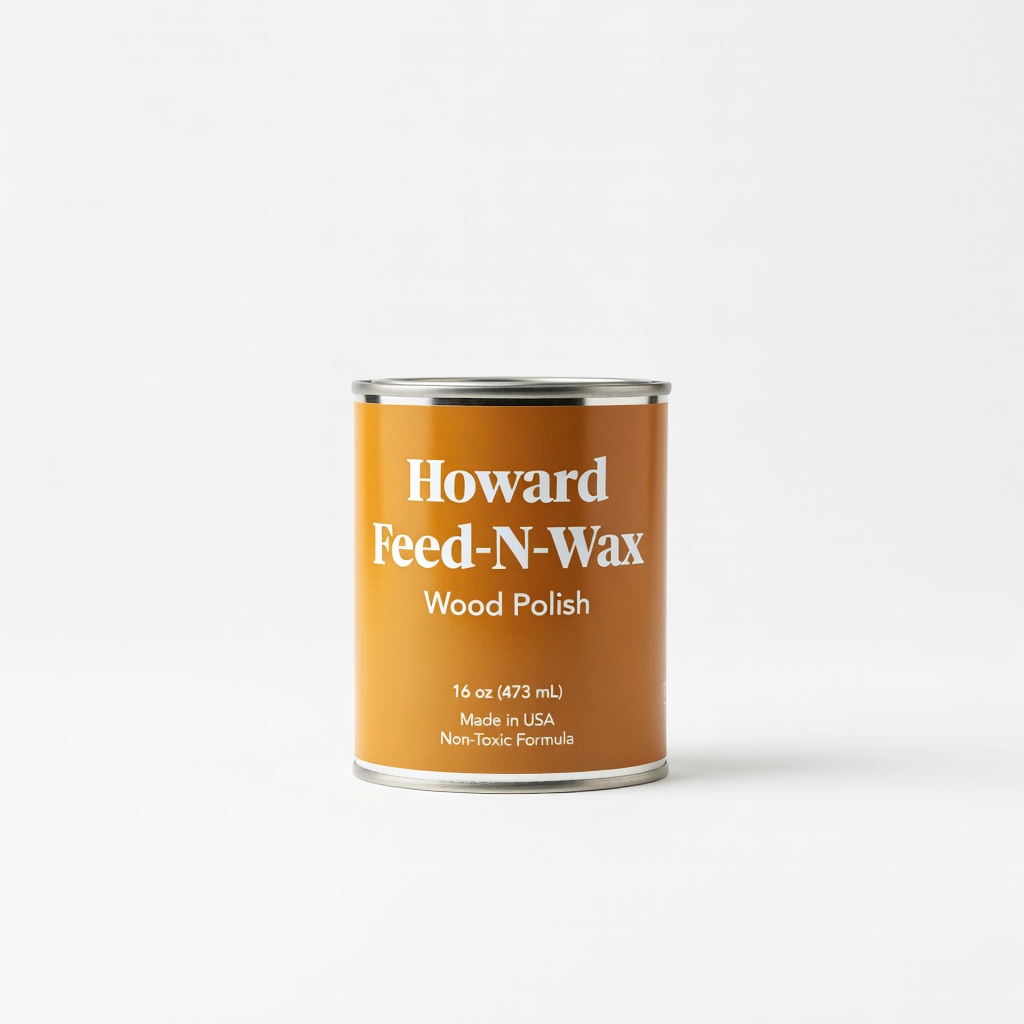
Cutting boards or antique-style crafts.
Howard Feed-N-Wax Wood Polish Blend of oil/wax for food-safe seal with buffable shine and adhesion.