
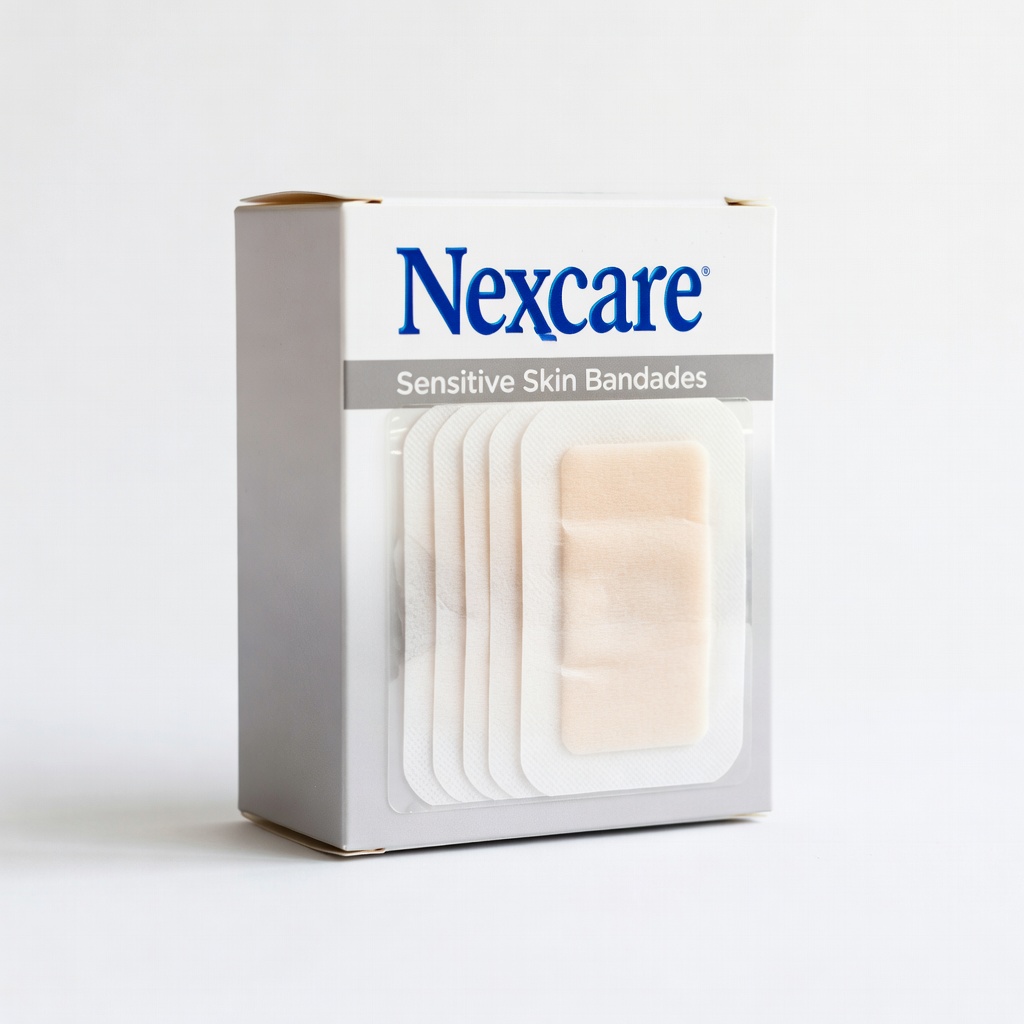
Nexcare Sensitive Skin Bandages
Everyday cuts/scrapes on arms, legs for adults/kids.
$4.99-$6.99
Nexcare Sensitive Skin Bandages Latex-free, paper-based adhesive that's 8x gentler on sensitive skin, dermatologist recommended.
Get the App
Better experience on mobile
Learn key features, types, and top picks to choose irritation-free bandages that protect without causing rashes or discomfort.
Dealing with cuts or scrapes on sensitive skin can turn a minor injury into a major itch-fest if you grab the wrong bandage. Regular adhesive bandages often contain latex, fragrances, or harsh glues that trigger redness, itching, or allergic reactions in up to 10% of people with sensitive skin. This guide breaks it down so you can heal comfortably.
You'll discover what makes a bandage 'sensitive-skin friendly,' how to spot safe options on labels, and real product recommendations. No more trial-and-error—get protection that sticks without the sting. Expect to spend just 10 minutes reading to become a pro at picking the right one.
Think of it like choosing shoes for blisters: you need soft, breathable materials that won't rub you raw. We'll cover everything from basics to advanced tips.
Estimated Time: 10-15 minutes to read and understand Difficulty: beginner
Sensitive skin reacts strongly to common irritants like adhesives, dyes, or preservatives. It's not just dry skin—it's often linked to conditions like eczema, psoriasis, or allergies. Symptoms include redness, itching, or blisters under bandages.
Why it matters: Standard bandages use zinc oxide or rubber-based glues that 1 in 10 people can't tolerate. Expect tender, fair, or allergy-prone skin to need gentler options for faster, itch-free healing.
Analogy: Like wearing wool socks on a rash—harsh materials worsen it.
💡 Tips:
⚠️ Warnings:
Look for hypoallergenic labels—these avoid latex, fragrances, dyes, and parabens. Silicone-based adhesives are gold standards: they stick gently, remove painlessly, and reduce trauma by 50% per studies.
Other must-haves: Breathable pads (cotton or hydrocolloid), flexible fabric (not plastic), and sterile sealing. Why? They allow air/moisture flow, preventing maceration (soggy skin). Expect less peeling and better healing.
Pro tip: Check for 'dermatologist-tested' or 'National Eczema Association Seal'.
💡 Tips:
Paper tape bandages: Ultra-gentle, breathable for light wounds. 2. Silicone bandages: Repositionable, ideal for kids/elderly. 3. Hydrocolloid: Gel-forming for blisters, waterproof.
Fabric strips with gentle adhesive: Flexible for joints. Avoid cloth/plastic—too sticky. Examples: Nexcare paper vs. standard Band-Aid.
Why types matter: Matches wound type (e.g., silicone for frequent changes). Expect 24-48 hour wear without irritation.
💡 Tips:
⚠️ Warnings:
Red flags: Latex (allergy risk), acrylic adhesives (harsh removal), zinc/paraffin (clogs pores), dyes/fragrances (contact dermatitis).
Common culprits: Cheap generics or kids' character bandages. Why avoid? They cause 80% of bandage reactions per dermatology reports. Expect peeling skin or infection if used.
Safe swaps: Acrylic-free paper or medical-grade silicone.
Patch test: Clean inner arm, apply 2x2" piece for 24-48 hours. Check for rash/itch. Why? Predicts reactions on wounds.
Steps: 1. Wash area. 2. Apply. 3. Monitor. Expect no reaction for safe use. Rotate brands if needed.
Analogy: Like tasting food before a full meal.
💡 Tips:
⚠️ Warnings:
Clean wound with saline, pat dry. Round edges, press gently 30 seconds. Change daily or if wet. Why? Reduces shear force, prevents lifting/irritation.
Remove with oil/adhesive remover spray. Expect pain-free peel with silicone.
If reactions persist, switch to no-adhesive pads + tape. See doc for chronic issues. Why? Rules out infection/allergies.
⚠️ Warnings:
Problem: Rash after 24 hours
Solution: Remove immediately, wash with fragrance-free soap, apply hydrocortisone cream. Switch to silicone.
Problem: Bandage won't stick
Solution: Skin too oily/moist—pat dry thoroughly or use skin prep wipe.
Problem: Pain on removal
Solution: Soak with baby oil 5 mins first. Upgrade to silicone-based.
Problem: Wound not healing
Solution: Check for infection (pus/redness); see doctor if persists >3 days.
Latex-free, paper-based adhesive that's 8x gentler on sensitive skin, dermatologist recommended.
Best for: Everyday cuts/scrapes on arms, legs for adults/kids.
Price Range: $4.99-$6.99
Hypoallergenic glue, flexible for movement, no fragrances/dyes.
Best for: Joints/knees where bending causes peeling.
Price Range: $5.49-$7.99
Breathable, non-irritating adhesive tested for allergies.
Best for: Larger wounds needing pad protection.
Price Range: $8.99-$12.99
Medical-grade silicone, painless removal, ideal for very sensitive/eczema skin.
Best for: DIY on non-adherent pads for chronic issues.
Price Range: $15-$20
Everyday cuts/scrapes on arms, legs for adults/kids.
Nexcare Sensitive Skin Bandages Latex-free, paper-based adhesive that's 8x gentler on sensitive skin, dermatologist recommended.
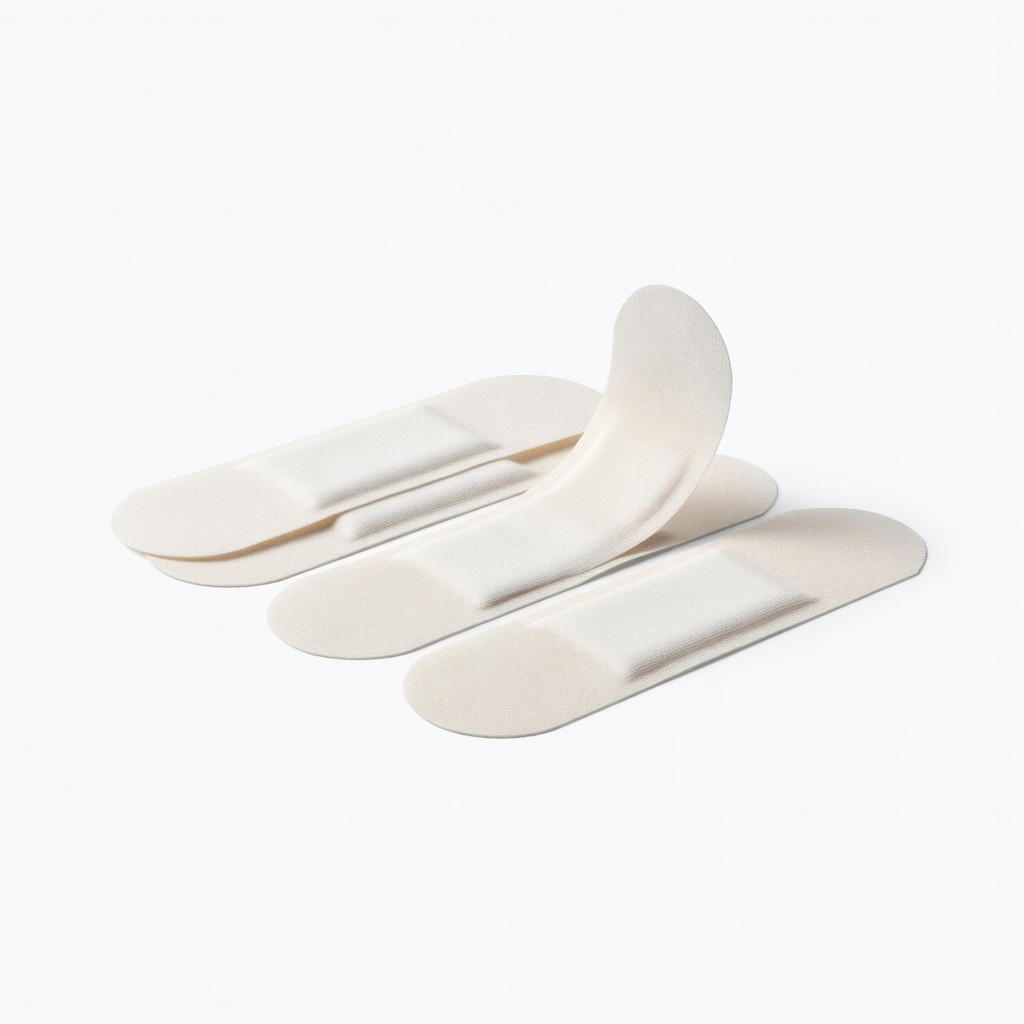
Joints/knees where bending causes peeling.
Band-Aid Sensitive Skin Flexible Fabric Bandages Hypoallergenic glue, flexible for movement, no fragrances/dyes.
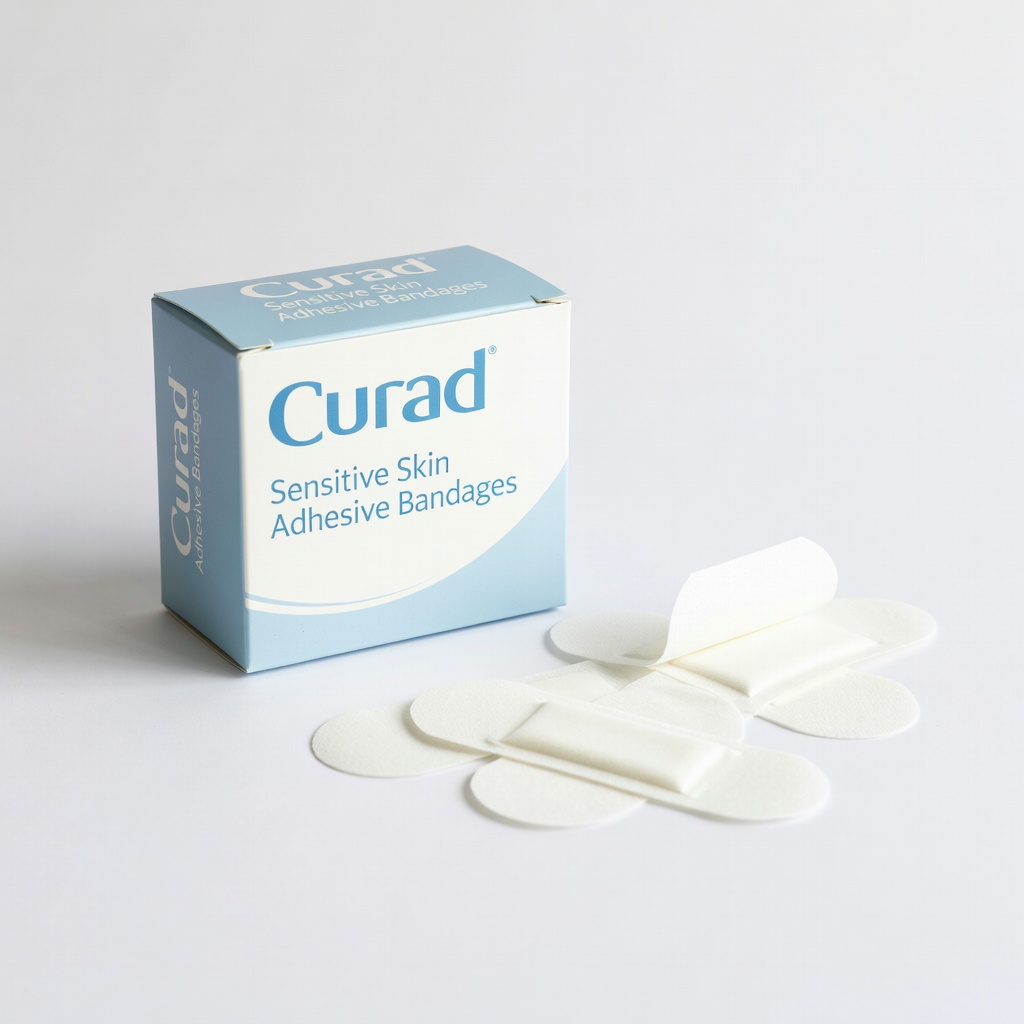
Larger wounds needing pad protection.
Curad Sensitive Skin Adhesive Bandages Breathable, non-irritating adhesive tested for allergies.
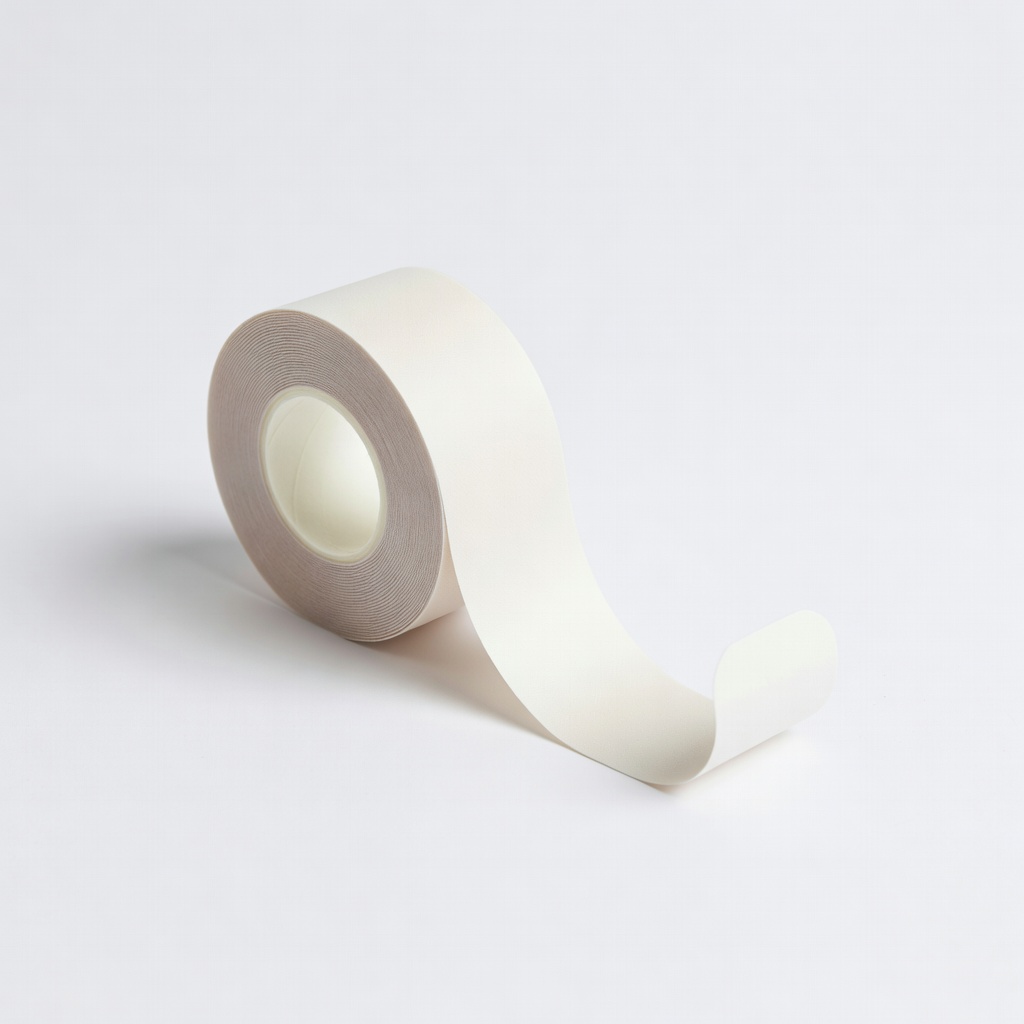
DIY on non-adherent pads for chronic issues.
Mepitac Silicone Tape (for custom bandages) Medical-grade silicone, painless removal, ideal for very sensitive/eczema skin.