
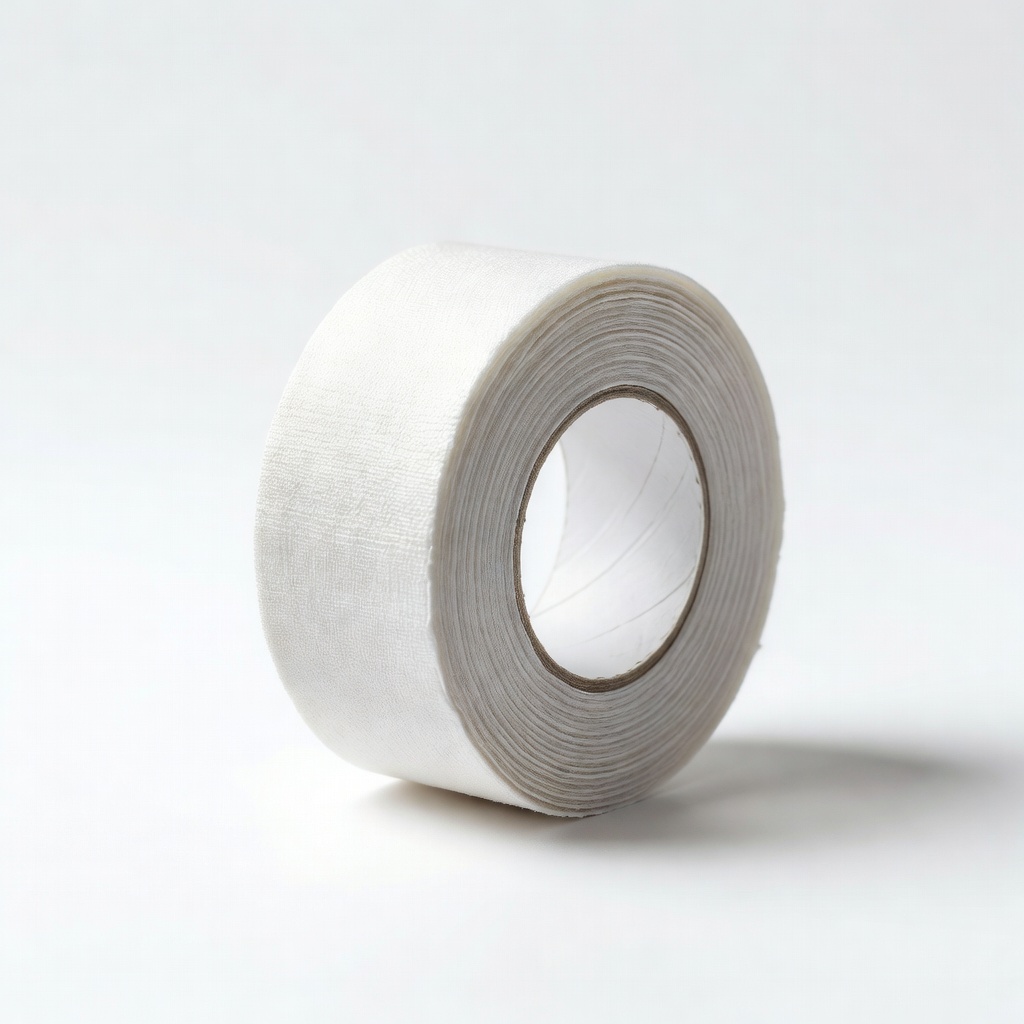
Leukotape Sports Tape
Pre-hike wrapping on heels/toes for multi-day hikes.
$14.99-$20
Leukotape Sports Tape Ultra-strong zinc-oxide adhesive lasts days through sweat/rain; ideal for securing all preventives.
Get the App
Better experience on mobile
Discover top adhesive bandages that stop blisters on long hikes, with expert tips on types, application, and real product picks for blister-free adventures.
Blisters can turn a dream hike into a painful nightmare, forcing you to limp home early or cut your trip short. For intermediate hikers tackling multi-day treks, preventing these friction-induced sores is crucial. This guide explains the science behind blister formation and spotlights adhesive bandages proven to prevent them.
You'll learn how blisters develop, the best bandage types for prevention (like low-friction patches and secure tapes), step-by-step application methods, and vetted product recommendations. No more guessing—get actionable knowledge to keep your feet happy for 20+ mile days.
Expect a straightforward explainer: 10-15 minutes to read, intermediate-level insights assuming you know basic hiking prep like boot fitting.
Estimated Time: 10-15 minutes to read; 20-30 minutes to prep feet pre-hike Difficulty: intermediate
Blisters occur when friction from boot rubbing generates heat and shear forces on skin layers, separating the epidermis from the dermis and filling with fluid. On long hikes (10+ miles), sweat, uneven terrain, and ill-fitting gear amplify this.
Adhesive bandages prevent this by creating a low-friction barrier, absorbing moisture, or padding hotspots. Think of them as a 'force field' reducing shear—key for prevention vs. just treating formed blisters.
Expect: Knowledge that empowers proactive use, not reactive patching.
💡 Tips:
Not all bandages are equal. Moleskin provides cushioned padding to offload pressure. Hydrocolloid plasters (e.g., Compeed) gel-ify moisture and seal against friction. Low-friction PTFE patches (e.g., ENGO) slide smoothly under socks.
Tapes like Leukotape offer bombproof adhesion for preemptive wrapping. Analogy: Moleskin is bubble wrap, hydrocolloid a self-healing membrane, tape a lockdown strap.
Why it matters: Matching type to hike length/intensity prevents failures.
⚠️ Warnings:
Clean feet with alcohol wipes, dry thoroughly, apply powder or balm to reduce moisture. Identify hotspots from test walks.
Cut bandages to size: donut shapes for heels (pad around tender spot), strips for toes. Why? Custom fit maximizes contact, minimizes edges that curl.
💡 Tips:
Place moleskin or ENGO patches over hotspots: heel Achilles, big toe sides. Press firmly 30 seconds for adhesion. Layer if needed.
These absorb shock and glide, preventing initial rub. Expect smooth sock movement—no hot spots building.
Wrap Leukotape over padding or directly on skin: figure-8 around heel, strips on toes. Overlap 50%, avoid wrinkles.
Tape's zinc-oxide adhesive withstands sweat/rain for days—ideal for thru-hikes. Why? Locks everything in place against boot shear.
⚠️ Warnings:
On trail, if heat builds, slap on Compeed-style plasters. They cushion, wick moisture into a gel, and conform dynamically.
Analogy: Like a personal blister spa. Self-adheres better than moleskin mid-hike.
💡 Tips:
Check feet every 2-4 hours. Peel minimally—reapply over old layers if secure. Post-hike, air out and treat any issues.
Success metric: No pain, dry skin under bandages.
Problem: Bandage won't stick mid-hike
Solution: Dry area, add benzoin tincture (adhesive promoter), or switch to Leukotape. Prevent with pre-powder.
Problem: Skin irritation under bandage
Solution: Remove, clean, air out. Use hypoallergenic like 2nd Skin next time. Rare with quality products.
Problem: Blister forms despite prevention
Solution: Hotspot evolved—apply hydrocolloid immediately. Adjust socks/boots. Consult doc if infected.
Ultra-strong zinc-oxide adhesive lasts days through sweat/rain; ideal for securing all preventives.
Best for: Pre-hike wrapping on heels/toes for multi-day hikes.
Price Range: $14.99-$20
Thick, cushioned padding offloads pressure perfectly; easy to cut custom shapes.
Best for: Hotspot padding under tape for day hikes or uneven trails.
Price Range: $5.99-$8
Hydrocolloid tech gels moisture, cushions dynamically, promotes healing if needed.
Best for: Mid-hike hotspots or preventive on toes during wet conditions.
Price Range: $9.99-$12
PTFE low-friction material glides like ice; thin profile under socks.
Best for: High-friction zones like heels for speed-hiking or races.
Price Range: $19.99-$25
Moist healing environment with strong adhesion; versatile squares.
Best for: Budget hydrocolloid alternative for overnight preps.
Price Range: $11.99-$15
Pre-hike wrapping on heels/toes for multi-day hikes.
Leukotape Sports Tape Ultra-strong zinc-oxide adhesive lasts days through sweat/rain; ideal for securing all preventives.
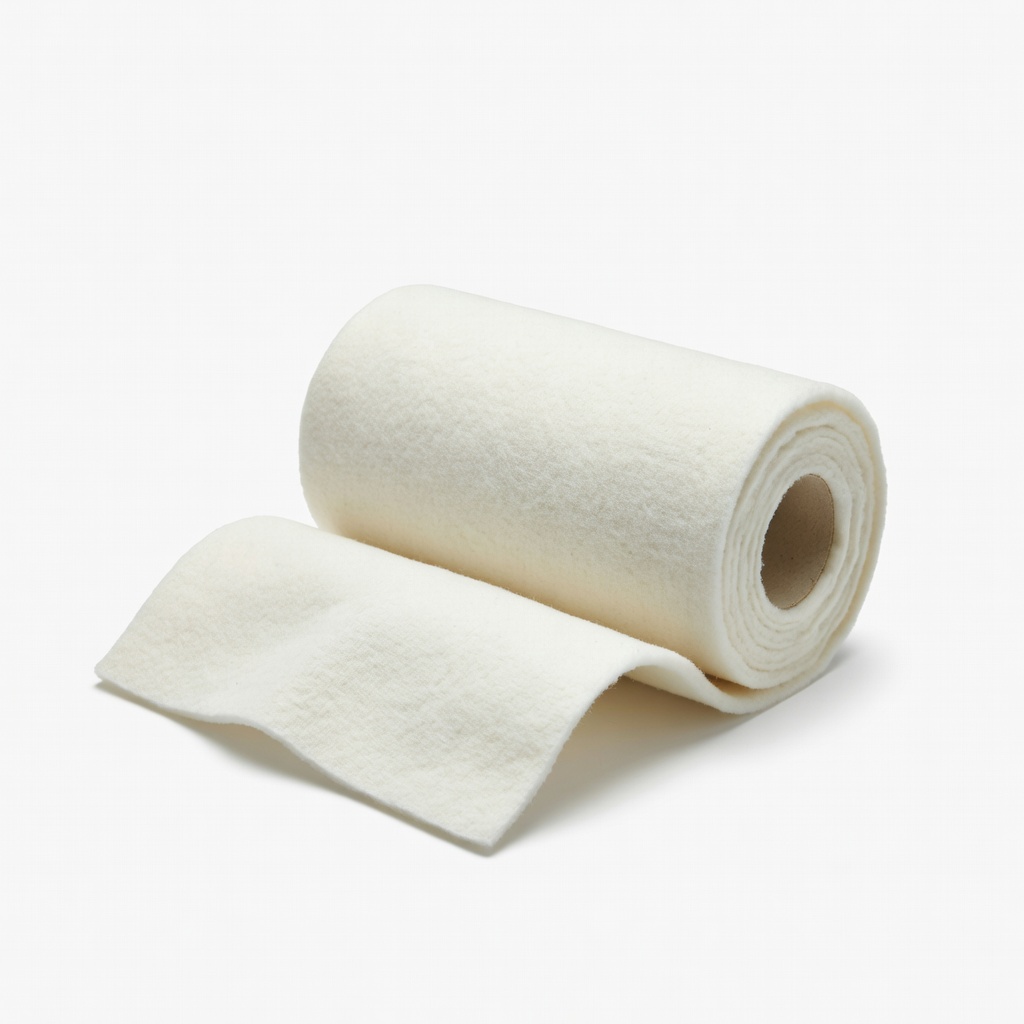
Hotspot padding under tape for day hikes or uneven trails.
Dr. Scholl's Moleskin Plus Padding Roll Thick, cushioned padding offloads pressure perfectly; easy to cut custom shapes.
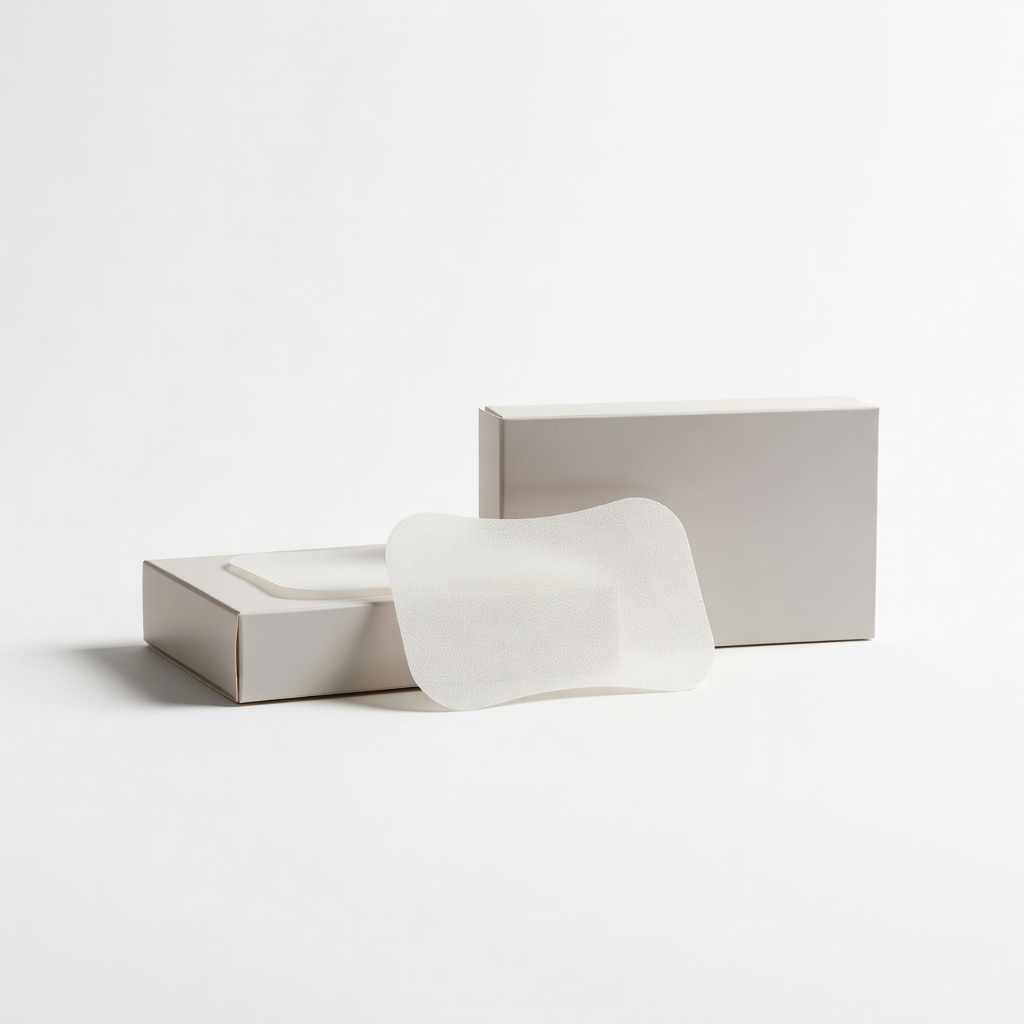
Mid-hike hotspots or preventive on toes during wet conditions.
Compeed Advanced Blister Cushion Plasters Hydrocolloid tech gels moisture, cushions dynamically, promotes healing if needed.
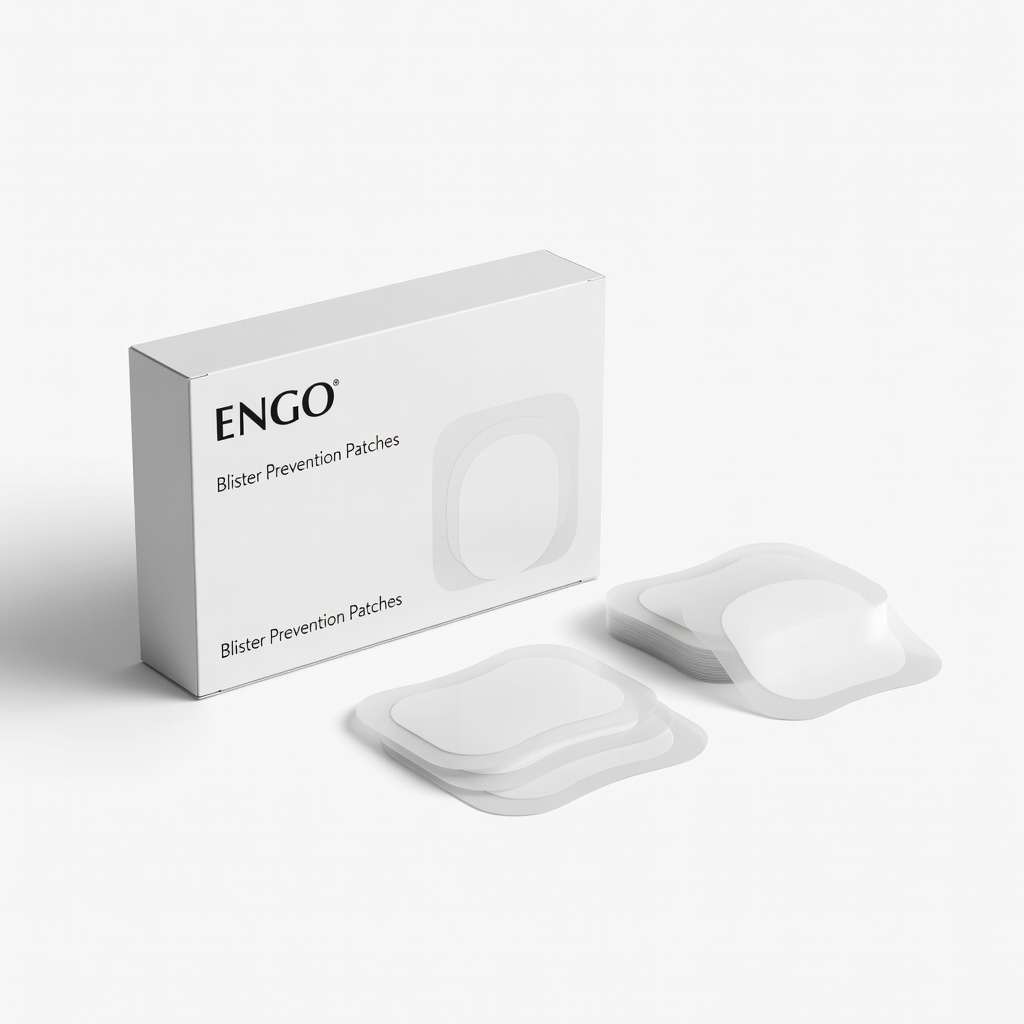
High-friction zones like heels for speed-hiking or races.
ENGO Blister Prevention Patches PTFE low-friction material glides like ice; thin profile under socks.
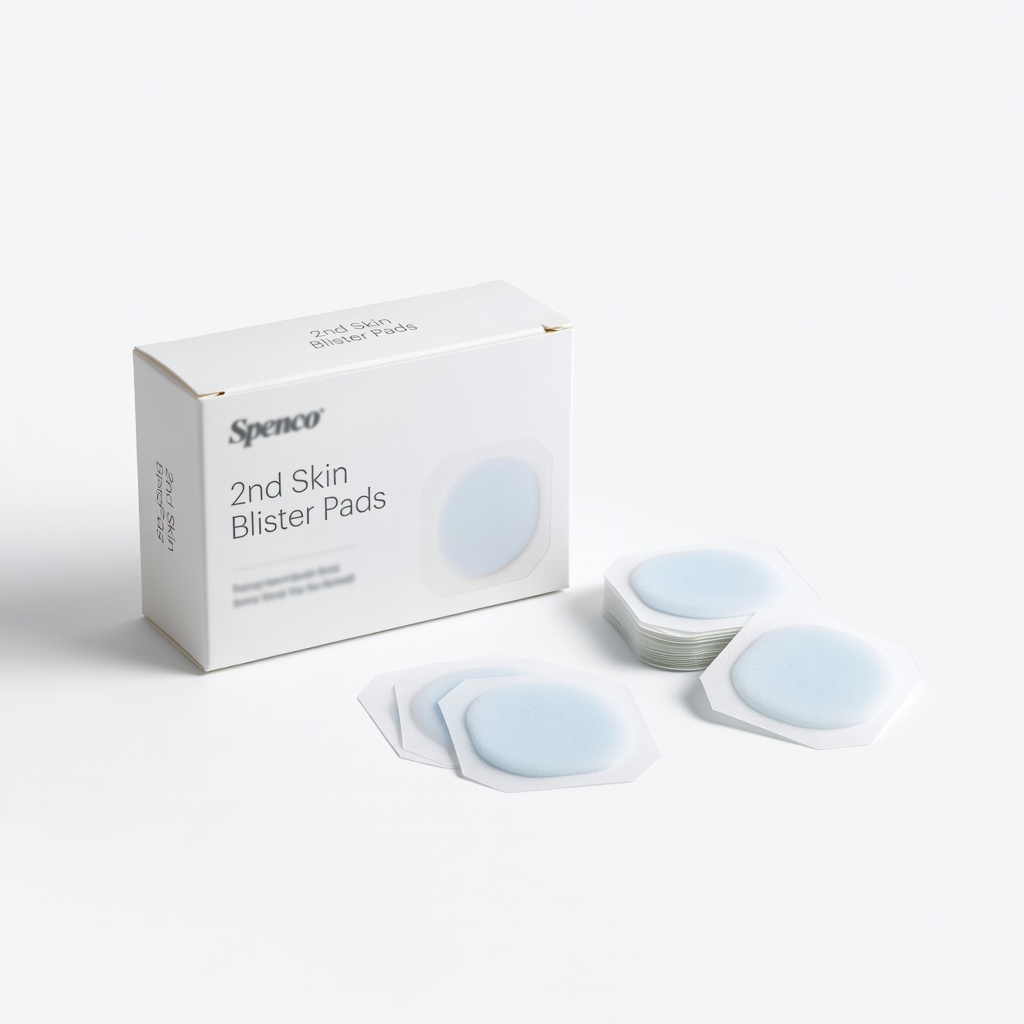
Budget hydrocolloid alternative for overnight preps.
Spenco 2nd Skin Blister Pads Moist healing environment with strong adhesion; versatile squares.