
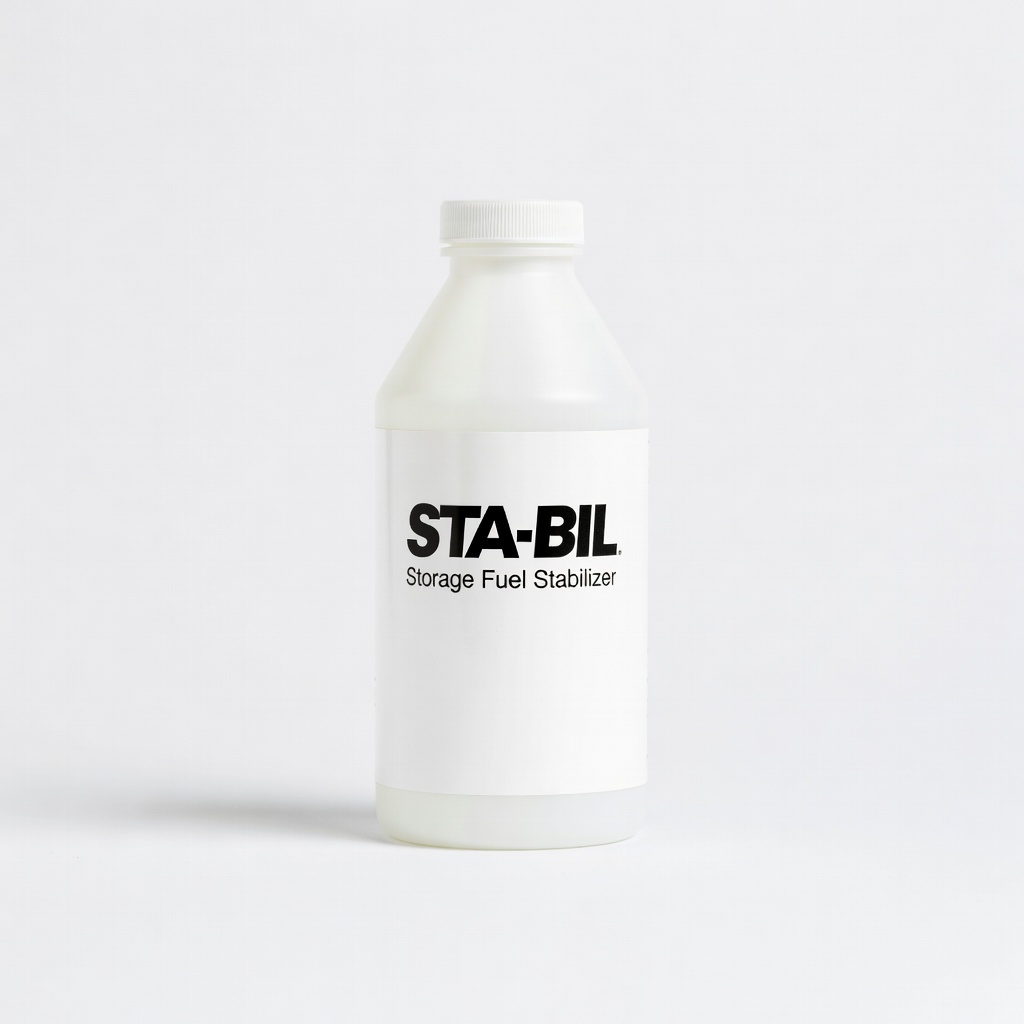
STA-BIL Storage Fuel Stabilizer
Ideal for gasoline generators in long-term storage.
$11.99
STA-BIL Storage Fuel Stabilizer Top-rated antioxidant prevents oxidation for up to 24 months shelf life.
Get the App
Better experience on mobile
Learn how fuel stabilizers prevent degradation in generators, ensuring reliable starts and long-term storage up to 2 years.
Generator owners know the frustration of pulling the starter cord after months of storage only to face a no-start due to bad fuel. Gasoline and diesel oxidize, absorb moisture, and grow microbes over time, leading to gum, varnish, and corrosion that clog carburetors and injectors. This guide explains the additives that stabilize fuel, helping you avoid costly repairs and downtime during power outages.
You'll discover why fuel degrades, the types of stabilizers that work best for generators, and how to use them effectively. By the end, you'll confidently select and apply additives for fresh fuel performance, whether for portable gas generators or standby diesel units. This intermediate-level explainer takes just 15 minutes to read but saves hours of troubleshooting.
No hands-on work required—just foundational knowledge of generator basics like fuel types (E10 gasoline, diesel) to get started.
Estimated Time: 15-20 minutes Difficulty: intermediate
Fuel in generators doesn't stay fresh forever. Gasoline evaporates light volatiles, oxidizes into gums, and absorbs water—especially ethanol blends like E10. Diesel faces similar issues plus microbial growth in tanks. Without stabilizers, stored fuel lasts 30-90 days max.
This matters because degraded fuel clogs jets, scores pistons, and ruins engines. Expect phase separation in ethanol fuel, turning it milky and unusable. Analogy: Fuel is like milk—left out, it sours.
💡 Tips:
⚠️ Warnings:
Antioxidants are the core of most fuel stabilizers. They neutralize free radicals that cause oxidation, preventing gum formation. Products like STA-BIL use proprietary amines to extend shelf life to 24 months.
Why it matters: Generators sit idle for months, so antioxidants keep fuel pourable and ignitable. Expect treated fuel to start engines on first pull after a year.
💡 Tips:
Microbes thrive in fuel-water interfaces, forming slime that plugs filters. Biocides like those in Star Tron kill bacteria and fungi. Enzymes in some break down existing biomass.
Essential for humid climates or diesel generators. Analogy: Like bleach in a swampy pond—cleans and prevents regrowth.
⚠️ Warnings:
Water from condensation corrodes tanks and injectors. Inhibitors form protective films on metal surfaces. Common in marine-grade stabilizers for generators.
Prevents rust in steel tanks. Expect shiny internals after long storage.
These keep existing gums dissolved, preventing clogs. Upper-cylinder lubricants also reduce wear during starts.
Great for partially degraded fuel. Use when reviving old tanks.
💡 Tips:
Gasoline needs ethanol handlers (e.g., PRI-G disperses water). Diesel requires cetane boosters too. Match to your generator: portable gas vs. standby diesel.
⚠️ Warnings:
Add per instructions (e.g., 1 oz per 2.5 gal) to fresh fuel, mix, then store in approved cans. Run generator 5-10 min to circulate.
Dosage ensures even distribution. Store at 50-70°F for max life.
💡 Tips:
Problem: Fuel smells varnished after treatment
Solution: Too degraded; drain, clean tank, refill with treated fresh fuel.
Problem: Generator hard-starts despite stabilizer
Solution: Check dosage and age; add fresh gas, run 10 mins.
Problem: Water separation in E10 fuel
Solution: Use ethanol-specific stabilizer like PRI-G; avoid humid storage.
Problem: Diesel sludge buildup
Solution: Switch to biocide-heavy additive; filter fuel.
Top-rated antioxidant prevents oxidation for up to 24 months shelf life.
Best for: Ideal for gasoline generators in long-term storage.
Price Range: $11.99
Enzymes break down gum and water, plus biocides for microbial control.
Best for: Best for small engines and humid areas with ethanol fuel.
Price Range: $9.99
Multi-function: stabilizes, cleans, lubricates for all fuels.
Best for: Reviving partially bad fuel or regular maintenance.
Price Range: $10.49
Excels at handling ethanol water separation without phase issues.
Best for: High-ethanol gas in portable generators.
Price Range: $29.99
Budget-friendly with strong anti-gum protection.
Best for: Diesel or frequent-use generators.
Price Range: $12.99
Ideal for gasoline generators in long-term storage.
STA-BIL Storage Fuel Stabilizer Top-rated antioxidant prevents oxidation for up to 24 months shelf life.
Best for small engines and humid areas with ethanol fuel.
Star Tron Enzyme Fuel Treatment Enzymes break down gum and water, plus biocides for microbial control.
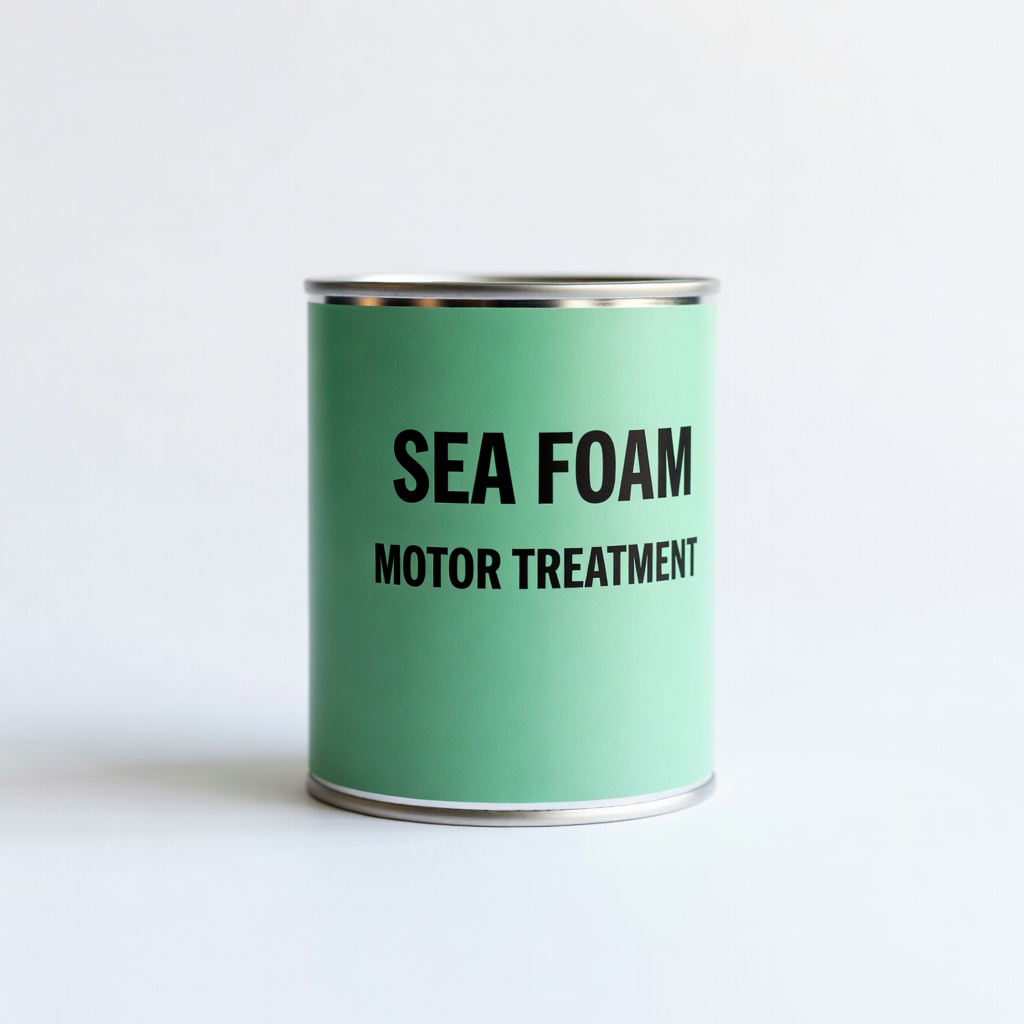
Reviving partially bad fuel or regular maintenance.
Sea Foam Motor Treatment Multi-function: stabilizes, cleans, lubricates for all fuels.
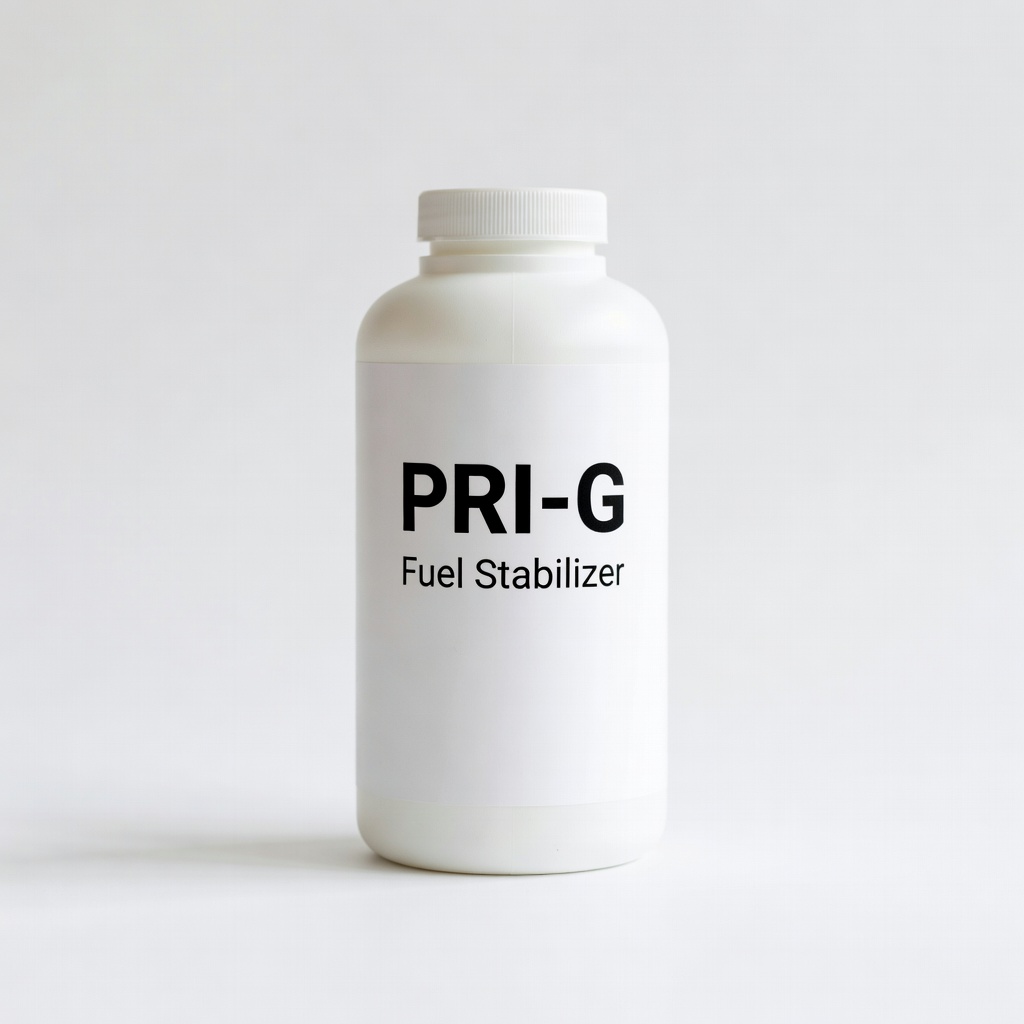
High-ethanol gas in portable generators.
PRI-G Fuel Stabilizer Excels at handling ethanol water separation without phase issues.
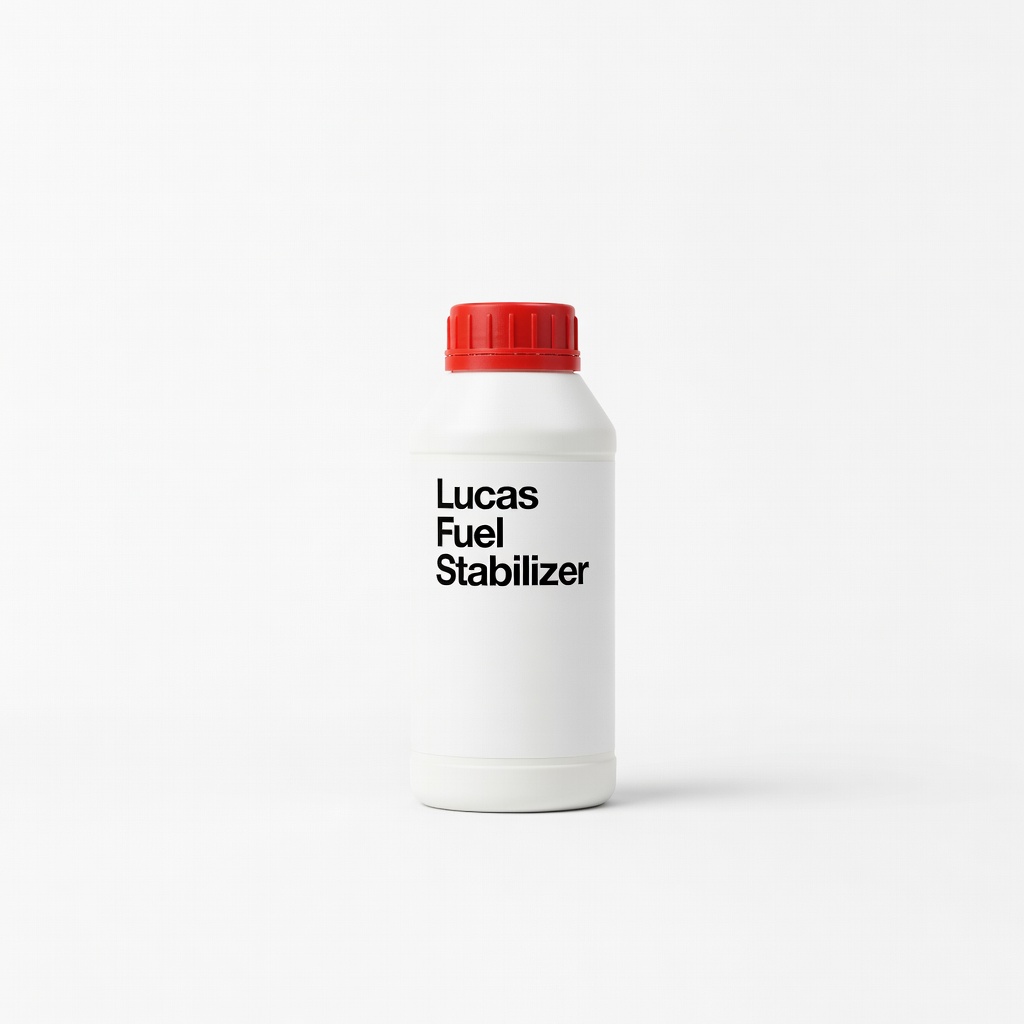
Diesel or frequent-use generators.
Lucas Fuel Stabilizer Budget-friendly with strong anti-gum protection.