
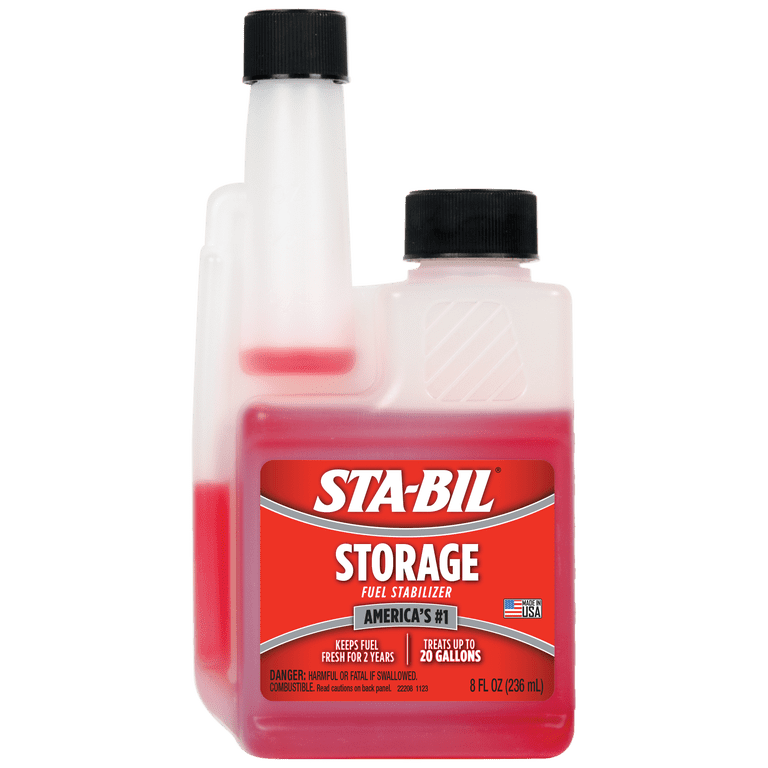
STA-BIL Storage Fuel Stabilizer
Lawnmowers, generators, cars in off-season.
$10-$15
STA-BIL Storage Fuel Stabilizer Proven antioxidants prevent oxidation for up to 24 months; ideal for E10 storage.
Get the App
Better experience on mobile
Discover the best additives to prevent phase separation and engine damage in E10/E15 fuel, keeping your equipment running smoothly.
Ethanol-blended gasoline (like E10 or E15) is common today for its cleaner burn, but it has a big downside: it's hygroscopic, meaning it absorbs water from the air. This leads to phase separation—where water and ethanol split from gasoline—causing corrosion, gum buildup, and hard starts in engines like lawnmowers, boats, and cars during storage.
This explainer breaks down how stabilizers work, the science behind them, top additive types, and step-by-step selection and use. You'll gain intermediate knowledge to protect your fuel for months. Expect 10-15 minutes to read and apply concepts—no advanced chemistry needed.
We'll cover ethanol issues, stabilizer mechanics, product picks, and pro tips. By the end, you'll confidently stabilize any ethanol-blended fuel.
Estimated Time: 10-15 minutes to read and understand Difficulty: intermediate
Ethanol gas (10-15% ethanol mix) attracts moisture, leading to phase separation: water + ethanol sinks, leaving weak gas on top. This corrodes injectors, carbs, and fuel lines.
Why it matters: Stored fuel degrades in 30 days without help. Expect poor performance, rust, or varnish.
Analogy: Like sugar syrup pulling moisture from air, making it watery and separating.
💡 Tips:
⚠️ Warnings:
Stabilizers prevent oxidation (peroxide formation) and gum/varnish buildup. Ethanol-specific ones also disperse water and inhibit corrosion.
Key benefits: Extends storage to 12-24 months. Expect stable fuel that starts engines instantly after winter.
They modify chemistry: Antioxidants scavenge free radicals; dispersants emulsify tiny water amounts.
💡 Tips:
Antioxidants (e.g., amines) stop chain reactions causing gums.
Corrosion inhibitors coat metal surfaces.
Water dispersants keep moisture suspended (won't burn but prevents separation).
Biocides kill microbes in moist fuel.
Why mix matters: Single-purpose fails; combos excel.
⚠️ Warnings:
Ethanol oxidizes to aldehydes/acids; stabilizers donate hydrogens to halt this. Water dispersants use surfactants to emulsify H2O droplets <50 microns (burnable size).
Real-world expect: Add before storage; fuel stays potent.
Analogy: Like vitamin C preventing apple browning.
💡 Tips:
Storage stabilizers (e.g., STA-BIL): For lawn equipment.
Marine formulas (e.g., STA-BIL 360): Extra corrosion protection.
Enzyme treatments (e.g., Star Tron): Break down gums enzymatically.
All-in-one (e.g., Sea Foam): Cleans + stabilizes.
Choose by use: Marine for boats.
Match to ethanol % (E10 needs basic; E15+ advanced). Check treat rate (e.g., 1oz/5gal). Verify compatibility (2-stroke? 4-stroke?).
Decision tree: Boat? Marine. Mower? Storage. Test small batch first.
💡 Tips:
Fill tank 95% full (expansion room).
Calculate dose (e.g., 1oz treats 2.5gal).
Add to tank, shake/mix.
Run engine 5-10min to circulate.
Expect full protection in hours.
⚠️ Warnings:
Store in cool, dry place. Seal tightly. Label date. Drain carbs if long-term (>3mo).
Outcome: Reliable starts after 1+ year.
💡 Tips:
Problem: Fuel still separates after treatment
Solution: Check dosage; too much water overloads dispersants—drain and retreat.
Problem: Engine won't start post-storage
Solution: Add fresh gas + stabilizer, cycle primer/choke; check spark.
Problem: White residue in tank
Solution: Phase separation occurred; clean tank, use marine-grade next time.
Problem: Additive smells off
Solution: Expired product; replace with fresh.
Proven antioxidants prevent oxidation for up to 24 months; ideal for E10 storage.
Best for: Lawnmowers, generators, cars in off-season.
Price Range: $10-$15
Enzymes digest existing gums + stabilizes ethanol; water dispersant prevents separation.
Best for: Boats, ATVs with contaminated fuel.
Price Range: $10-$20
Multi-use: stabilizes, cleans carbs, disperses moisture; safe for all ethanol blends.
Best for: Reviving sluggish engines or routine maintenance.
Price Range: $10-$12
Marine-specific with corrosion inhibitors for boats exposed to humidity.
Best for: Outboards, PWC in humid/salty environments.
Price Range: $15-$25
Budget-friendly, protects up to 2 years; good for high-mileage vehicles.
Best for: Classic cars, motorcycles.
Price Range: $8-$12
Lawnmowers, generators, cars in off-season.
STA-BIL Storage Fuel Stabilizer Proven antioxidants prevent oxidation for up to 24 months; ideal for E10 storage.
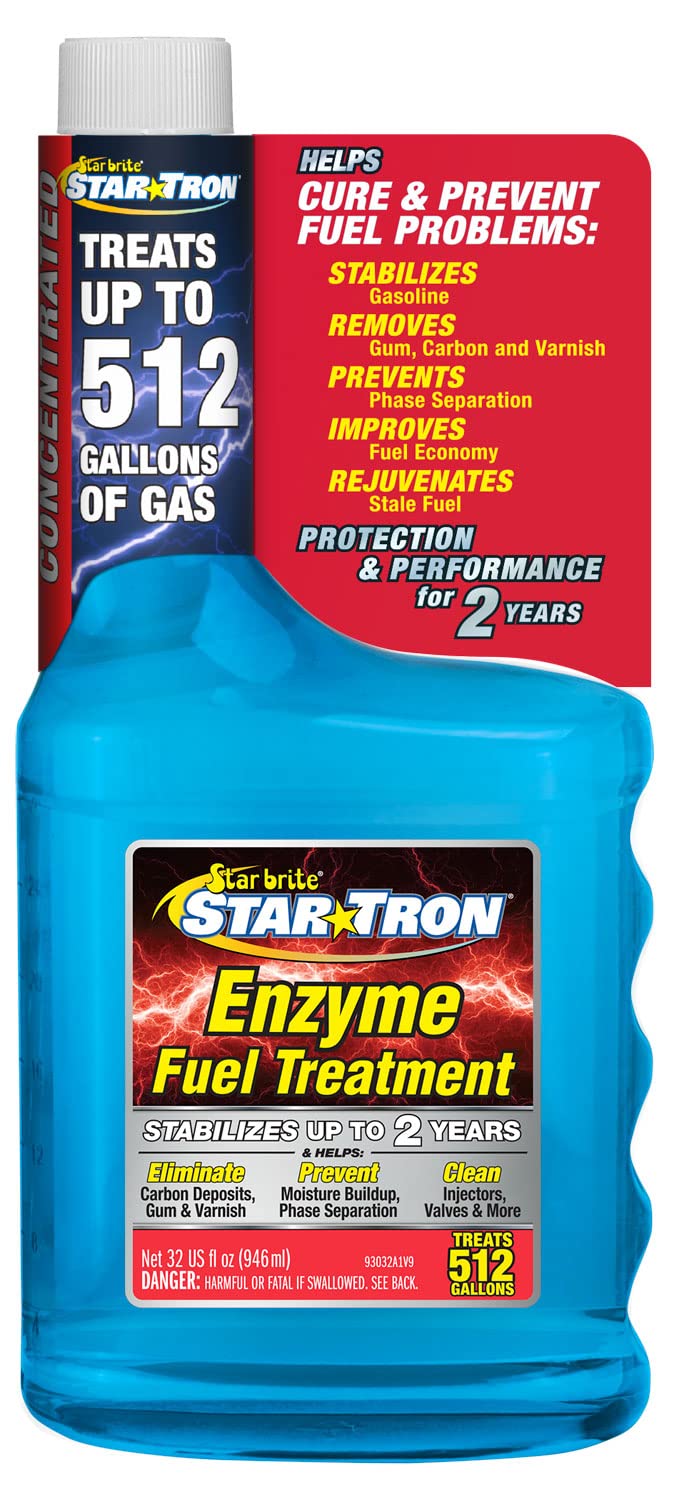
Boats, ATVs with contaminated fuel.
Star Tron Enzyme Fuel Treatment Enzymes digest existing gums + stabilizes ethanol; water dispersant prevents separation.
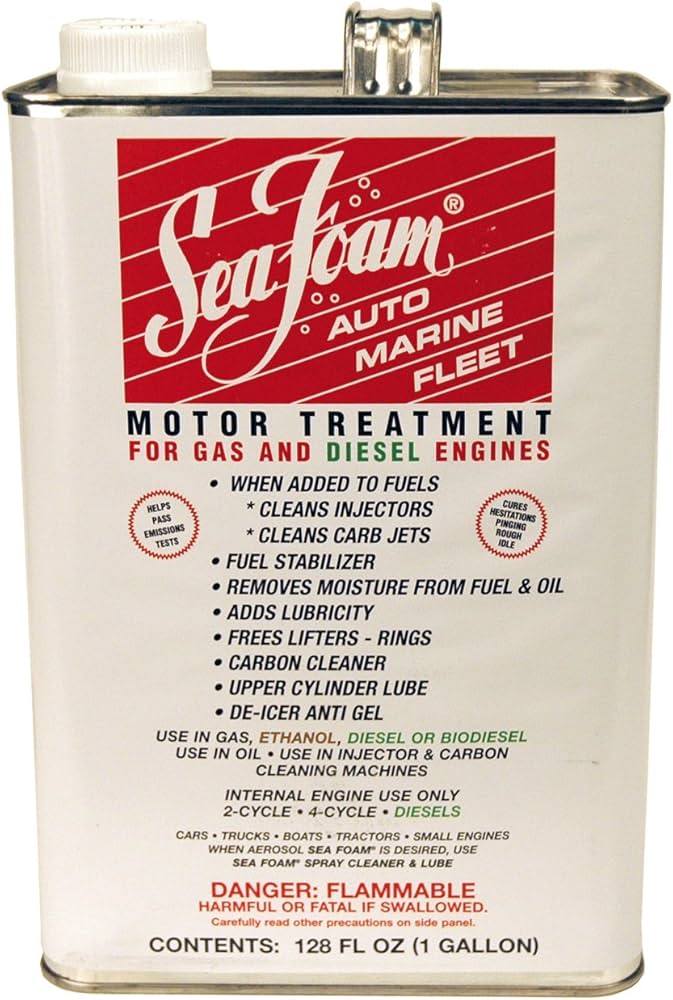
Reviving sluggish engines or routine maintenance.
Sea Foam Motor Treatment SF-128 Multi-use: stabilizes, cleans carbs, disperses moisture; safe for all ethanol blends.
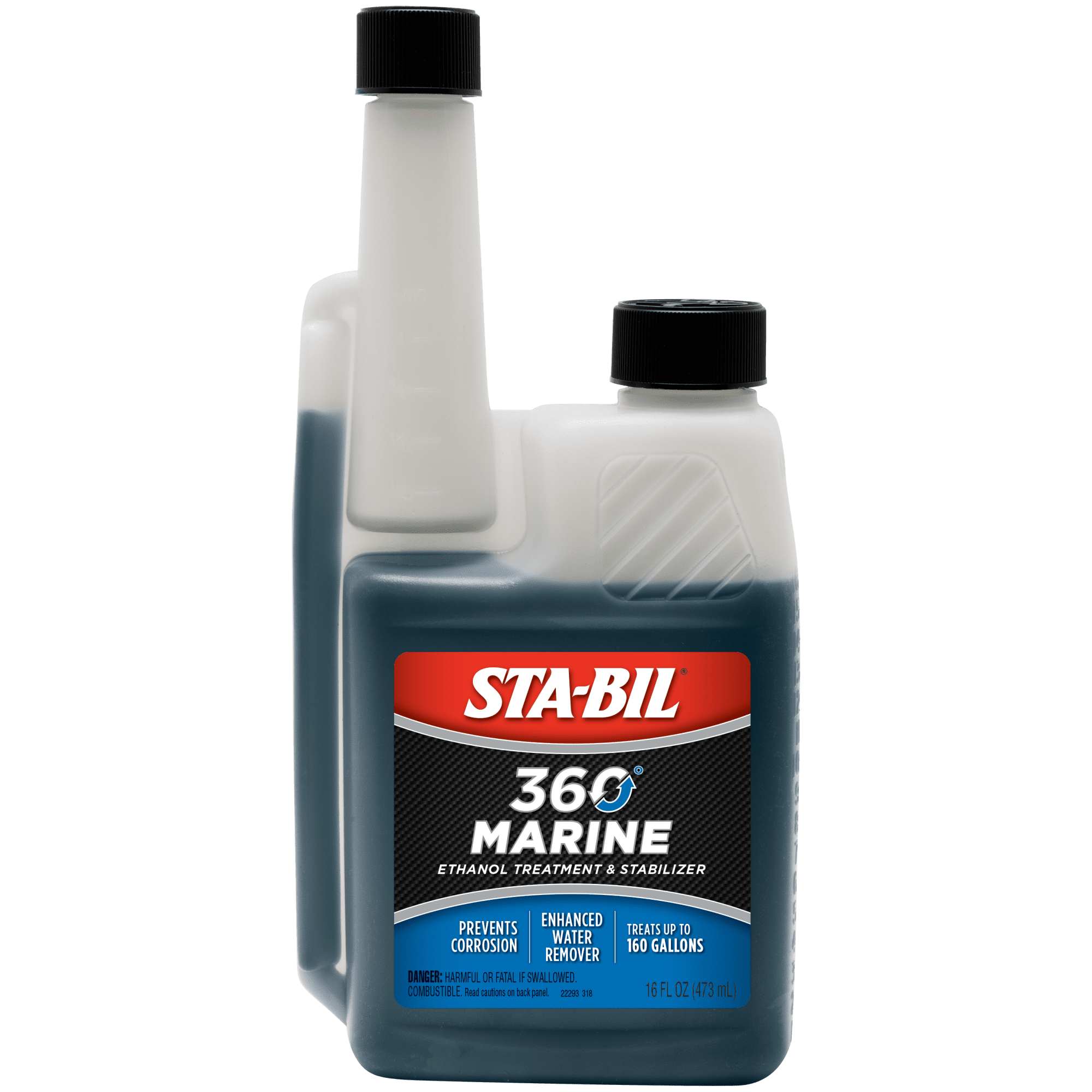
Outboards, PWC in humid/salty environments.
STA-BIL 360 Marine Ethanol Treatment Marine-specific with corrosion inhibitors for boats exposed to humidity.
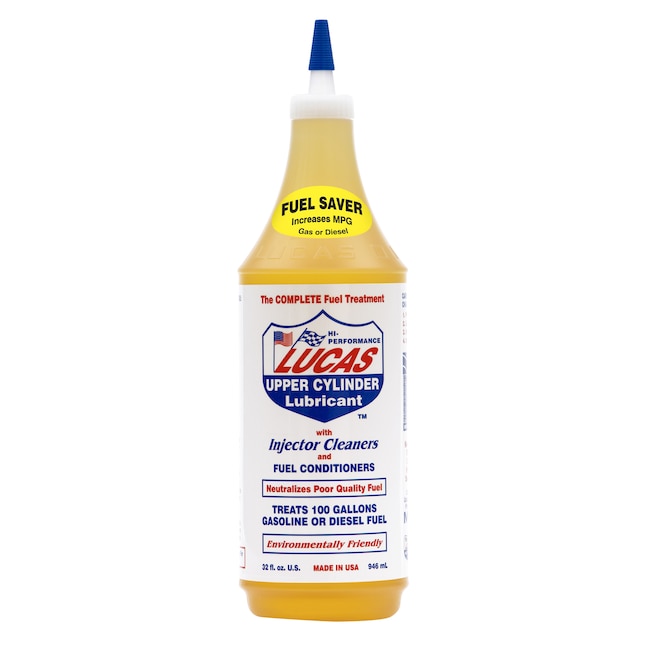
Classic cars, motorcycles.
Lucas Fuel Stabilizer Budget-friendly, protects up to 2 years; good for high-mileage vehicles.