Fuel injector clogs can lead to rough idling, poor acceleration, reduced fuel economy, and even costly engine damage—issues that affect millions of drivers annually. If you've noticed your car hesitating or guzzling more gas, dirty injectors might be the culprit. This guide breaks down what causes clogs and which additives effectively prevent them.
You'll learn the science behind injector clogs, the essential additive ingredients like PEA detergents, types of products to use, and how to incorporate them into your maintenance routine. No advanced mechanical skills needed—just intermediate car knowledge.
Expect a straightforward explainer: read in 10-15 minutes, apply immediately for better performance.
▸What You'll Need
- •Basic understanding of your vehicle's fuel system
- •Access to your car's fuel tank (for adding additives)
- •High-quality gasoline from reputable stations (recommended)
- •Owner's manual for fuel type and capacity (optional but helpful)
Estimated Time: 10-15 minutes to read and understand
Difficulty: intermediate
▸Step-by-Step Instructions
Step 1: Understand How Fuel Injectors Work
Fuel injectors are precision nozzles that spray atomized fuel into your engine's combustion chambers. They must operate cleanly for optimal air-fuel mixture, power, and efficiency.
Clogs occur when deposits build up, restricting flow—like a clogged showerhead reducing water pressure. This leads to misfires, hesitation, and higher emissions.
Why it matters: Knowing this helps you appreciate why prevention beats cure.
💡 Tips:
- •Visualize injectors as the 'heart valves' of your fuel system.
Step 2: Identify Common Causes of Clogs
Clogs stem from low-quality fuel containing dirt, water, or ethanol; carbon/varnish buildup from incomplete combustion; and degraded fuel additives in modern gas (Top Tier fuels have some, but not always enough).
Analogy: Think of it as plaque in arteries—over time, it narrows passages. High-mileage vehicles (over 75,000 miles) are most vulnerable.
Expect symptoms like poor MPG or check engine lights.
⚠️ Warnings:
- •Avoid cheap gas stations; they often lack detergents.
Step 3: Learn How Fuel Additives Prevent Clogs
Additives work as detergents and solvents: they dissolve existing deposits and coat injectors to repel future buildup. Preventive use maintains flow rates at 100%.
Key mechanism: Surfactants lift grime, while polymeric detergents (like PEA) provide long-lasting protection—up to 4,000 miles per treatment.
Result: Smoother idle, +2-5 MPG gains.
💡 Tips:
- •Treat every tank for prevention, not just when issues arise.
Step 4: Key Ingredients: Focus on PEA and PIBA
Polyether Amine (PEA) is the gold standard—high-temp stable, dissolves carbon/varnish effectively (proven in lab tests by Chevron). Polyisobutylene Amine (PIBA) is good for lighter deposits but less potent.
Look for labels claiming 'high PEA concentration' (e.g., 500+ ppm). Avoid generic 'stabilizers' without detergents.
Example: Techron uses PEA to restore 100% flow in tests.
💡 Tips:
- •Check product SDS sheets for exact chemistry.
Step 5: Types of Anti-Clog Additives
- •Cleaners (e.g., one-tank treatments): Aggressive for prevention/cleaning.
- •Treatments (e.g., ongoing): Low-dose per fill-up.
- •Multi-function (with octane boosters, stabilizers): Best for all-season use.
Choose based on needs—daily drivers need ongoing protection.
⚠️ Warnings:
- •Don't mix incompatible types; stick to one brand routine.
Step 6: How to Use Additives Preventatively
Add per instructions (e.g., one bottle per 15-20 gallons) every 3,000 miles or fill-up. Pour into nearly empty tank, then fill with Top Tier gas.
Why: Ensures even mixing. Track via app or log for consistency.
Expect no immediate drama—just sustained performance.
💡 Tips:
- •Combine with air filter changes for max effect.
Step 7: Monitor and Maintain Long-Term
Use OBD-II scanner for injector balance rates. Professional cleaning every 50,000 miles if high-mileage.
Analogy: Like flossing—daily additives prevent the 'root canal' of injector replacement ($500+).
▸Pro Tips
- •Always use Top Tier gasoline (Chevron, Shell) alongside additives for double protection.
- •For turbo engines, prioritize PEA-heavy products to handle heat.
- •Buy in bulk for frequent users—saves 20-30%.
- •Test MPG before/after first treatment to quantify benefits.
- •Winter: Add ethanol treatments if using E10 fuel.
- •Pro tip: Run a full cleaner tank every 10,000 miles.
- •Log treatments in your maintenance app.
▸Common Mistakes to Avoid
- •Using additives only after problems arise—instead, prevent proactively.
- •Overdosing: Follow bottle ratios to avoid residue buildup.
- •Ignoring fuel quality: Additives can't fix contaminated gas.
- •Choosing cheap, unproven brands without PEA/PIBA.
- •Skipping aftermarket filters that trap more debris.
▸Troubleshooting
Problem: No improvement after treatment
Solution: Severe clogs need mechanical cleaning; try 2-3 tanks or see mechanic.
Problem: Worsening performance
Solution: Wrong fuel type or bad additive batch—switch brands and drain tank.
Problem: Smoke or odd smells
Solution: Discontinue; may indicate injector failure. Consult pro.
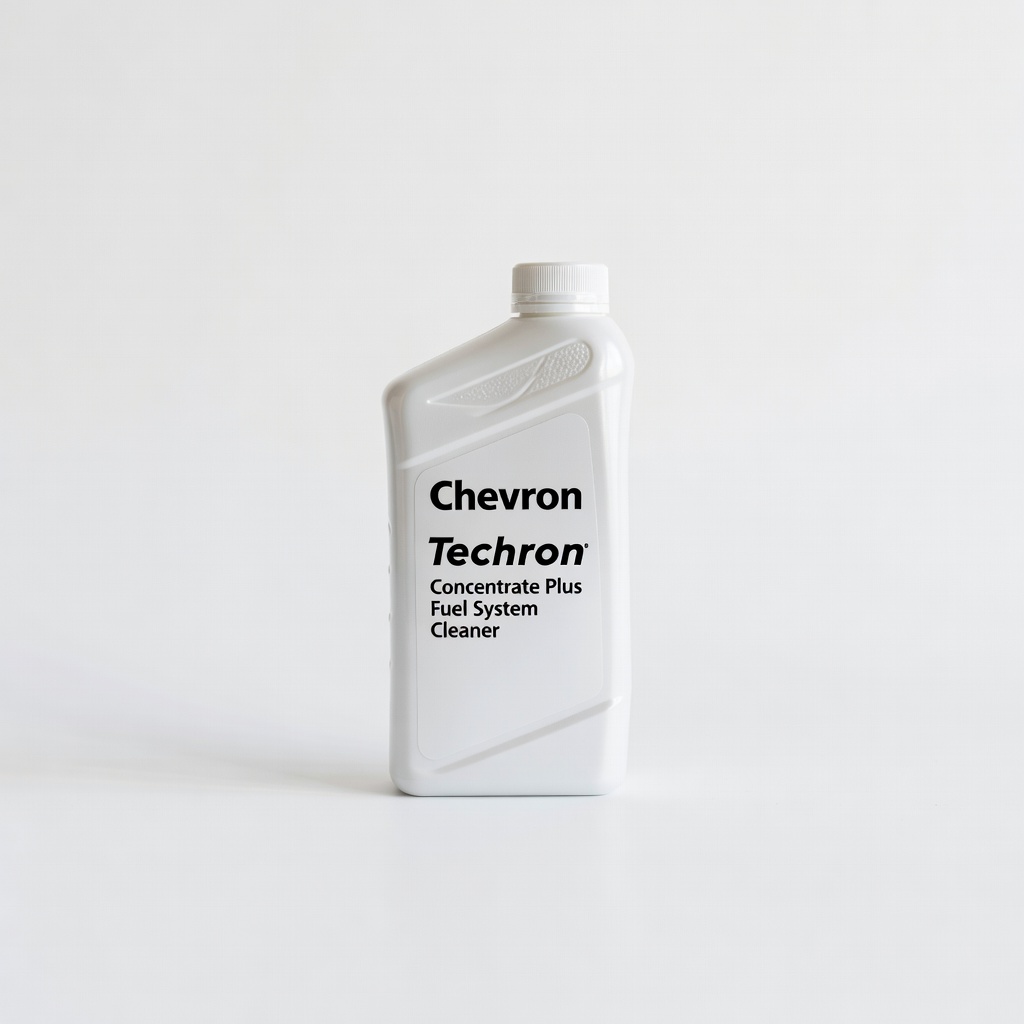
Chevron Techron Concentrate Plus Fuel System Cleaner
Highest PEA concentration proven to prevent and dissolve deposits in GM/Ford tests.
Best for: Every 3,000 miles for all gas engines; ideal for high-mileage cars.
Price Range: $10-$15
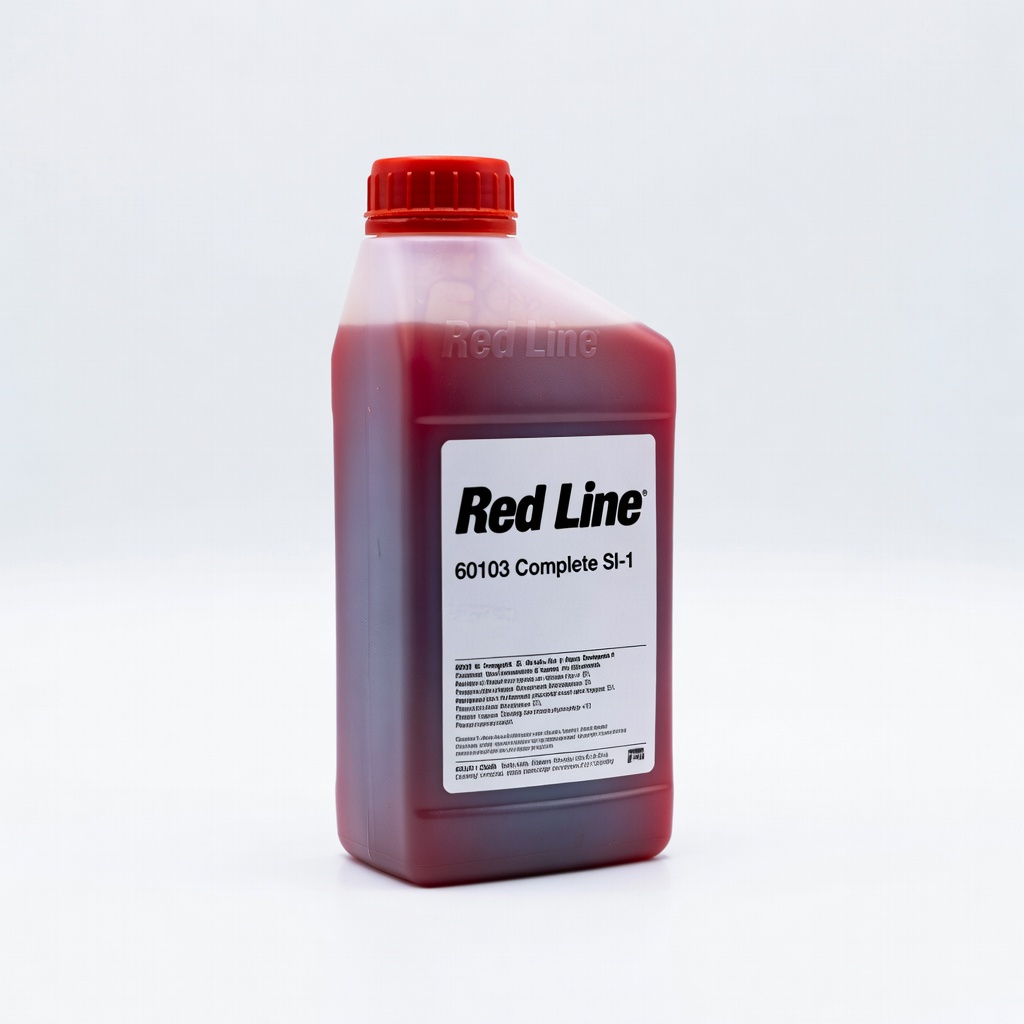
Red Line 60103 Complete SI-1
Polyether amine blend cleans injectors, intake valves; synthetic for superior solvency.
Best for: Performance vehicles or direct-injection engines prone to carbon.
Price Range: $15-$20
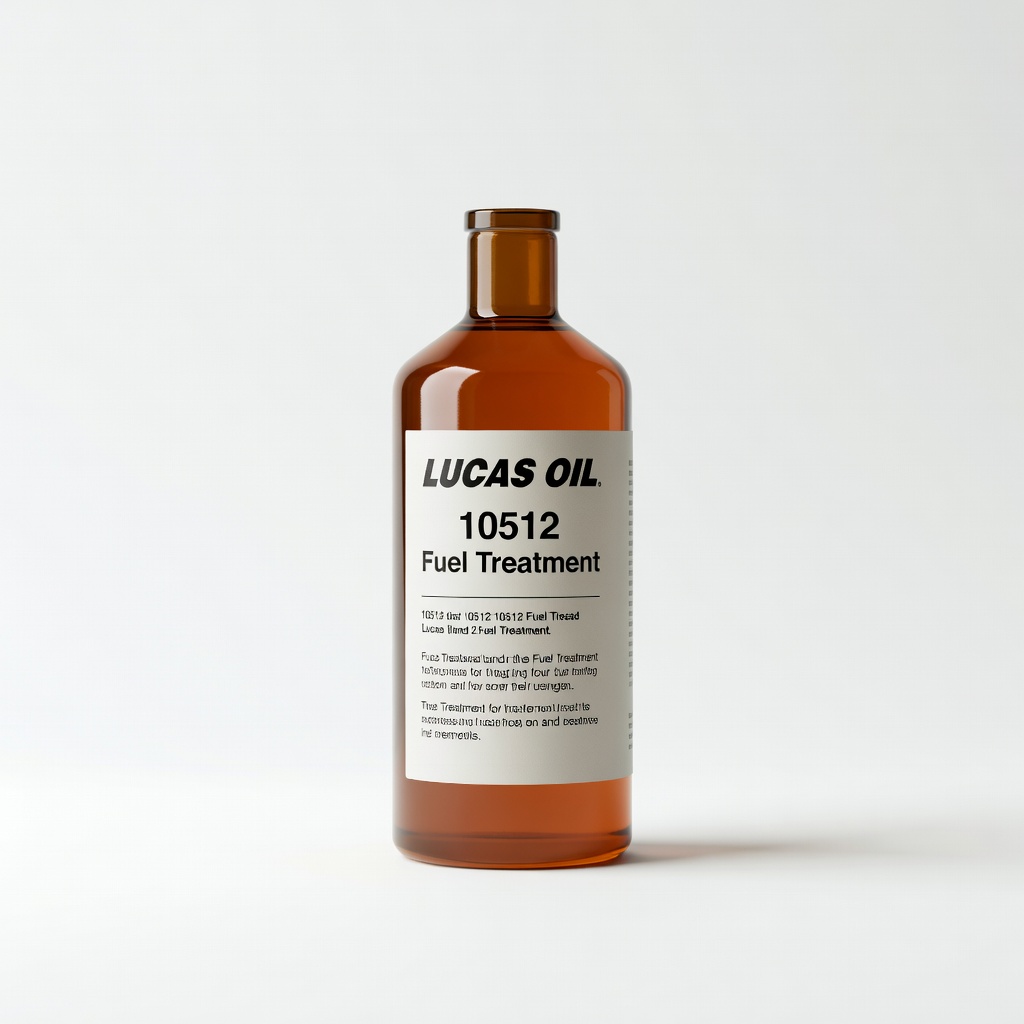
Lucas Oil 10512 Fuel Treatment
Affordable, increases MPG, lubricates injectors; contains detergents to prevent varnish.
Best for: Daily drivers on budget; every tank for ongoing protection.
Price Range: $8-$12
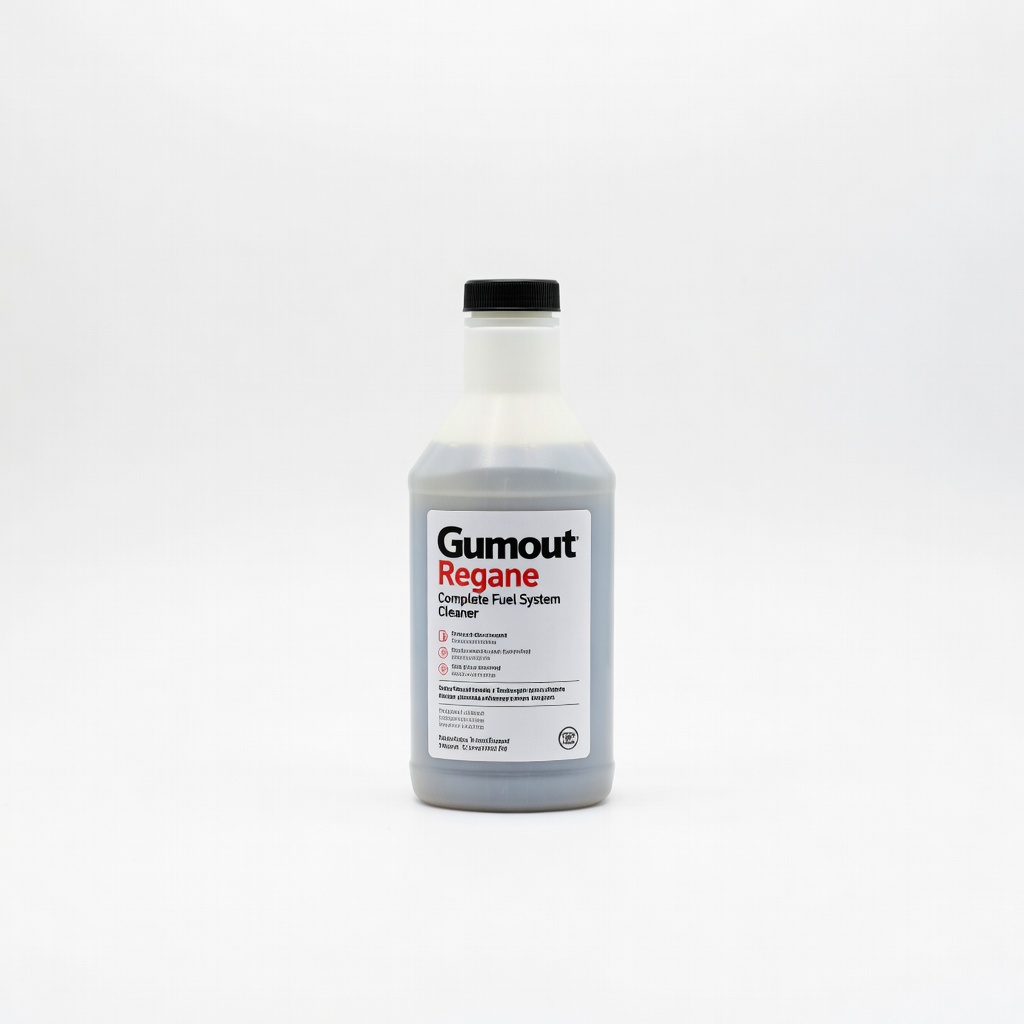
Gumout Regane Complete Fuel System Cleaner
High-mileage formula with PEA/PIBA; restores power and prevents clogs effectively.
Best for: Vehicles over 75,000 miles; one-bottle shock treatment.
Price Range: $5-$10
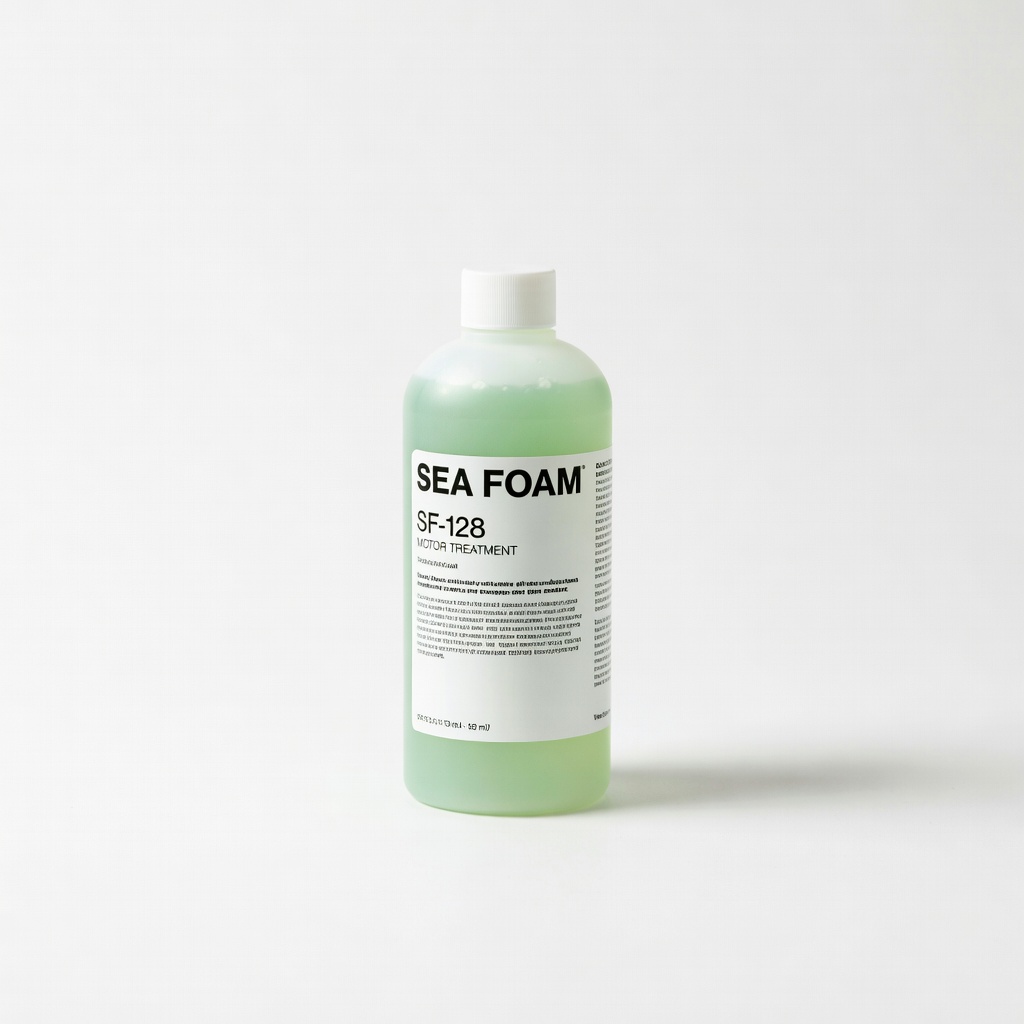
Sea Foam SF-128 Motor Treatment
Versatile cleaner/stabilizer; safe for all fuels, prevents gumming in injectors.
Best for: Storage or ethanol-heavy fuels; multi-use beyond injectors.
Price Range: $10-$15