
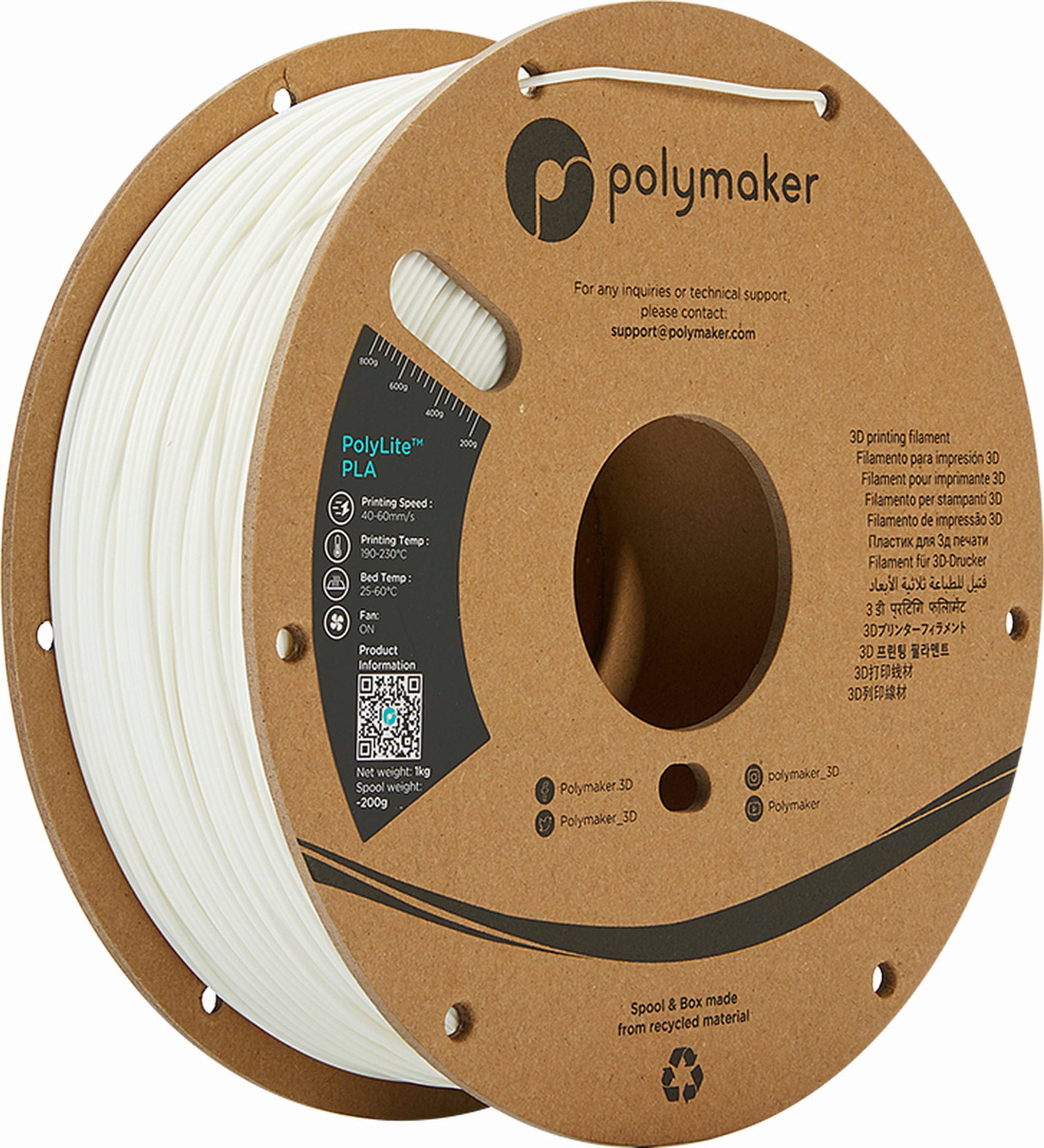
Polymaker PolyLite PLA
Everyday PLA prints needing clean travels; ideal for detailed models.
$24.99
Polymaker PolyLite PLA Engineered with proprietary lubricants and flow agents for ultra-low stringing.
Get the App
Better experience on mobile
Learn the key filament additives that eliminate stringy prints, with tips to choose and test low-stringing materials for pro results.
Stringing in 3D prints—those annoying thin, wispy strands between parts—can ruin even the best designs, wasting filament and time. As an intermediate 3D printer user, you've likely tweaked retraction settings and temperatures, but if issues persist, the culprit might be your filament's formulation. Additives play a crucial role in reducing oozing and improving flow.
In this guide, you'll discover the specific chemical additives manufacturers use to prevent stringing, how they work, and how to identify filaments packed with them. We'll break down the science with simple analogies, real-world examples, and step-by-step explanations—no advanced chemistry degree required. By the end, you'll confidently select and test materials for clean prints.
Expect a straightforward read (15-20 minutes) at an intermediate level, assuming you know basic slicing and printing basics.
Estimated Time: 15-20 minutes to read and understand Difficulty: intermediate
Stringing occurs when molten filament oozes from the nozzle during non-print moves, leaving thin 'hairs' or strings across your print. Imagine honey dripping from a spoon— that's your filament if it's too runny or sticky.
Why it matters: Stringing not only looks bad but signals poor flow control, leading to failed prints or post-processing hassles. In intermediate printing, mastering this separates hobbyists from pros.
Expect to see it most in overhangs, travel moves, or with humid filament.
💡 Tips:
While retraction, speed, and temperature tweaks help, filament chemistry often underlies persistent stringing. Filaments without proper additives have higher viscosity or poor shear-thinning, causing 'die swell' at the nozzle exit.
Analogy: Think of filament like toothpaste—additives make it flow smoothly without trailing strings.
Common triggers: High humidity (absorbs moisture, increases ooze), low-quality base polymers.
⚠️ Warnings:
Additives are tiny chemical compounds (1-5% by weight) blended into base polymers like PLA or PETG to tweak properties. For stringing, they reduce melt viscosity, improve lubrication, and enhance retraction recovery.
They work by lowering friction between polymer chains, allowing faster 'snap-back' after extrusion. Manufacturers like Polymaker engineer proprietary blends for this.
Expect 20-50% stringing reduction with good additives.
💡 Tips:
These are the MVPs: Fatty acid amides like erucamide or oleamide act as internal lubricants, reducing melt strength and string formation.
How they work: They migrate to the surface, creating a slippery layer—like oil in a car engine—for smoother flow and less adhesion to nozzle walls. Analogy: Butter on bread prevents sticking.
Found in premium PLAs; reduces stringing by enabling better retraction.
Viscosity reducers like low-molecular-weight polymers or esters lower the filament's 'stickiness' during extrusion.
Why key: They promote shear-thinning (thins under pressure, thickens otherwise), mimicking ideal 3D print behavior. Example: PETG filaments with citrate esters string less.
Test: Prints retract cleanly without blobs.
💡 Tips:
⚠️ Warnings:
Prevent thermal degradation during long prints, keeping viscosity stable. Examples: Irganox series or phosphites.
Degraded filament becomes gummier, worsening strings. Stabilizers maintain consistent flow—like preservatives in food.
Essential for high-temp filaments like ABS.
For semi-crystalline filaments (PETG, nylon), agents like talc or sodium benzoate speed crystallization post-extrusion, solidifying strands quickly to break them.
Analogy: Ice cubes forming fast in supercooled water. Reduces 'wet noodle' effect.
Less common in PLA but game-changer for exotics.
💡 Tips:
Download a stringing tower (e.g., from Printables.com), slice with consistent settings (210°C PLA, 60mm/s, 5mm retraction), and compare.
Look for 'low-ooze' or 'engineered flow' in descriptions. Measure string length with calipers—under 1mm is excellent.
Combine with settings for 90% reduction.
Problem: Strings persist despite additives
Solution: Increase retraction to 6-8mm, lower temp by 5°C, check bowden tube for wear.
Problem: Blobs at starts
Solution: Enable 'wipe while retracting' in slicer; ensure <1% moisture.
Problem: Brittle prints after additives
Solution: Reduce plasticizer-heavy filaments or up fan speed to 50%.
Problem: Inconsistent results
Solution: Calibrate e-steps; use all-metal hotend for stable melts.
Engineered with proprietary lubricants and flow agents for ultra-low stringing.
Best for: Everyday PLA prints needing clean travels; ideal for detailed models.
Price Range: $24.99
Includes toughening agents and viscosity modifiers that minimize ooze.
Best for: Functional prototypes; withstands higher speeds without strings.
Price Range: $21.99
Formulated with slip agents for matte finish and exceptional retraction.
Best for: Aesthetic prints like figurines; budget-friendly low-string option.
Price Range: $18.99
Advanced stabilizers prevent degradation-induced stringing in long prints.
Best for: Batch printing; reliable for humid environments.
Price Range: $19.99
Micro Center's blend with nucleators for quick solidification.
Best for: High-volume hobbyists; great value for testing additives.
Price Range: $16.99
Everyday PLA prints needing clean travels; ideal for detailed models.
Polymaker PolyLite PLA Engineered with proprietary lubricants and flow agents for ultra-low stringing.
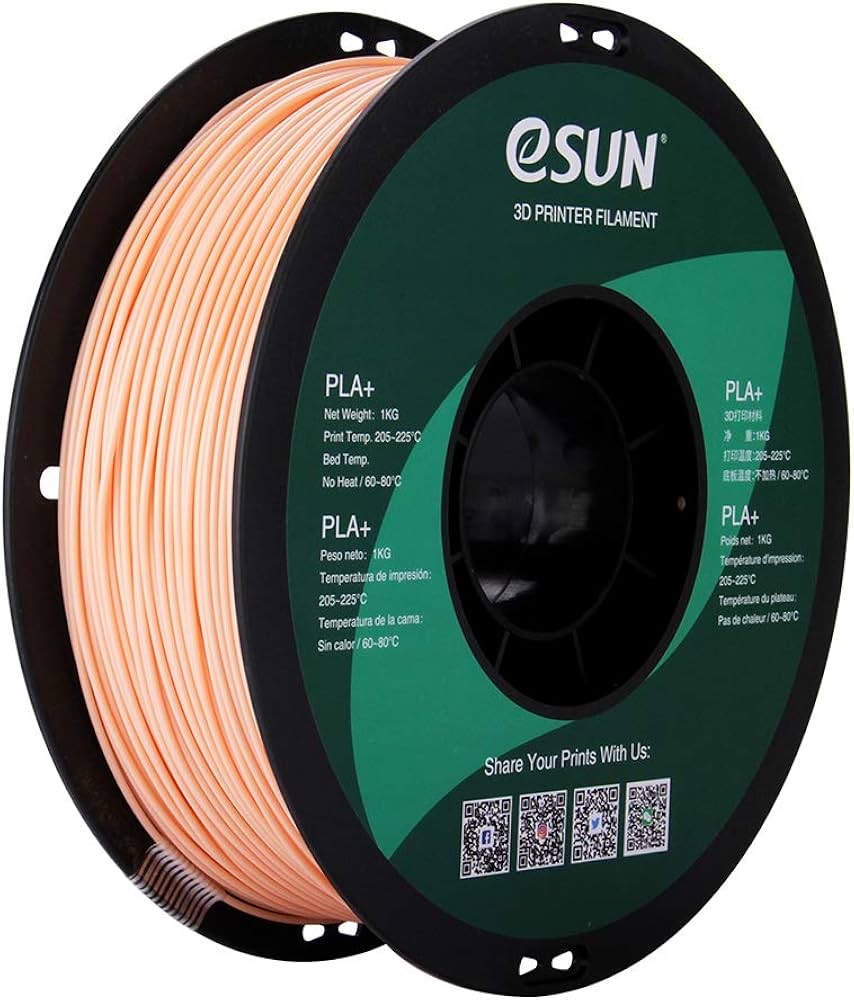
Functional prototypes; withstands higher speeds without strings.
eSUN PLA PRO Includes toughening agents and viscosity modifiers that minimize ooze.
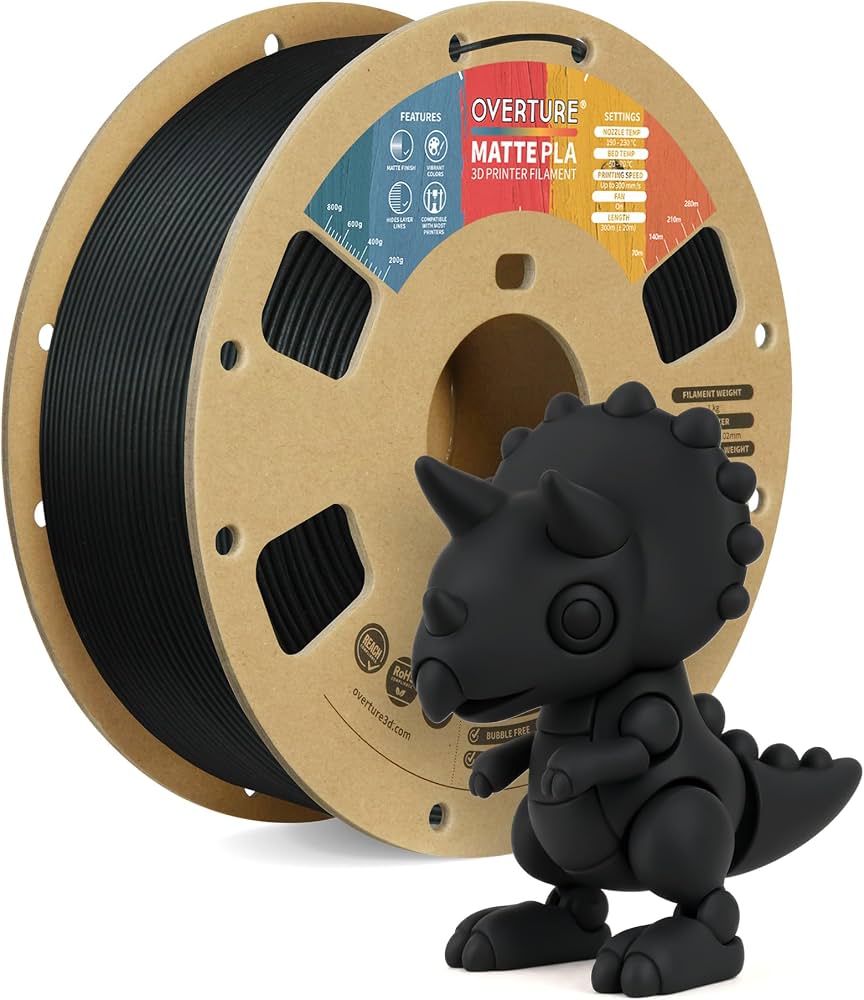
Aesthetic prints like figurines; budget-friendly low-string option.
Overture PLA+ Matte Formulated with slip agents for matte finish and exceptional retraction.
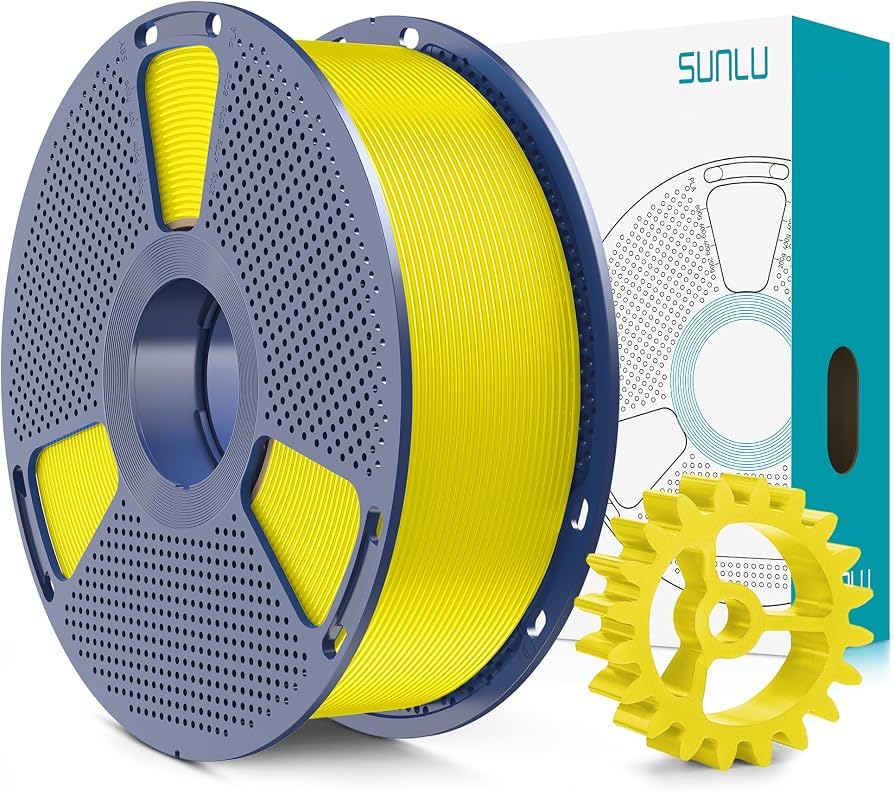
Batch printing; reliable for humid environments.
SUNLU PLA PRO+ Advanced stabilizers prevent degradation-induced stringing in long prints.
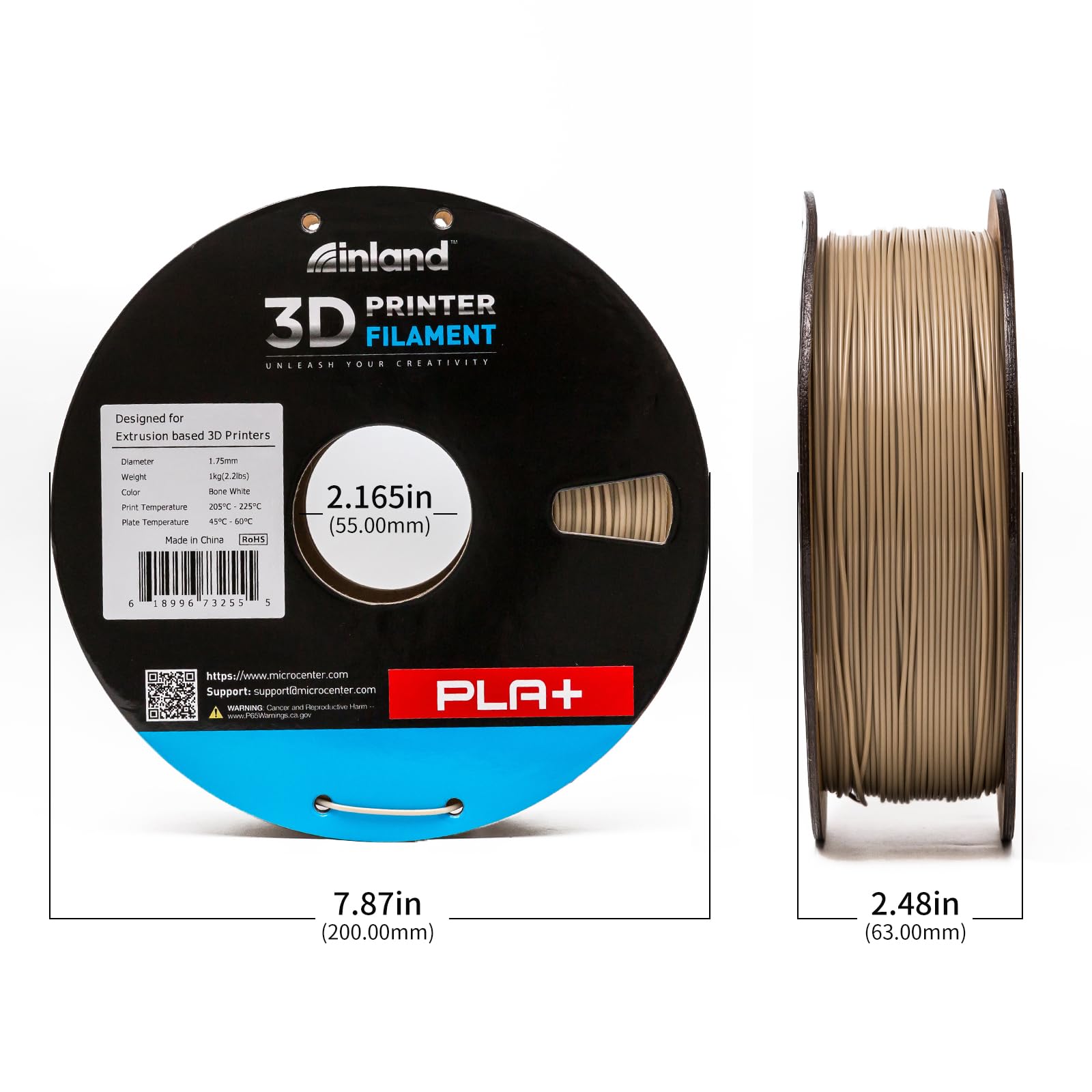
High-volume hobbyists; great value for testing additives.
Inland PLA Pro+ Micro Center's blend with nucleators for quick solidification.