
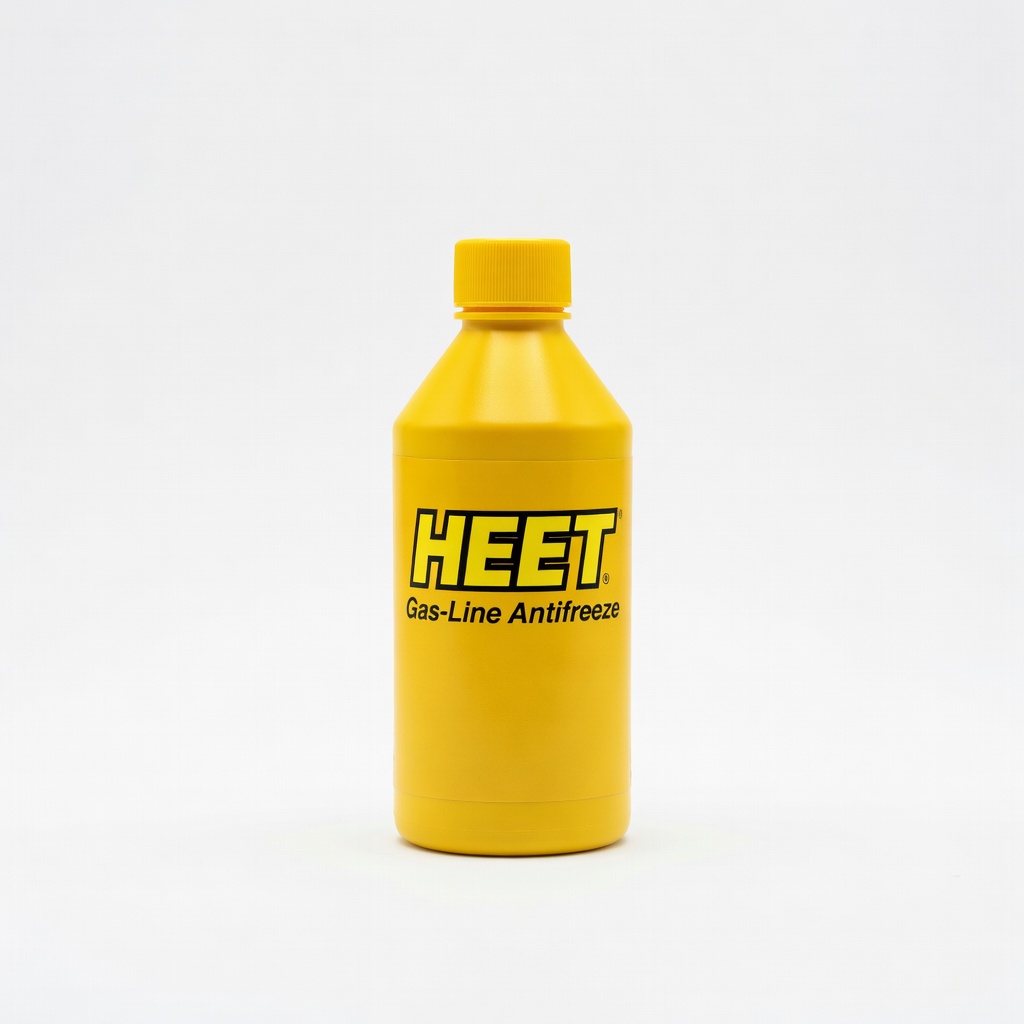
HEET Gas-Line Antifreeze
Every fill-up in wet winters for gas vehicles.
$4-6
HEET Gas-Line Antifreeze Top water absorber for gasoline; prevents phase separation in ethanol blends.
Get the App
Better experience on mobile
Learn proven fuel additives that fight cold-weather fuel issues to restore up to 10% lost MPG this winter.
Winter driving can slash your gas mileage by 10-30% due to denser cold air, thicker oils, and fuel gelling or water contamination. If you're tired of filling up more often, fuel additives offer a simple fix by addressing these root causes like poor combustion, injector buildup, and moisture in your tank.
In this guide, you'll discover the science behind winter MPG loss, the best additive types with real-world examples, and how to select and use them safely. Expect clear explanations, no fluff, and actionable advice for intermediate DIYers—no mechanic visit required.
By the end, you'll know exactly which additives work, saving you money at the pump without risking your engine.
Estimated Time: 10-15 minutes to read and plan Difficulty: intermediate
Cold weather increases fuel density, making engines work harder for less power. Air is denser, drag rises, and batteries weaken, leading to rich fuel mixtures and poor combustion. For gasoline, ethanol blends absorb water, causing phase separation; diesel risks gelling above 20°F.
This matters because additives target these issues directly—preventing freeze-ups and cleaning for efficient burn. Expect 5-15% MPG recovery if addressed early.
Image description: Infographic showing winter MPG drop factors: thermometer, ice in fuel line, weak battery icon.
💡 Tips:
⚠️ Warnings:
Fuel additives are chemical treatments (1-4 oz per 10-20 gallons) that modify fuel properties. They clean injectors, absorb water, lower pour points, or boost cetane/octane for better ignition.
Unlike myths, they don't 'supercharge' engines but restore factory efficiency lost to winter woes. Analogy: Like defogging your windshield for clear vision—sudden clarity without new hardware.
Studies from AAA and EPA show cleaners can yield 4-7% MPG gains in fouled systems.
💡 Tips:
Gasoline with ethanol pulls moisture from air, leading to corrosion and misfires that tank MPG. Alcohol-based additives like methanol (HEET) displace water, allowing clean combustion.
Why it boosts mileage: Prevents hydrolock and lean mixtures. Use every fill-up in humid winters; expect smoother idling and 3-5% MPG lift.
Image description: Before/after diagram of water droplets in fuel tank being absorbed.
⚠️ Warnings:
Diesel #2 gels at 20°F, clogging filters and starving the engine. Anti-gel additives (e.g., Power Service) lower the gel point to -10°F+ and include cetane boosters for faster starts.
This restores winter MPG by ensuring full fuel flow. Diesel users see 5-10% gains; treat every 40 gallons.
Analogy: Anti-gel is like salt on icy roads—keeps flow uninterrupted.
💡 Tips:
Winter deposits from cold starts gum up injectors, causing 10%+ efficiency loss. Polyether amine (PEA)-based cleaners dissolve varnish, optimizing spray patterns.
Expect noticeable MPG after 1-2 tanks. Sea Foam or Lucas excel here, also lubricating pumps.
⚠️ Warnings:
Low cetane diesel ignites slowly in cold; boosters (7-10 cetane points) improve burn. For gas, mild octane aids knock-prone engines.
Use if pinging occurs—not routine. Gains: 2-4% via complete combustion.
💡 Tips:
Pour into emptyish tank, then fill with premium fuel. Drive normally; retest MPG. Frequency: Monthly or per 300 miles in winter.
Monitor via OBD scanner for improvements. Safe for modern engines if dosed right.
Problem: No MPG improvement after treatment
Solution: Retest after 200 miles; check tires, air filter, O2 sensors. May need pro diag.
Problem: Engine knocks or smokes post-additive
Solution: Wrong type or overdose—dilute with fresh fuel, avoid repeats.
Problem: Fuel filter clogs soon after
Solution: Heavy contamination; replace filter and flush tank.
Problem: Hard starts persist
Solution: Battery or glow plugs issue—not additive; test electrics.
Top water absorber for gasoline; prevents phase separation in ethanol blends.
Best for: Every fill-up in wet winters for gas vehicles.
Price Range: $4-6
Excellent all-in-one cleaner/lubricant; dissolves winter deposits effectively.
Best for: Monthly for gas or diesel to maintain injectors.
Price Range: $10-12
Boosts MPG via cleaning and stabilizers; proven 5%+ winter gains.
Best for: High-mileage vehicles with injector issues.
Price Range: $12-15
Prevents gelling and boosts cetane for cold diesel starts.
Best for: Diesel trucks in sub-30°F temps.
Price Range: $8-10
Enzyme-based; breaks down gum/sludge without harsh chemicals.
Best for: Eco-friendly option for stored or E85 fuels.
Price Range: $10-15
Every fill-up in wet winters for gas vehicles.
HEET Gas-Line Antifreeze Top water absorber for gasoline; prevents phase separation in ethanol blends.
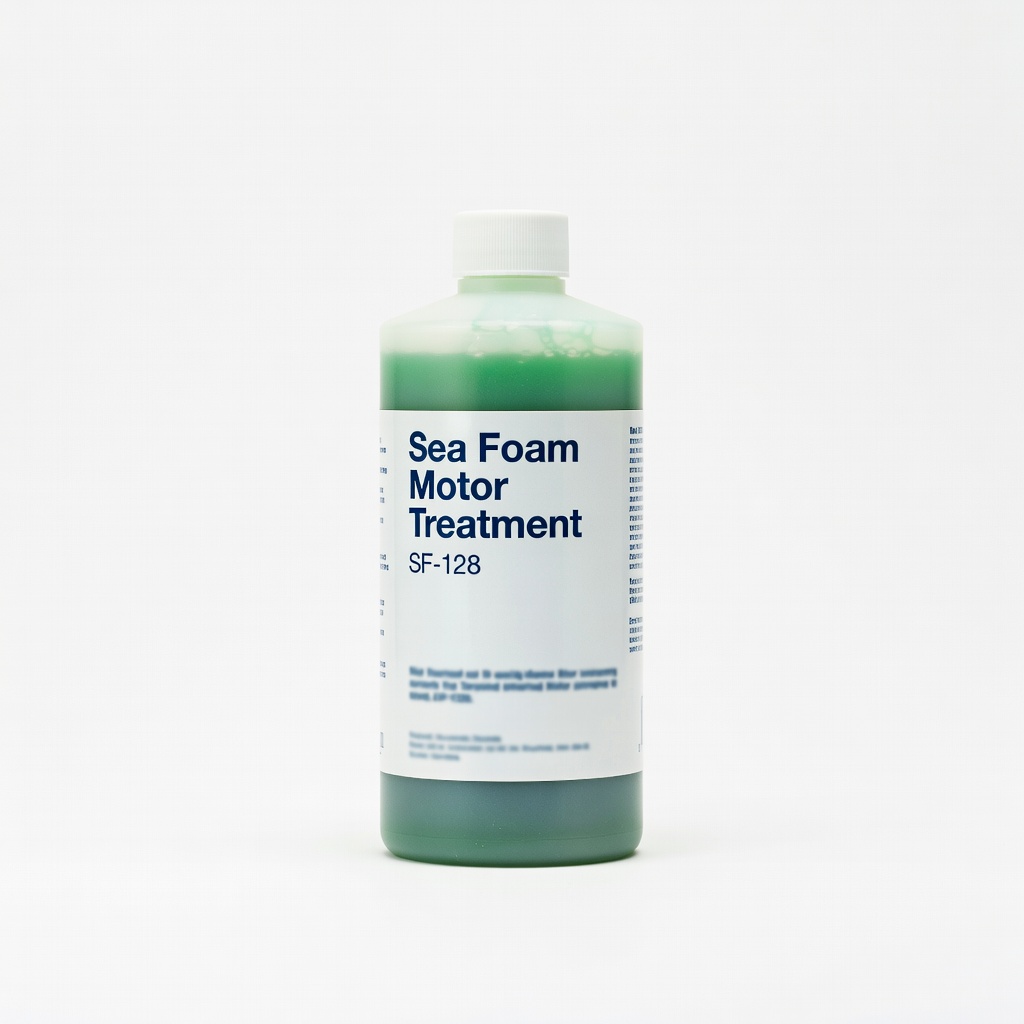
Monthly for gas or diesel to maintain injectors.
Sea Foam Motor Treatment SF-128 Excellent all-in-one cleaner/lubricant; dissolves winter deposits effectively.
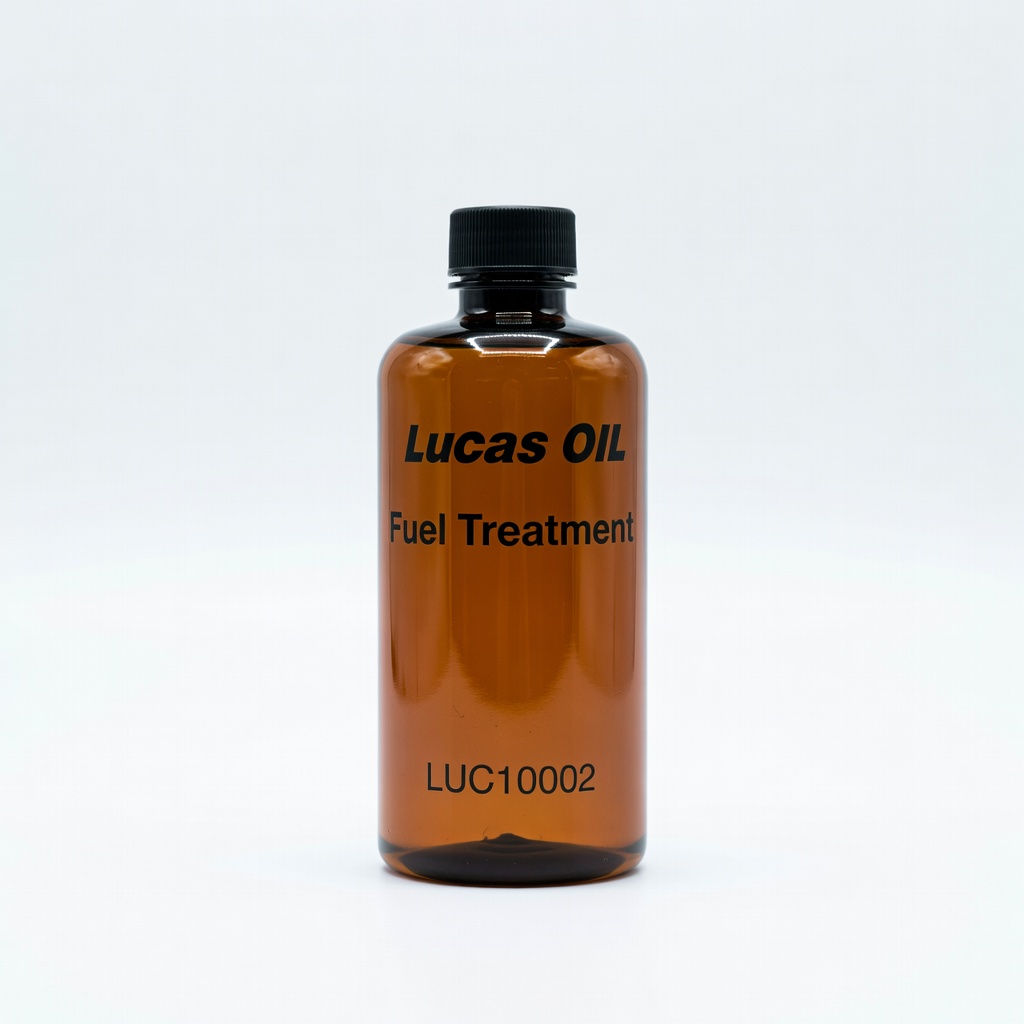
High-mileage vehicles with injector issues.
Lucas Oil Fuel Treatment LUC10002 Boosts MPG via cleaning and stabilizers; proven 5%+ winter gains.
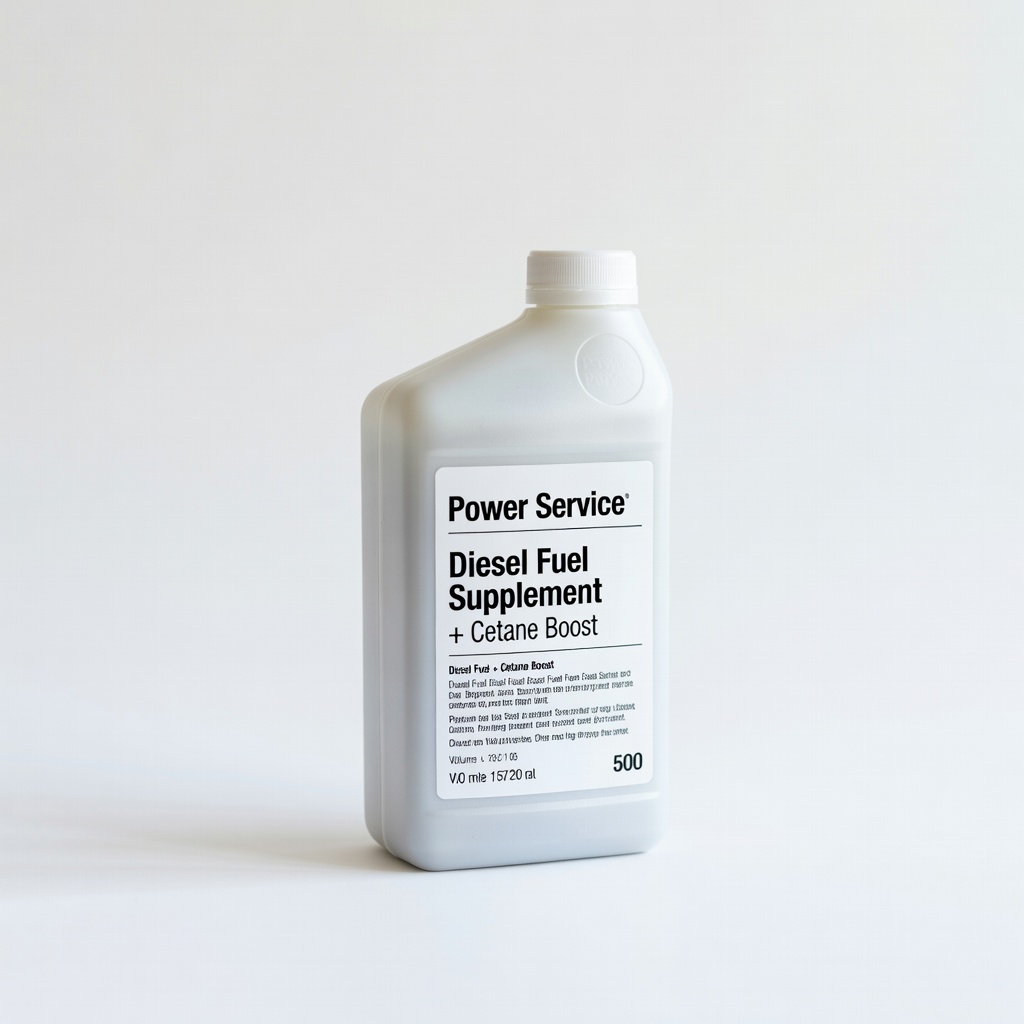
Diesel trucks in sub-30°F temps.
Power Service Diesel Fuel Supplement + Cetane Boost Prevents gelling and boosts cetane for cold diesel starts.
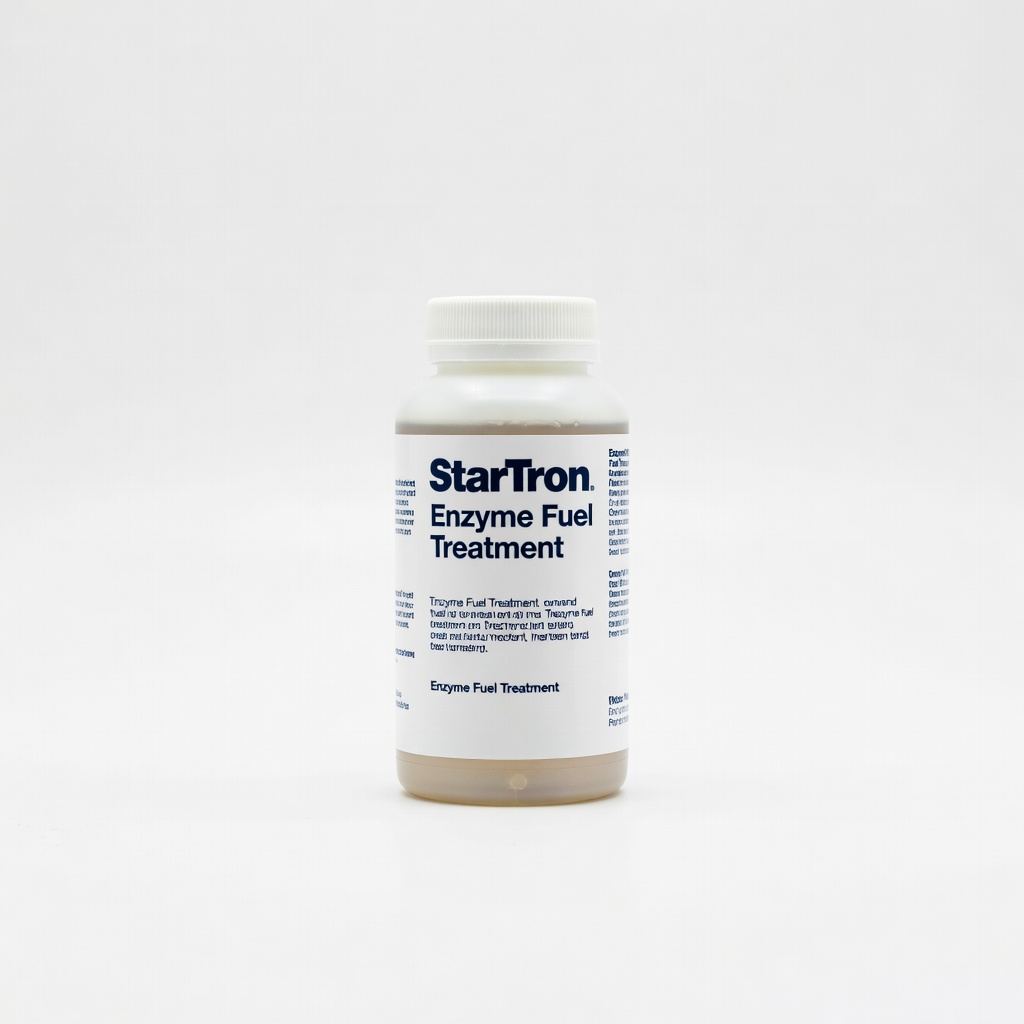
Eco-friendly option for stored or E85 fuels.
Star Tron Enzyme Fuel Treatment Enzyme-based; breaks down gum/sludge without harsh chemicals.