
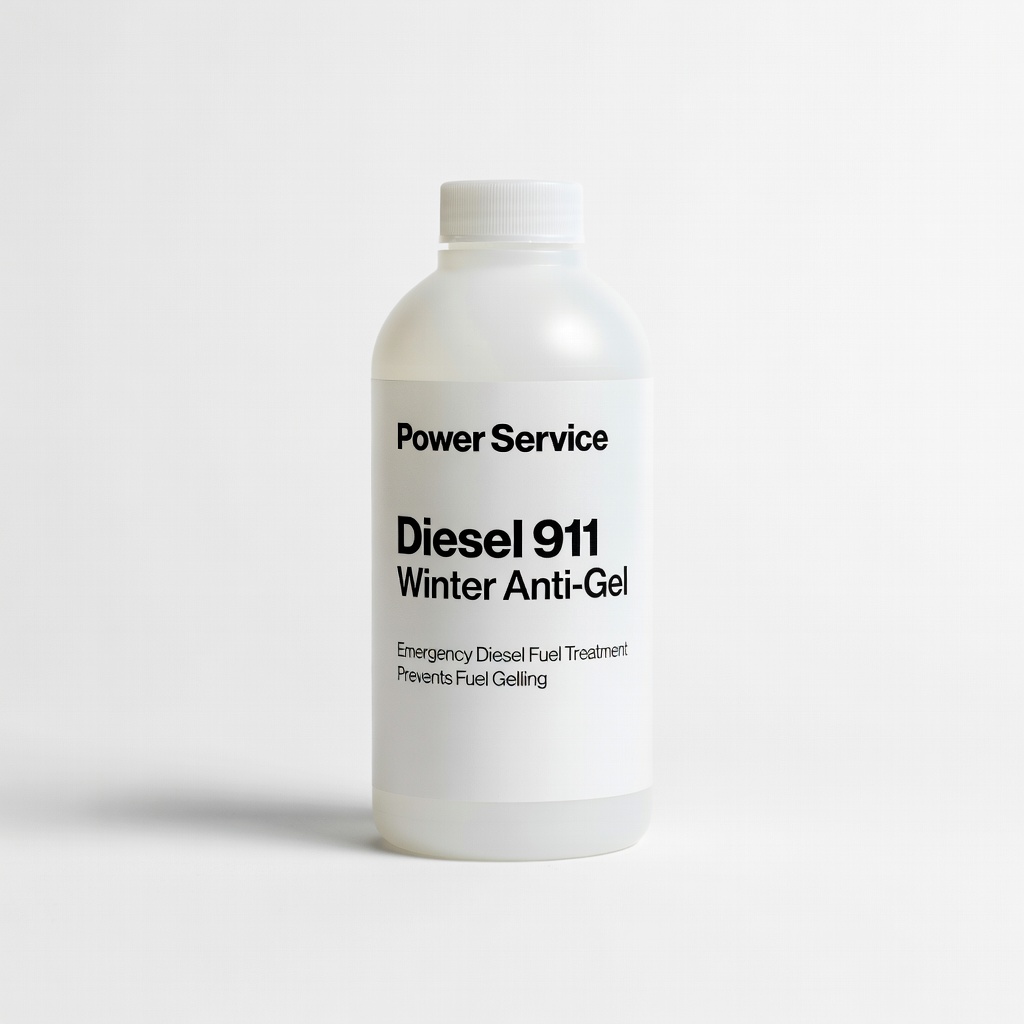
Power Service Diesel 911 Winter Anti-Gel
Extreme cold (<10°F), high-bio diesel; every fill-up.
$15-$20
Power Service Diesel 911 Winter Anti-Gel Top-rated anti-gel lowers pour point to -51°F, prevents clogs for immediate flow/MPG restoration.
Get the App
Better experience on mobile
Learn proven additives that combat gelling, boost cetane, and improve winter fuel economy by up to 10% for reliable performance.
Winter driving with diesel vehicles can be a nightmare: cold temperatures cause fuel gelling, injector issues, and a frustrating drop in MPG—sometimes 20-30% lower. Hard starts, reduced power, and poor efficiency plague truck owners, fleet managers, and daily drivers. But the right additives can prevent these problems and restore lost MPG.
In this guide, you'll discover how winter diesel additives work, which types deliver the best MPG gains, and step-by-step advice on selecting and using them. We'll break down science-backed options with real-world examples, so you can make informed choices. Expect 10-15 minutes to read and apply the knowledge—no tools needed beyond basic diesel familiarity.
Estimated Time: 10-15 minutes to read and understand Difficulty: intermediate
Diesel fuel, especially ultra-low sulfur diesel (ULSD), thickens and gels below 20°F (-7°C) due to wax crystals forming. This clogs filters and lines, starving the engine of fuel and slashing MPG by restricting flow.
Think of it like honey in a straw—cold makes it too viscous to flow. Biodiesel blends (common in winter) worsen this, raising the gel point. Result: poor combustion, black smoke, and 2-5 MPG losses.
Image description: Infographic showing diesel fuel molecules crystallizing in cold temps vs. smooth flow.
💡 Tips:
⚠️ Warnings:
Beyond gelling, winter reduces cetane (ignition quality), causing incomplete burns and 5-10% efficiency drops. Poor lubricity from ULSD wears injectors, leading to leaks and further MPG hits.
Analogy: Low cetane is like poor spark plugs—slow ignition wastes fuel. Deposits from moisture/condensation add drag.
Additives target these for 3-8% MPG gains per tests by SAE and fleet studies.
💡 Tips:
Anti-gel (pour point depressants) modify wax crystals to stay small and flowable down to -20°F or lower. They prevent filter plugging, ensuring steady fuel delivery and baseline MPG restoration.
Example: Powerservice Diesel 911 lowers pour point by 40°F. MPG impact: 2-4% by avoiding flow issues.
Use when temps drop below 30°F.
⚠️ Warnings:
Cetane improvers raise the cetane number (typically 40-45 in winter diesel) to 50+, speeding ignition for cleaner, more efficient burns. This cuts unburnt fuel, boosting MPG 3-5%.
Like turbocharging combustion timing. Real-world: Fleets report 0.5-1 MPG gains in cold starts.
💡 Tips:
ULSD lacks natural sulfur lubricants, so additives add fatty esters to cut injector wear by 50%. Detergents dissolve deposits, improving spray patterns for 2-4% MPG uplift.
Multi-functional formulas (e.g., cetane + lubricity) are winter stars.
Studies (e.g., ASTM) show 5-10% total winter MPG gains from combined additives. Anti-gel alone: flow restoration. Cetane + cleaners: combustion efficiency.
Track over 500 miles for accuracy.
💡 Tips:
Choose ASTM D975-rated additives for your diesel (check bio-content). Dose per instructions: e.g., 1 oz per 10 gal. Add to tank before filling.
Winter priority: Anti-gel + cetane.
⚠️ Warnings:
Treat every fill-up in winter. Change fuel filters if MPG lags. Expect consistent gains with regular use.
Pro fleets treat year-round for sustained benefits.
💡 Tips:
Problem: No MPG improvement after adding
Solution: Check dosage, filter condition, and track over 300+ miles. Clean tank if contaminated.
Problem: Fuel still gelling
Solution: Verify temp rating; use emergency anti-gel like Diesel 911. Replace filter.
Problem: Smoke or rough idle
Solution: Wrong additive type—switch to cetane-focused. Consult mechanic for injectors.
Problem: When MPG worsens
Solution: Contaminated additive; drain tank partially and retry. Seek pro if persists.
Top-rated anti-gel lowers pour point to -51°F, prevents clogs for immediate flow/MPG restoration.
Best for: Extreme cold (<10°F), high-bio diesel; every fill-up.
Price Range: $15-$20
Boosts cetane 3+ points, adds lubricity, cleans for 4-6% MPG gains; all-season but winter-proven.
Best for: Daily drivers needing efficiency + protection; year-round.
Price Range: $20-$30
Raises cetane to 6 points, detergents restore injectors for proven 5%+ MPG in winter tests.
Best for: Fleet use, poor MPG from deposits; every tank.
Price Range: $10-$15
Multi-functional: cleans, lubricates, cetane boost; fleets report 2+ MPG winter gains.
Best for: Shock treatment for neglected systems; quarterly.
Price Range: $25-$35
Superior lubricity (60% wear reduction), cetane boost for MPG and engine life in cold.
Best for: High-mileage trucks; winter + summer.
Price Range: $30-$40
Extreme cold (<10°F), high-bio diesel; every fill-up.
Power Service Diesel 911 Winter Anti-Gel Top-rated anti-gel lowers pour point to -51°F, prevents clogs for immediate flow/MPG restoration.
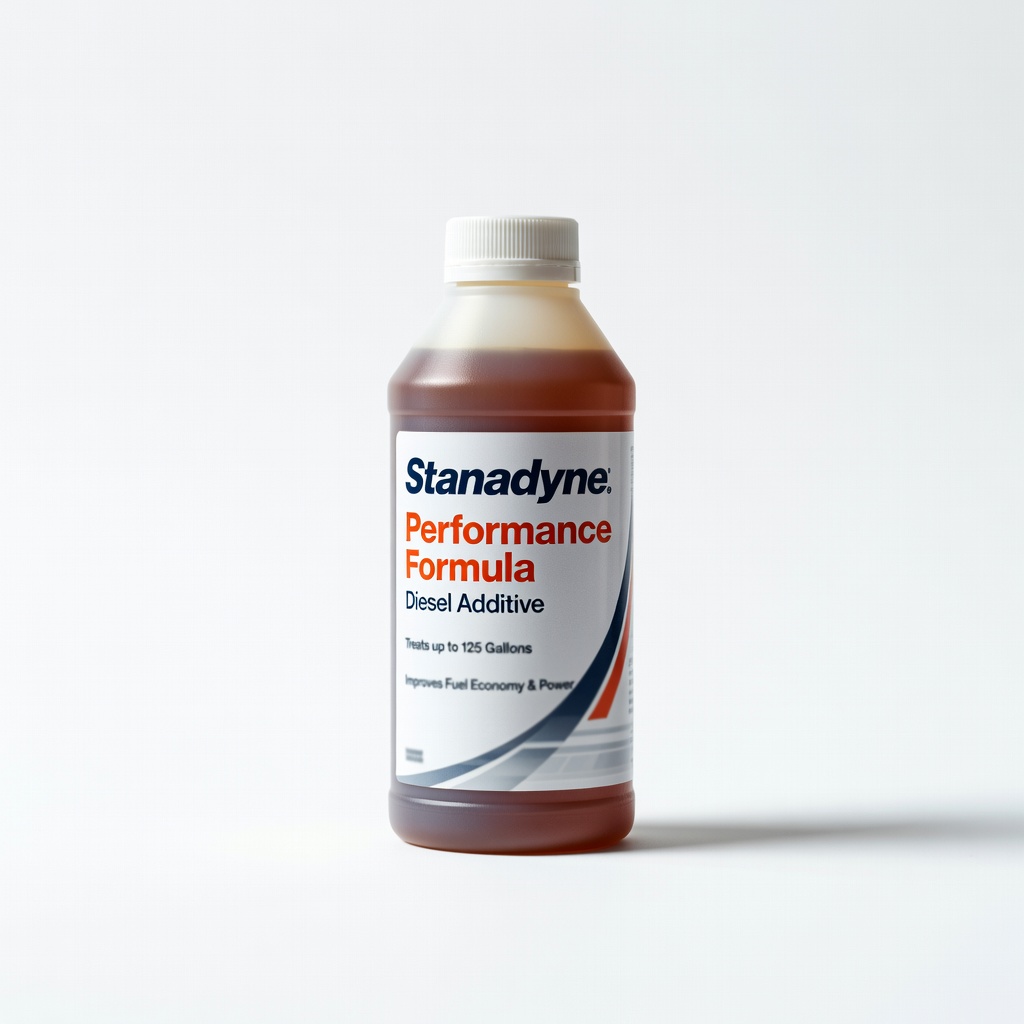
Daily drivers needing efficiency + protection; year-round.
Stanadyne Performance Formula Diesel Additive Boosts cetane 3+ points, adds lubricity, cleans for 4-6% MPG gains; all-season but winter-proven.
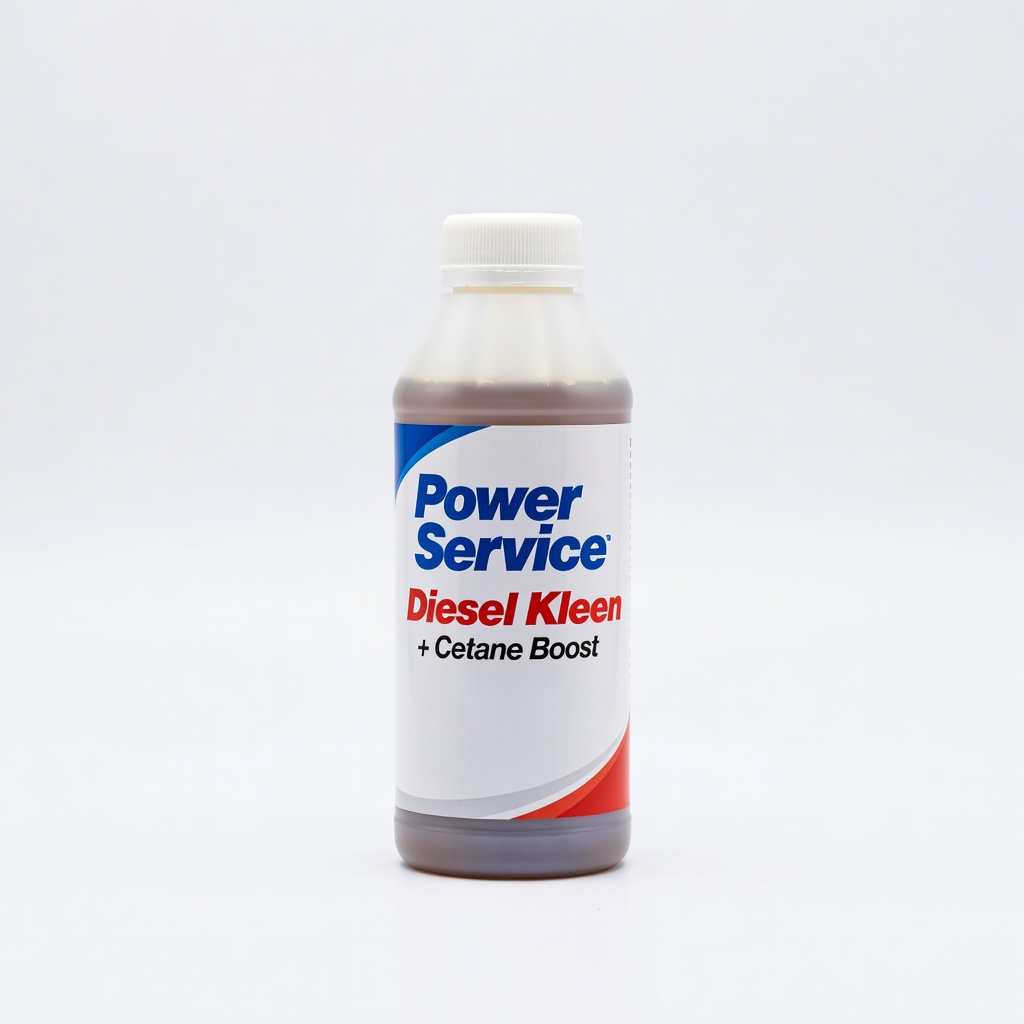
Fleet use, poor MPG from deposits; every tank.
Power Service Diesel Kleen + Cetane Boost Raises cetane to 6 points, detergents restore injectors for proven 5%+ MPG in winter tests.
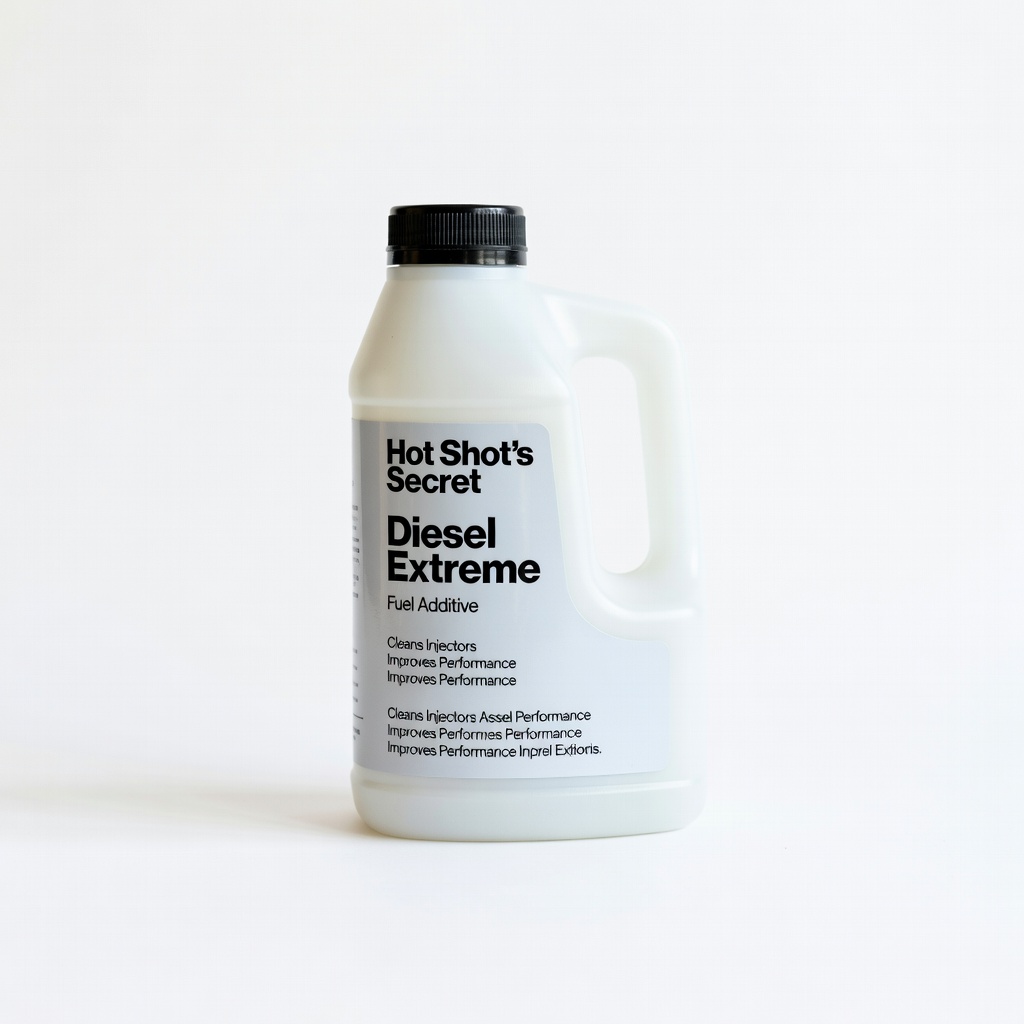
Shock treatment for neglected systems; quarterly.
Hot Shot's Secret Diesel Extreme Multi-functional: cleans, lubricates, cetane boost; fleets report 2+ MPG winter gains.
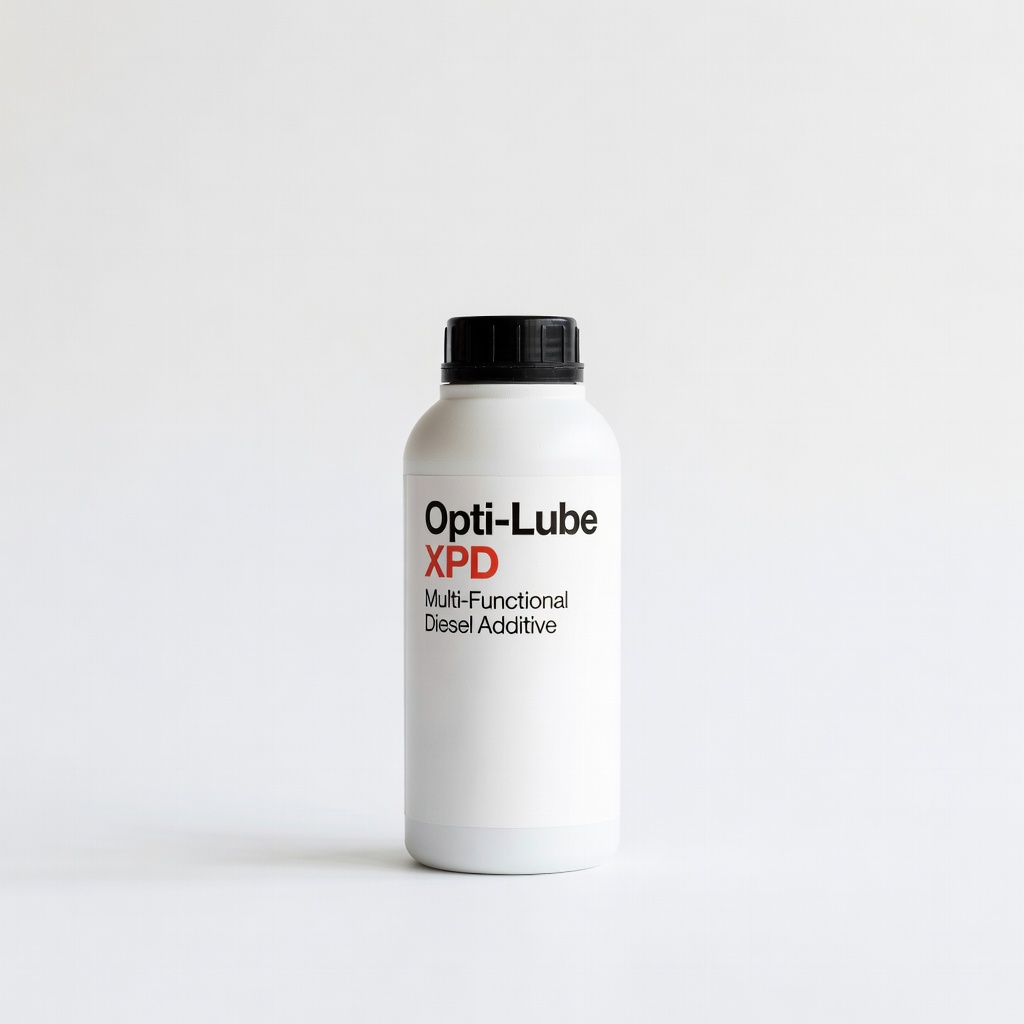
High-mileage trucks; winter + summer.
Opti-Lube XPD Multi-Functional Diesel Additive Superior lubricity (60% wear reduction), cetane boost for MPG and engine life in cold.