Why Cold Weather Kills Diesel Efficiency
Winter temperatures turn diesel fuel into a sludgy nightmare. As temps drop below 32°F (0°C), paraffin wax in diesel begins to crystallize (cloud point), and below 10°F (-12°C), it gels completely (pour point), clogging filters and starving engines of fuel. This leads to hard starts, reduced power, and up to 20-30% drops in fuel efficiency from incomplete combustion and downtime.
What You'll Master in This Guide
This advanced explainer breaks down the science of diesel fuel behavior in cold weather, key additive types that restore efficiency, and real-world application strategies. You'll learn to select, dose, and monitor additives for 5-15% MPG gains. Expect 15-20 minutes to read and apply concepts—no basic knowledge assumed, but familiarity with diesel properties helps.
Quick Overview
We'll cover fuel science, additive mechanisms, top recommendations, and pro tips, progressing from challenges to optimization.
▸What You'll Need
- •Basic understanding of diesel fuel properties (cloud point, cetane number)
- •Access to fuel tank specs and vehicle manual
- •Measuring tools (e.g., graduated container for dosing)
- •Optional: Fuel test kit for cloud point or cetane testing
Estimated Time: 15-20 minutes to read; 30-60 minutes initial application
Difficulty: advanced
▸Step-by-Step Instructions
Step 1: Grasp Diesel Fuel's Cold Weather Vulnerabilities
Diesel #2, the standard fuel, has a cloud point around 15-20°F (-9 to -7°C) where wax crystals form, restricting flow. Pour point is lower, around 0-10°F (-18 to -12°C), when fuel gels solid.
Why it matters for efficiency: Partial blockages cause lean mixtures, incomplete burns, and injector strain, slashing MPG by 10-25%. Advanced users know ULSD (ultra-low sulfur diesel) worsens this due to reduced natural lubricity.
Expect visible wax in filters during cold snaps—prevention via additives is key.
💡 Tips:
- •Track local cloud points via apps like Fuel Cloud Point Tracker.
⚠️ Warnings:
- •Ignoring this leads to no-starts; always check fuel specs first.
Step 2: Understand Cetane Number's Role in Efficiency
Cetane measures ignition delay—higher (45-55 ideal) means faster, cleaner burns for better torque and MPG. Cold air thickens fuel, dropping effective cetane by 5-10 points.
Efficiency impact: Boosters shorten ignition delay, improving combustion completeness by 5-15%, directly translating to MPG gains even in mild cold.
Analogy: Like pre-heating a cold engine; additives prime fuel for optimal burn.
💡 Tips:
- •Test base cetane with kits before/after for data-driven tweaks.
Step 3: Explore Anti-Gel Additives for Flow Assurance
These lower pour point by 20-40°F (-11 to -22°C) via polymers that inhibit crystal growth. They modify wax into fine, non-clogging particles.
Why for efficiency: Prevents filter swaps and downtime; steady flow ensures full injection timing, preserving 95%+ of rated MPG.
Advanced note: Look for ASTM D975-compliant formulas to avoid warranty issues.
⚠️ Warnings:
- •Overdosing causes phase separation—stick to ratios.
Step 4: Leverage Lubricity Enhancers Against Wear
ULSD strips sulfur-based lubricity, increasing pump/injector wear by 30%. Additives restore HFRR scores (<460 microns ideal).
Efficiency link: Less friction = less parasitic drag, +2-5% MPG. Cold amplifies wear from viscous fuel.
Real-world: Heavy-duty trucks see extender life double.
💡 Tips:
- •Combine with anti-gel for synergistic cold protection.
Step 5: Incorporate Detergents and Stabilizers
Cold cycles deposit varnish on injectors, reducing spray pattern efficiency. Detergents clean; antioxidants prevent oxidation/peroxide formation.
Outcome: Restores 5-10% lost MPG from fouled systems. Multi-functional additives bundle these.
Step 6: Select and Dose Additives Correctly
Match to needs: Winter anti-gel for <20°F, all-season for mild cold. Treat rate: 1:500-1:1000 (check label).
Pro calculation: For 100-gal tank, 12-32 oz typical. Add upstream of filter.
Monitor: Log MPG pre/post over 500 miles.
⚠️ Warnings:
- •Never mix incompatible types—test small batches.
Step 7: Measure and Optimize Efficiency Gains
Track via OBD scanner (fuel trim, injector pulse width) or simple fill-up math (miles/gallon).
Expect 5-15% uplift in cold; adjust based on data. Advanced: Dyno test combustion efficiency.
▸Pro Tips
- •Pre-treat fuel 24 hours before cold snap for full mixing.
- •Use app-based reminders for monthly dosing in winter.
- •Blend additives in a ratio (e.g., 70% anti-gel, 30% cetane) for custom formulas.
- •Store additives above 32°F to maintain potency.
- •Pair with block heaters for 20%+ total efficiency boost.
- •Log weather-correlated MPG data for predictive maintenance.
- •Test fuel samples weekly in extreme cold (-20°F).
▸Common Mistakes to Avoid
- •Overdosing additives, causing fuel instability or foaming—follow PPM exactly.
- •Using summer formulas in winter, leading to gelling—check seasonal labels.
- •Ignoring biodiesel blends (B5+), which gel easier—seek B20-compatible additives.
- •Not shaking additive bottles, resulting in uneven dispersion.
- •Expecting instant MPG gains—allow 100-200 miles for full effect.
▸Troubleshooting
Problem: No MPG improvement after adding
Solution: Verify dosing/mixing; check injectors for fouling. Retest after 300 miles or clean system.
Problem: Fuel filter clogs post-additive
Solution: Underdosed or incompatible—drain tank partially, add fresh treated fuel. Use OEM filters.
Problem: White smoke on startup
Solution: Excessive cetane booster—dilute with untreated fuel; switch to lower concentration.
Problem: Additive separates in tank
Solution: Temp too low or bad batch—warm fuel, agitate tank. Seek professional fuel polish.
Power Service 911 Winter Anti-Gel Diesel Fuel Additive
Lowers pour point by -40°F+ with crystal modifiers; prevents gelling for uninterrupted flow and efficiency.
Best for: Extreme cold (<10°F) in trucks/RVs; ideal for high-wax fuels.
Price Range: $15-20
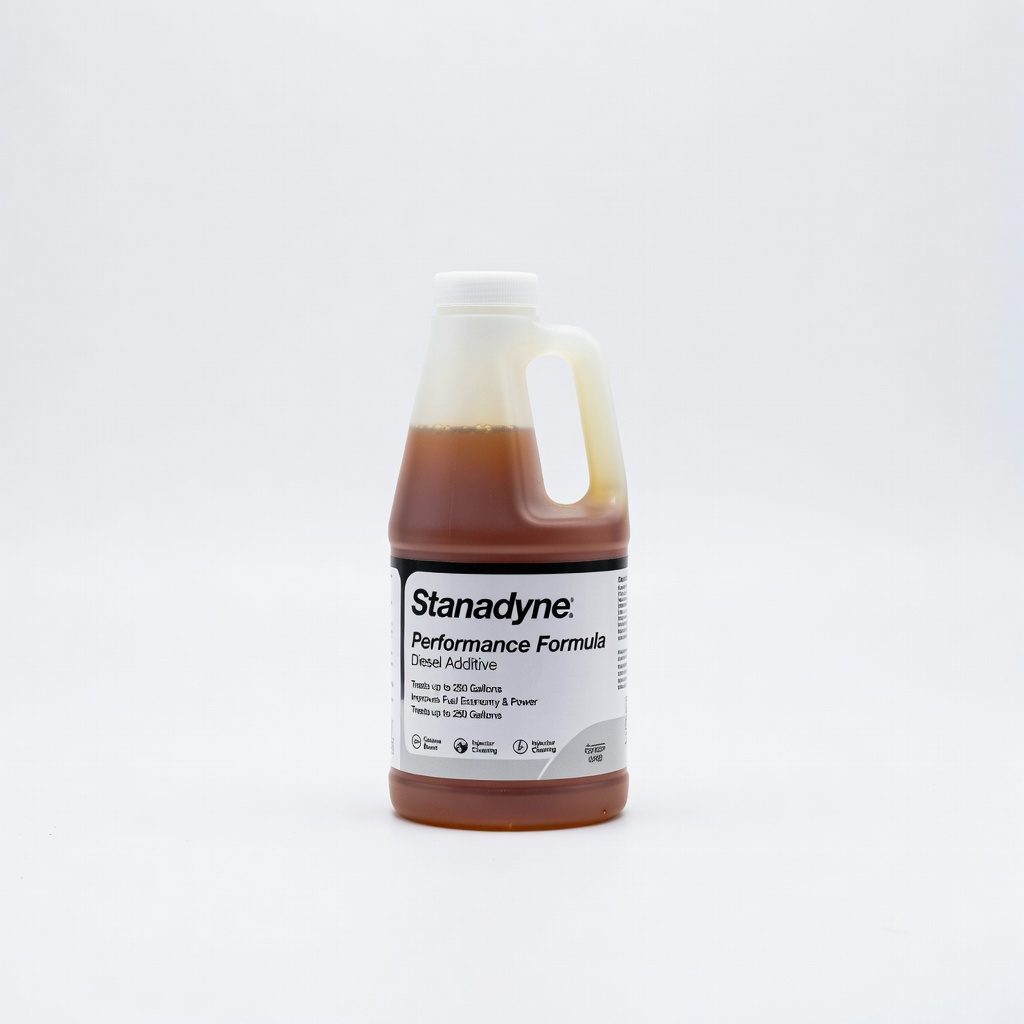
Stanadyne Performance Formula Diesel Additive
Boosts cetane +5 points, restores lubricity, cleans injectors for 5-8% MPG gains in cold.
Best for: All-season with cold emphasis; daily drivers needing combustion efficiency.
Price Range: $20-25
Hot Shot's Secret Diesel Winter Anti-Gel
De-ices existing gel, lowers pour point -65°F; enhances lubricity for wear-free cold starts.
Best for: Emergency de-gelling or severe winters; heavy-duty fleets.
Price Range: $25-35
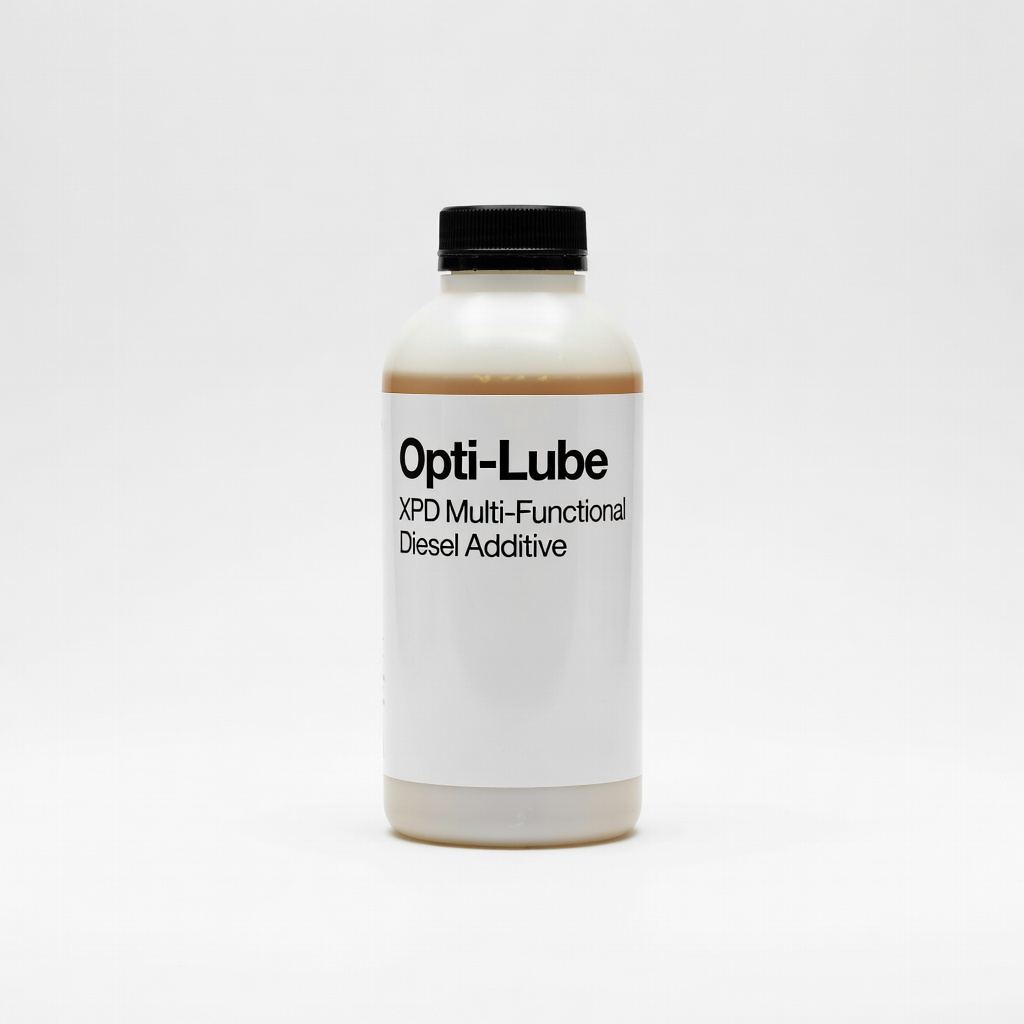
Opti-Lube XPD Multi-Functional Diesel Additive
Cetane boost, lubricity (HFRR 221), detergents; proven 7% MPG increase in cold tests.
Best for: Advanced users optimizing year-round, esp. ULSD in sub-zero.
Price Range: $30-40
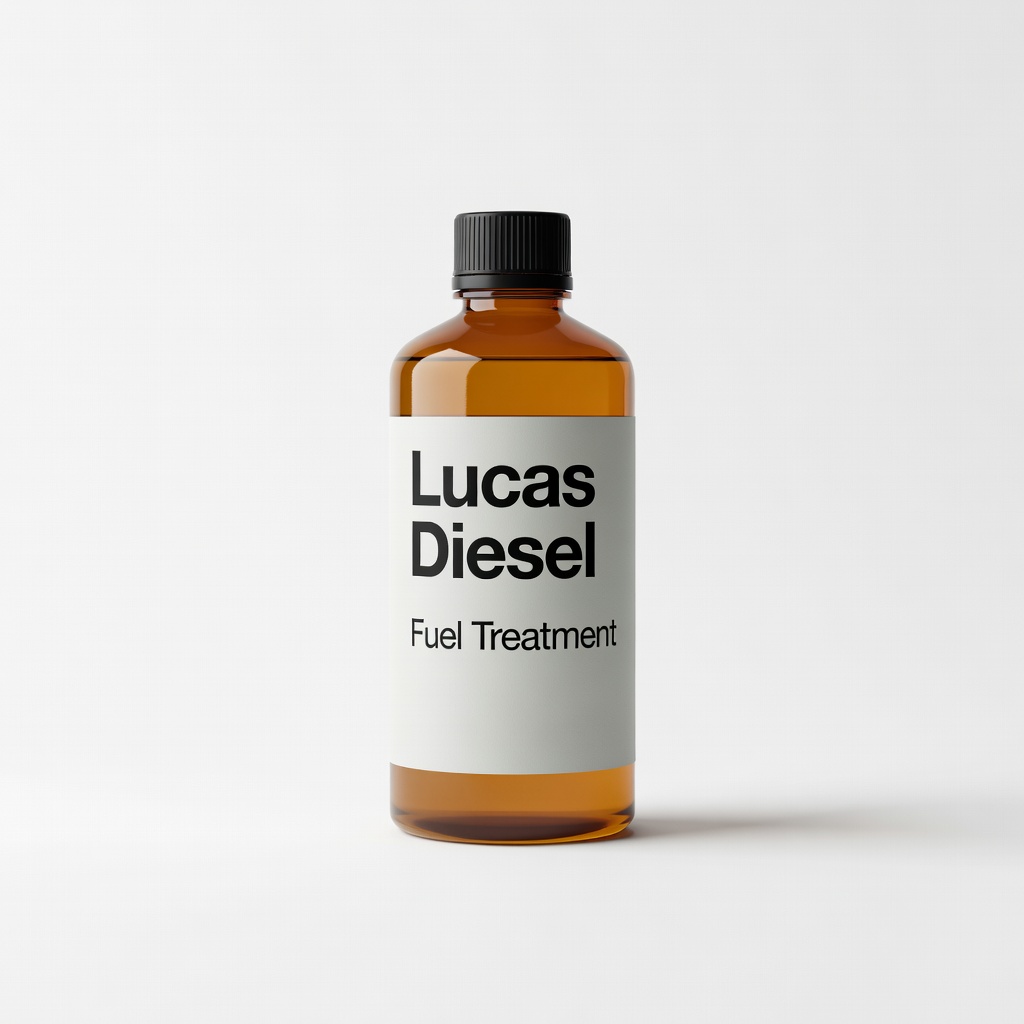
Lucas Diesel Fuel Treatment
Affordable cetane/lubricity boost with anti-gel properties; stabilizes for consistent MPG.
Best for: Budget cold weather maintenance for light-duty diesels.
Price Range: $12-18