
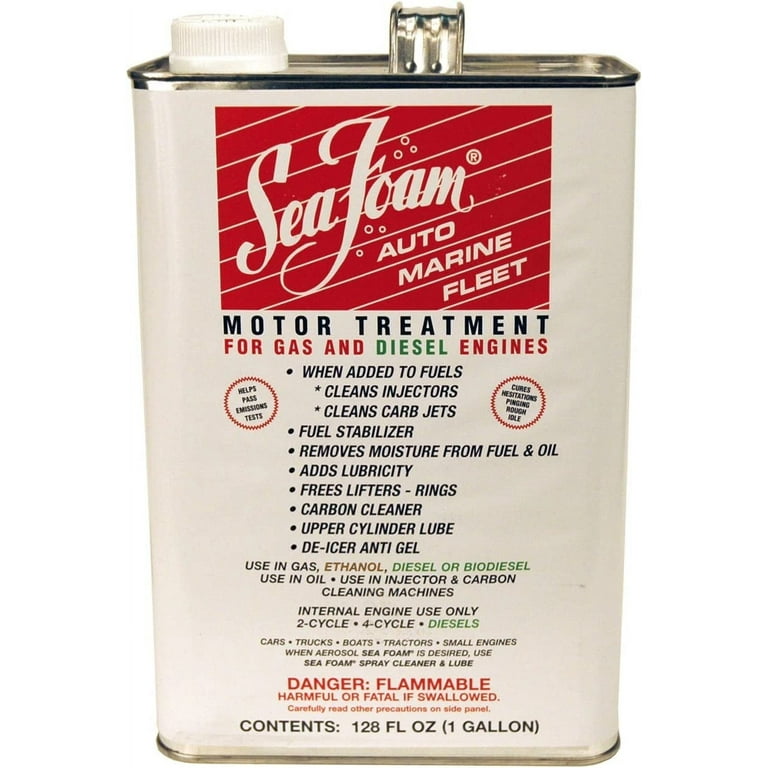
Sea Foam SF-128 Motor Treatment
Universal for gas/diesel; ideal refresh for conventional oils in mild-moderate winters.
$10-$15
Sea Foam SF-128 Motor Treatment Cleans sludge and stabilizes viscosity for better cold flow and starts.
Get the App
Better experience on mobile
Learn essential additives to improve engine oil flow, prevent cold-start issues, and protect your engine in freezing temps.
Imagine scraping ice off your windshield at -10°F only to find your engine cranks endlessly but won't start—thickened oil is often the culprit. In cold weather, engine oil loses fluidity, leading to poor lubrication, increased wear, and potential battery drain from hard cranking. This guide explains what additives can help, why they work, and how to use them effectively.
You'll discover how cold affects oil viscosity, the top types of additives for winter performance, and step-by-step guidance on selecting and applying them. No more guessing—get actionable knowledge to keep your engine purring through winter. This explainer is perfect for intermediate DIYers with basic maintenance experience; expect 15 minutes to read and plan your approach.
By the end, you'll know if additives are right for your vehicle or if a full oil change to synthetics is better, saving you costly repairs.
Estimated Time: 15-20 minutes Difficulty: intermediate
Cold temperatures cause motor oil to thicken dramatically due to its viscosity rating. Conventional oils can reach their 'pour point' (where they stop flowing) as low as 0°F, turning into sludge that starves the engine of lubrication during startup.
Why it matters: Poor flow leads to metal-on-metal contact, scoring bearings and cams. Multi-grade oils (e.g., 10W-40) use built-in modifiers, but extreme cold (-20°F or below) overwhelms them.
Expect higher wear if unaddressed—additives bridge the gap without a full oil swap.
💡 Tips:
⚠️ Warnings:
Focus on viscosity (resistance to flow), pour point (temp where oil gels), and viscosity index (VI) (stability across temps). Analogous to honey: it flows fine warm but hardens in the fridge.
Additives target these—pour point depressants (PPDs) prevent wax crystal formation, while viscosity index improvers (VIIs) are polymers that shrink in cold to maintain thinness.
What to expect: Properly treated oil flows like syrup at startup, reducing crank time by 20-50%.
Why choose? PPDs for extreme cold; VIIs for all-season boost. Synthetics already have these, so additives extend conventional oil.
💡 Tips:
Review manual for recommended winter grade (e.g., 5W-30). Test current oil: Warm engine, shut off, check dipstick after 5 min—if sluggish pour, add treatment.
Factors: Age/miles on oil (>3k miles?), conventional vs. synthetic, diesel vs. gas (diesels gel more).
Skip if using 0W/5W synthetic; opt for additive refresh instead.
⚠️ Warnings:
Match to climate: PPDs for sub-zero, VIIs for mild winters. Check compatibility (most universal). Read reviews for your vehicle.
Pro tip: Look for ASTM-tested products claiming 10-30°F pour point drop.
Expect 1-2 oz per quart of oil dosage.
💡 Tips:
Warm engine 5-10 min, add via filler tube with funnel. Run 5 min idle, then drive gently 20 miles to circulate.
Why now? Heat helps mixing; prevents clumping.
Drive normally—effects peak after 100 miles.
⚠️ Warnings:
Recheck dipstick flow after 1 week cold soak. Listen for easier starts, smoother idle.
Re-treat every oil change or 3 months in winter. Best with regular changes.
💡 Tips:
Problem: Engine still hard-starts after treatment
Solution: Verify dosage; consider full synthetic change or battery check. Retest pour point.
Problem: Oil foams or smokes
Solution: Overdosed—drain partial oil, refill standard. Avoid anti-foam mismatch.
Problem: No noticeable improvement
Solution: Oil too degraded—change immediately. Try different additive type.
Problem: Leaking seals after adding
Solution: Some stabilizers swell seals; use friction-focused instead. Consult mechanic.
Cleans sludge and stabilizes viscosity for better cold flow and starts.
Best for: Universal for gas/diesel; ideal refresh for conventional oils in mild-moderate winters.
Price Range: $10-$15
Boosts film strength and maintains flow in cold, reducing wear on startup.
Best for: High-mileage engines or extreme cold; blends well with most oils.
Price Range: $12-$18
Lowers friction by 20-50%, improves cold pumpability without thickening.
Best for: Modern engines needing quick lubrication in sub-zero temps.
Price Range: $25-$35
Ceramic-based friction reducer with VII properties for superior cold/hot stability.
Best for: Premium option for performance vehicles in harsh winters.
Price Range: $25-$30
Polar oil molecules enhance lubricity and flow in low temps.
Best for: Diesel or turbo engines prone to cold gelling.
Price Range: $20-$30
Universal for gas/diesel; ideal refresh for conventional oils in mild-moderate winters.
Sea Foam SF-128 Motor Treatment Cleans sludge and stabilizes viscosity for better cold flow and starts.
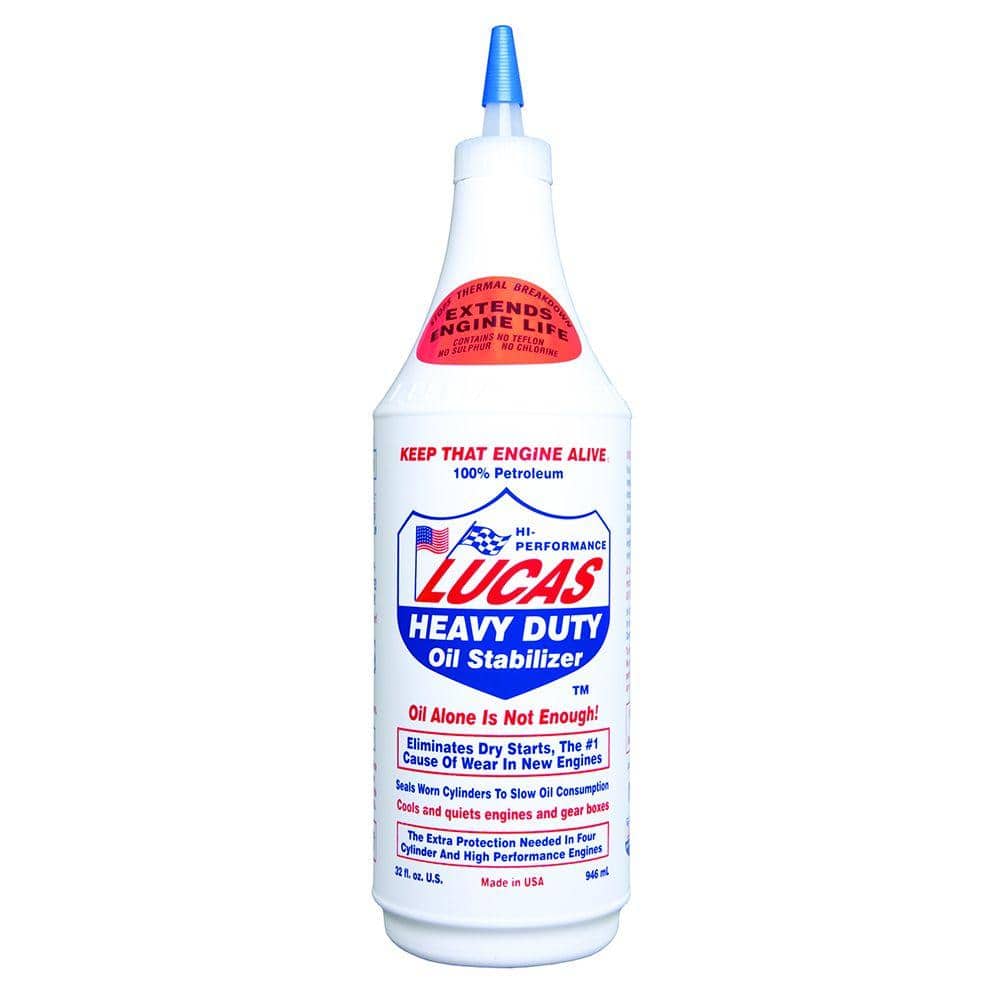
High-mileage engines or extreme cold; blends well with most oils.
Lucas Oil Heavy Duty Oil Stabilizer Boosts film strength and maintains flow in cold, reducing wear on startup.
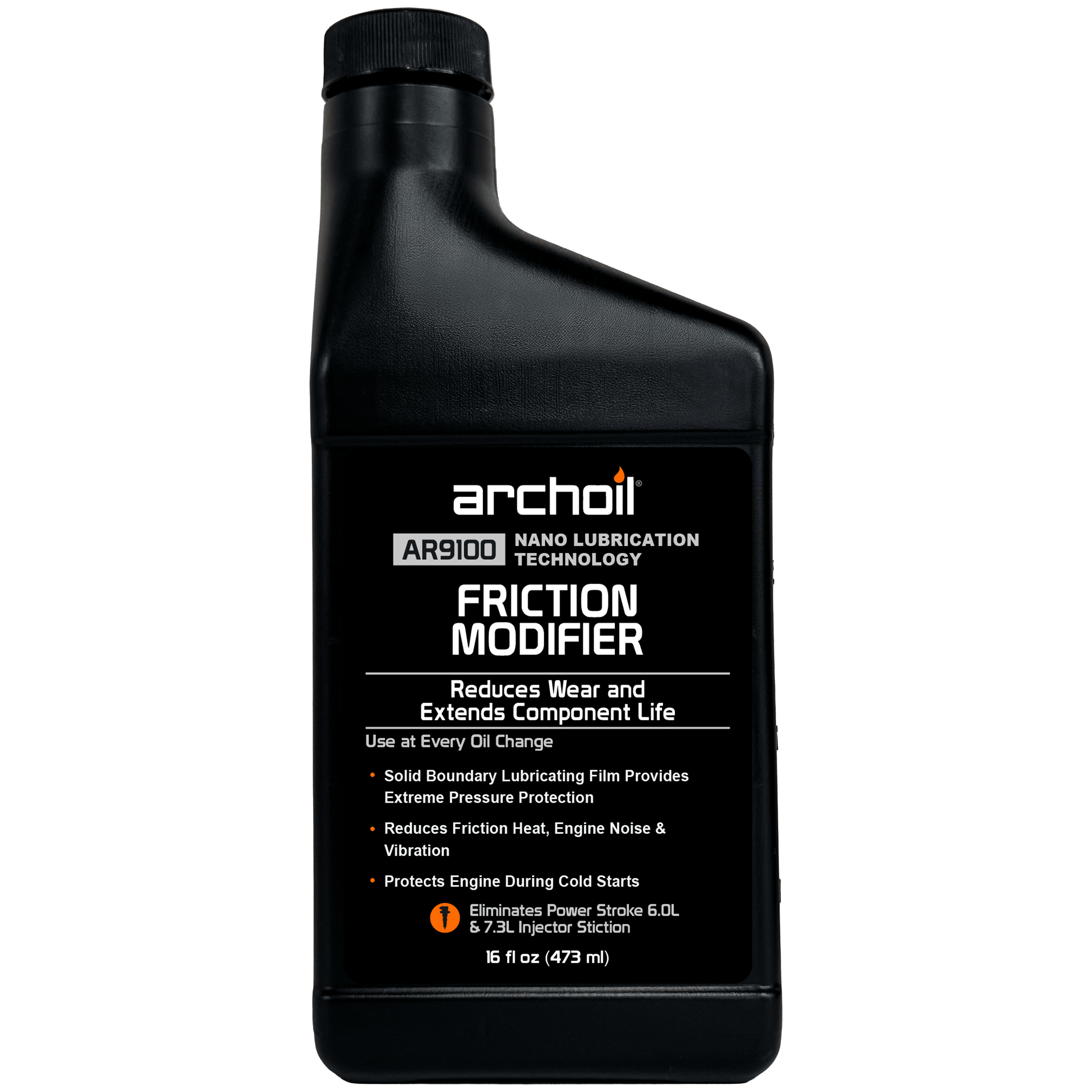
Modern engines needing quick lubrication in sub-zero temps.
Archoil AR9100 Friction Modifier Lowers friction by 20-50%, improves cold pumpability without thickening.
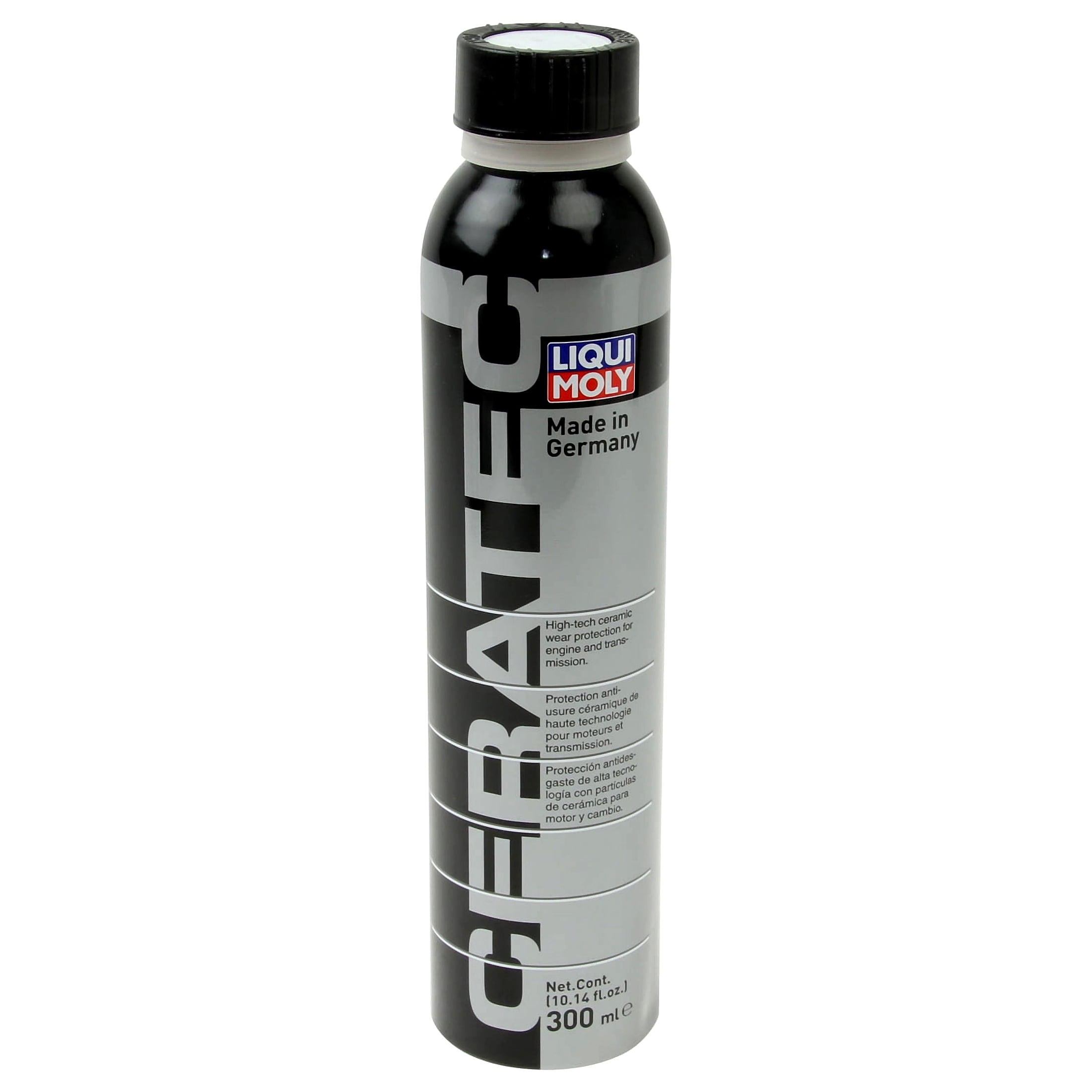
Premium option for performance vehicles in harsh winters.
Liqui Moly Cera Tec Ceramic-based friction reducer with VII properties for superior cold/hot stability.
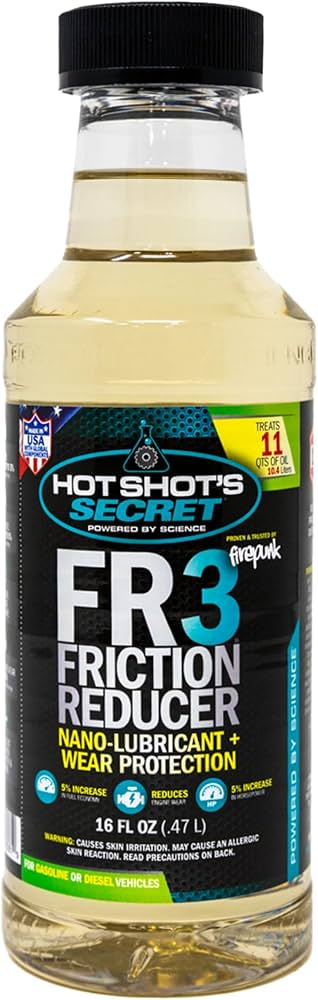
Diesel or turbo engines prone to cold gelling.
Hot Shot's Secret FR3 Friction Reducer Polar oil molecules enhance lubricity and flow in low temps.