
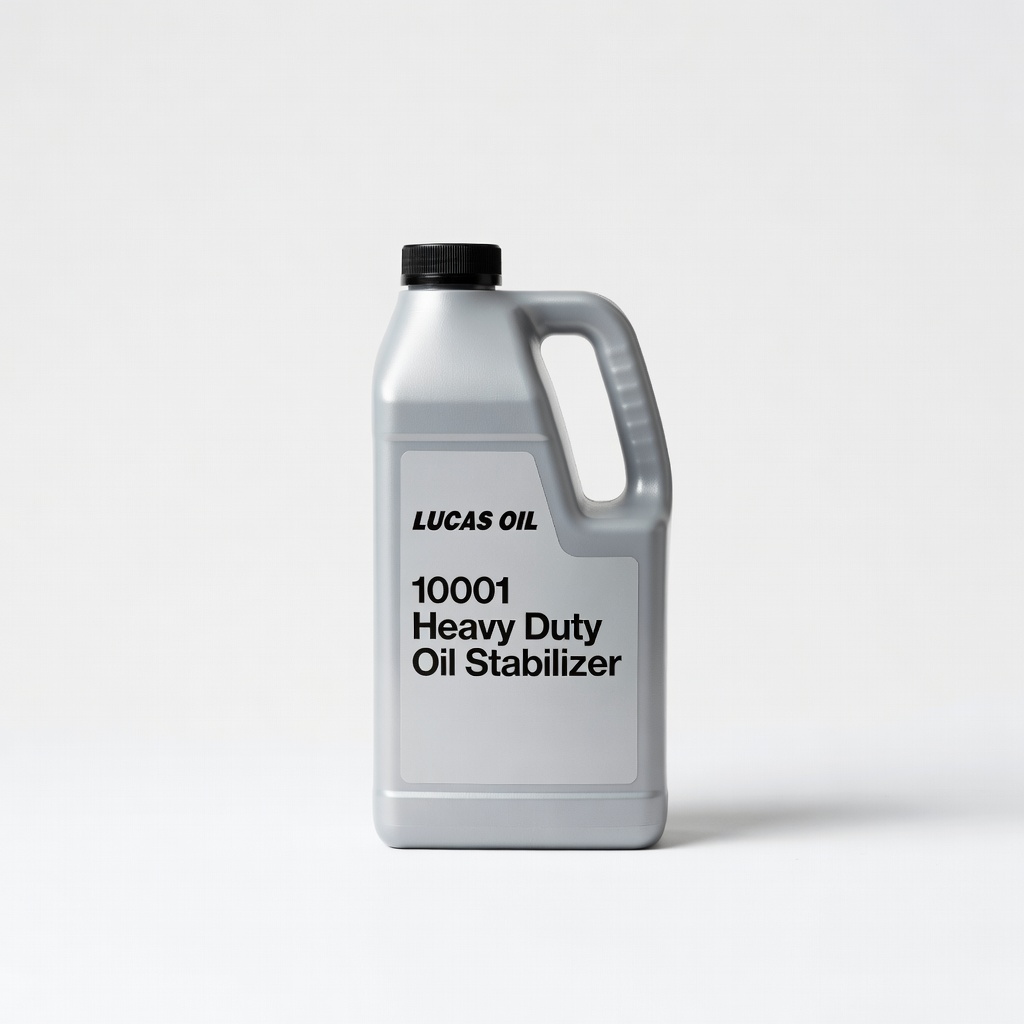
Lucas Oil 10001 Heavy Duty Oil Stabilizer
High-mileage or towed vehicles needing wear protection.
$12-15
Lucas Oil 10001 Heavy Duty Oil Stabilizer Boosts film strength and viscosity, reduces dry starts for 3-5% power gains.
Get the App
Better experience on mobile
Learn the key additives that enhance power, reduce wear, and improve fuel efficiency in motor oils for better engine performance.
Struggling with sluggish engine response, higher fuel consumption, or premature wear in your vehicle? Engine oil isn't just a lubricant—it's a high-tech fluid packed with additives that can transform performance. Without the right ones, even premium base oils underperform, leading to friction, deposits, and lost horsepower.
In this guide, you'll discover the top additives that boost engine performance, how they work with real-world analogies, and which products to consider. We'll break it down from basics to advanced concepts, so intermediate enthusiasts can optimize their oil choices. Expect to spend 20-30 minutes gaining actionable knowledge to rev up your engine safely.
No tools needed—just your curiosity and maybe your vehicle's manual for specs.
Estimated Time: 20-30 minutes Difficulty: intermediate
Engine oils start with a base stock—mineral, synthetic, or semi-synthetic—which makes up 70-90% of the formula. Additives do the heavy lifting for performance. Think of base oil as plain flour dough; additives are the yeast, sugar, and spices that make it rise and taste great.
Without additives, base oils break down under heat, shear, and contaminants, reducing lubrication. Performance boosters target friction, wear, and flow. Expect to see base oils rated by groups (Group III for synthetics) on labels—higher groups handle additives better.
💡 Tips:
Detergents neutralize acids and dissolve deposits, while dispersants suspend sludge particles—like tiny janitors in your engine. They boost performance by preventing buildup in pistons and valves, improving compression and airflow.
Common in 5-10% of oil, they use metals like calcium or magnesium. Analogy: Detergents scrub bathroom grime; dispersants keep dirt floating away. Result: Smoother operation, better power delivery.
⚠️ Warnings:
Zinc Dialkyldithiophosphate (ZDDP) and similar form a sacrificial film on metal surfaces under pressure, slashing wear by 90%. Vital for camshafts and bearings in high-performance engines.
Why it boosts performance: Less metal-on-metal contact means less heat and friction, freeing up horsepower. Modern oils have 800-1200ppm ZDDP; flat-tappet engines need more. Expect quieter valvetrain and longer life.
💡 Tips:
Molybdenum disulfide (MoS2), graphite, or organic esters reduce drag between moving parts—like WD-40 on squeaky hinges but for pistons. They can add 1-5% power and 2-3% MPG.
In 1-3% concentrations, they shear under load for low friction. Analogy: Ice on a sled runner. Track cars see dyno-proven gains; daily drivers get efficiency.
Polymers like polymethacrylates expand in heat to maintain thickness, preventing thinning. Boosts performance by ensuring film strength at 100°C+ and flow at startup.
Result: Consistent protection, less drag, better economy. Synthetics excel here—check VI rating >150.
💡 Tips:
Phenols and amines scavenge free radicals, preventing varnish and acid buildup. They extend oil life 2-3x, maintaining performance in hot turbos or trackers.
Analogy: Sunscreen for oil molecules. Expect darker oil slower, sustained protection.
⚠️ Warnings:
These lower wax crystallization temp for cold starts, ensuring instant lubrication. Boosts winter performance by reducing startup wear 50%.
Polymers modify crystals—key for diesels. Result: Quicker revs, less battery drain.
Match additives to needs: friction mods for racing, ZDDP for classics. Add at oil change (10-20% volume). Always verify compatibility with synthetic base.
Test results with dyno or UOAs. Pro move: Blend your own for custom tunes.
💡 Tips:
Problem: Engine noise after adding additive
Solution: Dilution or incompatibility—drain partial, refill with fresh oil. Check viscosity match.
Problem: Oil foaming or pressure drop
Solution: Anti-foam overload or aeration—use less, cycle engine gently.
Problem: No performance gain
Solution: Worn engine or wrong additive—do UOA, consider rebuild if compression low.
Problem: Smoke or leaks post-add
Solution: Seal swellers working—monitor; if excessive, flush system.
Boosts film strength and viscosity, reduces dry starts for 3-5% power gains.
Best for: High-mileage or towed vehicles needing wear protection.
Price Range: $12-15
Ceramic friction modifier cuts drag, proven dyno +2HP, extends life.
Best for: Performance cars/track days for max efficiency.
Price Range: $25-30
Cleans injectors/pistons, boosts compression for smoother power.
Best for: Maintenance on neglected engines before oil change.
Price Range: $10-12
Nano-boron reduces friction 20%, ideal for turbos/diesels.
Best for: Diesel trucks seeking MPG/HP without smoke.
Price Range: $30-40
High-mileage or towed vehicles needing wear protection.
Lucas Oil 10001 Heavy Duty Oil Stabilizer Boosts film strength and viscosity, reduces dry starts for 3-5% power gains.
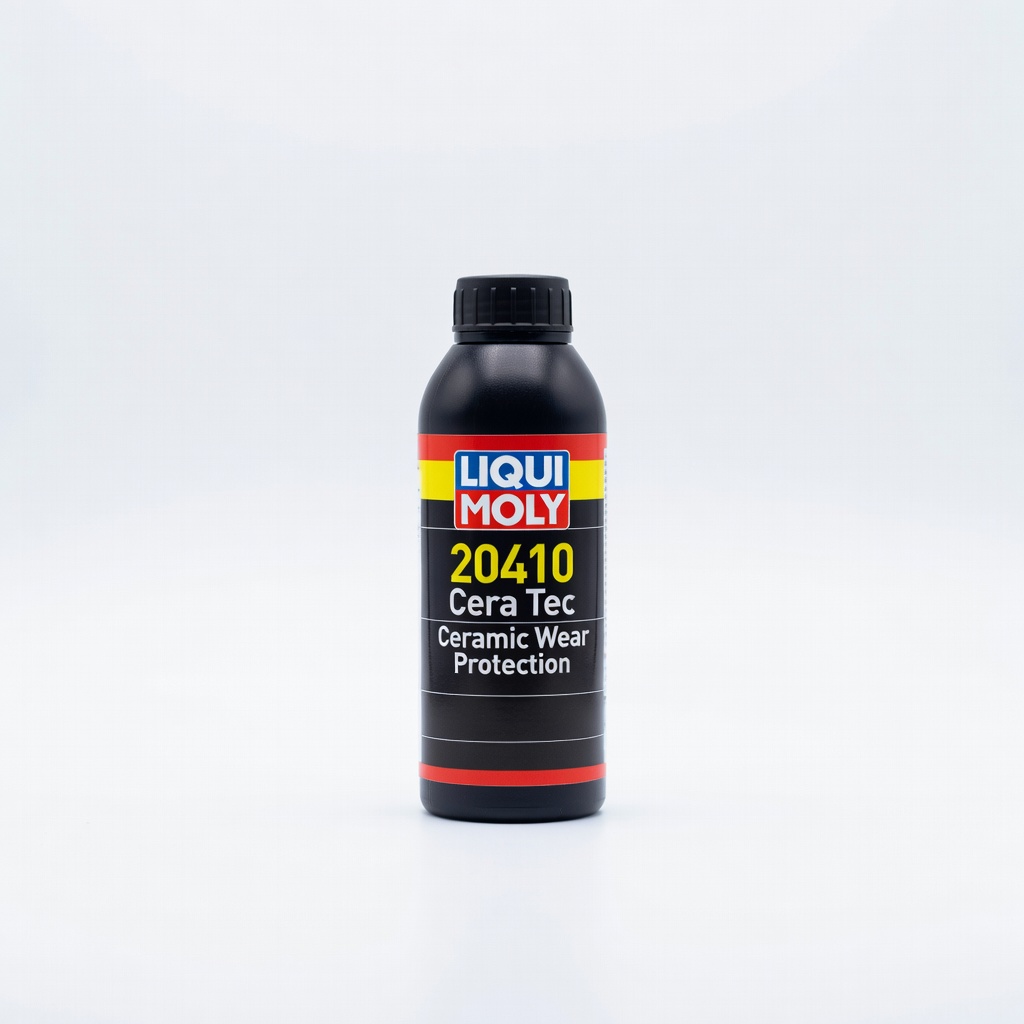
Performance cars/track days for max efficiency.
Liqui Moly 20410 Cera Tec Ceramic Wear Protection Ceramic friction modifier cuts drag, proven dyno +2HP, extends life.
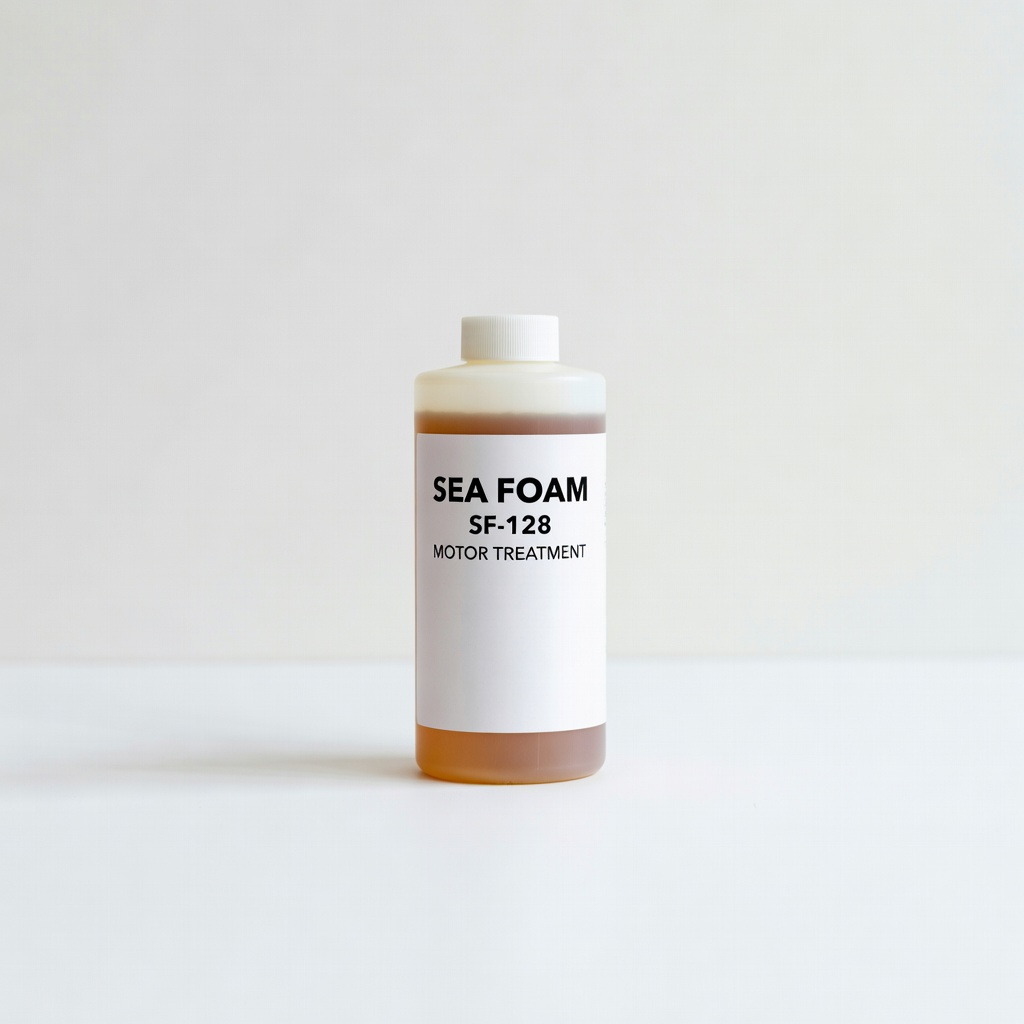
Maintenance on neglected engines before oil change.
Sea Foam SF-128 Motor Treatment Cleans injectors/pistons, boosts compression for smoother power.
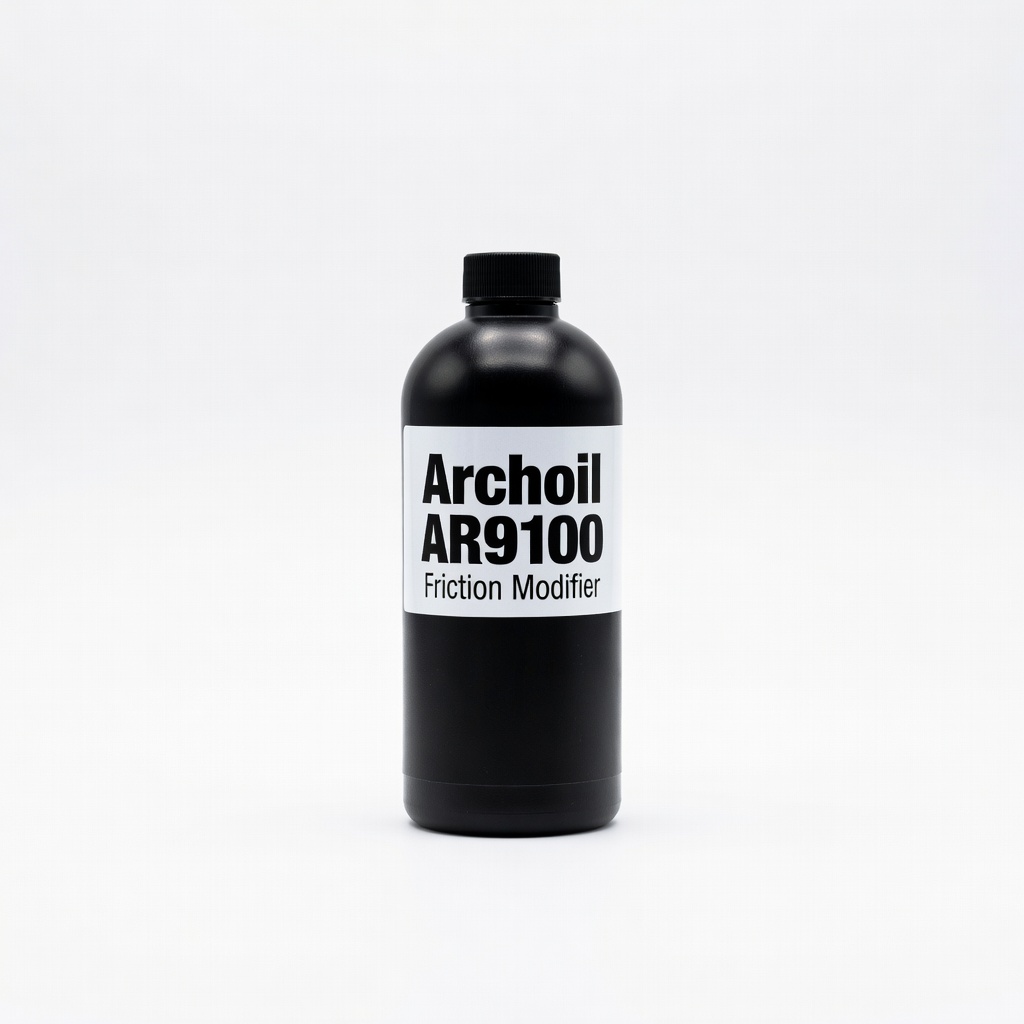
Diesel trucks seeking MPG/HP without smoke.
Archoil AR9100 Friction Modifier Nano-boron reduces friction 20%, ideal for turbos/diesels.