In additive manufacturing (AM), prototyping is straightforward, but scaling to production volumes often hits bottlenecks like slow speeds, inconsistent quality, and high per-part costs. For advanced engineers and manufacturers, selecting the right products means focusing on throughput, uptime, and automation-ready systems that rival traditional methods.
This guide breaks down the key factors, technologies, and specific products that enable scalable AM production. You'll learn to evaluate systems based on real-world metrics, compare processes like SLS and MJF, and identify hardware for 100s to 1000s of parts per run. Expect a deep dive into advanced concepts—no fluff, just actionable insights for optimizing your workflow.
By the end, you'll know exactly which AM products to deploy for cost-effective scaling, with examples from industries like aerospace and automotive.
▸What You'll Need
- •Advanced knowledge of AM processes (FDM, SLA, SLS, DMLS, MJF)
- •Familiarity with production metrics (build time, yield rate, cost-per-part)
- •Access to CAD software and slicing tools (e.g., Cura, PreForm)
- •Optional: AM farm management software like 3DPrinterOS
Estimated Time: 20-30 minutes
Difficulty: advanced
▸Step-by-Step Instructions
Step 1: Define Scalability in AM
Scalability in additive manufacturing refers to a system's ability to produce parts at rates and costs competitive with injection molding or CNC, typically 100+ units/day with >95% yield. Unlike prototyping (1-10 parts), production demands reliability over weeks, not hours.
Key hallmarks: Multi-part nesting, high uptime (>90%), and automation integration. For advanced users, calculate scalability using throughput (parts/hour) × yield × machine hours/day.
Expect metrics like 1-10g/hour material deposition for FDM vs. 20g+/hour for SLS.
💡 Tips:
- •Benchmark against your target: 1,000 parts/month requires SLS/MJF over FDM.
Step 2: Evaluate Core Metrics for Production
Prioritize speed (layer time <10s), build volume (>200x200x200mm), material versatility (engineering-grade), and post-processing efficiency. Reliability metrics: MTBF >1,000 hours, auto-leveling, and remote monitoring.
Cost-per-part drops exponentially with volume; aim for <$1/part at scale via recycling powder (50-80% reuse in SLS). Use TCO calculators from vendors.
Advanced tip: Model with equations like CPP = (material + energy + labor + depreciation) / yield.
⚠️ Warnings:
- •Ignore hidden costs like downtime; test 24/7 runs first.
Step 3: Assess FDM/FFF for Mid-Volume Scaling
FDM scales via printer farms (10-50 units) for low-complexity parts. High-speed extruders (500mm/s+) and large envelopes enable 50-200 parts/day/farm.
Best for thermoplastics like ABS, Nylon; fiber reinforcement adds strength. Farms need centralized slicing and queueing.
Limitations: Anisotropy, surface finish—pair with vapor smoothing.
💡 Tips:
- •Use CoreXY kinematics for speed; enclosures for warp-free Nylon.
Step 4: Explore Powder Bed Fusion (SLS/MJF)
SLS and MJF dominate high-volume AM with isotropic parts, no supports, and 80% powder reuse. MJF (HP) hits 3,500+ parts/day; SLS (Fuse 1) 100-500.
Ideal for functional end-use: PA12/11 for flexible/rigid. Automation: Powder handling stations cut labor 70%.
Advanced: MJF fuses ink + agent for 170um resolution at 50um layers.
Step 5: Consider Metal AM for High-Value Scaling
DMLS/SLM (EOS, SLM Solutions) for aerospace/medical: Ti6Al4V, Inconel. Scales to 50-200 complex parts/build via topology optimization.
Binder jetting (Desktop Metal) cheaper for 1,000s units. Post-sintering shrinks 20%, plan accordingly.
Cost: $0.50-$5/g powder; high lasers (400W+) boost speed 2x.
⚠️ Warnings:
- •Argon handling critical; qualify per AMS standards.
Step 6: Integrate Automation and Software
Scalable AM needs depowdering robots, conveyors, and ERP integration. Software like Materialise Magics optimizes nesting (2x density).
Cloud fleets (e.g., Xometry API) distribute jobs. Monitor via IoT for predictive maintenance.
Result: 24/7 unmanned operation, 30% cost reduction.
💡 Tips:
- •Start with open-source OctoPrint farm for FDM testing.
Step 7: Analyze Economics and Case Studies
Break-even: AM viable <5,000 units if CPP < molding. BMW scales SLS for 100k brackets/year; GE DMLS for LEAP nozzles (1M+ parts).
ROI calc: (Volume × margin savings) / capex. Subsidize with prototyping revenue.
Advanced: Hybrid AM+CNC for finish.
▸Pro Tips
- •Nest parts orthogonally to minimize build time by 20-40%.
- •Recycle powder rigorously; test reuse 10x before production.
- •Validate with SPC: Track Z-height variance <50um across builds.
- •Use high-flow nozzles (0.6-1.2mm) for 2x FDM speed on thick walls.
- •Integrate AI defect detection cameras for 99% yield.
- •Qualify materials per ISO ASTM 52921 for end-use compliance.
- •Farm printers identically to simplify maintenance and calibration.
▸Common Mistakes to Avoid
- •Overlooking powder handling: Leads to 20-30% yield loss; invest in sieves early.
- •Scaling without yield testing: Prototypes print fine, production fails at 10x volume.
- •Ignoring TCO: Cheap desktop farms downtime triples effective CPP.
- •Poor nesting: Wastes 50% build volume; use pro software.
- •Neglecting post-processing: Unfinished parts unusable for production.
▸Troubleshooting
Problem: Inconsistent layer adhesion across builds
Solution: Standardize chamber temp ±2°C; clean recoater blades daily. Run DOE on humidity.
Problem: High scrap rate in SLS powder
Solution: Sieving <100um; blend virgin:recycled 20:80. Check coater gap.
Problem: Farm synchronization fails
Solution: Use MQTT-based software like Repetier-Server; isolate power supplies.
Problem: Cost overrun at scale
Solution: Audit energy (kWh/part); switch to efficient processes like MJF. Seek volume discounts.
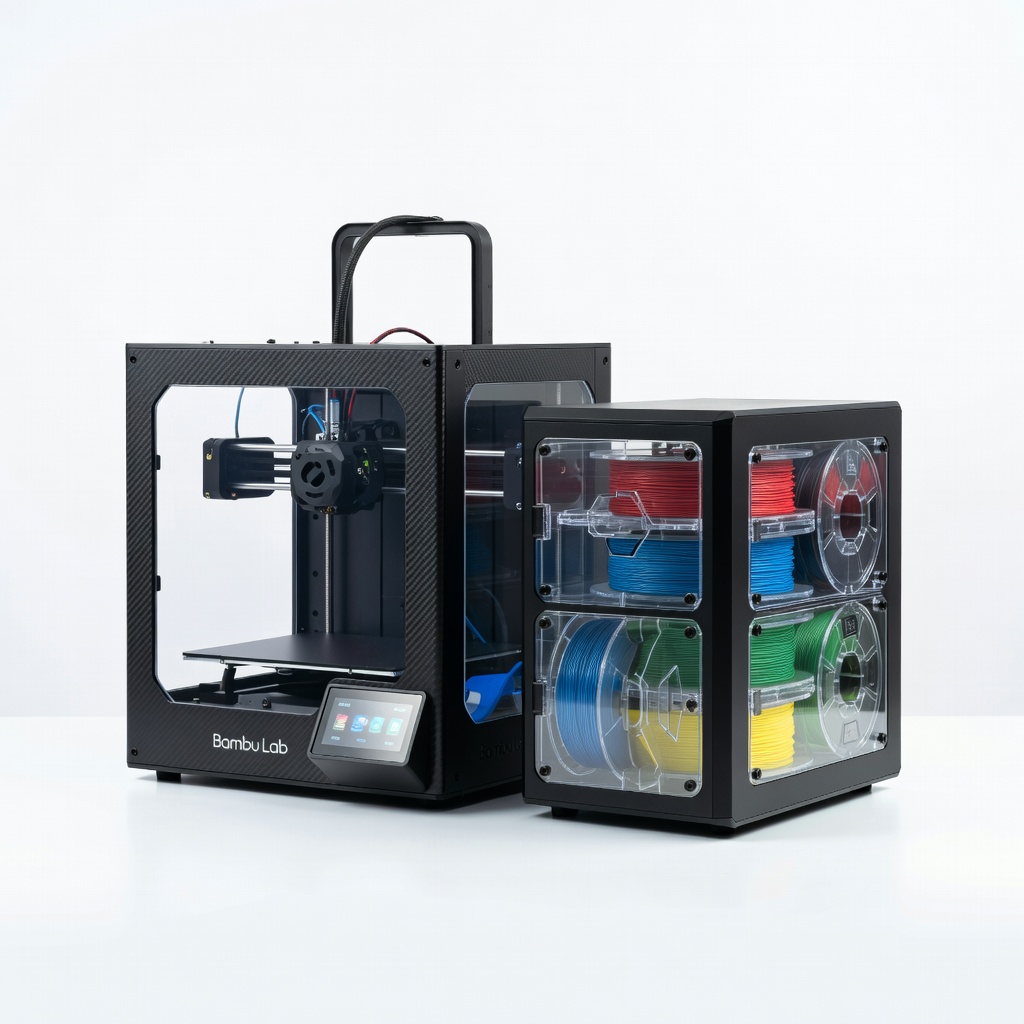
Bambu Lab X1-Carbon AMS Combo
Ultra-fast 500mm/s printing with multi-material switching enables small-batch production farms with minimal labor.
Best for: Scaling FDM for 100-500 custom thermoplastic parts/day in R&D to low-volume manufacturing.
Price Range: $1,200-$1,500
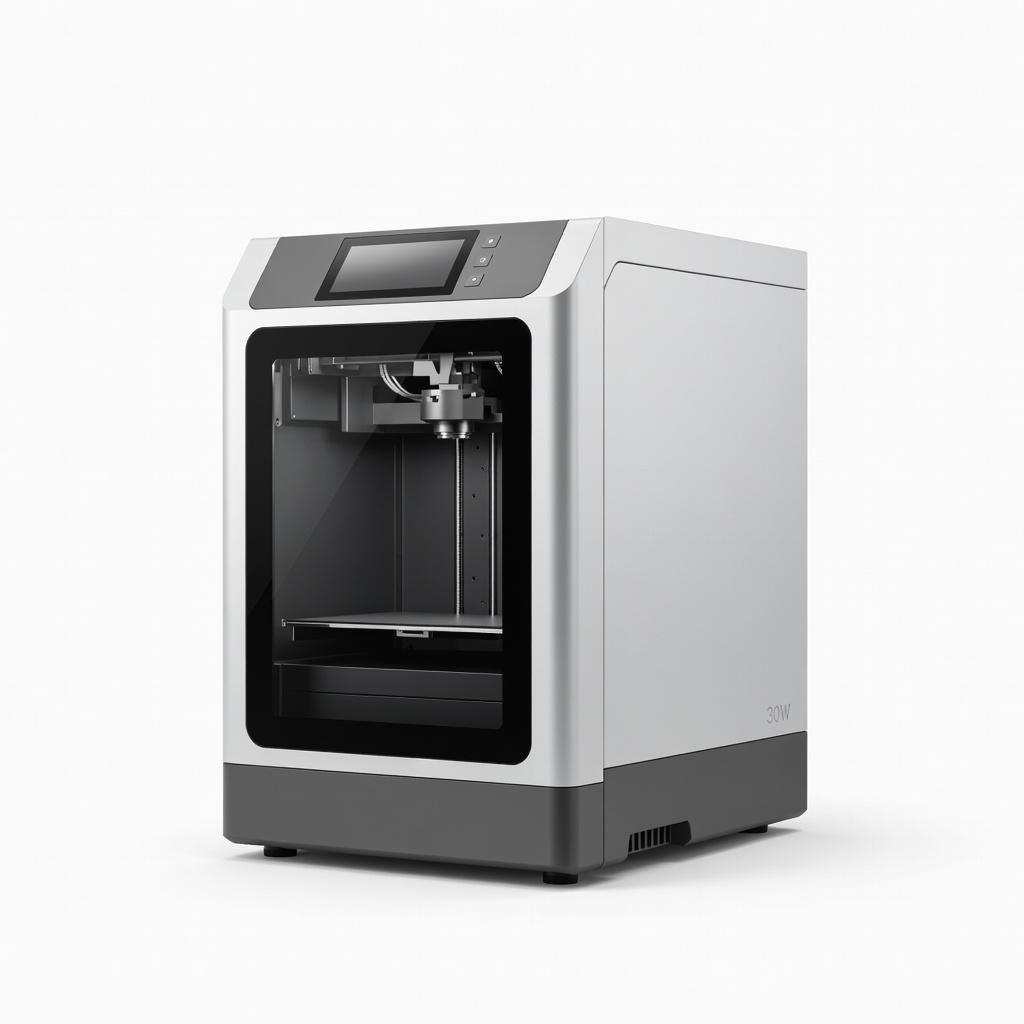
Formlabs Fuse 1+ 30W
SLS system with automated powder handling for true production volumes, 80% powder reuse, and consistent PA12 parts.
Best for: Mid-volume functional prototypes to end-use parts (500+/build) in automotive/consumer goods.
Price Range: $25,000-$30,000
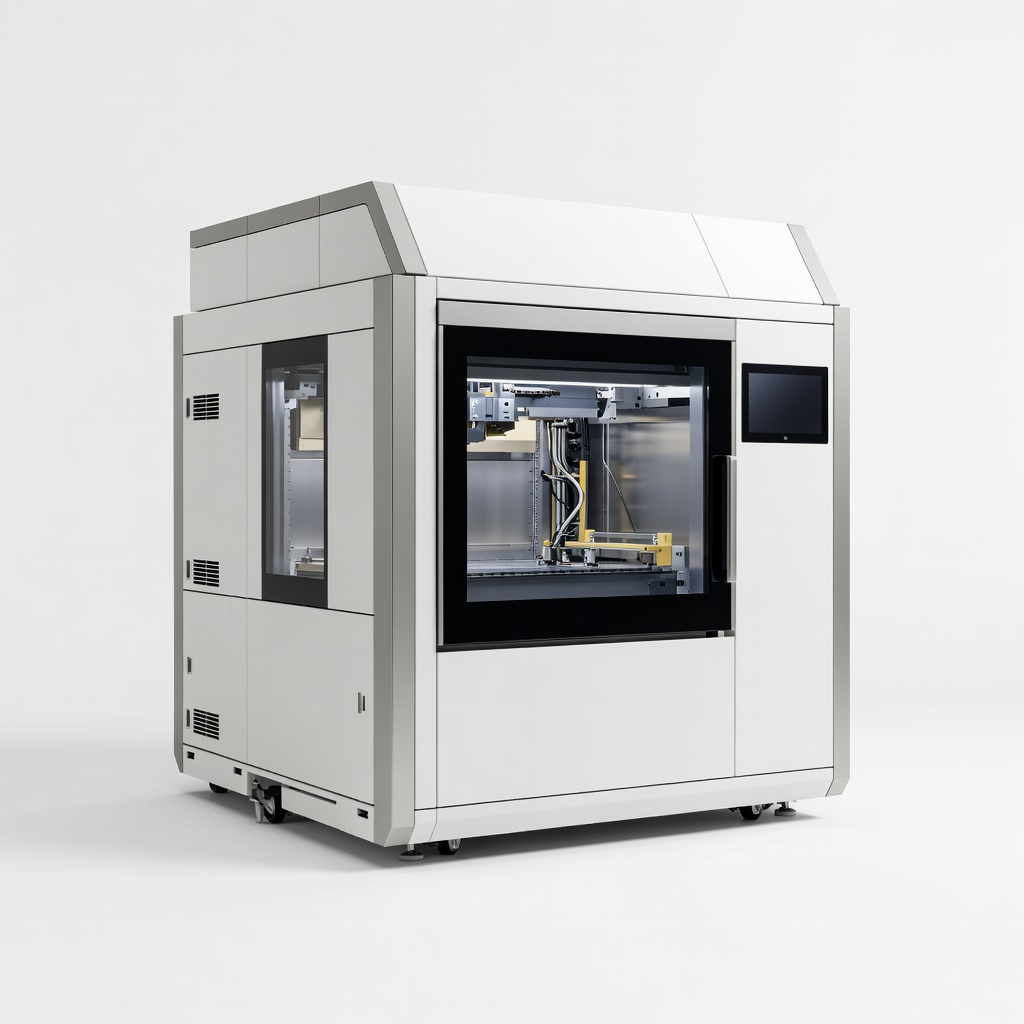
HP Jet Fusion 5200 Series
MJF technology delivers 3,500+ PA12 parts/day with high resolution and speed, industry-leading for mass customization.
Best for: High-volume production (10k+/month) for complex geometries in electronics housings.
Price Range: $200,000-$300,000
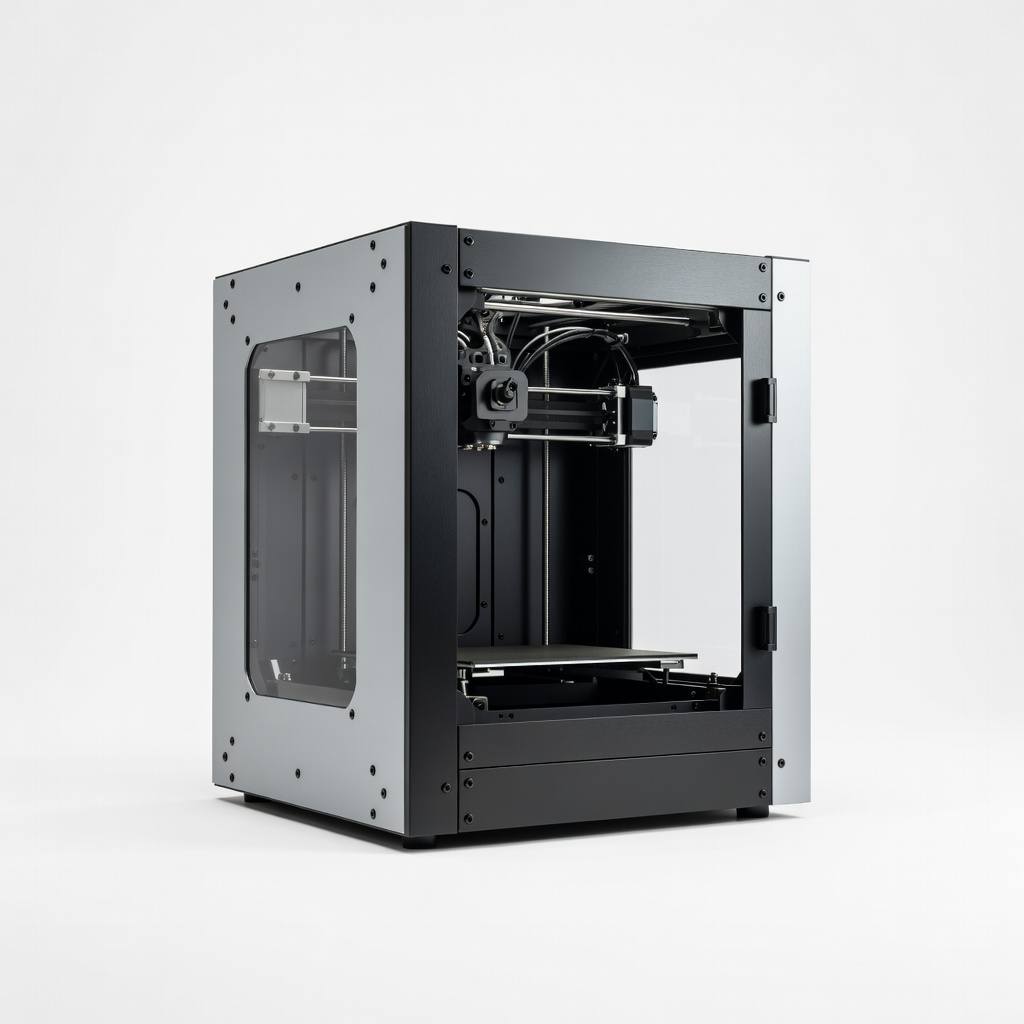
Markforged Onyx Pro
Continuous carbon fiber reinforcement for strong, lightweight production parts at scale via reliable FDM.
Best for: Tooling and jigs (1,000s units) in aerospace where strength-to-weight is critical.
Price Range: $15,000-$20,000
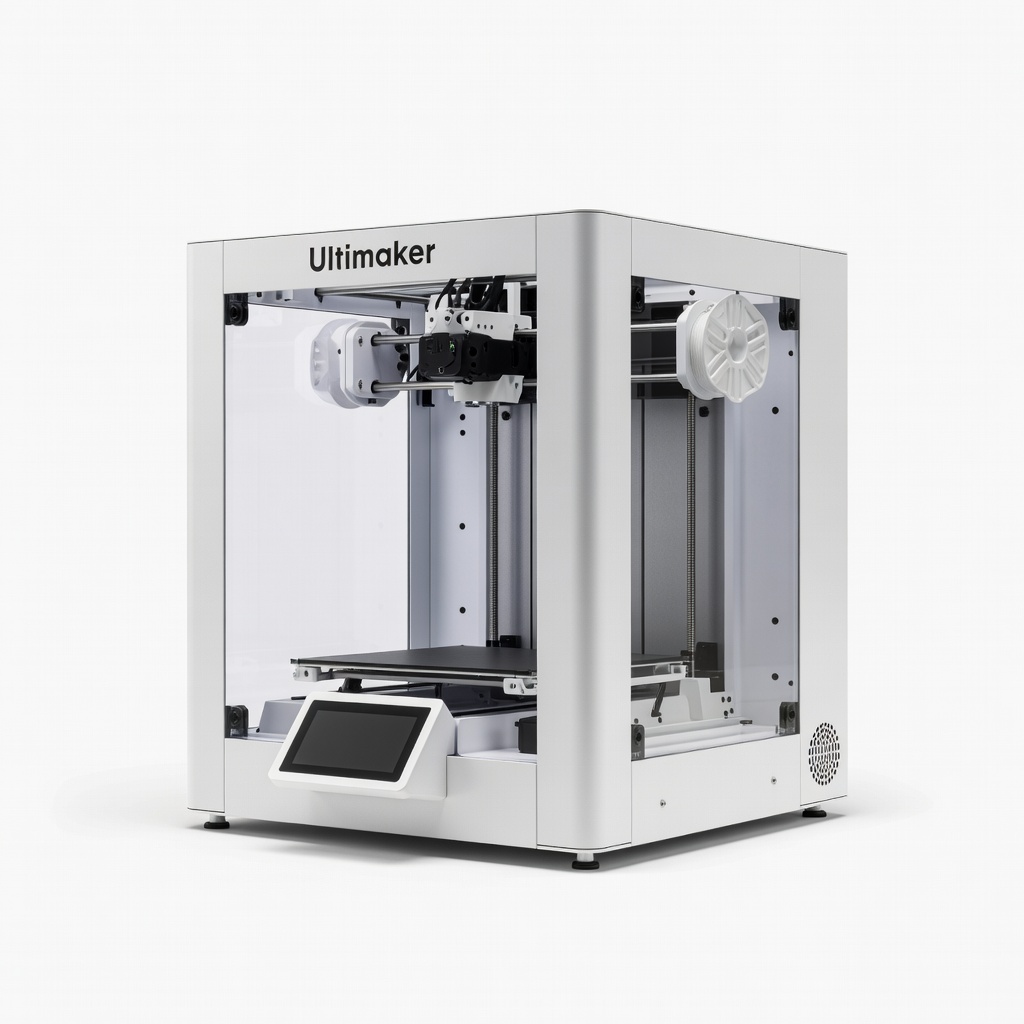
Ultimaker S5
Professional dual-extrusion FDM with large volume and material station for consistent production runs.
Best for: Engineering prototypes to small series in R&D labs scaling to manufacturing.
Price Range: $8,000-$10,000