In advanced engineering and product development, rapid prototyping is crucial for validating designs quickly and cost-effectively. However, selecting the right additive manufacturing (AM) products can be overwhelming amid evolving technologies like FDM, SLA, and SLS. Poor choices lead to inaccurate prototypes, material failures, or excessive post-processing, delaying projects.
This guide breaks down essential AM products for prototyping, tailored for advanced users familiar with CAD and basic AM principles. You'll learn to match products to prototyping needs—such as functional testing or high-detail visuals—covering hardware, materials, and software. Expect a deep dive into specs, comparisons, and real-world applications.
By the end, you'll confidently select products that accelerate your prototyping cycle, typically reducing iteration time from weeks to days with minimal trial-and-error.
▸What You'll Need
- •Prerequisite knowledge: CAD software proficiency (e.g., SolidWorks, Fusion 360)
- •Basic understanding of AM processes (FDM, SLA, SLS)
- •Access to a computer for software evaluation
- •Budget range: $300-$5,000 for entry professional setups
- •Optional: Ventilated workspace for resin handling
Estimated Time: 25-35 minutes to read and evaluate options
Difficulty: advanced
▸Step-by-Step Instructions
Step 1: Assess Your Prototyping Requirements
Begin by defining your prototyping goals. For advanced users, consider factors like part size, resolution needs (e.g., <50μm for fine details), mechanical properties (tensile strength >50MPa), and iteration speed. Functional prototypes for stress testing demand durable materials like nylon, while visual models suit high-resolution SLA.
Create a requirements matrix: list dimensions, tolerances (±0.1mm typical), environment (indoor/outdoor), and volume (low for desk-side vs. high for batch). This prevents over-spec'ing expensive SLS for simple FDM tasks.
Why it matters: Mismatched products waste 20-50% of prototyping time on reprints.
💡 Tips:
- •Use ISO/ASTM 52900 standards for benchmarking needs.
- •Prioritize multi-material capability for hybrid prototypes.
⚠️ Warnings:
- •Avoid ignoring post-processing time; SLA parts need 2-4 hours curing.
Step 2: Evaluate FDM Printers for Cost-Effective Volume Prototypes
FDM (Fused Deposition Modeling) excels for large, functional prototypes using thermoplastics like ABS or PETG. Look for build volumes >200x200x200mm, nozzle precision 0.4mm, and heated chambers to minimize warping.
Advanced features: Auto-leveling beds, multi-extruders for soluble supports. Expect layer heights of 50-200μm; print times 4-20 hours per part.
Key metric: Dimensional accuracy ±0.2mm; ideal for jigs, enclosures.
💡 Tips:
- •Enclosed printers reduce drafts for better ABS layer adhesion.
Step 3: Select SLA/DLP Printers for High-Resolution Details
Stereolithography (SLA) and Digital Light Processing (DLP) use UV-cured resins for 25-50μm resolution, perfect for intricate prototypes like medical models or jewelry.
Advanced specs: XY resolution <45μm, Z-layer 25μm, peel force minimization via flexible tanks. Post-processing includes washing (IPA) and UV curing (5-15min).
Trade-off: Brittle parts unless using tough resins; batch printing boosts throughput.
⚠️ Warnings:
- •Resin toxicity—use PPE and ventilation.
Step 4: Consider SLS Printers for Durable, Support-Free Parts
Selective Laser Sintering (SLS) fuses nylon powders for isotropic strength (no layer lines), ideal for end-use prototypes under load.
Pro features: 80-120μm layer height, chamber temps 170°C, powder recycling 50%. Build volumes 300x300x400mm; parts need powder removal via blasting.
Advanced use: Functional assemblies without supports, tensile strength 40-50MPa.
💡 Tips:
- •Hybrid SLS/FDM workflows for cost scaling.
Step 5: Choose Compatible Materials and Filaments/Resins
Match materials to printer: PLA/ABS for FDM (low/high temp), standard/tough resins for SLA, PA12/PA11 powders for SLS.
Evaluate: Shore hardness, elongation >20% for flexibility, UV resistance. Certifications like biocompatibility for medical prototypes.
Why critical: Wrong material causes 30% failure rate in functional tests.
Step 6: Incorporate Slicing and Workflow Software
Software optimizes prints: Ultimaker Cura (FDM), PreForm (SLA), or Materialise Magics (multi-tech). Features include lattice infills for lightweight strength, support generation, and simulation for warpage prediction.
Advanced: Integrations with CAD for seamless export, cloud slicing for scalability.
Benefit: Reduces print failures by 40%.
💡 Tips:
- •Use variable layer heights for speed/detail balance.
Step 7: Plan Post-Processing Equipment
Post-process for finish: Vapor smoothing for FDM, IPA wash stations for SLA, bead blasters for SLS. Invest in curing ovens (365nm UV) and CMM for accuracy verification.
Expect 1-4 hours/part; advanced setups automate with Form Wash+Cure bundles.
Pro tip: Surface quality Ra <5μm achievable.
⚠️ Warnings:
- •Over-curing resins leads to brittleness.
Step 8: Test and Iterate with Validation Metrics
Validate prototypes: Measure tolerances with calipers/CMM, test mechanicals (UTM), simulate environments. Iterate based on data—aim for <5% deviation.
Scale-up: From desktop to industrial for production intent.
Outcome: Reliable prototypes ready for stakeholder review.
▸Pro Tips
- •Hybrid workflows: Prototype in SLA, validate in SLS for strength.
- •Recycle supports/powders to cut material costs 30-50%.
- •Use AI-driven slicing for optimized toolpaths.
- •Calibrate weekly: Z-offset, flow rate for consistency.
- •Batch small parts to maximize build volume efficiency.
- •Integrate with PLM software for traceability.
- •Opt for open-source mods on printers for custom needs.
▸Common Mistakes to Avoid
- •Overlooking material compatibility, causing nozzle clogs or delamination—verify TDS specs first.
- •Ignoring thermal expansion mismatch, leading to warping—use heated chambers.
- •Skipping support optimization, wasting 20% material—use soluble where possible.
- •Neglecting ventilation for resins, risking health issues—install HEPA filters.
- •Relying on default slicer settings, inflating print times 2x—tune aggressively.
▸Troubleshooting
Problem: Warping or layer delamination in FDM
Solution: Increase bed/enclosure temp to 60/40°C, use brim/raft, dry filament.
Problem: SLA parts sticky or uncured
Solution: Extend UV cure 10min, refresh IPA wash, check light source intensity.
Problem: SLS powder caking
Solution: Maintain 170°C preheat, use anti-static additives, sieve post-print.
Problem: Poor tolerances (>0.2mm error)
Solution: Calibrate XY steps/mm, use high-res nozzles/resins, environmental controls.
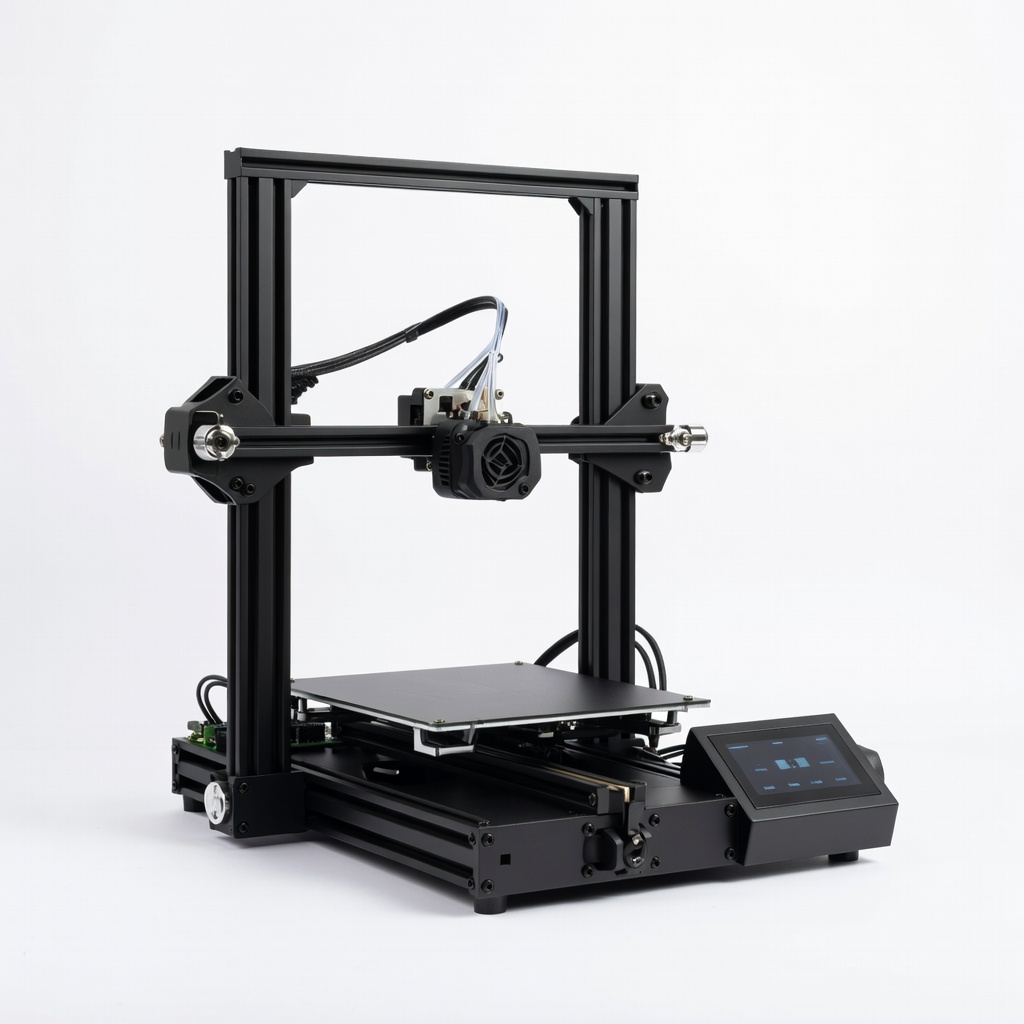
Creality Ender-3 V2 3D Printer
Reliable FDM for large prototypes with auto-leveling and quiet operation, ideal for advanced iterative testing.
Best for: Volume production of functional enclosures and jigs up to 220x220x250mm.
Price Range: $259
Anycubic Photon Mono X 3D Printer
High-res SLA (4K LCD) for detailed prototypes with fast 60mm/h speed and minimal peel forces.
Best for: Precision models like microfluidics or consumer product visuals.
Price Range: $500-$600
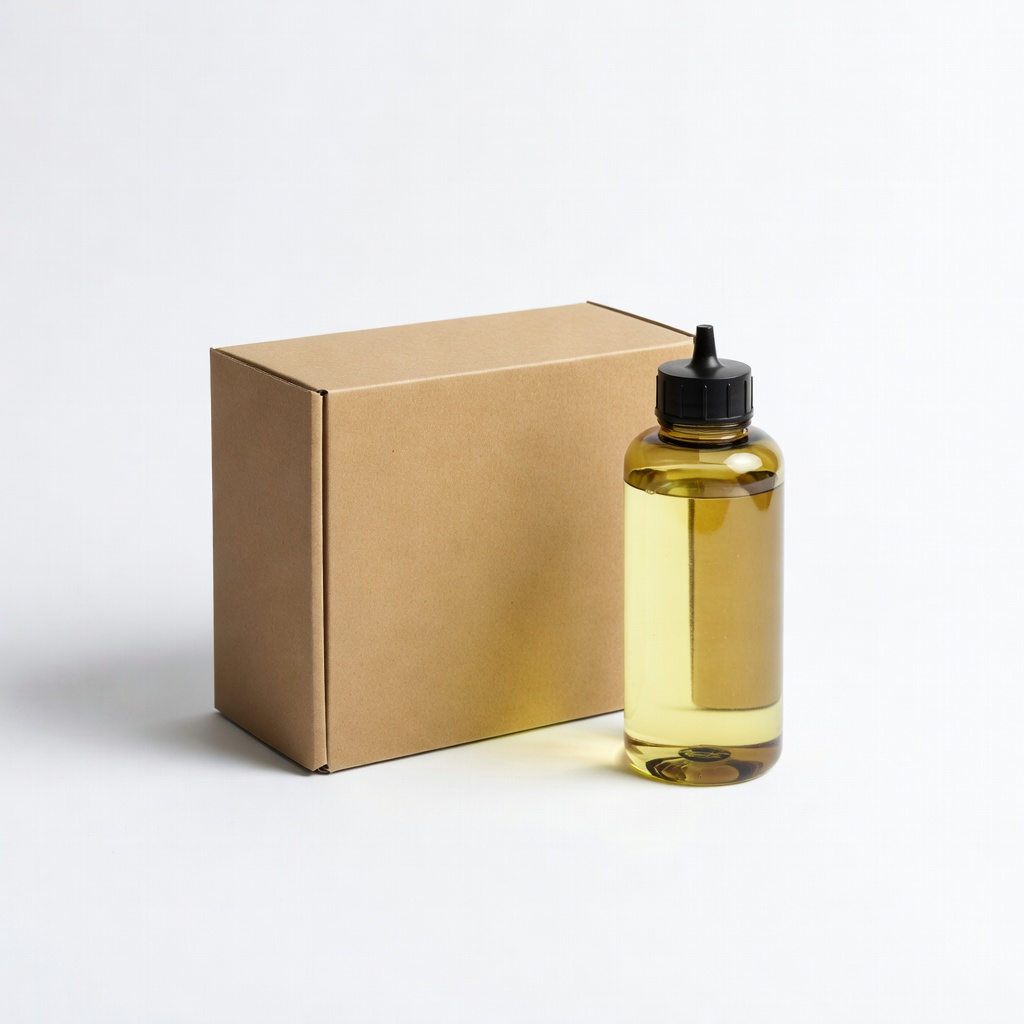
Elegoo Standard Resin Kit
Versatile, low-odor resin with accurate 8K-compatible curing for SLA printers.
Best for: General prototyping needing 384x384x400mm builds with good tensile strength.
Price Range: $25-$35 per liter
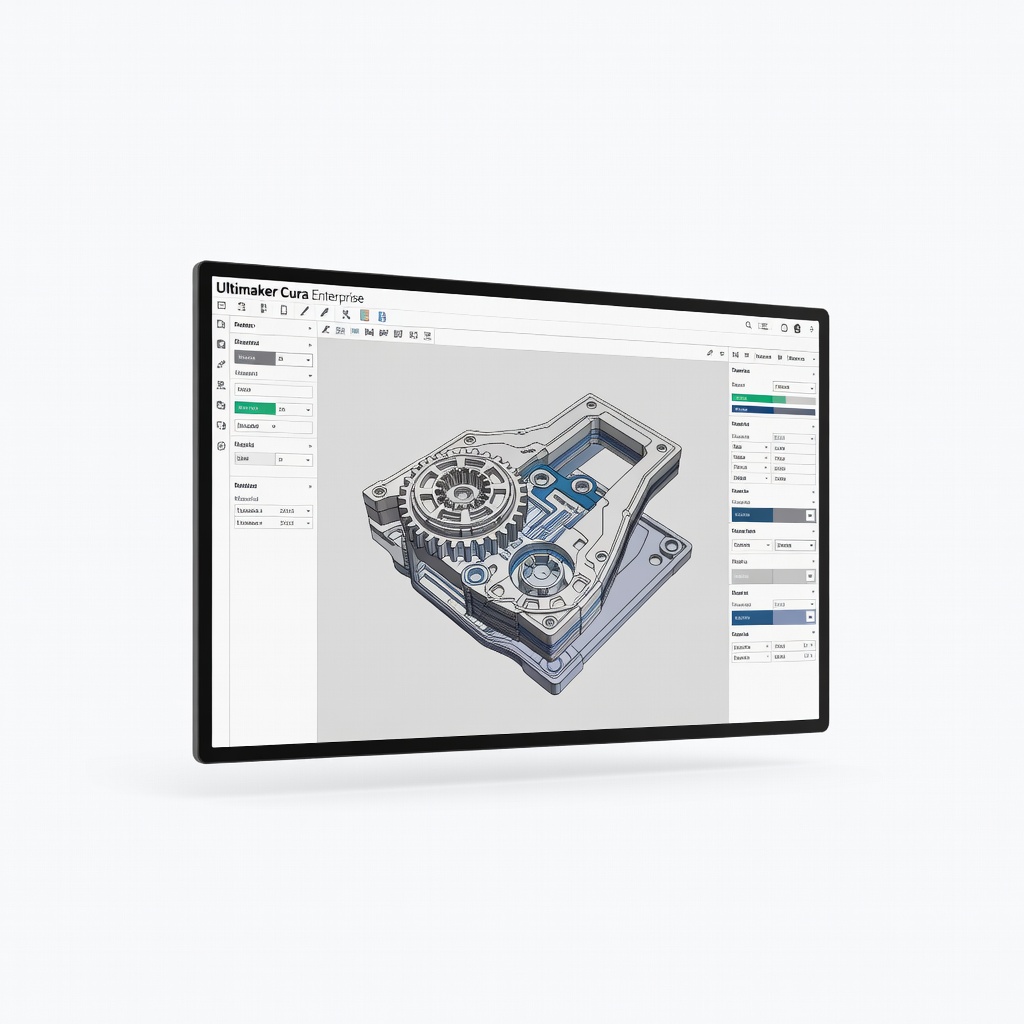
Ultimaker Cura Enterprise
Advanced slicing software with simulation and multi-extruder support for optimized FDM/SLA workflows.
Best for: Professional print preparation with failure prediction.
Price Range: Free (Enterprise $)
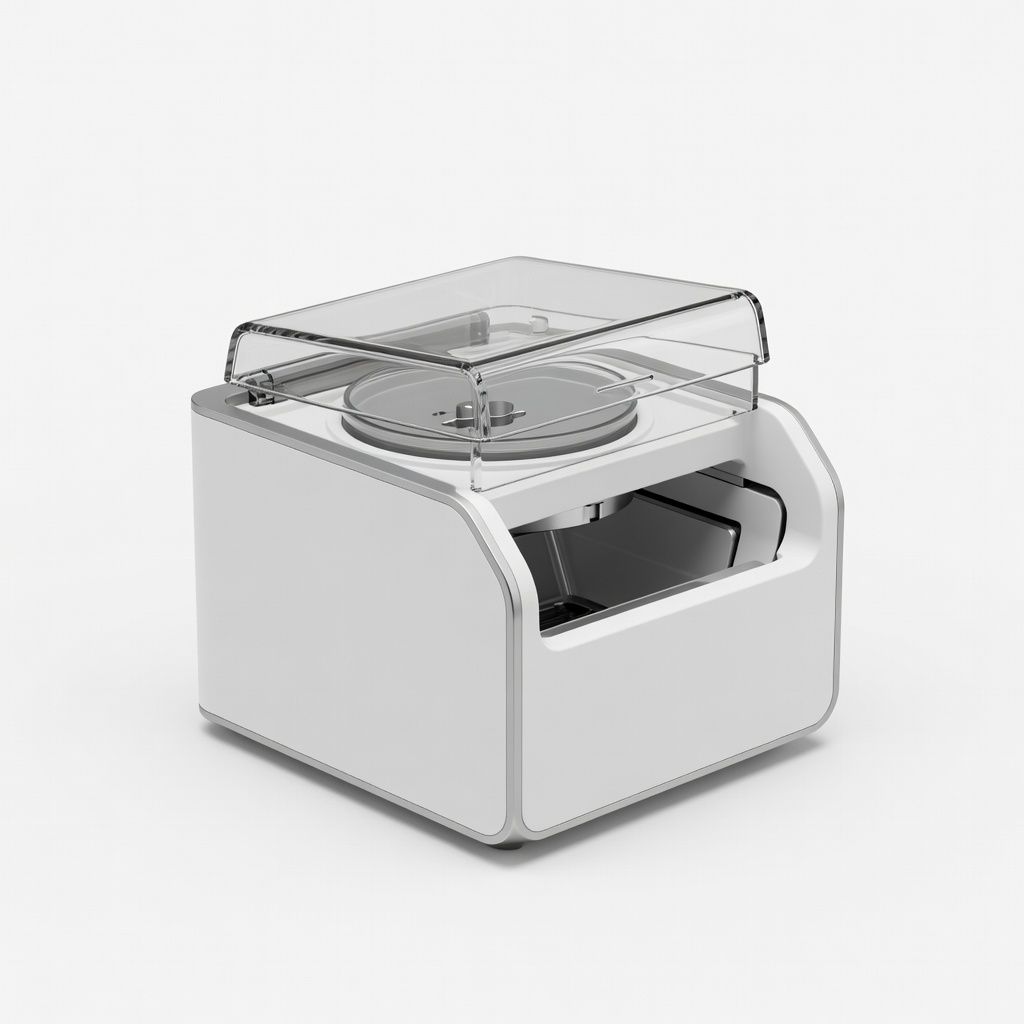
Formlabs Form Wash + Cure
Automated post-processing station for consistent SLA finishing, reducing manual labor.
Best for: High-volume resin workflows needing Ra <2μm surfaces.
Price Range: $1,200-$1,500