
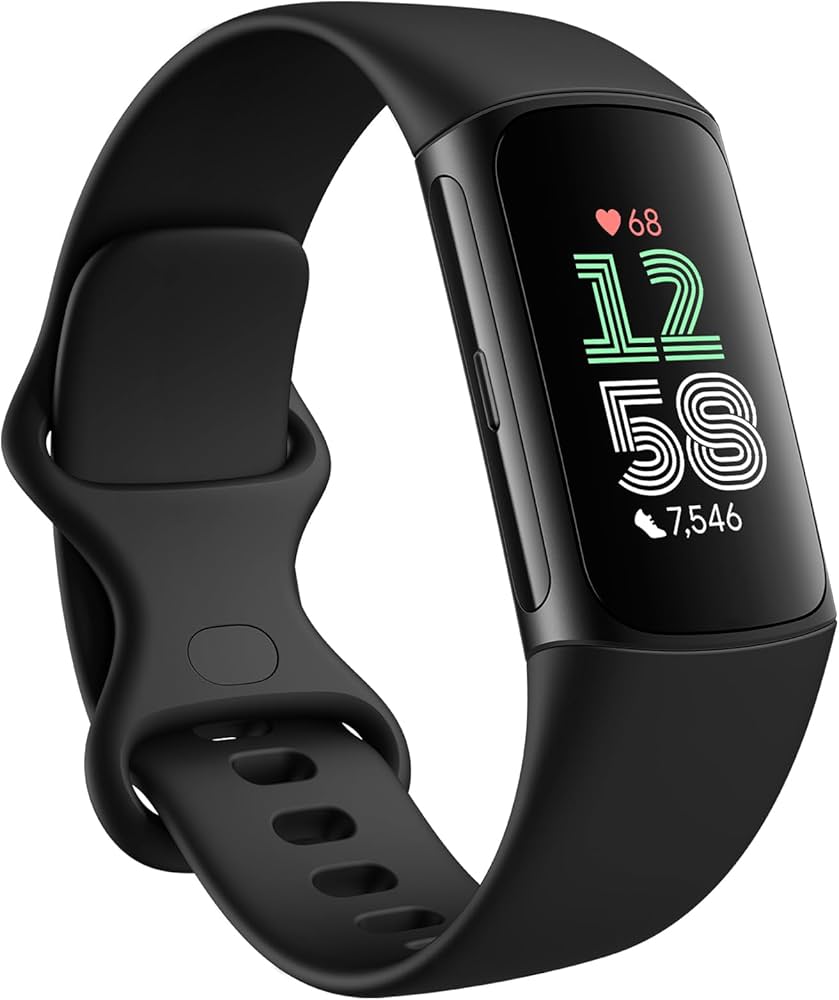
Fitbit Charge 6
Daily fitness tracking with health insights for beginners to intermediates.
$140-$160
Fitbit Charge 6 Affordable, reliable SpO2 for sleep and spot checks with 7-day battery.
Get the App
Better experience on mobile
Learn which fitness trackers monitor SpO2, how the tech works, accuracy tips, and top recommendations for reliable health insights.
In today's health-conscious world, tracking blood oxygen levels (SpO2) can reveal hidden issues like sleep apnea or altitude effects, helping you optimize workouts and recovery. Many activity trackers now include this feature, but not all do—and accuracy varies. This guide breaks it down for intermediate users familiar with wearables.
You'll discover what SpO2 is, how trackers measure it, which models excel, and pro tips for trustworthy data. No medical expertise needed; expect clear explanations with real-world examples. Reading takes 10-15 minutes, and you'll be equipped to choose or use your tracker effectively.
From basic concepts to interpreting results, we'll cover everything step-by-step, including limitations to avoid false alarms.
Estimated Time: 10-15 minutes Difficulty: intermediate
Blood oxygen saturation, or SpO2, measures the percentage of oxygen-carrying hemoglobin in your blood compared to total hemoglobin. Healthy levels are typically 95-100% at sea level; drops below 90% may signal issues like poor sleep or lung problems.
Think of it like a fuel gauge for your body's oxygen supply—vital for energy during exercise or rest. Activity trackers use this to spot trends, not diagnose diseases.
Example: During sleep, dips might indicate apnea; at high altitude, expect temporary lows.
💡 Tips:
SpO2 monitoring helps athletes adjust training (e.g., avoid overexertion at altitude), track recovery, and flag sleep quality issues. It's passive—no needles like medical oximeters.
For intermediates, it pairs with heart rate variability (HRV) for deeper insights. Analogy: Like a car's dashboard warning light for low oxygen 'fuel.'
Not all trackers have it; older models like basic step counters skip it.
⚠️ Warnings:
Most use photoplethysmography (PPG), shining LED lights (red/infrared) through your skin to detect blood flow changes. Oxygenated blood absorbs light differently, calculating SpO2 via algorithms.
Why it matters: Wrist-based, convenient, but motion/tattoos can interfere. Expect spot-checks or overnight averages, not continuous like pulse oximeters.
Example: Green LEDs for heart rate often double for SpO2 in premium models.
💡 Tips:
Key models include Fitbit Charge 6 (spot + sleep), Garmin Venu 3 (all-day tracking), Apple Watch Series 9 (on-demand), Samsung Galaxy Watch6 (sleep focus), and Oura Ring Gen3 (nightly averages).
Budget options like Amazfit Bip 5 start at $80; premiums hit $400+. Check compatibility with your phone OS.
What to expect: Apps show trends over time, not just snapshots.
Download the app (e.g., Fitbit/Google Fit), pair your tracker, and toggle SpO2 in settings (often under 'Health' or 'Sleep'). Initiate via wrist raise or app.
Wear snugly 1-2 finger-widths above wrist bone. Reading takes 10-60 seconds; repeat 3x for average.
Why: Ensures baseline data for trends.
💡 Tips:
⚠️ Warnings:
95-100%: Normal. 91-94%: Monitor. <90%: Investigate (exercise, altitude?). Overnight averages matter most for sleep.
Analogy: Consistent 98% is green light; dips like a check-engine warning.
Track with symptoms (fatigue, headaches) for context.
Trackers are 84-98% accurate vs. medical devices, per studies. Factors: skin tone, fit, motion.
Validate with a fingertip oximeter if concerned. Use for trends, not absolutes.
Pro tip: Premium models like Garmin excel in motion-heavy scenarios.
💡 Tips:
Problem: Inconsistent or no readings
Solution: Clean sensor with alcohol wipe, ensure tight fit, restart device. Update app/firmware.
Problem: Readings always low (e.g., 85%)
Solution: Check for tattoos/dark skin interference; compare to fingertip oximeter. Enable calibration if available.
Problem: Feature missing after update
Solution: Verify model compatibility; reinstall app. Contact support for hardware check.
Affordable, reliable SpO2 for sleep and spot checks with 7-day battery.
Best for: Daily fitness tracking with health insights for beginners to intermediates.
Price Range: $140-$160
Advanced all-day SpO2, HRV, and altitude-adjusted accuracy for athletes.
Best for: Outdoor activities, hiking, or serious training monitoring.
Price Range: $400-$450
Precise PPG sensor with on-demand SpO2, ECG combo for iPhone users.
Best for: Seamless iOS integration for wellness trends and alerts.
Price Range: $350-$400
Sleep-focused SpO2 with bio-active sensor for Android users.
Best for: Nightly monitoring and workout recovery.
Price Range: $200-$280
Discreet finger-based SpO2 for 24/7 comfort without wrist bulk.
Best for: Sleep obsessives wanting ring form factor.
Price Range: $299-$549 (with membership)
Daily fitness tracking with health insights for beginners to intermediates.
Fitbit Charge 6 Affordable, reliable SpO2 for sleep and spot checks with 7-day battery.
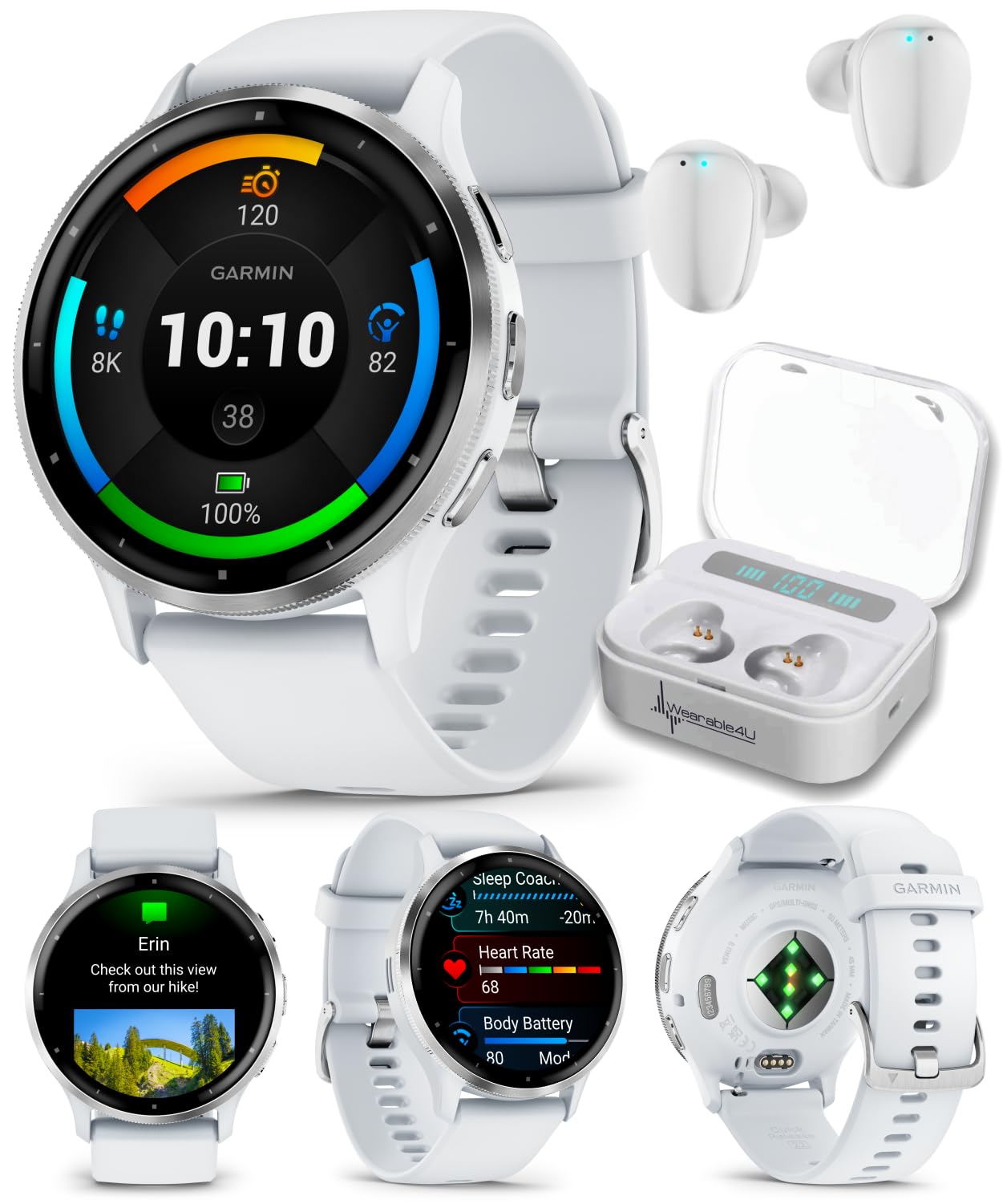
Outdoor activities, hiking, or serious training monitoring.
Garmin Venu 3 Advanced all-day SpO2, HRV, and altitude-adjusted accuracy for athletes.
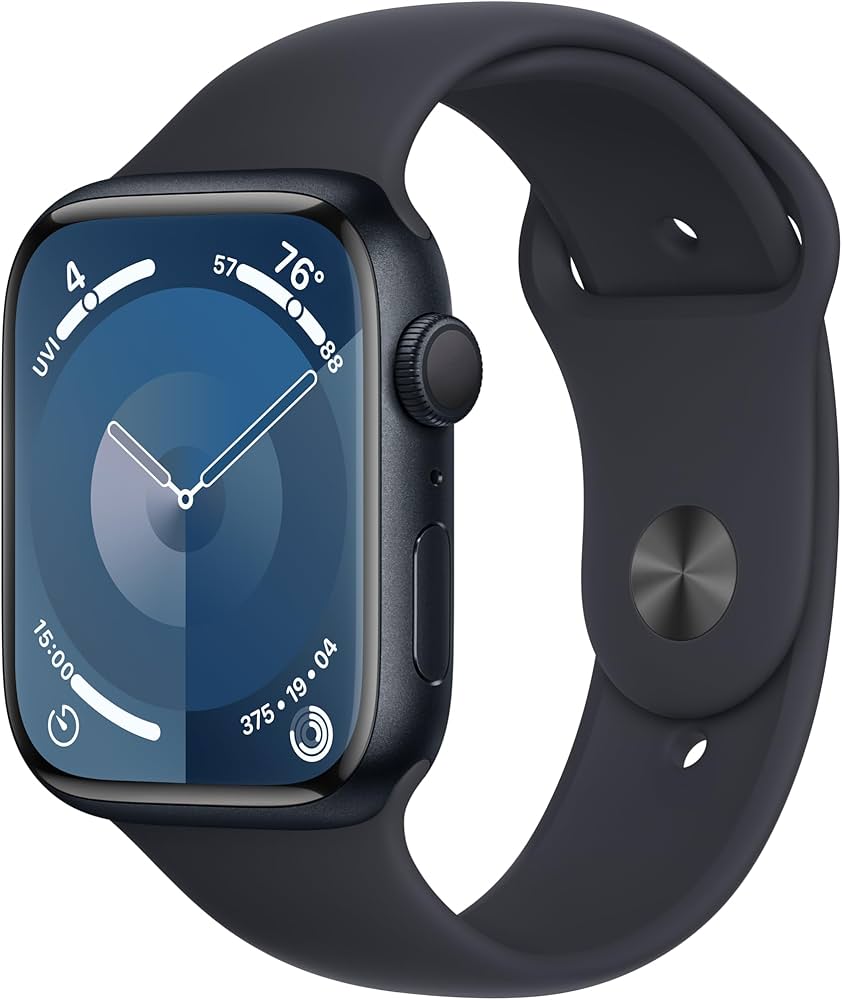
Seamless iOS integration for wellness trends and alerts.
Apple Watch Series 9 Precise PPG sensor with on-demand SpO2, ECG combo for iPhone users.
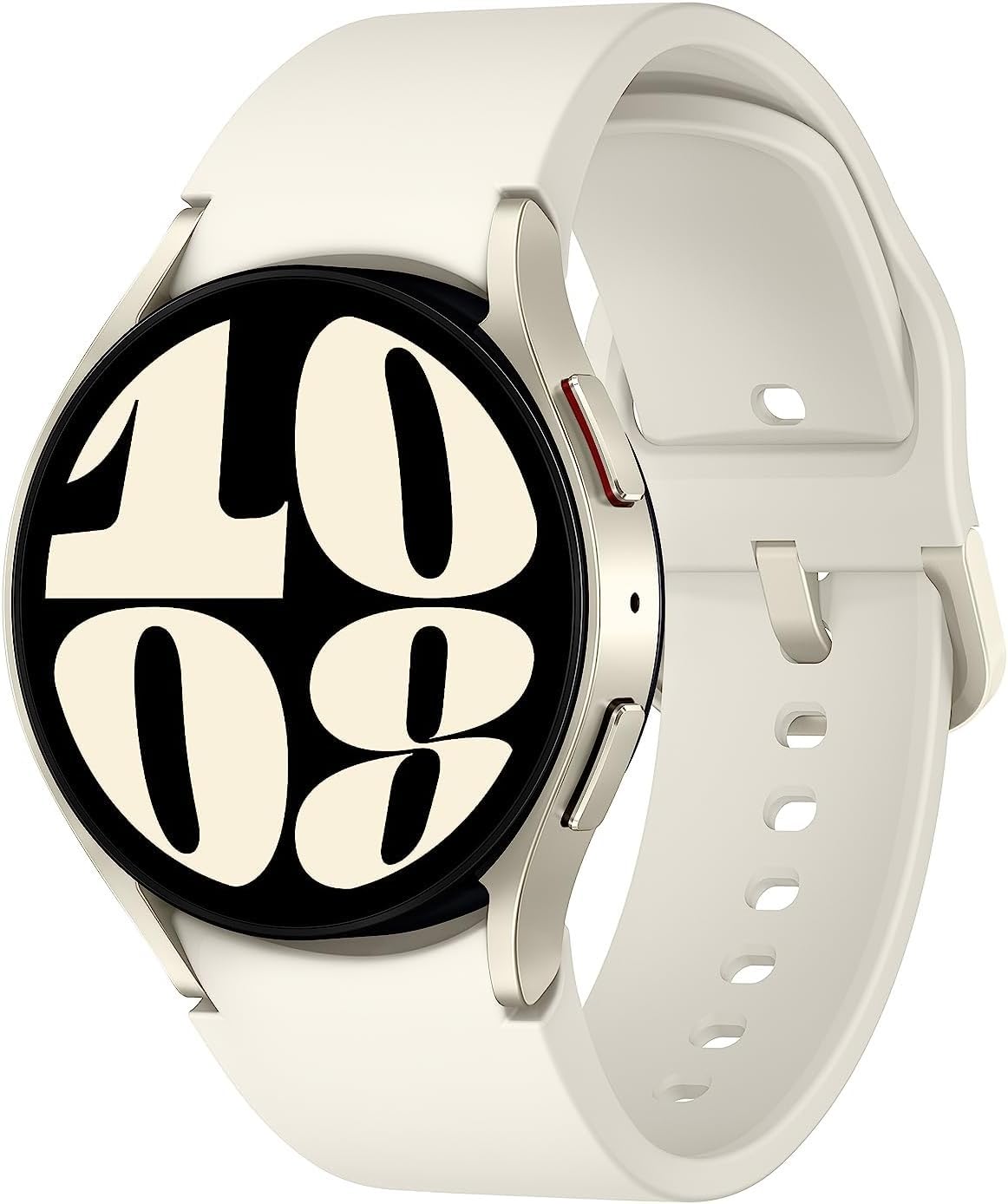
Nightly monitoring and workout recovery.
Samsung Galaxy Watch6 Sleep-focused SpO2 with bio-active sensor for Android users.
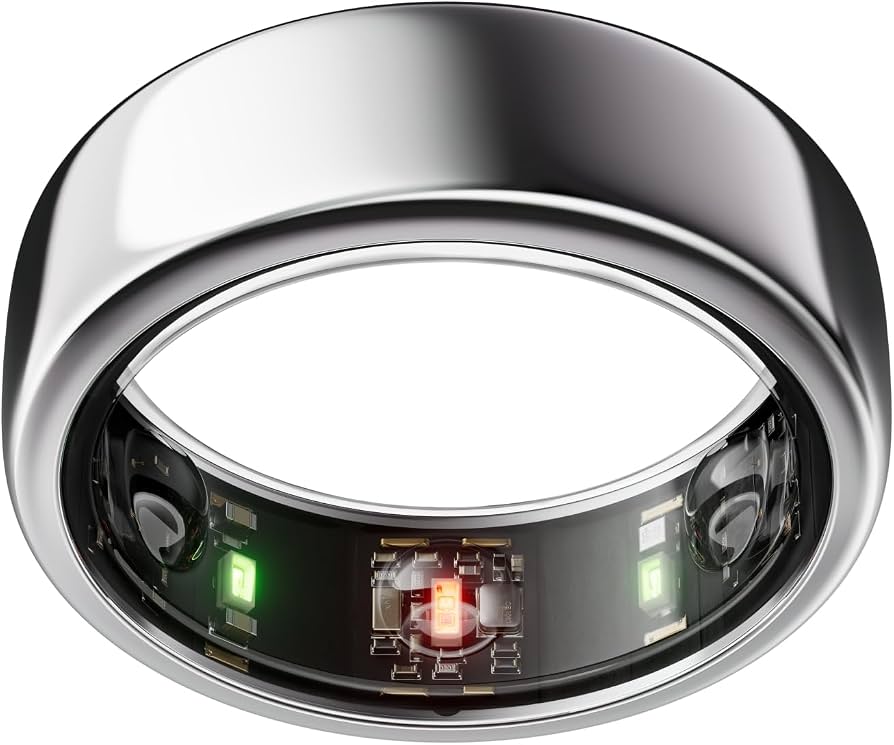
Sleep obsessives wanting ring form factor.
Oura Ring Gen3 Discreet finger-based SpO2 for 24/7 comfort without wrist bulk.