
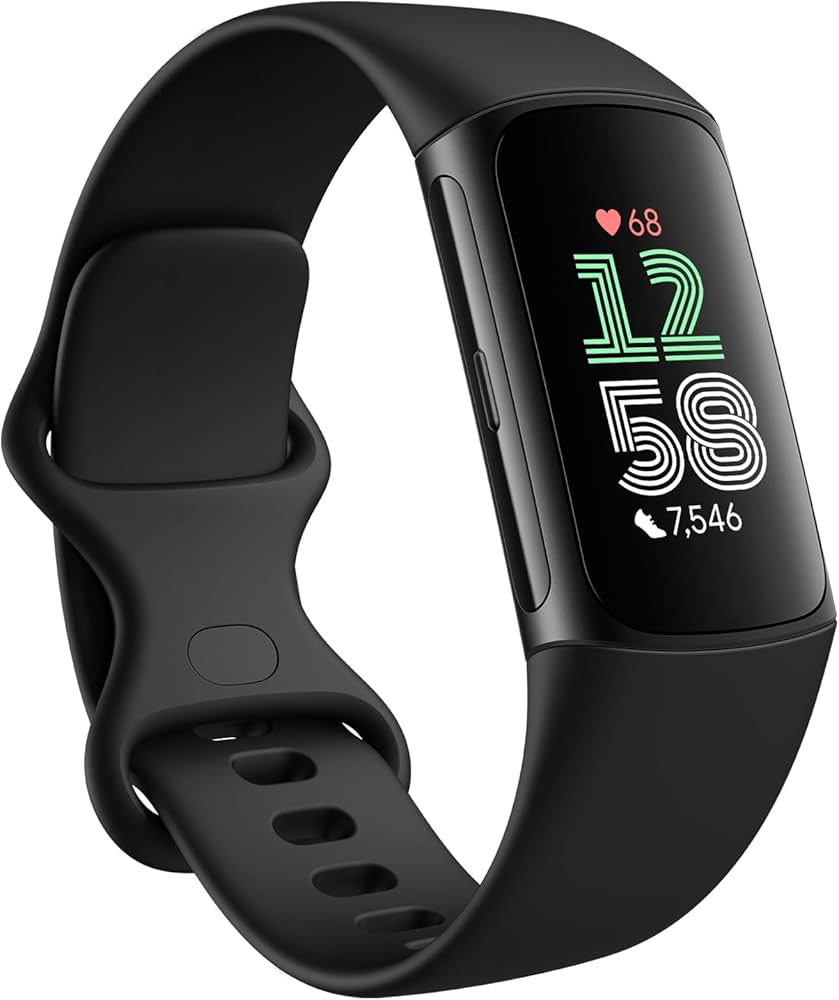
Fitbit Charge 6
Daily wear for beginners wanting quick stress checks.
$159.95
Fitbit Charge 6 Excellent EDA stress scans plus all-day tracking with 7-day battery.
Get the App
Better experience on mobile
Learn how top wearables detect stress levels using HRV and EDA, plus the best devices to start monitoring yours today.
In today's fast-paced world, stress sneaks up on us, contributing to health issues like high blood pressure and poor sleep. But what if your wristband or ring could alert you before it escalates? Activity monitors with stress tracking turn vague feelings into actionable data, helping beginners manage wellness effortlessly.
This guide breaks down what stress tracking is, how it works, which devices do it best, and tips to get accurate insights. You'll understand key metrics like HRV and see real product examples—no tech expertise needed. Expect a quick, beginner-friendly read in under 15 minutes.
By the end, you'll know exactly which monitors track stress and how to use them for better health.
Estimated Time: 10-15 minutes Difficulty: beginner
Stress tracking in activity monitors measures your body's physiological responses to stress, like elevated heart rates or skin changes, rather than just asking how you 'feel.' It's not a medical diagnosis but a wellness tool to spot patterns.
Think of it like a car's dashboard warning light: it flags when your body is revving too high from work deadlines or poor sleep. Devices use sensors to quantify stress on a scale (e.g., 0-100) or categorize it as low/medium/high.
This matters because early detection lets you act—take a walk or meditate—preventing burnout.
💡 Tips:
Most use Heart Rate Variability (HRV): the variation in time between heartbeats. High HRV means relaxed (good); low HRV signals stress. It's measured via optical sensors shining light into your skin.
Others add Electrodermal Activity (EDA): tiny skin sweat responses detected by electrodes. Garmin and Fitbit combine these with sleep, activity, and respiration data for a 'stress score.' No blood tests needed—just wear it.
Analogy: HRV is like checking if your heartbeat is a steady drum (calm) or erratic jazz (stressed).
⚠️ Warnings:
Core metric: HRV (nightly average best). Body Battery (Garmin): energy levels impacted by stress. Stress Management Score (Fitbit): daily overview.
Respiratory Rate and Skin Temperature add context—faster breathing or warmer skin hints at stress. Apps visualize trends with charts.
Why it matters: Metrics turn raw data into advice, like 'Take a recovery day.'
💡 Tips:
Fitbit: EDA scans for acute stress. Garmin: All-day HRV-based scores. Oura: Ring form factor for 24/7 HRV. Whoop: Strain vs. recovery focus. Apple Watch: Mindfulness reminders tied to HRV.
These brands lead because they validate algorithms with clinical studies. Beginners love their intuitive apps.
Fitbit Charge 6 gives EDA stress scans—spot tension mid-day. Garmin Vivosmart 5 offers continuous scores. Oura Ring excels at sleep-stress links.
Expect daily summaries in apps, with trends over weeks. Pair with journaling for context.
💡 Tips:
Low stress (green zone): Keep routines. High (red): Breathing exercises or walks. Apps suggest guided sessions.
Track correlations: High stress after coffee? Adjust habits. Over time, see wellness improvements like better sleep.
⚠️ Warnings:
Accuracy varies by fit, skin tone, and motion. Not medical-grade. Factors like illness skew data.
Best as part of holistic tracking—combine with mood logs.
💡 Tips:
Problem: Inaccurate or no stress readings
Solution: Ensure tight fit, clean sensors, restart app. Test during rest.
Problem: High stress all day
Solution: Calibrate baseline over 3-5 days; check for illness or dehydration.
Problem: App crashes or sync fails
Solution: Update app/OS, clear cache, or reinstall.
Problem: Readings differ from how you feel
Solution: Physiological stress lags mood—track both. Consult doctor if persistent.
Excellent EDA stress scans plus all-day tracking with 7-day battery.
Best for: Daily wear for beginners wanting quick stress checks.
Price Range: $159.95
Continuous HRV-based stress score with Body Battery for energy insights.
Best for: Active users needing all-day monitoring.
Price Range: $149.99
Discreet 24/7 HRV tracking with superior sleep-stress analysis.
Best for: Sleep-focused users preferring no wrist bulk.
Price Range: $299-$549
Strain/recovery scores highlight stress impacts on performance.
Best for: Athletes optimizing recovery.
Price Range: $30/month subscription
Accurate HRV without subscription, lightweight alternative.
Best for: Budget ring seekers avoiding fees.
Price Range: $349
Daily wear for beginners wanting quick stress checks.
Fitbit Charge 6 Excellent EDA stress scans plus all-day tracking with 7-day battery.
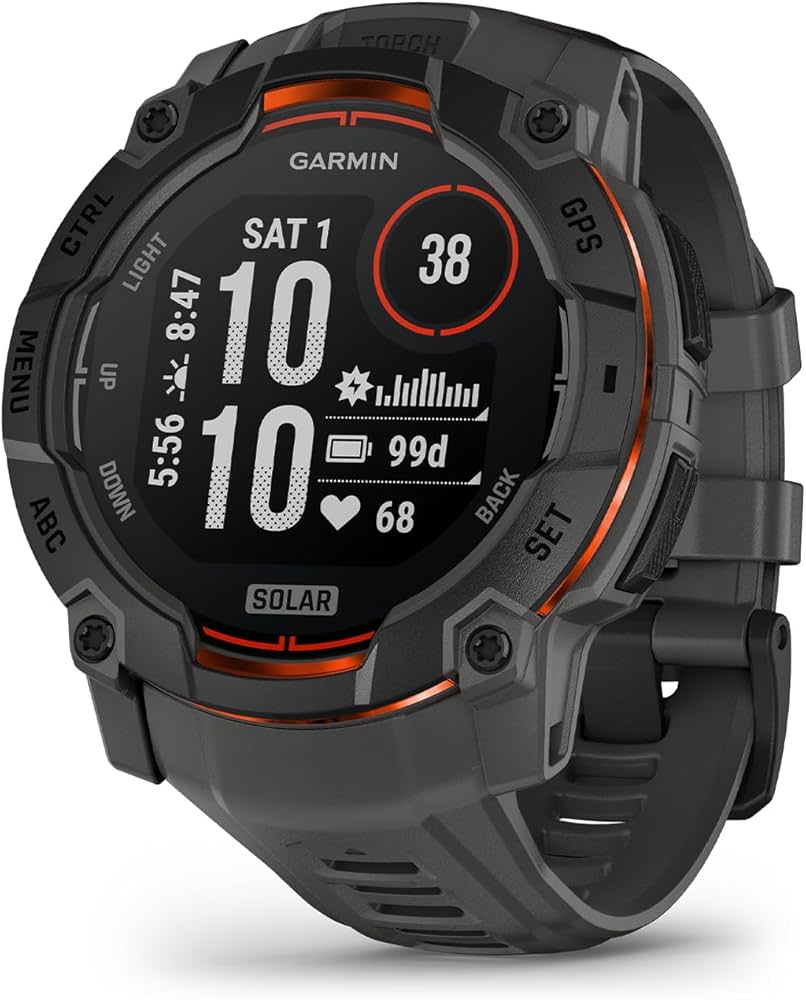
Active users needing all-day monitoring.
Garmin Vivosmart 5 Continuous HRV-based stress score with Body Battery for energy insights.
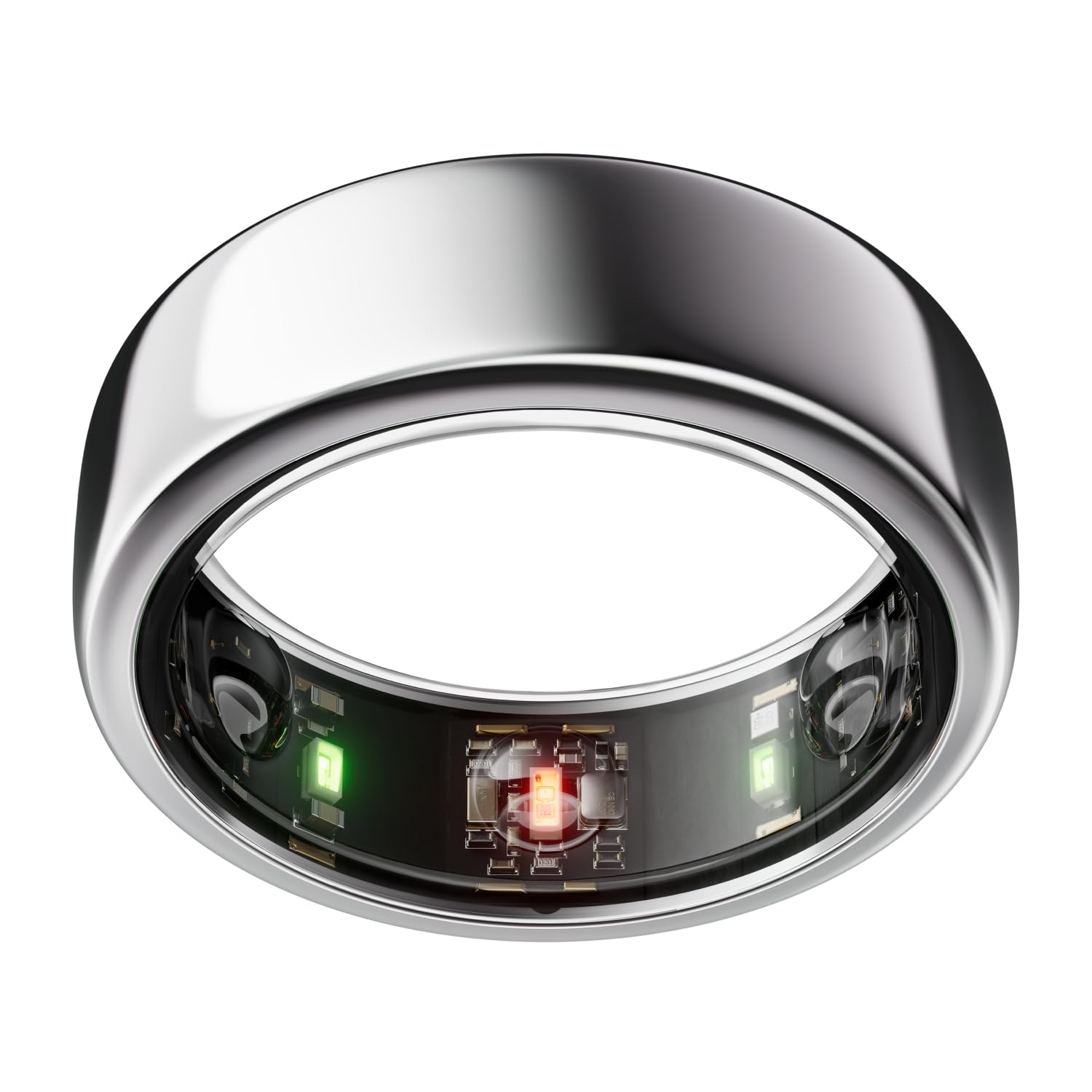
Sleep-focused users preferring no wrist bulk.
Oura Ring Gen3 Discreet 24/7 HRV tracking with superior sleep-stress analysis.
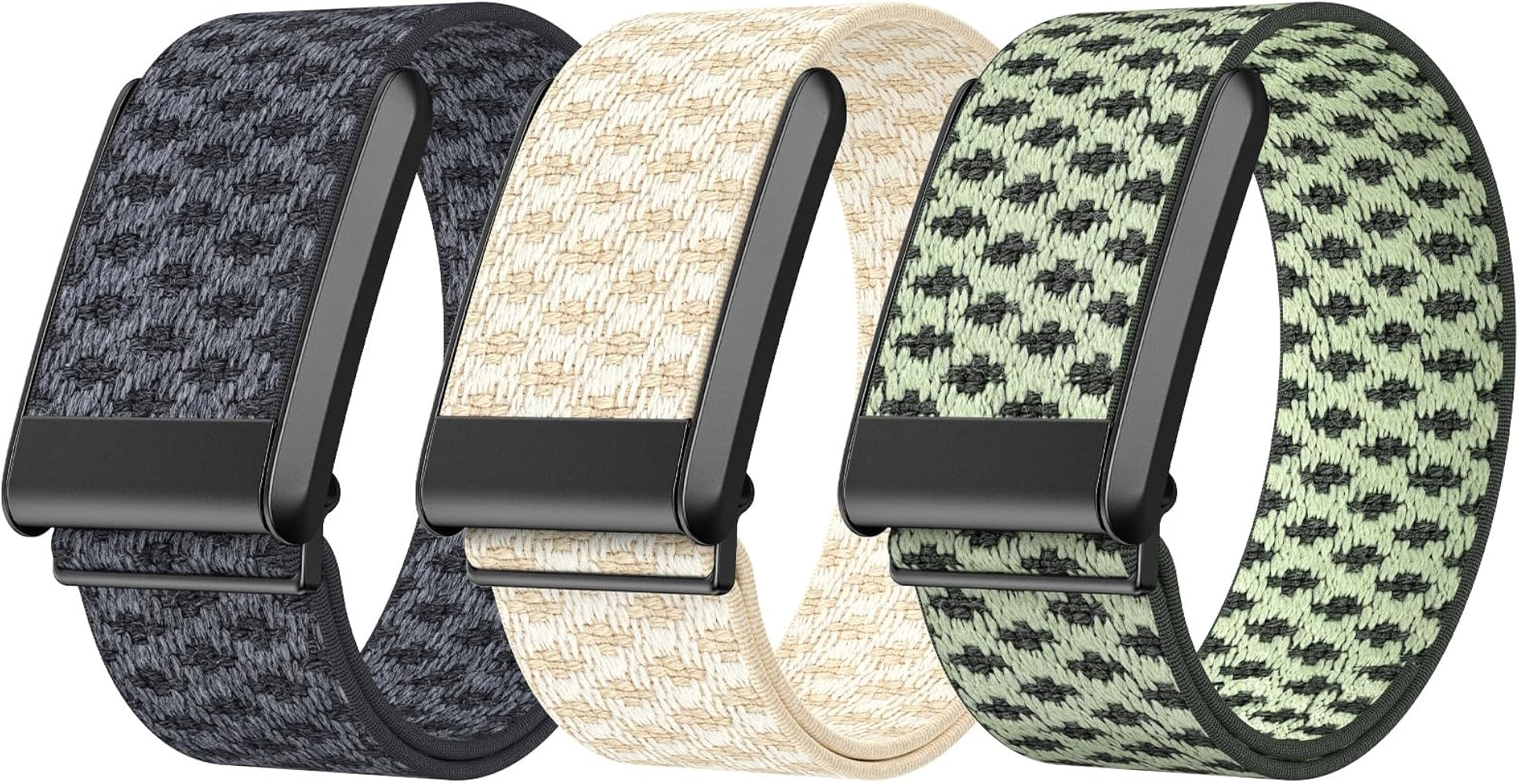
Athletes optimizing recovery.
Whoop 4.0 Band Strain/recovery scores highlight stress impacts on performance.
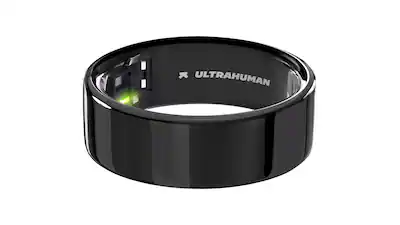
Budget ring seekers avoiding fees.
Ultrahuman Ring Air Accurate HRV without subscription, lightweight alternative.