
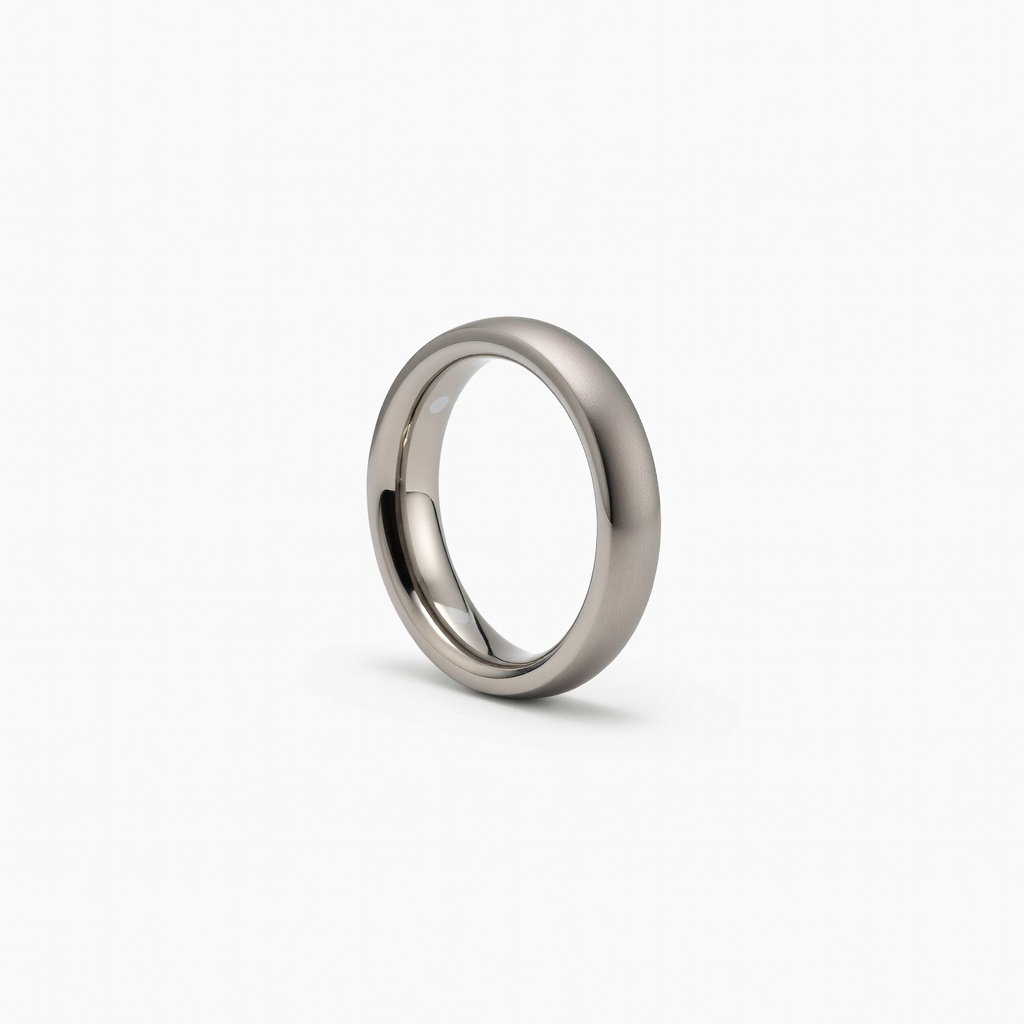
Oura Ring Generation 3
All-night comfort for precise stages/HRV.
$299-$549 (size-dependent)
Oura Ring Generation 3 Highest accuracy (86% stage match per studies) with ring form minimizing motion error (ASIN: B0CP2V3DWR).
Get the App
Better experience on mobile
Learn how sleep tracking works, key accuracy factors, and top validated devices to optimize your rest in 2025.
Struggling to get quality sleep? Poor sleep impacts energy, mood, and health, but activity monitors promise insights via tracking stages, duration, and quality. Many devices claim accuracy, but not all deliver—validated ones use advanced sensors to rival clinical tools.
In this guide, you'll understand sleep science basics, how wearables measure it, accuracy benchmarks from studies, and comparisons of leading models. By the end, you'll know which trackers excel and how to choose or validate yours. Expect a straightforward explainer for intermediate users—no tech overload, just actionable knowledge in 12-15 minutes.
We'll break it down logically, from concepts to recommendations, empowering you to track sleep like a pro.
Estimated Time: 12-15 minutes Difficulty: intermediate
Sleep isn't uniform—it's cycles of light (stages 1-2), deep, and REM sleep, totaling 90 minutes each. Accurate trackers distinguish these for insights like recovery needs.
Deep sleep repairs body; REM boosts memory. Total time, efficiency (asleep vs. in bed), and disturbances matter too. Analogy: Sleep as a multi-course meal—trackers identify 'dishes' for balanced nutrition.
Why care? Studies (e.g., NIH) link poor stages to health risks. Expect trackers to estimate, not perfect PSG (polysomnography).
💡 Tips:
Trackers use sensors: accelerometers (movement), heart rate variability (HRV via optical PPG), temperature, SpO2 (oxygen), and sometimes respiration.
No EEG like labs, but algorithms fuse data. E.g., minimal movement + low HR = deep sleep. Accuracy hinges on sensor quality and AI models trained on lab data.
Expect 70-90% agreement with PSG per studies (e.g., Sleep Medicine Reviews). Motion artifacts from loose fit skew results.
⚠️ Warnings:
Look for epoch agreement (matches PSG per 30-sec interval), sensitivity (detecting sleep), specificity (vs. wake), and stage precision (deep/REM).
Top devices score 80%+ overall. Check app for HRV, readiness scores. Example: Oura's 79% deep sleep accuracy vs. Whoop's 83% total sleep.
Real-world: Consistency over nights > single accuracy claim.
💡 Tips:
Independent tests (e.g., 2024 Sleep Journal) rank Oura Ring highest (86% stage accuracy), followed by Whoop (83%), Garmin (80%), Fitbit (78%), Apple Watch (76%).
Factors: Ring form > watch (less motion error). 2023 meta-analysis confirms wearables improve 20% with multi-sensor fusion.
Expect variability by user (age, disorders affect).
Oura/Whoop excel for non-intrusive rings/straps. Watches (Apple/Garmin) good but wrist movement hurts deep sleep detection.
Fitbit balances cost/features. Table mentally: Oura (best stages), Whoop (recovery), Garmin (athletes), Fitbit (budget).
Test via 14-day trials many offer.
💡 Tips:
Accuracy drops with poor fit/loose wear. Rings/bands > watches for overnight. Battery life: 7+ days ideal.
App ecosystem matters—detailed trends, no sub walls. Example: Oura's app shines in insights.
Choose based on lifestyle: Athletes pick Garmin; minimalists Oura.
⚠️ Warnings:
Log manual sleep diary 1 week, compare to device. Adjust bedtime routine for consistency.
Calibrate via app prompts. Update firmware for AI improvements.
Pro: Pair with scale for weight-sleep links.
💡 Tips:
Problem: Inconsistent sleep times or stages
Solution: Tighten fit, clean sensors, restart app. Check for firmware updates.
Problem: Overestimates wake time
Solution: Avoid screens pre-bed; ensure full charge. Test vs. diary.
Problem: No deep sleep detected
Solution: Upgrade sensors (HRV key). Consult doctor for apnea if persistent.
Problem: App sync issues
Solution: Reinstall app, ensure Bluetooth. When severe, contact support.
Highest accuracy (86% stage match per studies) with ring form minimizing motion error (ASIN: B0CP2V3DWR).
Best for: All-night comfort for precise stages/HRV.
Price Range: $299-$549 (size-dependent)
83% accuracy, excels in recovery/strain via HRV (ASIN: B0B5J5ZJZK). Subscription unlocks full data.
Best for: Athletes tracking sleep impact on performance.
Price Range: $199 + $30/month sub
78% accuracy at consumer price, good SpO2/HRV (ASIN: B0CD9Q4HBY). Premium sub for advanced sleep.
Best for: Budget daily tracker with GPS bonus.
Price Range: $159.95
80% accuracy for multisport, strong HRV/Body Battery (ASIN: B0CJ9N3Q5S).
Best for: Active users needing training insights.
Price Range: $449.99
76% improved accuracy with sleep apnea detection (ASIN: B0DGYJHY94).
Best for: iPhone users wanting ecosystem integration.
Price Range: $399+
All-night comfort for precise stages/HRV.
Oura Ring Generation 3 Highest accuracy (86% stage match per studies) with ring form minimizing motion error (ASIN: B0CP2V3DWR).
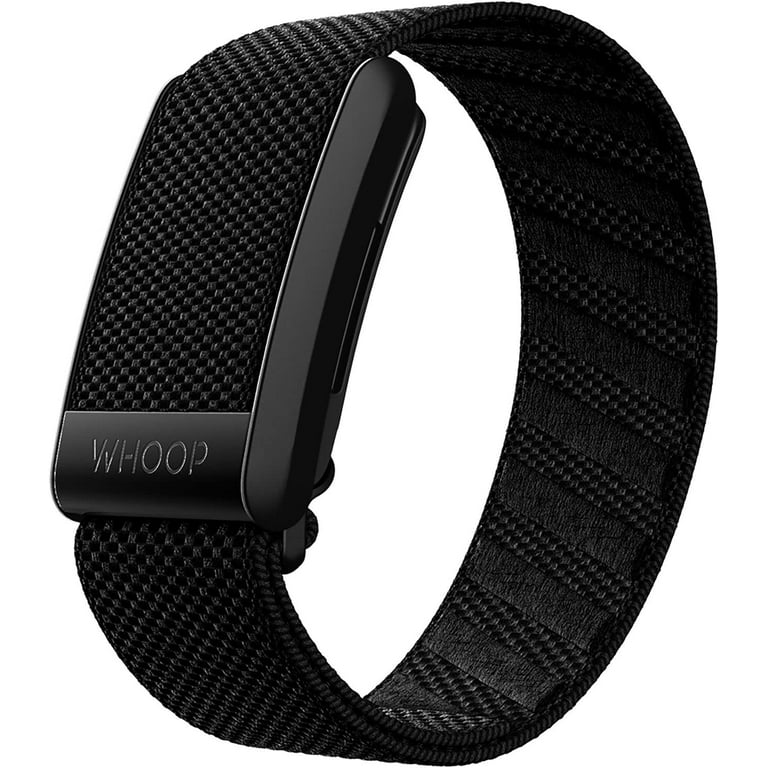
Athletes tracking sleep impact on performance.
Whoop 4.0 83% accuracy, excels in recovery/strain via HRV (ASIN: B0B5J5ZJZK). Subscription unlocks full data.
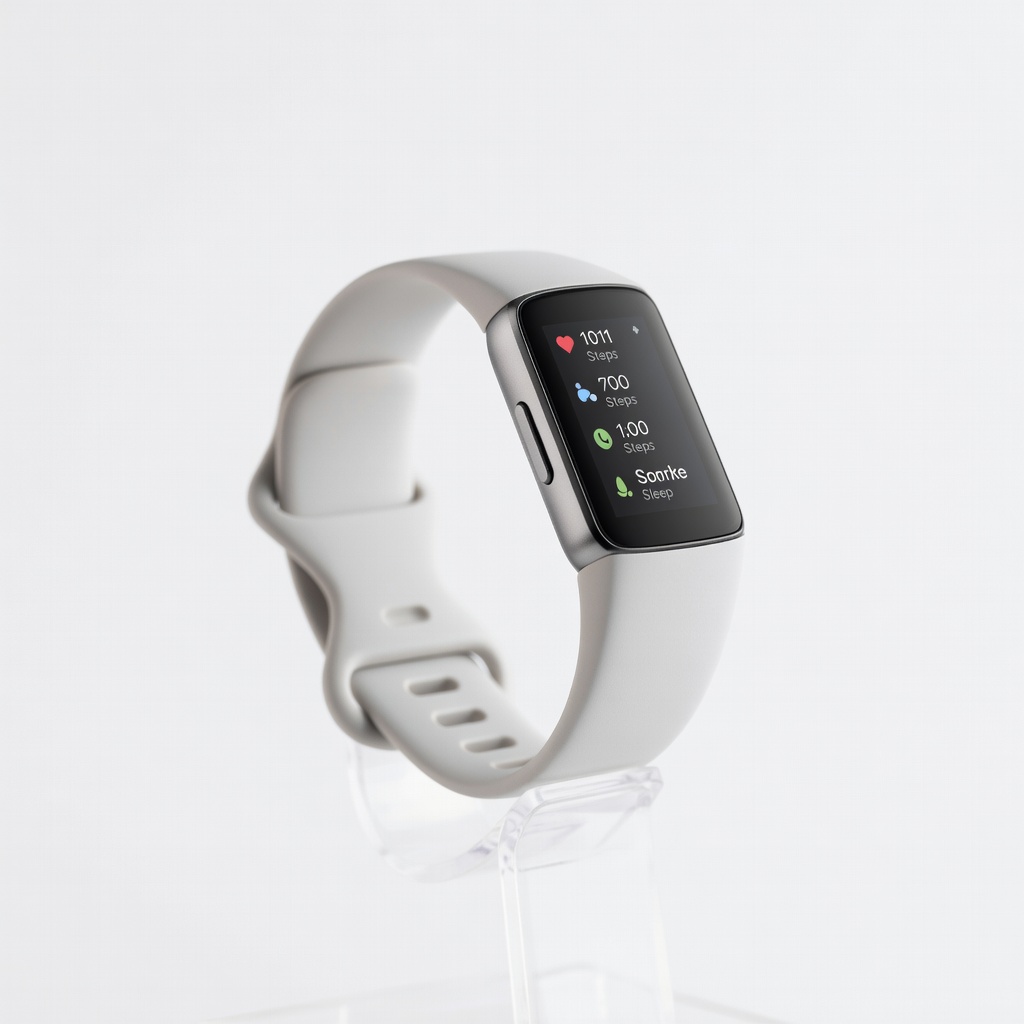
Budget daily tracker with GPS bonus.
Fitbit Charge 6 78% accuracy at consumer price, good SpO2/HRV (ASIN: B0CD9Q4HBY). Premium sub for advanced sleep.
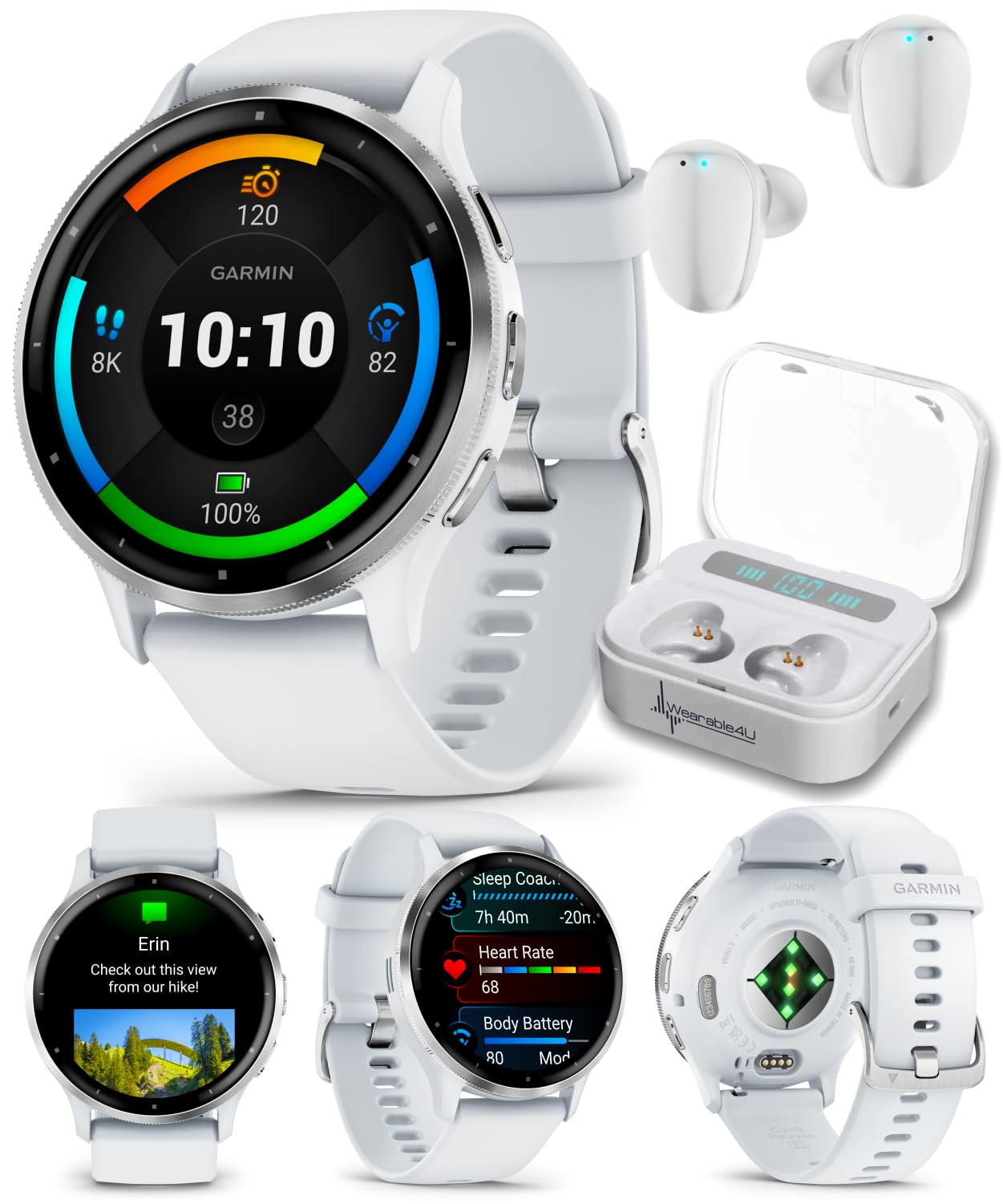
Active users needing training insights.
Garmin Venu 3 80% accuracy for multisport, strong HRV/Body Battery (ASIN: B0CJ9N3Q5S).
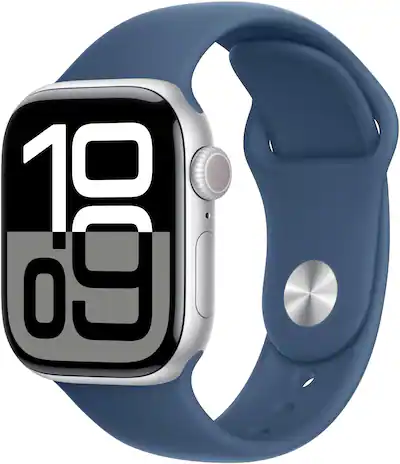
iPhone users wanting ecosystem integration.
Apple Watch Series 10 76% improved accuracy with sleep apnea detection (ASIN: B0DGYJHY94).