

Fitbit Sense 2
Daily stress management for office workers or anxiety-prone users.
$249.95
Fitbit Sense 2 Best for EDA-based acute stress detection with continuous monitoring and guided breathing.
Get the App
Better experience on mobile
Learn how fitness trackers and smartwatches detect stress via HRV, EDA, and more, plus top devices to monitor your well-being effectively.
In today's fast-paced world, chronic stress impacts sleep, heart health, and productivity, but many don't realize it's silently affecting them. Activity and health monitors offer a non-invasive way to track stress in real-time, helping you identify triggers and take action before burnout hits.
This guide breaks down the science behind stress tracking, the key metrics used, popular wearables that excel at it, and how to interpret the data. Whether you're an athlete optimizing recovery or someone managing daily anxiety, you'll understand which devices deliver reliable insights. No prior tech knowledge needed—just 10-15 minutes to read and get equipped with actionable knowledge.
By the end, you'll know exactly what to look for in a stress-tracking wearable and how to integrate it into your routine for better health.
Estimated Time: 10-15 minutes Difficulty: intermediate
Stress is your body's response to threats, releasing cortisol and adrenaline. Chronic stress raises risks for heart disease, anxiety, and poor sleep. Wearables track it indirectly through physiological changes like elevated heart rate or skin conductance.
Why track? Real-time data reveals patterns—e.g., stress spikes during meetings—empowering proactive management like breathing exercises. Expect objective insights beyond self-reported moods.
Analogy: Like a car's dashboard warning light for overheating, these monitors signal when your 'engine' is revving too high.
💡 Tips:
HRV measures beat-to-beat heart changes—high variability signals parasympathetic (rest) dominance, low indicates stress.
Wearables use optical sensors for 24/7 tracking. Nightly HRV baselines predict daily resilience. Why it matters: Proven correlation with stress/recovery; athletes use it for training loads.
Expect scores like 50-100ms (good) vs. <30ms (stressed). Garmin and Oura excel here.
💡 Tips:
⚠️ Warnings:
EDA detects skin sweat gland responses to stress via tiny electrical changes. Fitbit's cEDA (continuous) scans every 4 minutes, prompting on-demand sessions.
It's quick (30-60s) and captures acute stress missed by HRV. Why reliable: Directly tied to sympathetic nervous system activation.
Example: A sudden EDA spike during a call flags emotional stress.
💡 Tips:
Beyond HRV/EDA: Temperature (Oura detects feverish stress), respiration rate, and algorithms combining metrics (Garmin's Body Battery).
Advanced: Whoop's strain/recovery scores infer stress from activity/HR. Apple Watch uses irregular rhythm notifications tied to stress.
These multi-signal approaches boost accuracy up to 80-90% vs. self-reports.
⚠️ Warnings:
Not all track stress—look for HRV, EDA, or stress scores:
Compare via apps for scores (0-100 scale common).
💡 Tips:
Pair device via Bluetooth app, enable stress tracking (e.g., Fitbit's 'Stress Management'). View dashboard: green (low), yellow (medium), red (high).
Interpret: Low HRV + high EDA = acute stress; use insights for interventions. Track trends weekly.
Real-world: Notice post-commute spikes? Schedule walks.
💡 Tips:
Studies show 70-90% accuracy vs. lab ECG (HRV gold standard). Factors: Motion artifacts, skin tone, fit.
Limitations: Not medical-grade; correlates but doesn't diagnose. Combine with lifestyle logs.
Pro tip: Validate with journal—devices improve with your data.
⚠️ Warnings:
Problem: Inconsistent stress readings
Solution: Tighten band, clean sensors, avoid lotions; recalibrate in app.
Problem: No stress feature available
Solution: Update app/firmware or check model compatibility (e.g., not all Fitbits have EDA).
Problem: High stress at rest
Solution: Rule out dehydration, caffeine, or illness; track sleep quality.
Problem: App sync issues
Solution: Restart Bluetooth, ensure permissions; reinstall if persistent—seek support if >24h.
Best for EDA-based acute stress detection with continuous monitoring and guided breathing.
Best for: Daily stress management for office workers or anxiety-prone users.
Price Range: $249.95
Excellent all-day stress score + Body Battery using HRV and multi-metrics for recovery insights.
Best for: Athletes balancing training stress and life demands.
Price Range: $449.99
Top-tier HRV and readiness scores for subtle, 24/7 stress tracking without wrist bulk.
Best for: Sleep-focused users wanting discreet, accurate nighttime stress data.
Price Range: $299+ (subscription optional)
Strain and recovery metrics infer stress holistically from activity and HR.
Best for: Performance optimizers needing subscription-based deep analytics.
Price Range: $199 + $30/mo subscription
HRV logging + Vitals app for stress trends, integrated with iPhone ecosystem.
Best for: Apple users seeking seamless mindfulness and irregularity alerts.
Price Range: $399+
Daily stress management for office workers or anxiety-prone users.
Fitbit Sense 2 Best for EDA-based acute stress detection with continuous monitoring and guided breathing.

Athletes balancing training stress and life demands.
Garmin Venu 3 Excellent all-day stress score + Body Battery using HRV and multi-metrics for recovery insights.
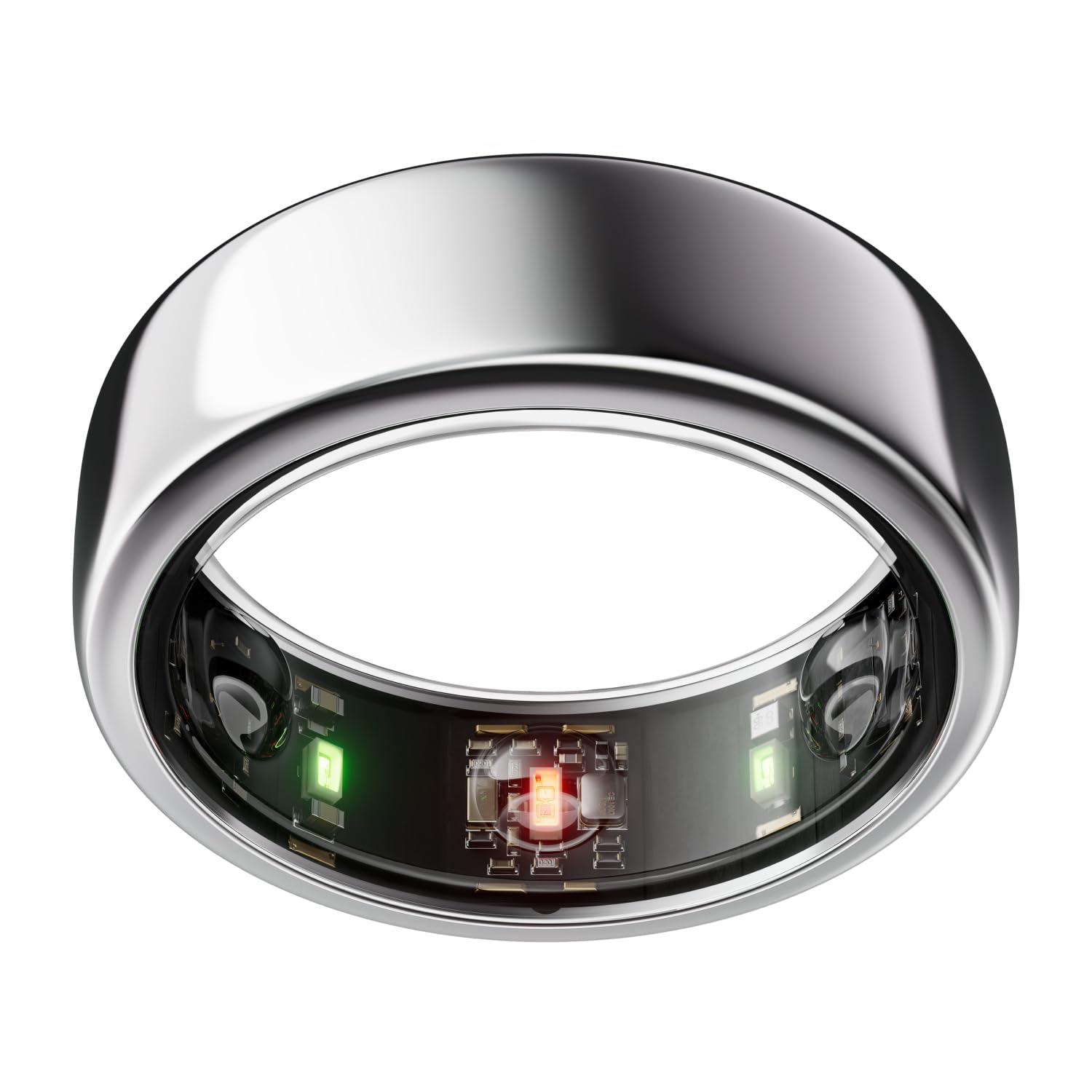
Sleep-focused users wanting discreet, accurate nighttime stress data.
Oura Ring Generation 3 Top-tier HRV and readiness scores for subtle, 24/7 stress tracking without wrist bulk.
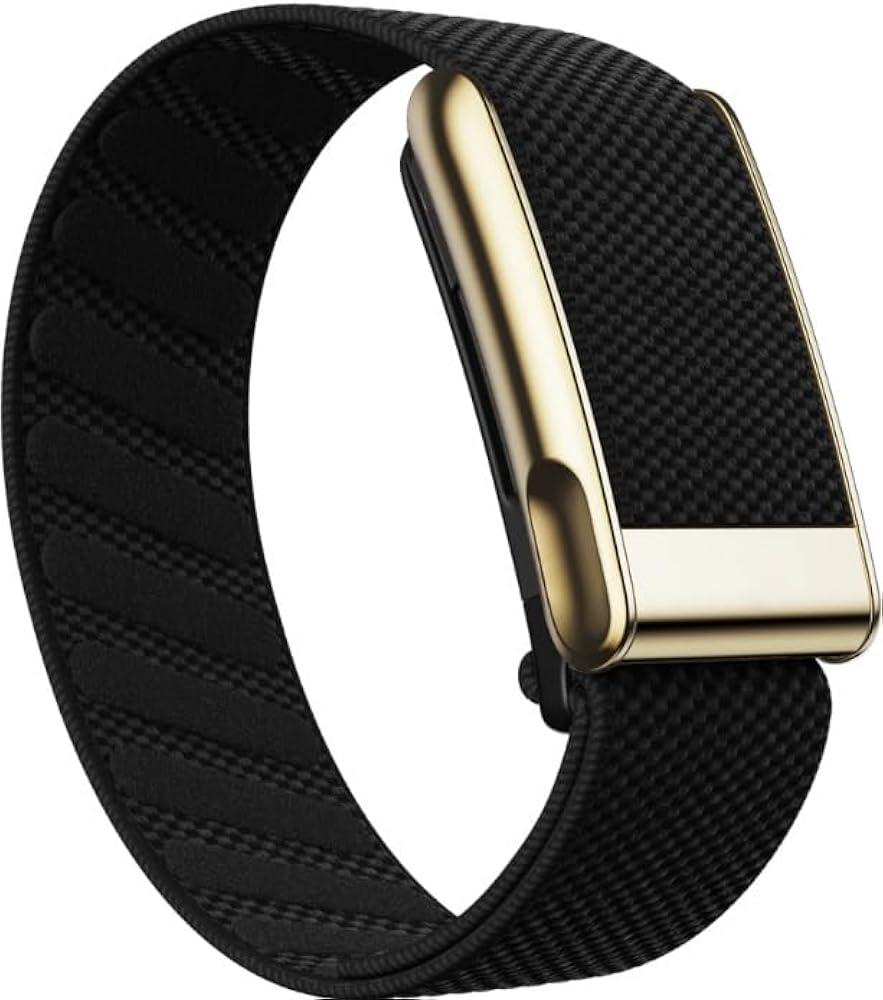
Performance optimizers needing subscription-based deep analytics.
Whoop 5.0 Band Strain and recovery metrics infer stress holistically from activity and HR.
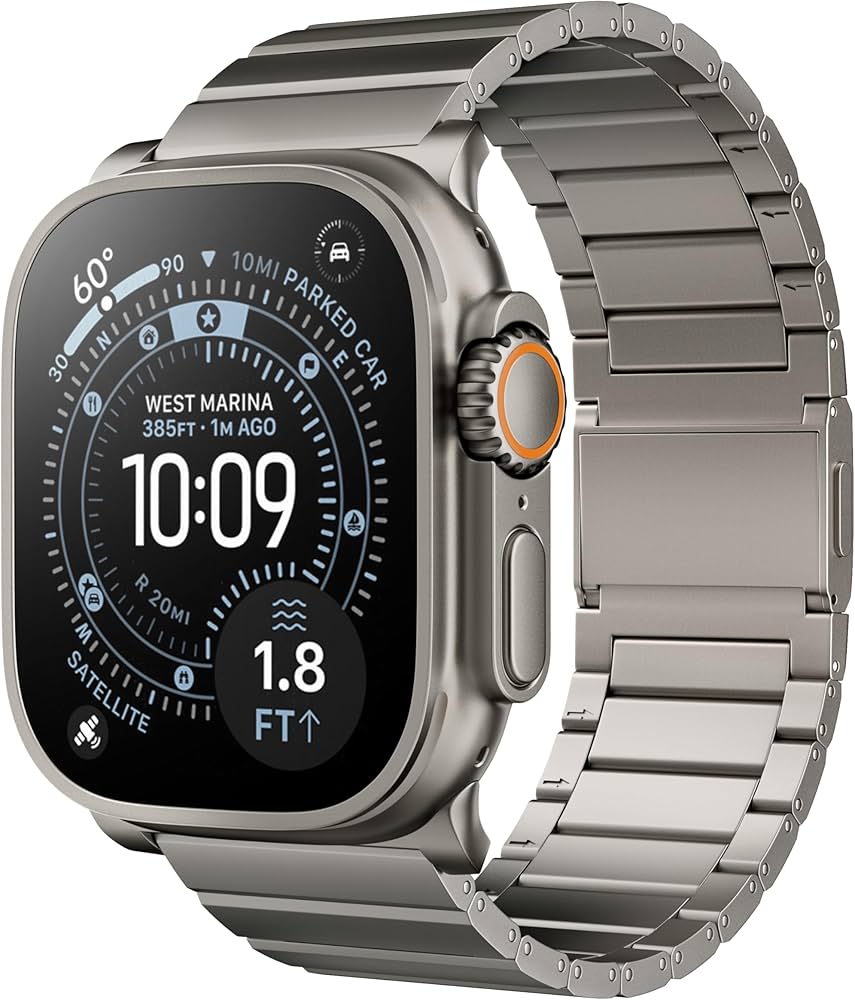
Apple users seeking seamless mindfulness and irregularity alerts.
Apple Watch Series 10 HRV logging + Vitals app for stress trends, integrated with iPhone ecosystem.