
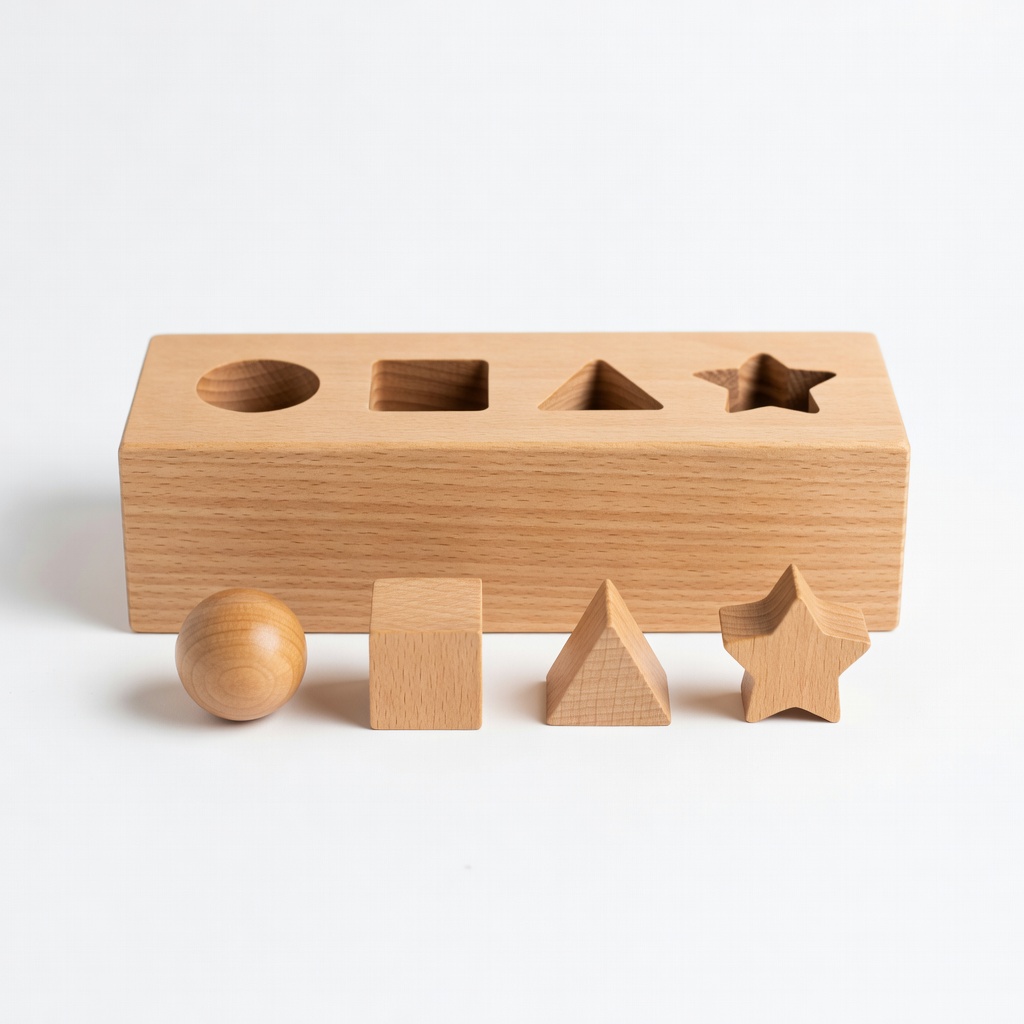
Melissa & Doug Wooden Shape Sorter
Ideal for 1-3 year olds starting shape recognition and pincer grip.
$12.99
Melissa & Doug Wooden Shape Sorter Classic sorter builds sorting, grasping, and problem-solving with chunky, safe pieces.
Get the App
Better experience on mobile
Learn top activity toys that build your child's dexterity, grip strength, and hand-eye coordination through fun play.
Fine motor skills are essential for your child's development, helping them with everyday tasks like buttoning clothes, writing, and eating independently. Many parents struggle to find engaging toys that target these skills without feeling like 'work.' This guide breaks down what fine motor skills are, why they matter, and the best activity entertainment toys to promote them.
You'll discover age-specific toy recommendations, how they work, and tips to maximize benefits. Whether for infants or preschoolers, these toys turn playtime into skill-building sessions. Expect a quick read (10-15 minutes) with actionable insights for beginners—no prior knowledge needed.
By the end, you'll know exactly which toys to choose and how to incorporate them into daily routines for noticeable improvements.
Estimated Time: 10-15 minutes to read and plan Difficulty: beginner
Fine motor skills involve the small muscles in hands, fingers, and wrists for precise movements like grasping, pinching, and manipulating objects. Think of it like training tiny athletes: these skills help kids pick up cereal or turn book pages.
Unlike gross motor skills (running, jumping), fine ones develop through repetitive, targeted play. Toys that require threading, stacking, or squeezing are perfect examples. Expect gradual progress—start simple to build confidence.
💡 Tips:
Strong fine motor skills boost independence, school readiness, and even cognitive growth. Kids with good dexterity write better, self-feed earlier, and explore creatively. Delays can affect confidence, so early play is key.
Research from the American Academy of Pediatrics shows daily toy play improves these skills by 20-30% in toddlers. You'll see benefits in 4-6 weeks of consistent use.
⚠️ Warnings:
For babies, focus on grasping and banging. Soft rattles or stackers encourage reaching and pincer grip (thumb-finger hold).
These toys build foundational strength. Play 10-15 minutes daily; watch for smiles as they succeed.
💡 Tips:
Toddlers need threading, sorting, and squeezing toys. Lacing cards or shape sorters refine pinching and twisting.
These promote hand-eye coordination. Sessions of 20 minutes prevent overstimulation.
Older kids thrive with playdough, pegboards, or small blocks for complex manipulation like rolling or clipping.
This prepares for writing. Use for 30-minute creative sessions.
Set aside dedicated playtime: model actions first, then let them explore. Combine with songs for engagement.
Track progress weekly—note better grips or faster stacking.
💡 Tips:
Look for milestones: grasping at 6 months, threading at 2 years. If no improvement in 2 months, vary toys or consult a pediatrician.
This ensures ongoing development.
⚠️ Warnings:
Problem: Child loses interest quickly
Solution: Rotate toys every 3 days and add themes like 'animal stacking day'.
Problem: Struggling with grip
Solution: Use larger, textured toys first; practice with finger foods.
Problem: Toys break easily
Solution: Opt for wooden or durable plastic; check reviews for quality.
Problem: No visible progress
Solution: Video sessions weekly for comparison; consult pediatrician if concerned.
Classic sorter builds sorting, grasping, and problem-solving with chunky, safe pieces.
Best for: Ideal for 1-3 year olds starting shape recognition and pincer grip.
Price Range: $12.99
Hammering and xylophone play strengthens wrist action and coordination.
Best for: Perfect for 12-36 month toddlers who love banging.
Price Range: $39.99
Squeezing, rolling, and pinching dough enhances finger strength and creativity.
Best for: Great for 2+ years open-ended sensory play.
Price Range: $9.99
Popping silicone bubbles improves pinching and bilateral coordination.
Best for: Portable for on-the-go fine motor practice, ages 1+.
Price Range: $14.95
Large blocks for stacking and building refine dexterity safely.
Best for: For 18 months-5 years imaginative construction.
Price Range: $19.99
Ideal for 1-3 year olds starting shape recognition and pincer grip.
Melissa & Doug Wooden Shape Sorter Classic sorter builds sorting, grasping, and problem-solving with chunky, safe pieces.
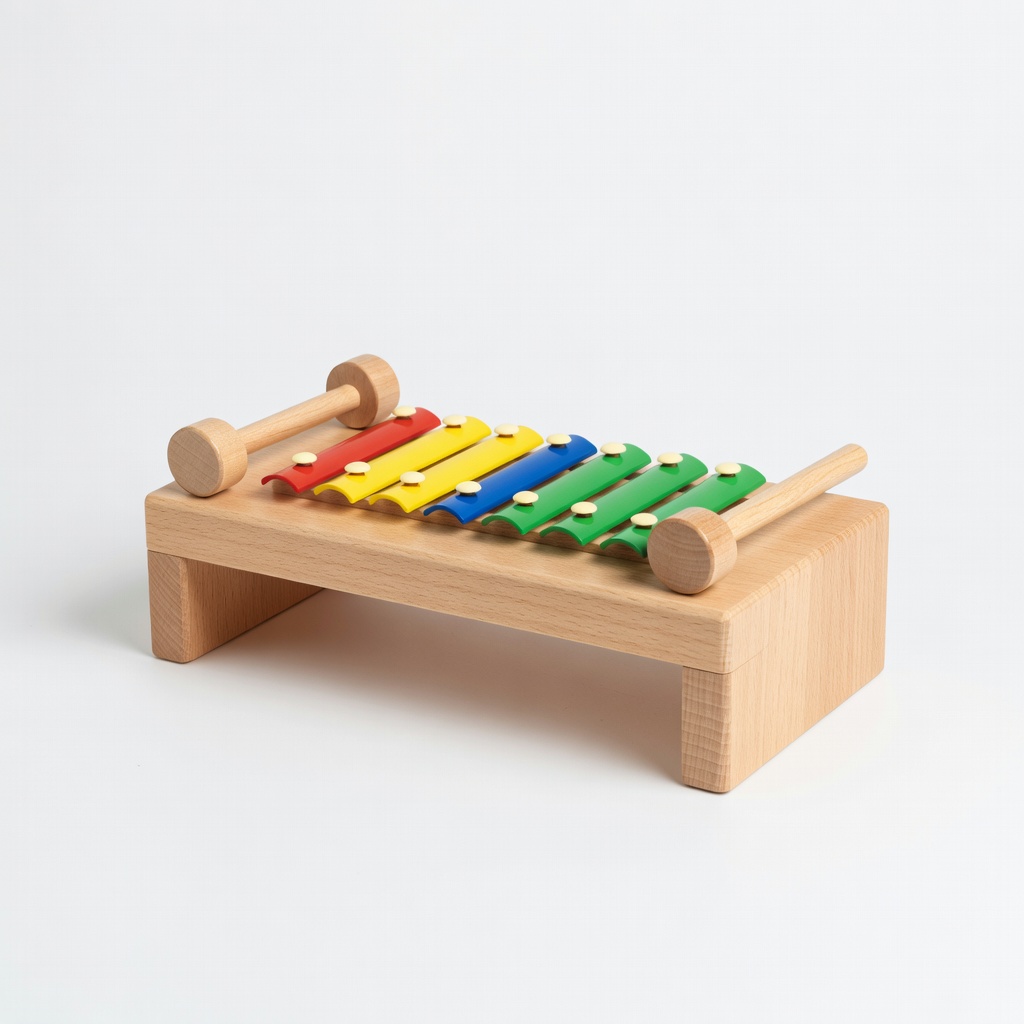
Perfect for 12-36 month toddlers who love banging.
Hape Pound & Tap Bench Hammering and xylophone play strengthens wrist action and coordination.
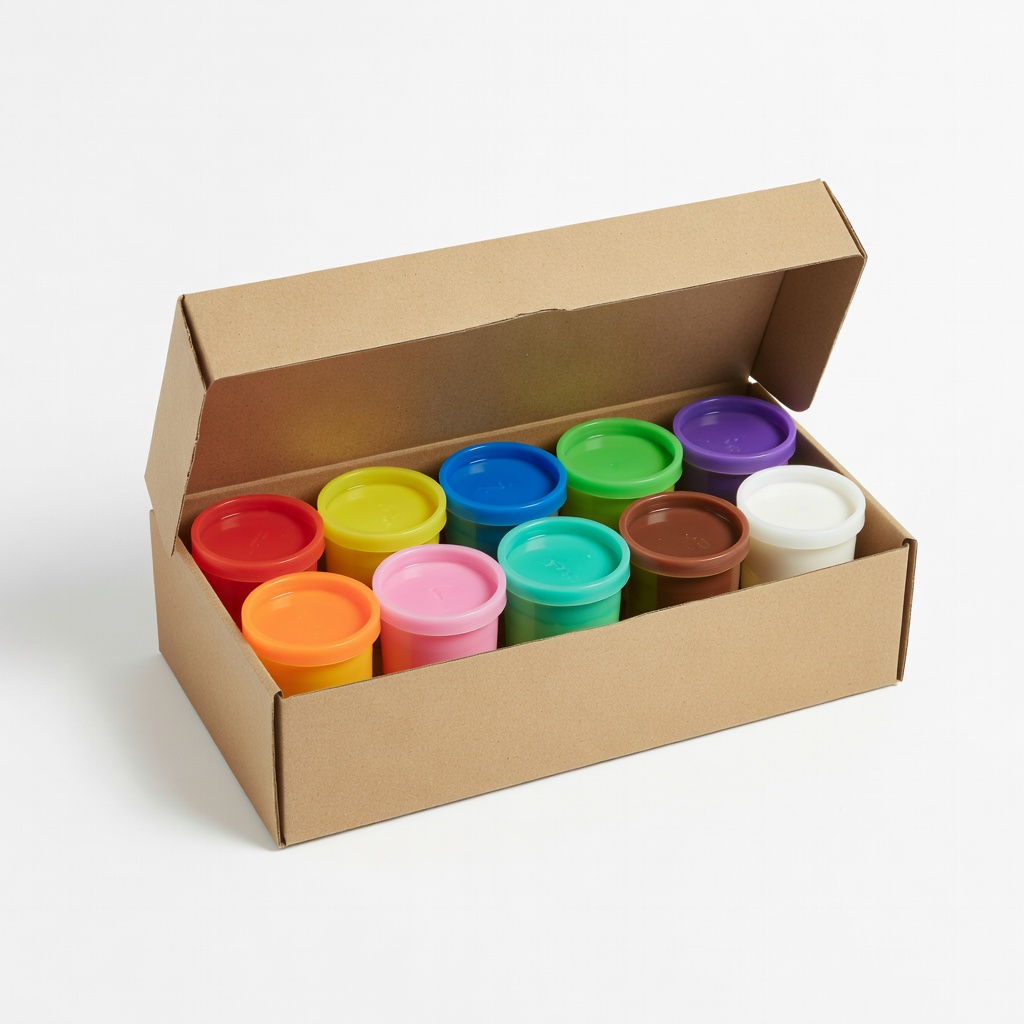
Great for 2+ years open-ended sensory play.
Play-Doh Modeling Compound 10-Pack Squeezing, rolling, and pinching dough enhances finger strength and creativity.
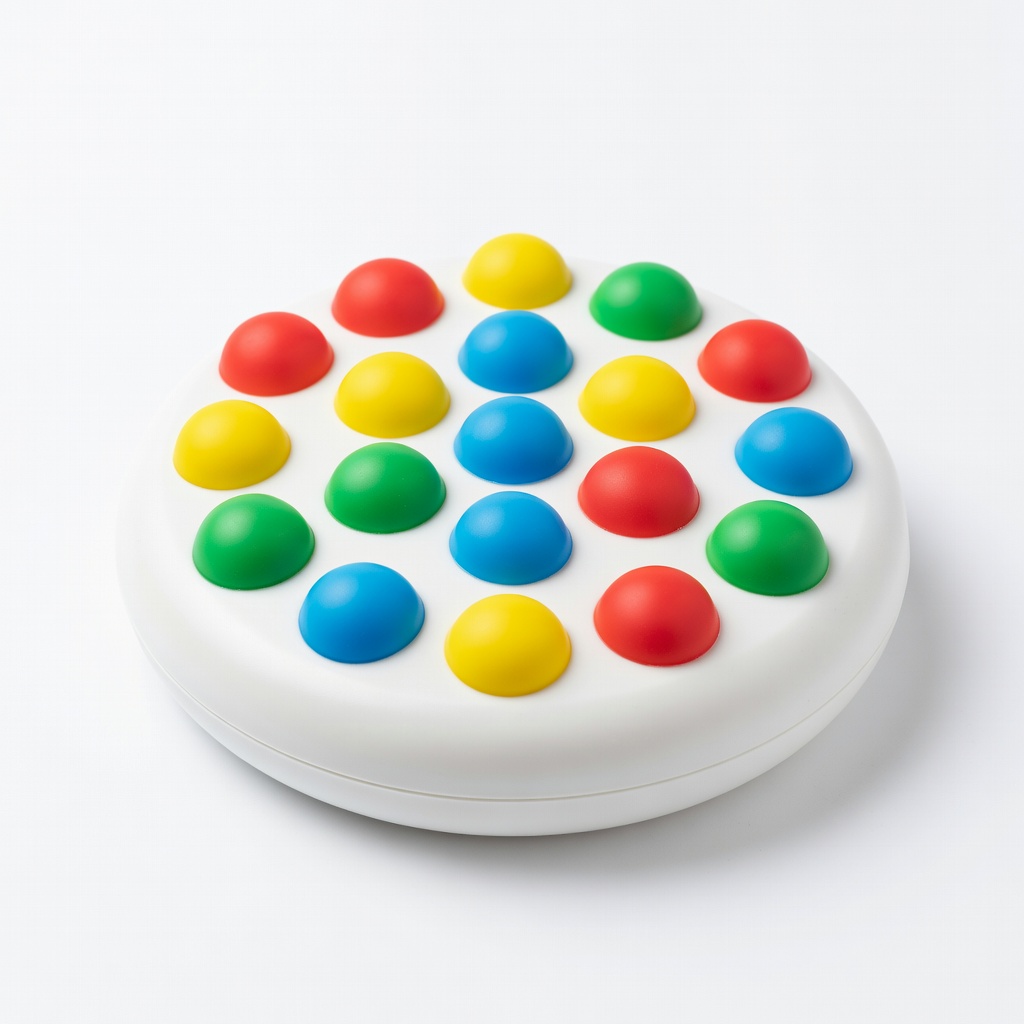
Portable for on-the-go fine motor practice, ages 1+.
Fat Brain Toys Dimpl Popping silicone bubbles improves pinching and bilateral coordination.
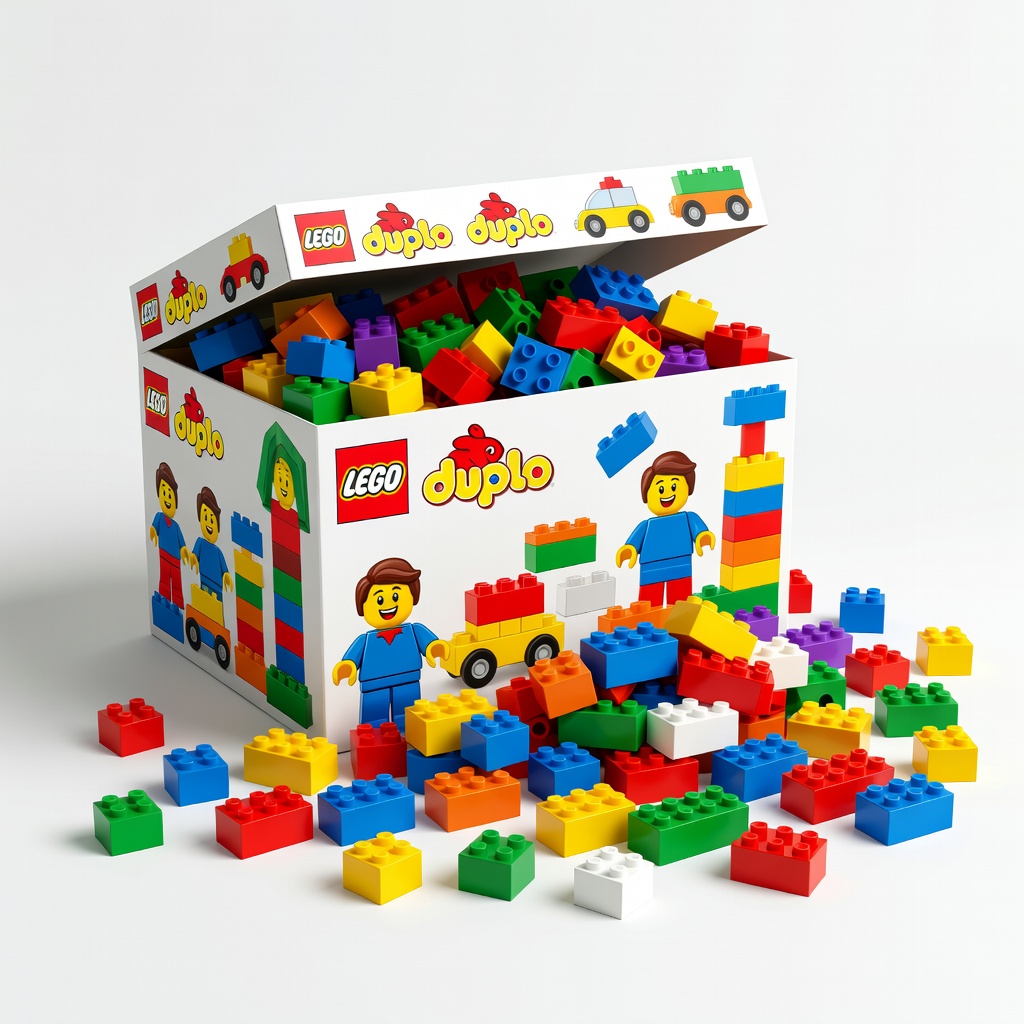
For 18 months-5 years imaginative construction.
LEGO DUPLO Classic Box of Fun Large blocks for stacking and building refine dexterity safely.