Toddlers aged 1-3 are bundles of energy, curiosity, and discovery, but choosing the right toys can be overwhelming amid endless options. The wrong toys lead to frustration or safety risks, while the best ones spark learning, build skills, and create joyful playtime. This guide explains what makes great activity and entertainment toys, helping you pick ones that match your child's development.
You'll learn toddler stages, toy types with examples, safety tips, and top recommendations. No prior knowledge needed—just 10 minutes to become a confident toy chooser. Expect clear breakdowns, real-world advice, and products that deliver value.
▸What You'll Need
- •Child's exact age (1-3 years)
- •Budget range ($10-$50 per toy)
- •Available play space (indoor/outdoor)
- •Storage solutions (optional bins)
- •Prerequisite: Basic understanding of child safety standards like ASTM
Estimated Time: 10-15 minutes
Difficulty: beginner
▸Step-by-Step Instructions
Step 1: Understand Toddler Development Stages
Toddlers grow fast: 12-18 months focus on crawling/walking, grasping; 18-24 months on stacking, simple puzzles; 24-36 months on pretend play, fine motor control. Activity toys target gross motor (crawling, walking), fine motor (pinching, stacking), cognitive (colors, shapes), and sensory (sounds, textures).
Why it matters: Age-appropriate toys prevent frustration. A 1-year-old won't stack complex blocks but loves banging drums. Expect engagement spikes when toys match milestones—like pushing toys for walkers.
💡 Tips:
- •Observe your child's current skills before buying.
- •Check CDC milestones for reference.
⚠️ Warnings:
- •Avoid toys for older kids; small parts are choking hazards.
Step 2: Explore Key Benefits of Activity Toys
These toys aren't just fun—they build brain-body connections. Push toys aid balance/walking; stackers teach problem-solving; musical ones enhance language/hearing. Analogy: Like gym equipment for grown-ups, but colorful and giggle-inducing.
Studies (e.g., American Academy of Pediatrics) show play boosts emotional regulation, reducing tantrums. Expect 20-30% more focused playtime with engaging toys.
💡 Tips:
- •Combine types for full development: one motor, one sensory per week.
Step 3: Push and Pull Toys for Gross Motor Fun
These encourage walking, coordination—like mini shopping carts or animal pull-alongs. Great for 12+ months. Examples: Trucks with buttons that play sounds as they move.
Why? Builds confidence in new walkers. Expect wobbly first steps turning into chases around the room.
⚠️ Warnings:
- •Ensure stable bases to prevent tipping.
Step 4: Stacking and Sorting for Fine Motor Skills
Shape sorters, nesting cups teach hand-eye coordination, colors/shapes. Start simple (large pieces) for 18 months+.
Analogy: Like adult puzzles but with triumphant 'aha!' moments. Improves persistence—key for later learning.
💡 Tips:
- •Use during quiet time for focus.
Step 5: Musical and Sensory Toys for Engagement
Xylophones, shakers, textured balls stimulate hearing/touch. Ideal for all ages, especially non-walkers.
Benefits: Calms or energizes; links sound to action. Expect sing-alongs and self-entertainment.
⚠️ Warnings:
- •Volume control to protect ears.
Step 6: Prioritize Safety Features
Look for ASTM F963 certification, no BPA/phthalates, rounded edges, large parts (>1.25 inches). Washable materials bonus.
Test: Shake, squeeze—nothing breaks off. Why? Prevents 80% of toy injuries (CPSC data).
💡 Tips:
- •Buy from reputable brands like Fisher-Price, Melissa & Doug.
Step 7: Choose and Rotate Toys Effectively
Pick 3-5 based on interests/budget. Rotate weekly to maintain novelty—prevents boredom.
Track what they love; expand collection gradually. Expect longer attention spans.
▸Pro Tips
- •Rotate toys every 7-10 days to spark renewed interest.
- •Involve kids in cleanup for motor skill bonus.
- •Pair toys with daily routines, like stacking during snack time.
- •Shop end-of-aisle sales for deals on classics.
- •Read reviews for real parent experiences on durability.
- •Use natural light for outdoor sensory play.
- •Customize with stickers for personalization.
▸Common Mistakes to Avoid
- •Ignoring age labels—leads to choking risks or disinterest.
- •Overbuying flashy battery toys—drains batteries, less creative play.
- •Skipping safety checks—cheap imports often fail standards.
- •No rotation—causes quick boredom and clutter.
- •Forgetting storage—leads to lost pieces and frustration.
▸Troubleshooting
Problem: Child ignores the toy
Solution: Demonstrate play first, then step back. Rotate if no interest in 2 days.
Problem: Toy breaks easily
Solution: Check warranty; opt for wooden over plastic next time. Supervise heavy use.
Problem: Too noisy for home
Solution: Choose volume-limited options or use in open spaces. Remove batteries temporarily.
Problem: Not age-appropriate frustration
Solution: Downsize to simpler toys; wait 1-2 months for growth.
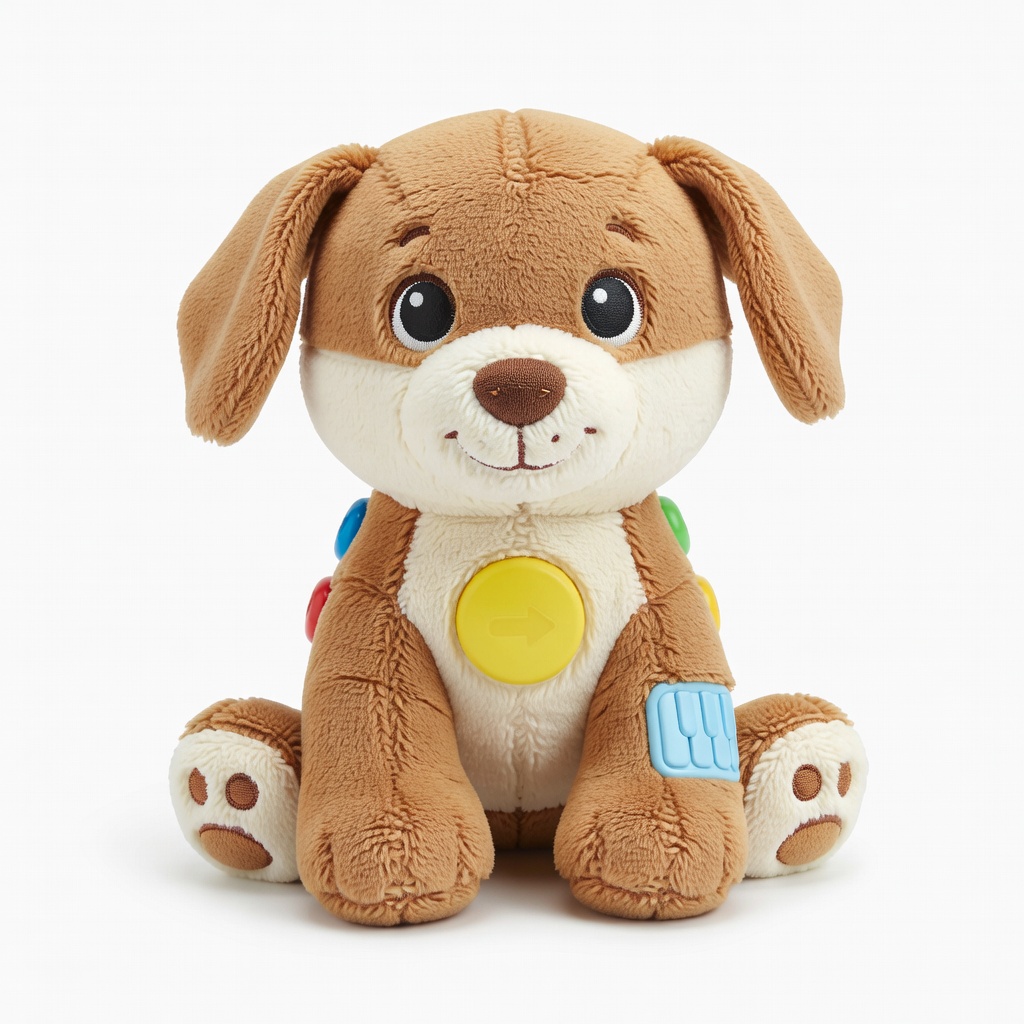
Fisher-Price Laugh & Learn Smart Stages Puppy
Interactive plush with songs, lights, and phrases that adapt to age stages for cognitive/sensory development.
Best for: Daily entertainment for sitting/crawling toddlers; grows with child.
Price Range: $18-$22
Manhattan Toy Winkel Rattle & Teether
Safe, chewable loops with rattle sound; BPA-free for sensory/motor exploration.
Best for: On-the-go soothing for teething 6-18 month olds.
Price Range: $10-$13
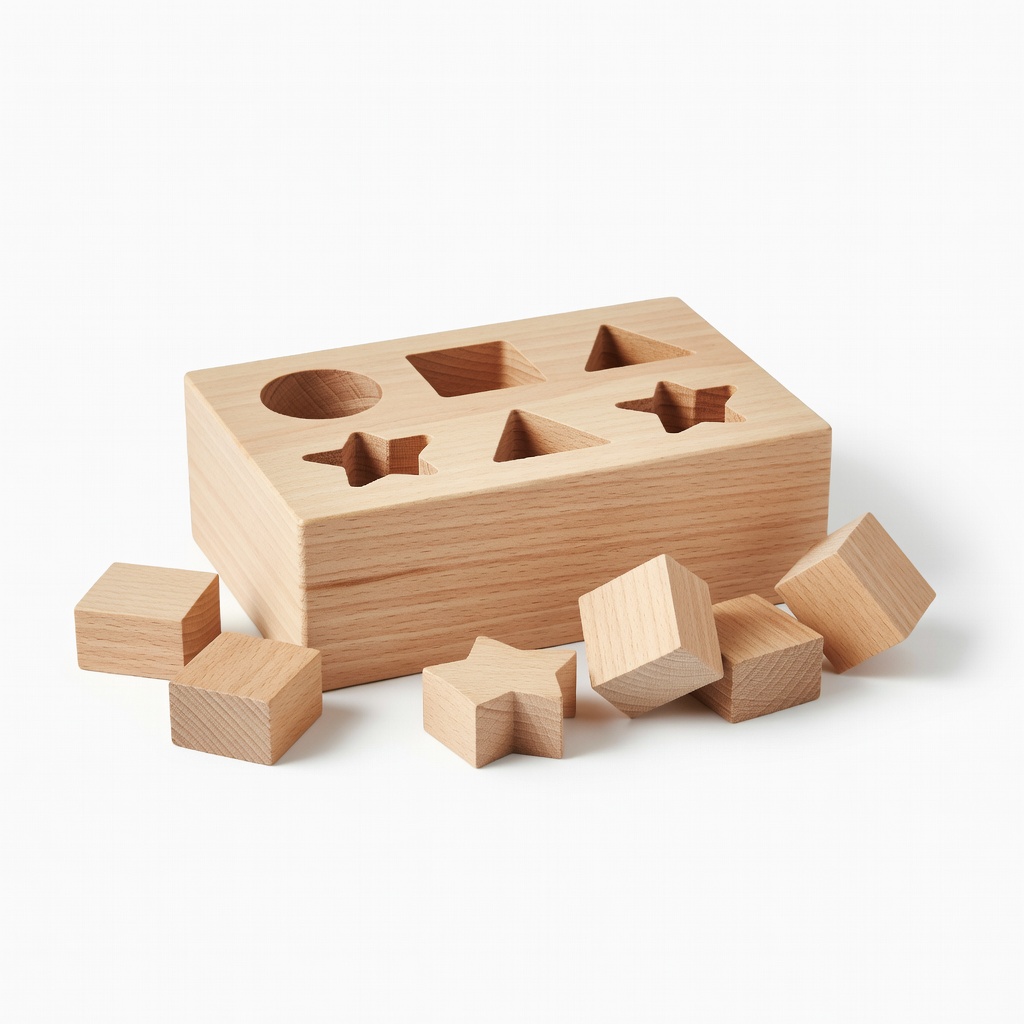
Melissa & Doug Wooden Shape Sorter
Durable wood, 10 shapes for sorting/fine motor; timeless and eco-friendly.
Best for: Quiet play building problem-solving for 18+ months.
Price Range: $12-$15
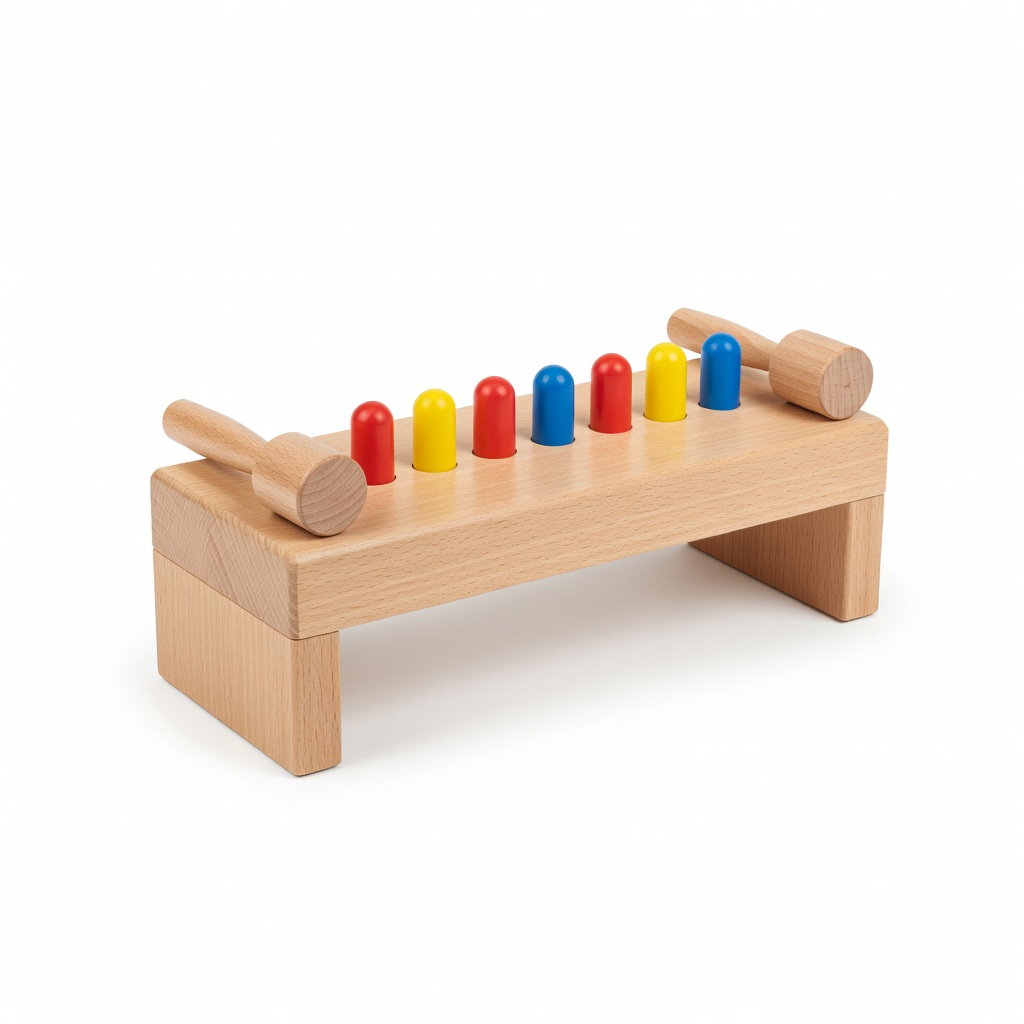
Hape Pound & Tap Bench
Wooden bench with xylophone and mallets; encourages cause-effect and rhythm.
Best for: High-energy banging for 12-24 month walkers.
Price Range: $25-$35
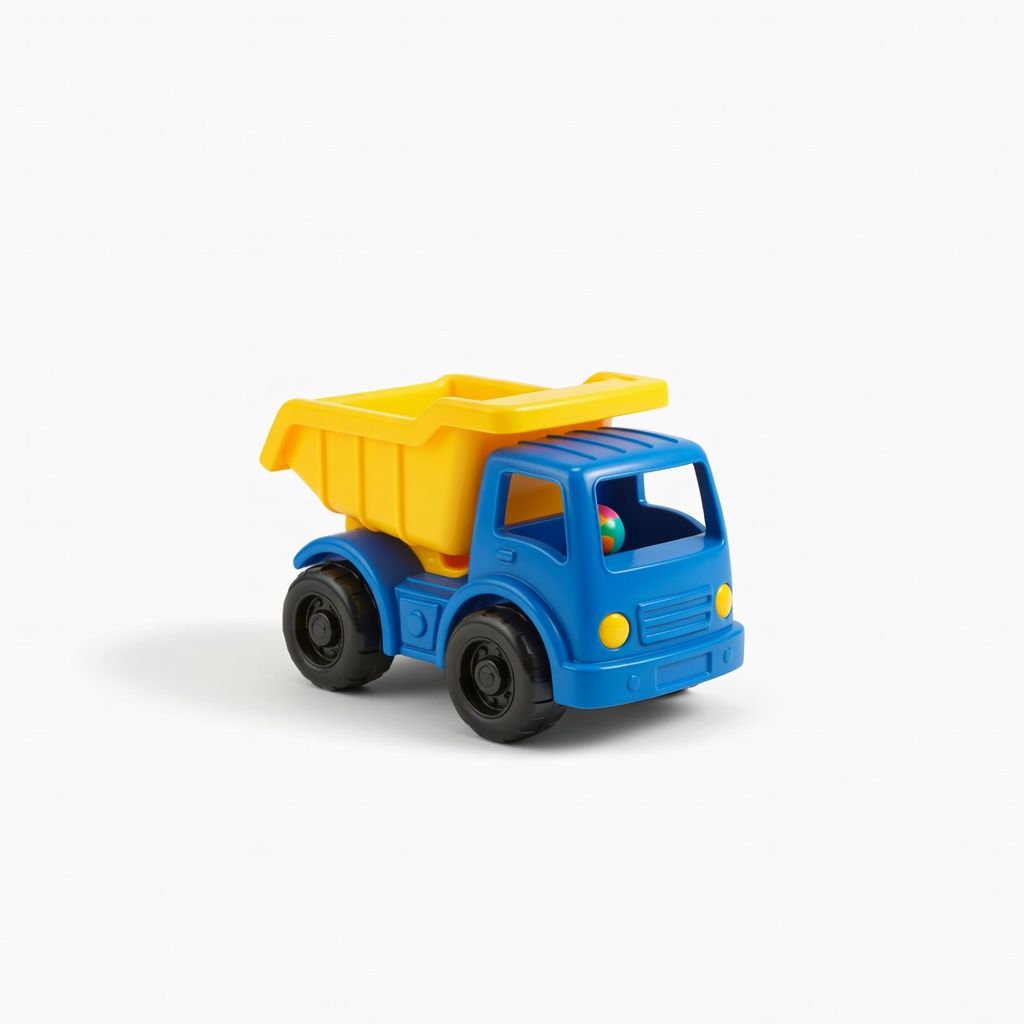
VTech Drop and Go Dump Truck
Drop balls to activate sounds/movement; perfect for gross motor and color learning.
Best for: Active play for 12+ month toddlers loving vehicles.
Price Range: $12-$18