
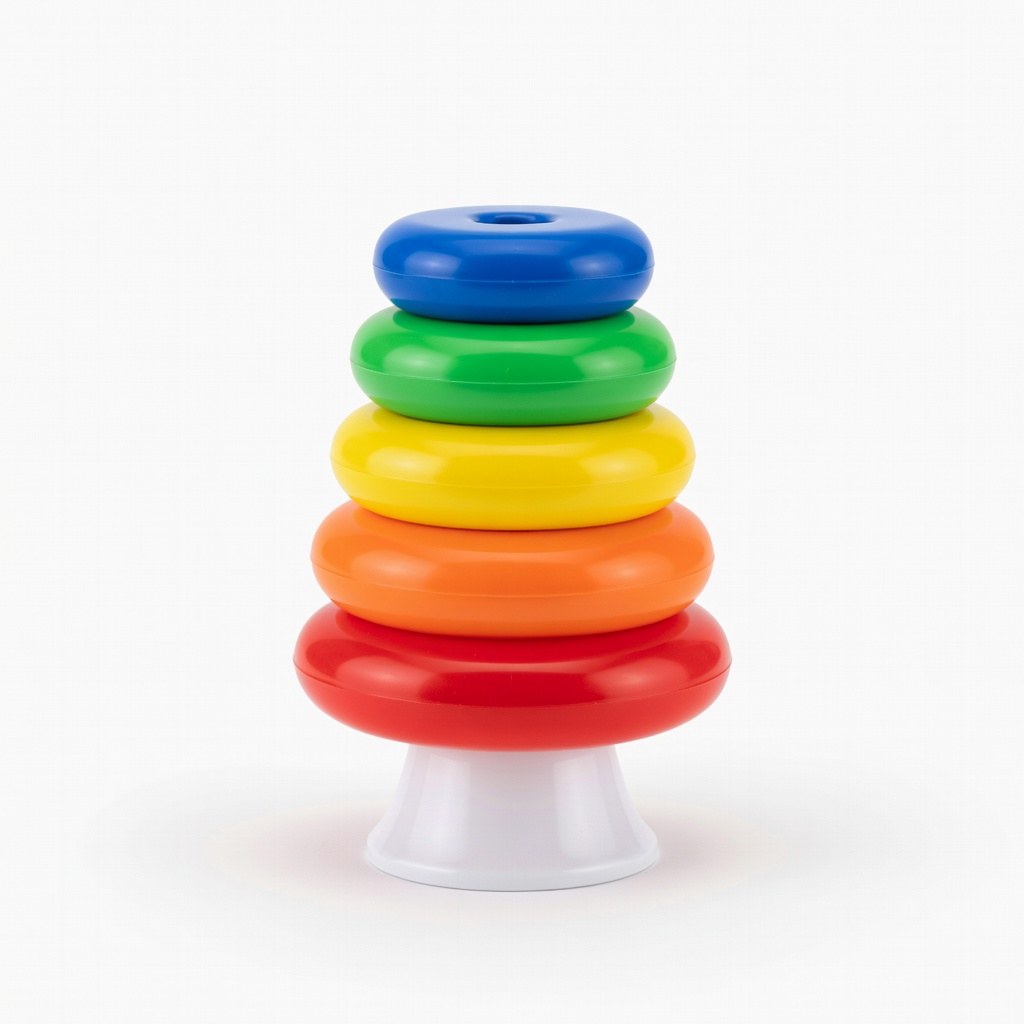
Fisher-Price Rock-a-Stack (ASIN: B00UJ4Y910)
Daily stacking for infants/toddlers.
$9.99
Fisher-Price Rock-a-Stack (ASIN: B00UJ4Y910) Classic stacking rings build grasping and sequencing from 6 months.
Get the App
Better experience on mobile
Learn top activity toys that build kids' hand-eye coordination and dexterity through fun, engaging play for ages 1-5.
Fine motor skills are the small movements of hands and fingers that kids need for everyday tasks like buttoning clothes or writing. Many parents worry their child lags in development, but simple toys can make a huge difference without feeling like 'work.' This guide breaks down the best activity and entertainment toys to boost these skills naturally.
You'll discover what fine motor skills are, why they matter, specific toy types with examples, and how to choose age-appropriate ones. No prior knowledge needed—this is beginner-friendly. Expect to spend 10-15 minutes reading and get ready to shop or play immediately.
By the end, you'll have a curated list of toys, tips for success, and confidence in selecting playthings that support healthy development.
Estimated Time: 10-15 minutes to read and plan play sessions Difficulty: beginner
Fine motor skills involve precise movements using small muscles in hands, wrists, and fingers. Think pinching, grasping, or threading—essential for tasks like eating with utensils or zipping jackets.
These skills develop from birth but peak in early childhood (ages 1-5). Toys target them by encouraging repetition in a fun way, unlike drills. Expect gradual improvement over weeks of play; it's about muscle memory, not overnight results.
Analogy: Like gym workouts for tiny muscles—consistent, playful reps build strength.
💡 Tips:
Toys make development enjoyable, improving hand-eye coordination, dexterity, and focus. Studies from the American Academy of Pediatrics show play-based activities enhance brain connections better than passive screen time.
Benefits include better school readiness, reduced frustration in daily tasks, and even speech improvements via hand-mouth coordination. Start early to prevent delays—most gains happen before age 3.
⚠️ Warnings:
These build grasping, balancing, and hand strength. Kids stack rings or cups, learning size sequencing.
Example: Colorful cups that nest inside each other. Why it works: Repeated stacking refines release control. Expect knocks and laughs—progress from 2-3 stacks to towers.
💡 Tips:
Perfect for pincer grip (thumb-finger pinch). Lace strings through holes in shapes or cards.
Develops bilateral coordination (using both hands). Start with large laces; expect initial misses turning to mastery in days.
Large blocks or Duplo-style pieces snap together, honing alignment and pressure control.
Boosts problem-solving too. Why matters: Mimics real tools, preparing for puzzles or writing.
💡 Tips:
Pound pegs into boards, then pull out—great for wrist strength and coordination.
Safe wood versions reduce noise. Expect rhythmic pounding evolving to precise hits.
⚠️ Warnings:
Poppers, squishies, or dimples engage pinching and poking.
Low-mess, portable. Builds endurance for sustained fine tasks.
Pick BPA-free, age-labeled toys. Match to skill: large pieces for 1-2yo, finer for 3+.
Rotate weekly to maintain interest. Track progress with photos.
💡 Tips:
Problem: Child gets frustrated and quits.
Solution: Simplify: Use fewer pieces or demonstrate slowly. Shorten sessions.
Problem: Toys break easily.
Solution: Opt for wooden/quality brands. Check weight ratings.
Problem: No improvement after weeks.
Solution: Consult pediatrician for underlying issues. Vary toys.
Classic stacking rings build grasping and sequencing from 6 months.
Best for: Daily stacking for infants/toddlers.
Price Range: $9.99
Large laces and shapes perfect for beginner threading, durable wood.
Best for: Hand-eye practice for 3+ year olds.
Price Range: $12.99
Hammering pegs strengthens wrists with xylophone bonus for fun.
Best for: Active play for 1-3 year olds.
Price Range: $39.99
Sensory popping discs for endless pinching without mess.
Best for: Portable fidget for any age 1+.
Price Range: $12.99
Chunky blocks snap easily, teaching building basics.
Best for: Creative construction for 2-5 year olds.
Price Range: $19.99
Daily stacking for infants/toddlers.
Fisher-Price Rock-a-Stack (ASIN: B00UJ4Y910) Classic stacking rings build grasping and sequencing from 6 months.

Hand-eye practice for 3+ year olds.
Melissa & Doug Wooden Lacing Kit (ASIN: B00000JDHG) Large laces and shapes perfect for beginner threading, durable wood.
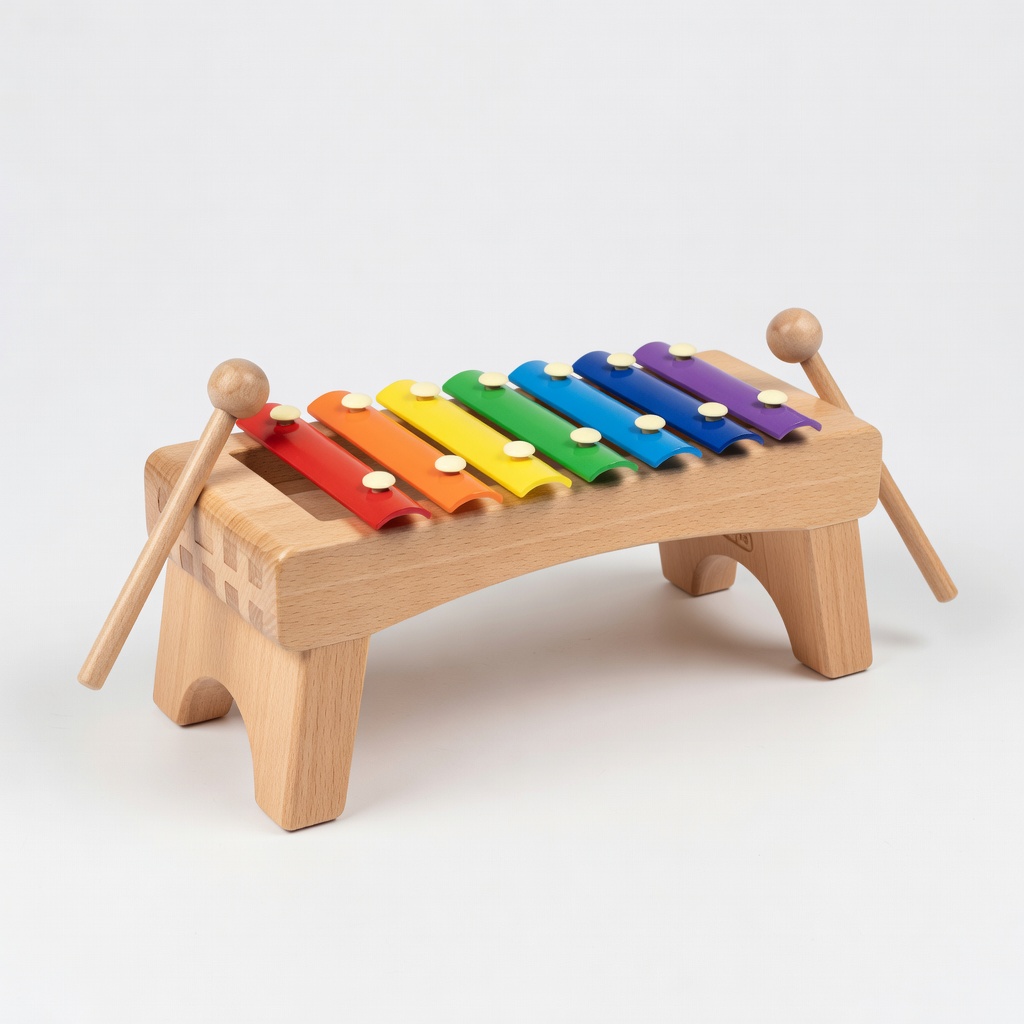
Active play for 1-3 year olds.
Hape Pound & Tap Bench (ASIN: B01IUTW4B4) Hammering pegs strengthens wrists with xylophone bonus for fun.
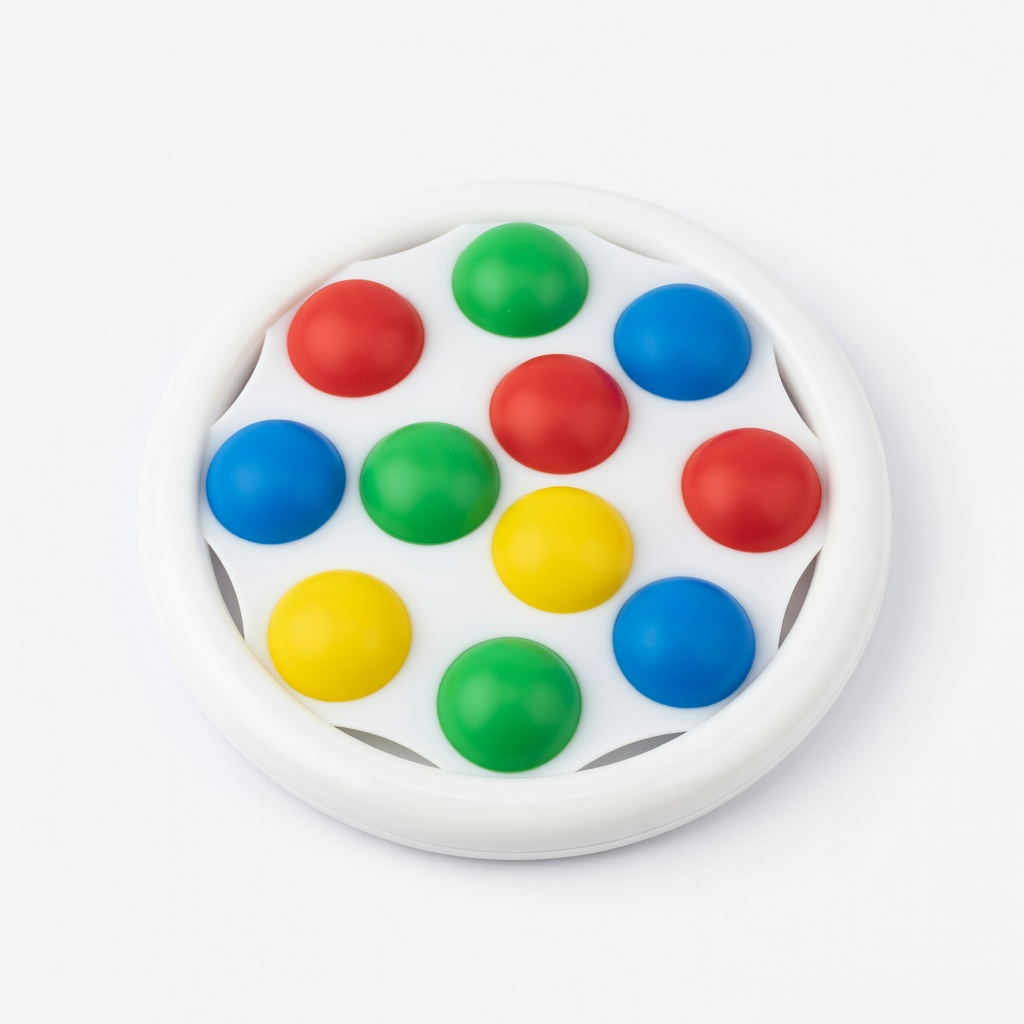
Portable fidget for any age 1+.
Fat Brain Toys Dimpl (ASIN: B07N1H6D8S) Sensory popping discs for endless pinching without mess.

Creative construction for 2-5 year olds.
LEGO Duplo My First Number Train (ASIN: B08G4H8P1K) Chunky blocks snap easily, teaching building basics.