
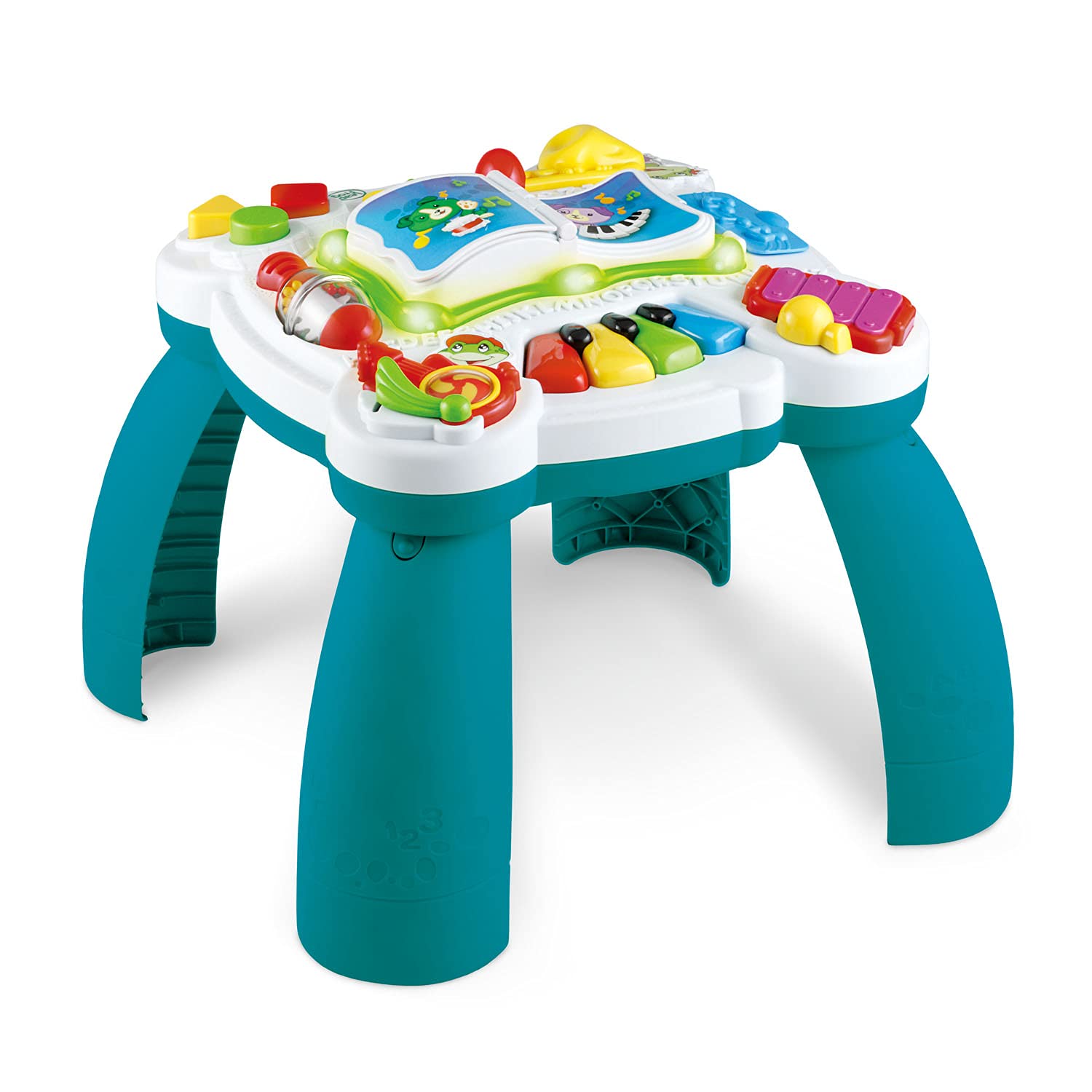
LeapFrog Learn & Groove Musical Table
For 6-24m sitting play; converts to tabletop.
$49.99
LeapFrog Learn & Groove Musical Table Interactive lights, songs, and shapes teach cause-effect (tech/science) and counting (math).
Get the App
Better experience on mobile
Unlock the best activity centers that build science, tech, engineering, and math skills in toddlers through fun, hands-on play.
In today's fast-paced world, giving toddlers an early start in STEM (Science, Technology, Engineering, and Math) can set them up for lifelong learning success. Many parents struggle to find toys that are both entertaining and educational, especially for little ones under 3 who learn best through sensory exploration and cause-and-effect play. The good news? Activity centers designed for STEM make it effortless to spark curiosity without screens.
In this guide, you'll learn what makes an activity center ideal for toddler STEM development, key features to look for, top examples, and how to integrate them into daily play. Expect simple explanations, real-world examples, and actionable advice—no prior knowledge needed. You'll finish ready to choose and use one confidently in about 20-30 minutes of reading.
These centers turn playtime into mini science labs, fostering skills like problem-solving, fine motor control, and pattern recognition through gears, shapes, stacking, and sounds.
Estimated Time: 20-30 minutes to read and plan your toddler's STEM play routine Difficulty: beginner
STEM for toddlers isn't about equations or coding—it's foundational play that introduces science (exploring senses and cause-effect), technology (simple tools like buttons), engineering (stacking and building), and math (shapes, colors, counting basics).
Toddlers (12-36 months) learn through hands-on repetition. For example, banging a hammer on pegs teaches physics (force and motion), like a mini Newton's cradle. This step matters because mismatched toys lead to frustration; knowing basics helps you spot true STEM value.
Expect: Giggles and 'aha!' moments as your child discovers patterns naturally.
💡 Tips:
⚠️ Warnings:
Activity centers are multi-sided play stations or tables packed with interactive elements like spinners, sorters, gears, and lights—think a toddler's command center.
Unlike single toys, they offer variety to prevent boredom, promoting extended play. Analogy: Like a Swiss Army knife for learning, one center covers multiple skills.
Why it matters: They encourage independent exploration while building STEM skills safely.
💡 Tips:
Activity centers shine for STEM because they mimic real-world problem-solving in a contained space. Spinning gears teach engineering (how parts fit), sorters build math (shapes match), sounds introduce tech (buttons activate).
Research from the American Academy of Pediatrics shows hands-on play boosts brain development 20-30% more than passive toys. Expect: Improved dexterity and focus after 2-4 weeks.
Common pain point solved: No more 'one-and-done' toys cluttering your home.
⚠️ Warnings:
Must-haves: Removable parts for cleaning, multi-sensory (touch, sound, sight), age-appropriate (no tiny pieces), durable materials (wood/plastic).
STEM boosters: Gears/abacus for math/engineering, shape sorters for science, lights/sounds for tech. Analogy: Features are like ingredients—mix well for best 'recipe'.
What to expect: A center with 4+ activities keeps play fresh.
💡 Tips:
Each type suits stages: cubes for 12m+, tables for 18m+.
💡 Tips:
Examples integrate STEM seamlessly. A pound-and-tap bench teaches rhythm (math) and hammering (engineering). Musical tables add tech via buttons.
Why matters: Real products validate concepts—see recommendations below.
Expect: 15-30 min daily play building skills effortlessly.
Place in a quiet spot, demonstrate 1-2 features first, then let explore. Rotate elements weekly.
Pro tip: Follow child's lead— if gears fascinate, focus there for science wins.
Track via photos of increasing complexity (e.g., stacking taller).
⚠️ Warnings:
Signs of success: Longer attention, imitating actions, combining skills (e.g., sort then stack).
Advance by adding open-ended toys like blocks. Why: Reinforces learning loops.
Revisit this guide for upgrades.
💡 Tips:
Problem: Toddler ignores the center
Solution: Demo excitedly, start with favorite feature (e.g., noisy hammer), limit to 5 mins. Try new location.
Problem: Pieces get lost or dirty
Solution: Use storage bag included; clean with vinegar-water. Buy duplicates if needed.
Problem: Too advanced/babyish
Solution: Check age range; swap for next stage (e.g., cube to table at 18m).
Problem: Breaks easily
Solution: Opt for wooden over plastic; contact manufacturer for warranty.
Interactive lights, songs, and shapes teach cause-effect (tech/science) and counting (math).
Best for: For 6-24m sitting play; converts to tabletop.
Price Range: $49.99
Wooden hammer/pins build engineering/motor skills; xylophone adds math patterns.
Best for: 12-36m active pounding; doubles as stool.
Price Range: $39.99
Beads, gears, sorter on all sides for full STEM spectrum; durable FSC wood.
Best for: 12-36m multi-sided exploration; portable.
Price Range: $29.99
Kick-activated lights/sounds for tummy time science/tech intro.
Best for: 0-12m floor play; folds flat.
Price Range: $29.99
Pounding balls teaches gravity/physics (science/engineering).
Best for: 18m+ standing play; classic wooden build.
Price Range: $24.99
For 6-24m sitting play; converts to tabletop.
LeapFrog Learn & Groove Musical Table Interactive lights, songs, and shapes teach cause-effect (tech/science) and counting (math).
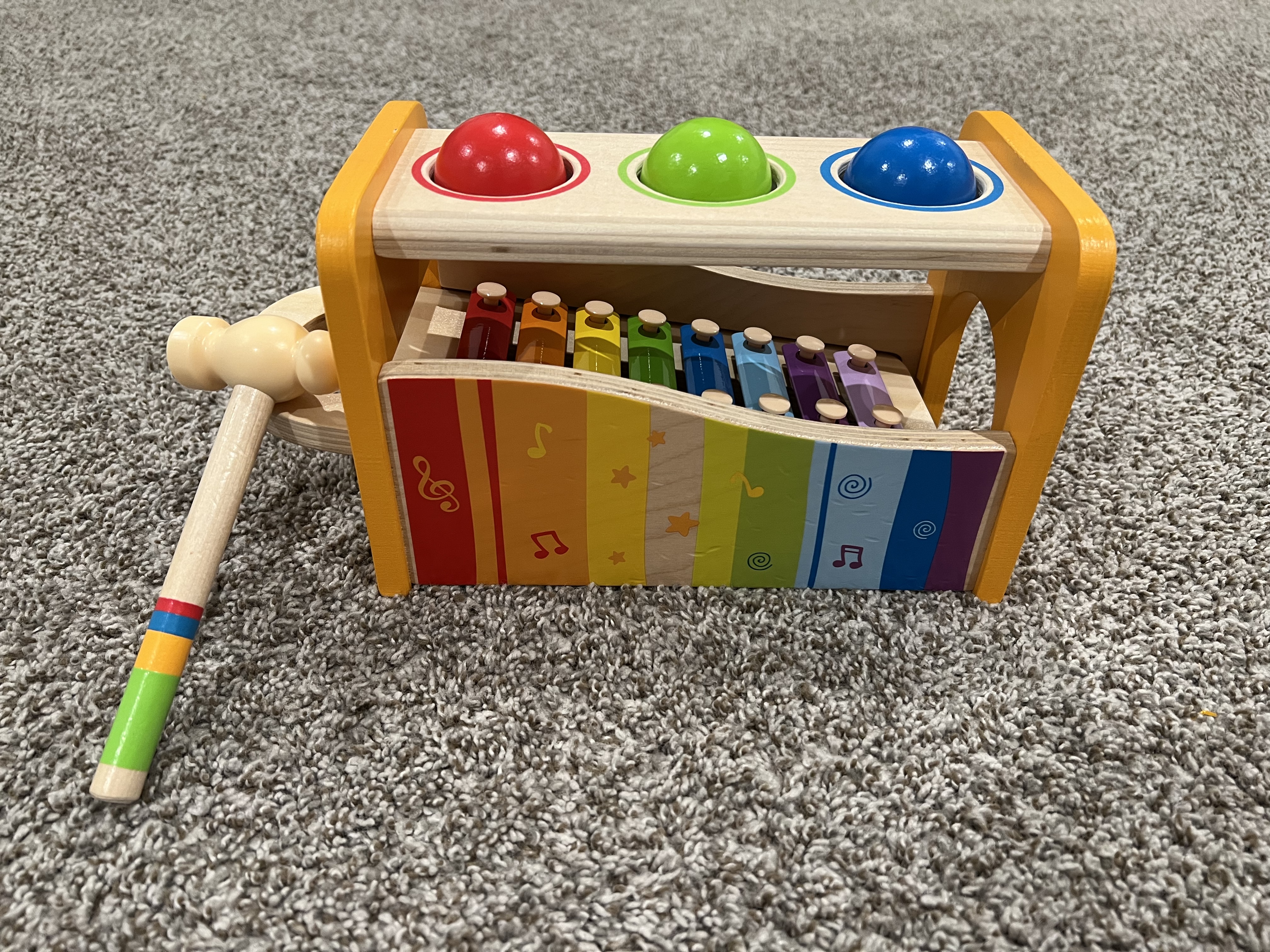
12-36m active pounding; doubles as stool.
Hape Pound & Tap Bench with Xylophone Wooden hammer/pins build engineering/motor skills; xylophone adds math patterns.
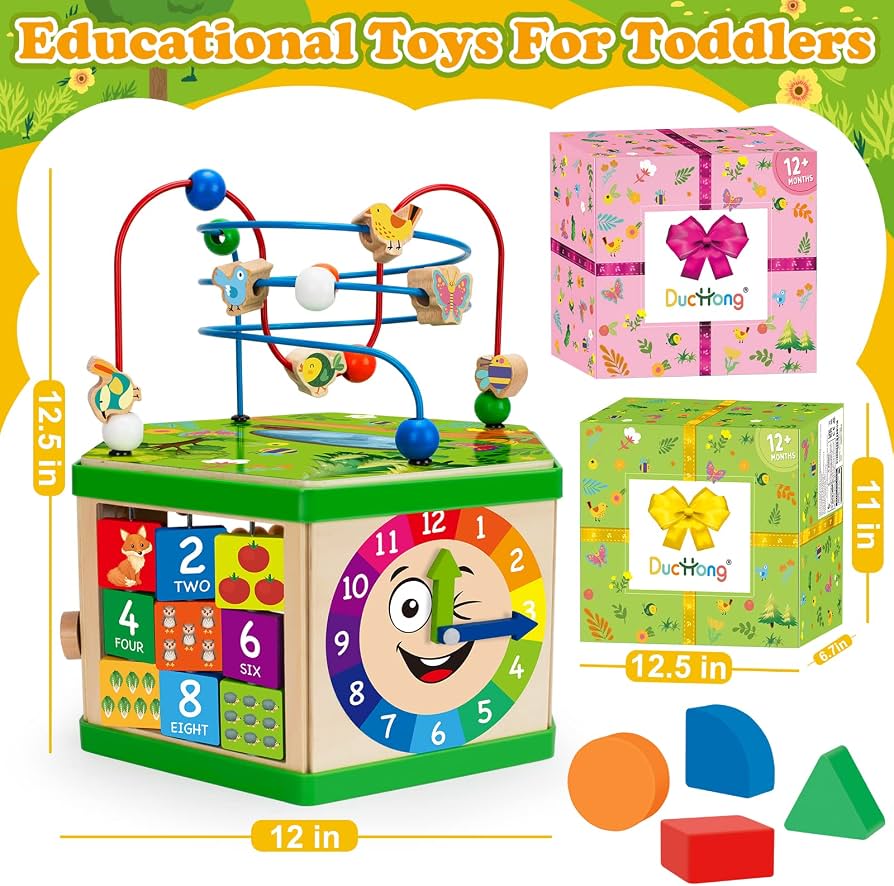
12-36m multi-sided exploration; portable.
TOP BRIGHT 6-in-1 Wooden Activity Cube Beads, gears, sorter on all sides for full STEM spectrum; durable FSC wood.
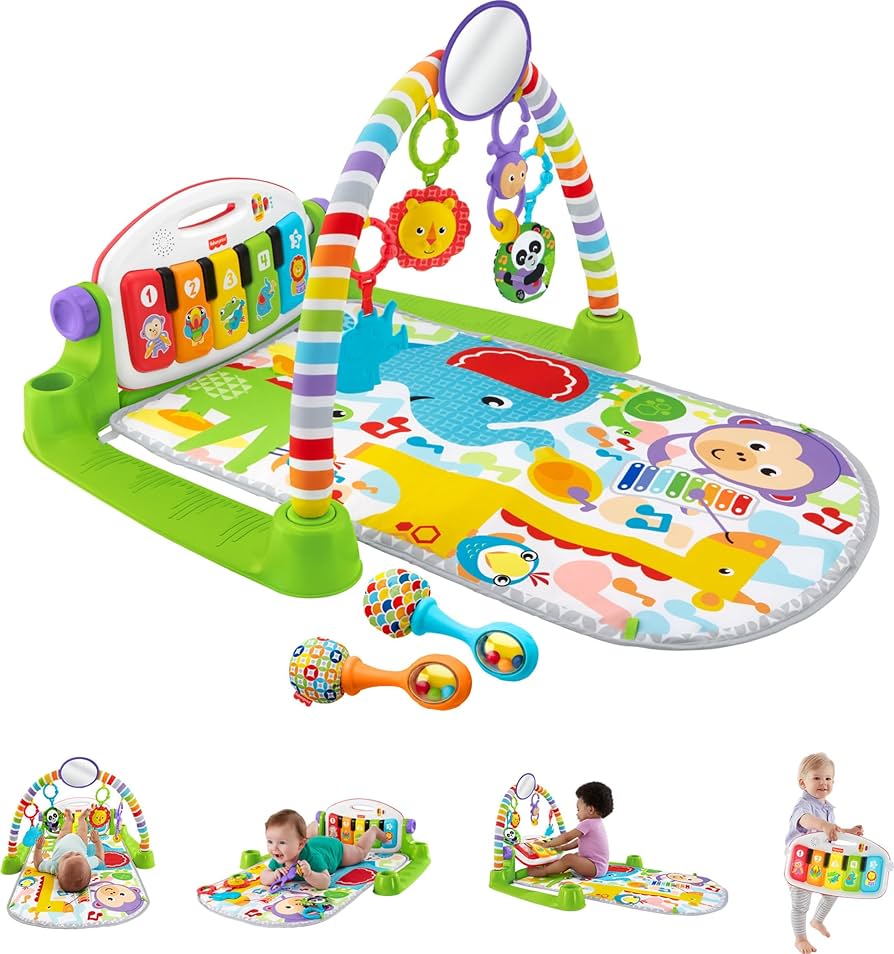
0-12m floor play; folds flat.
Fisher-Price Deluxe Kick & Play Piano Gym Kick-activated lights/sounds for tummy time science/tech intro.
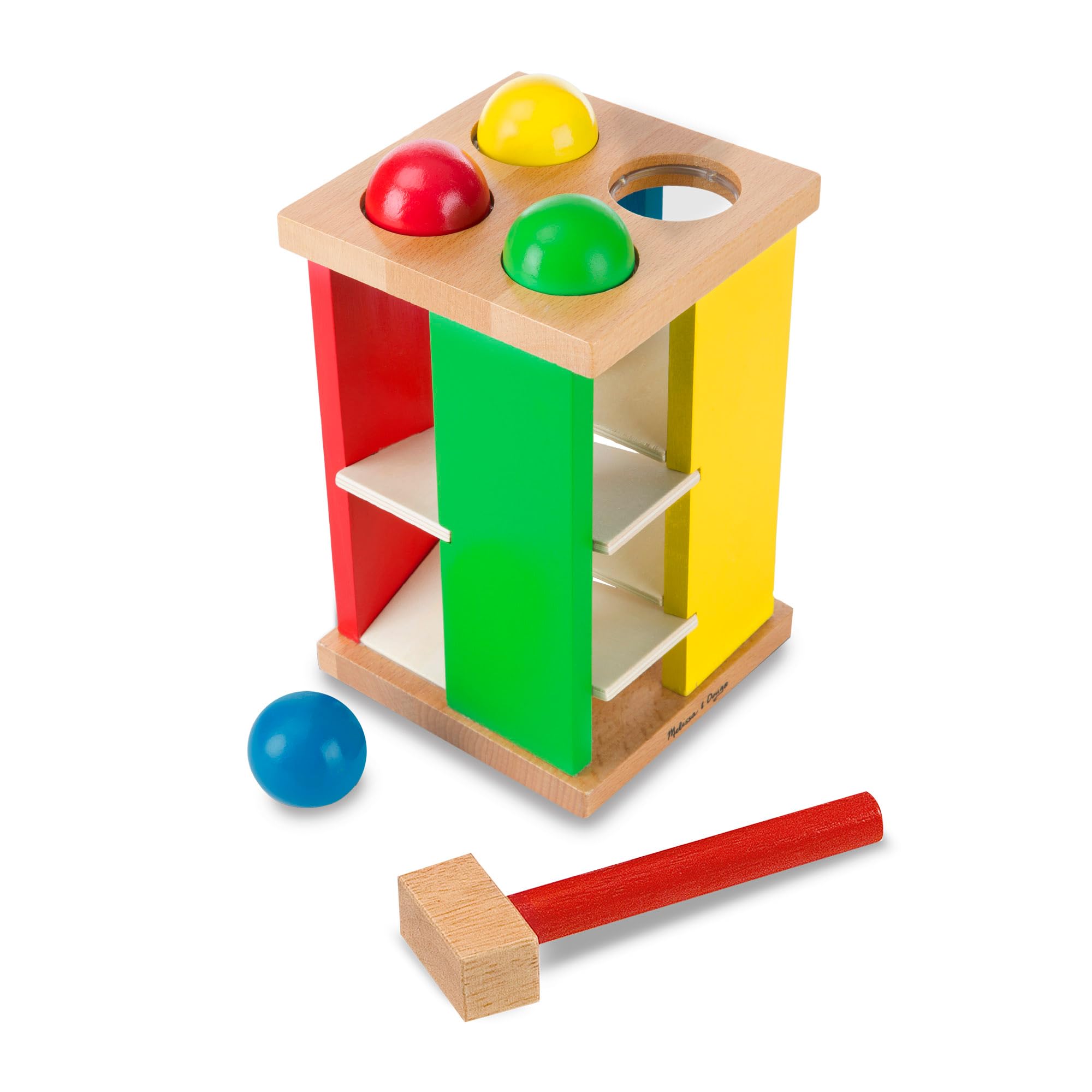
18m+ standing play; classic wooden build.
Melissa & Doug Wooden Pound & Roll Tower Pounding balls teaches gravity/physics (science/engineering).