Fine motor skills are the foundation of your baby's future abilities—like holding a pencil or zipping a jacket. Many parents worry when their little ones struggle with grasping toys or transferring objects, but activity centers can make development playful and effective. These stationary play stations engage infants in targeted activities that strengthen small hand muscles without frustration.
In this guide, you'll discover what fine motor skills are, why activity centers excel at promoting them, key features to seek, and top recommendations. We'll break it down simply, with examples and real-world tips, so even beginners can choose and use them confidently. Expect a quick read (10-15 minutes) with actionable insights—no prior knowledge needed.
By the end, you'll know exactly which activity centers to pick for your infant's age and needs, boosting confidence in their milestones.
▸What You'll Need
- •Safe, flat play space (floor mat recommended)
- •Infant aged 0-12 months (check age ratings)
- •Adult supervision (always required)
- •Basic understanding of baby milestones (optional—we explain here)
Estimated Time: 10-15 minutes to read and understand
Difficulty: beginner
▸Step-by-Step Instructions
Step 1: Understand Fine Motor Skills in Infants
Fine motor skills involve the small muscles in hands, fingers, and wrists. For infants (0-12 months), this means progressing from reflexive grasping at birth to voluntary pincer grasp (thumb and finger) by 9-12 months.
Think of it like building a tiny construction crew: Early activities train muscles for pinching beads; later ones refine precision for stacking blocks. Activity centers shine here by offering repetitive, multi-sensory tasks.
Why it matters: Strong fine motors predict success in self-feeding, dressing, and play—delaying can affect confidence.
💡 Tips:
- •Watch milestones: palmar grasp (3 months), raking grasp (6 months)
Step 2: Why Choose Activity Centers for Development
Activity centers are elevated or floor-based gyms with dangling toys, buttons, and spinners—keeping baby entertained while targeting skills. Unlike loose toys, they encourage reaching, batting, and manipulating in one spot.
Analogy: A baby's personal gym class. Centers promote tummy time, sitting, and standing stages, combining gross and fine motors naturally.
Expect: 15-30 minutes of focused play per session, with visible progress like better grasping in weeks.
⚠️ Warnings:
- •Avoid jumpers if baby can't sit unsupported—risk of strain
Step 3: Spot Key Features for Fine Motor Boost
Look for grasping toys (rattles, rings), spinners, sliders, and textured surfaces. These mimic real-life actions: squeezing builds strength, turning dials hones rotation.
Examples: Bead mazes for tracking/pinching; mirrors for visual motivation; music buttons for cause-effect.
Pro insight: Multi-stage centers (gym to walker) grow with baby, maximizing value.
💡 Tips:
- •Prioritize BPA-free, machine-washable parts
Step 4: Explore Types of Activity Centers
Floor gyms (0-6 months): Lie-down play with arches. Sit-in centers (6+ months): Elevated trays for seated manipulation.
Comparison: Gyms for tummy time grasping; tables for pincer practice. Hybrids like 3-in-1 offer longevity.
Match to stage: Newborns need high-contrast, large grabs; older infants want tiny details.
Step 5: Match Centers to Age and Milestones
0-3 months: Kick-activated pianos for batting. 3-6 months:** Dangling toys for reaching/squeezing. 6-12 months:** Spinners, sorters for pinching/stacking.
Why precise? Age mismatch frustrates—too hard, baby quits; too easy, no challenge.
Track progress: Note if baby transfers toys hand-to-hand (5 months).
💡 Tips:
- •Rotate attachments weekly to renew interest
⚠️ Warnings:
- •Never leave baby unattended—strangulation risk
Step 6: Set Up and Use Effectively
Place on soft mat, adjust height, start with 5-minute sessions. Demonstrate actions first to model.
Daily routine: Tummy time mornings, seated afternoons. Clean weekly.
Expect growth: Improved dexterity in 2-4 weeks with consistency.
Step 7: Monitor and Advance Progress
Observe: Grasping time increases? New skills like clapping?
Advance: Add challenges like smaller toys. Consult pediatrician if delays.
Long-term: These skills transfer to crayons, puzzles.
💡 Tips:
- •Video sessions to share with doctor
▸Pro Tips
- •Supervise all play—safety first
- •Vary sessions: 10 mins 2-3x daily prevents overstimulation
- •Use during fussy times for distraction + development
- •Pair with songs for multi-sensory boost
- •Clean toys with mild soap; air dry
- •Rotate with other toys to avoid boredom
- •Position at eye level for max engagement
▸Common Mistakes to Avoid
- •Choosing wrong age rating—leads to frustration or disinterest; check labels
- •Overlooking safety certifications (ASTM); risk injury; verify JPMA seal
- •Leaving baby alone; potential falls/strangles; always watch
- •Ignoring cleaning—germs spread; wipe daily
- •Expecting instant results; skills build over weeks; be patient
▸Troubleshooting
Problem: Baby ignores center
Solution: Add familiar toy or mirror; shorten sessions; ensure it's at right height
Problem: Irritation from toys
Solution: Check for sharp edges; swap textures; cool teethers if teething
Problem: No skill progress after month
Solution: Vary activities; consult pediatrician for milestone check
Problem: Center tips over
Solution: Use on carpet; check weight limit; stabilize base
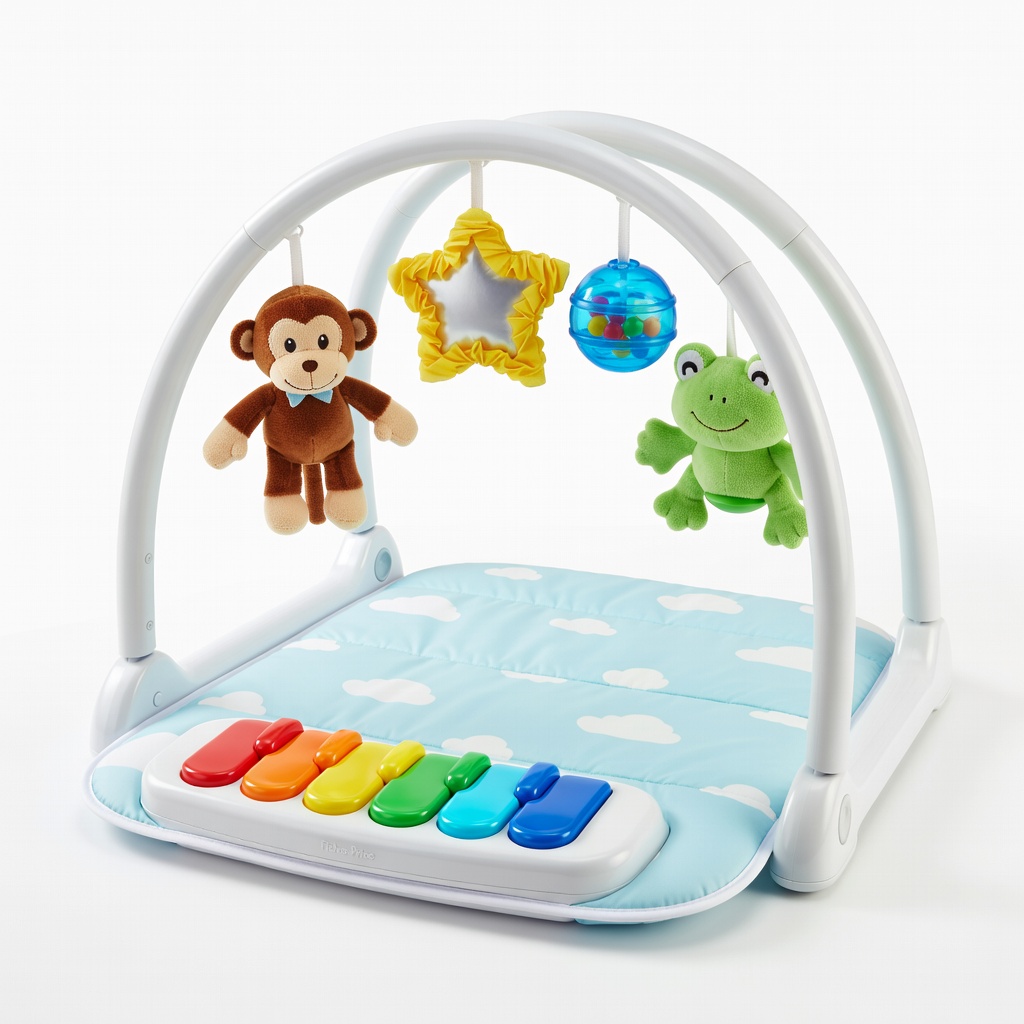
Fisher-Price Deluxe Kick & Play Piano Gym (ASIN: B00IJY8C4S)
Kick piano activates lights/sounds, promoting batting and reaching; flips to propper for tummy time grasping.
Best for: Newborns 0-6 months needing early fine motor intro.
Price Range: $29.99
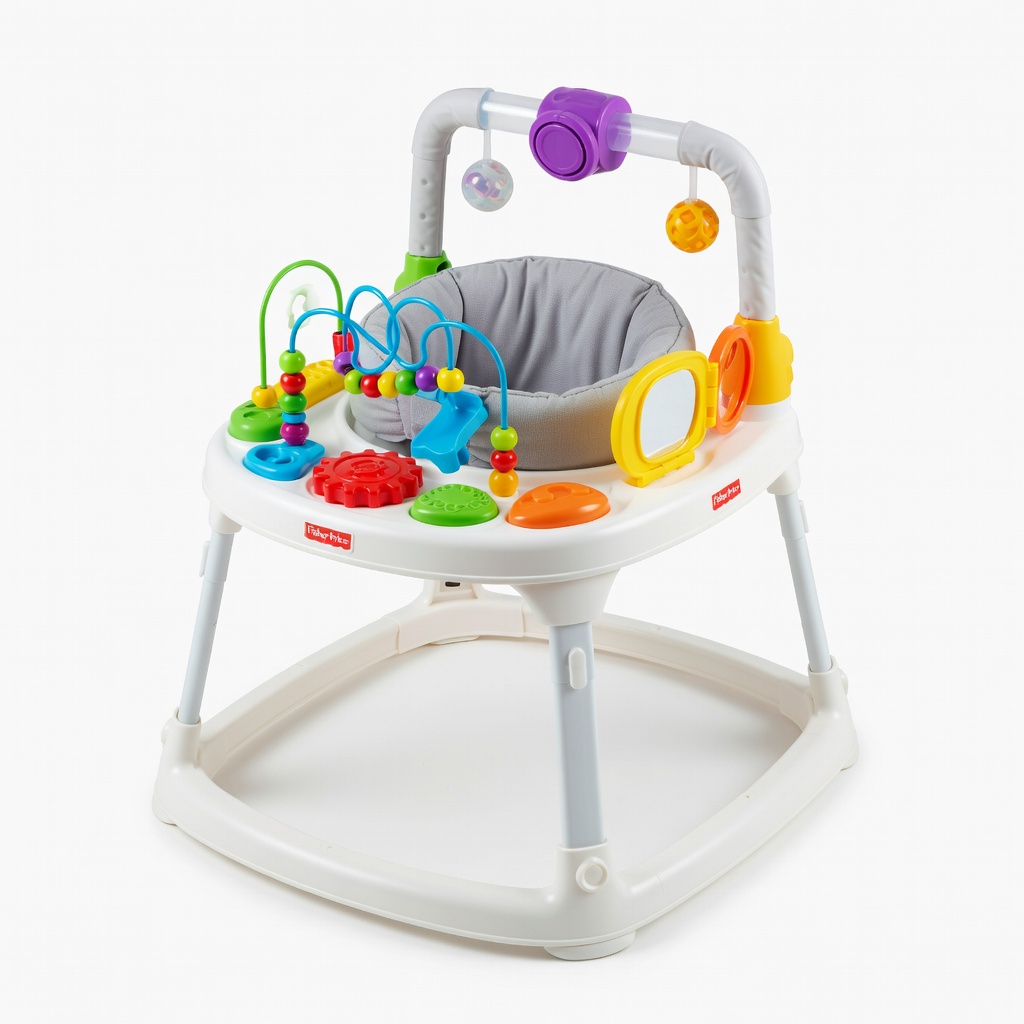
Fisher-Price 3-in-1 Sit-to-Stand Activity Center (ASIN: B07N1G5Z8S)
3 stages with 10+ activities like spinners/beads for pinching/turning; converts to play table.
Best for: 6-12 month olds advancing to seated manipulation.
Price Range: $99.99
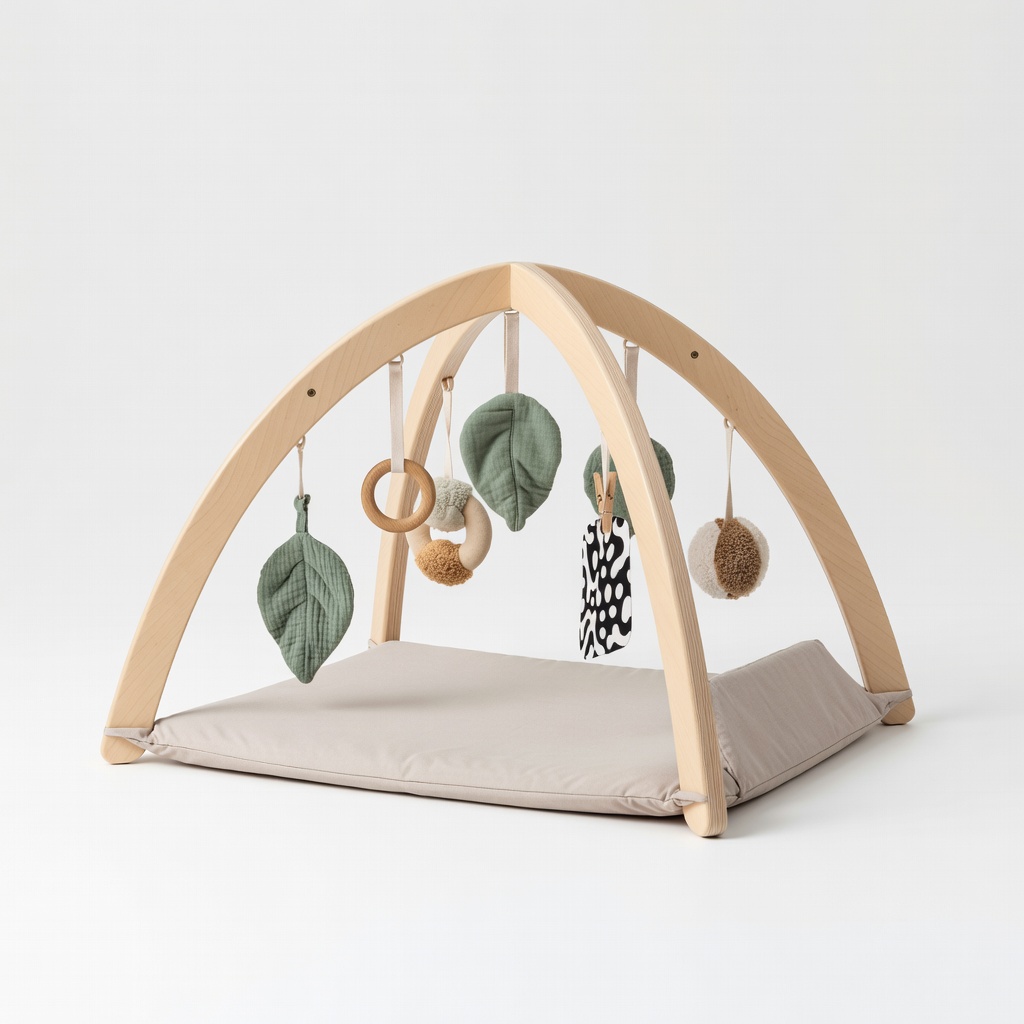
Lovevery The Play Gym (ASIN: B07Z5L4Z3K)
Sustainable, stage-based with high-contrast cards, mirrors, teethers for precise grasping progression.
Best for: Eco-conscious parents for 0-12 months comprehensive development.
Price Range: $140
Skip Hop Explore & More 3-Stage Activity Center (ASIN: B07D7J6Z5Z)
Music, lights, 20+ activities including links/clips for hand strength; grows to walker.
Best for: Budget-friendly multi-stage for active 4-12 month infants.
Price Range: $100-$110
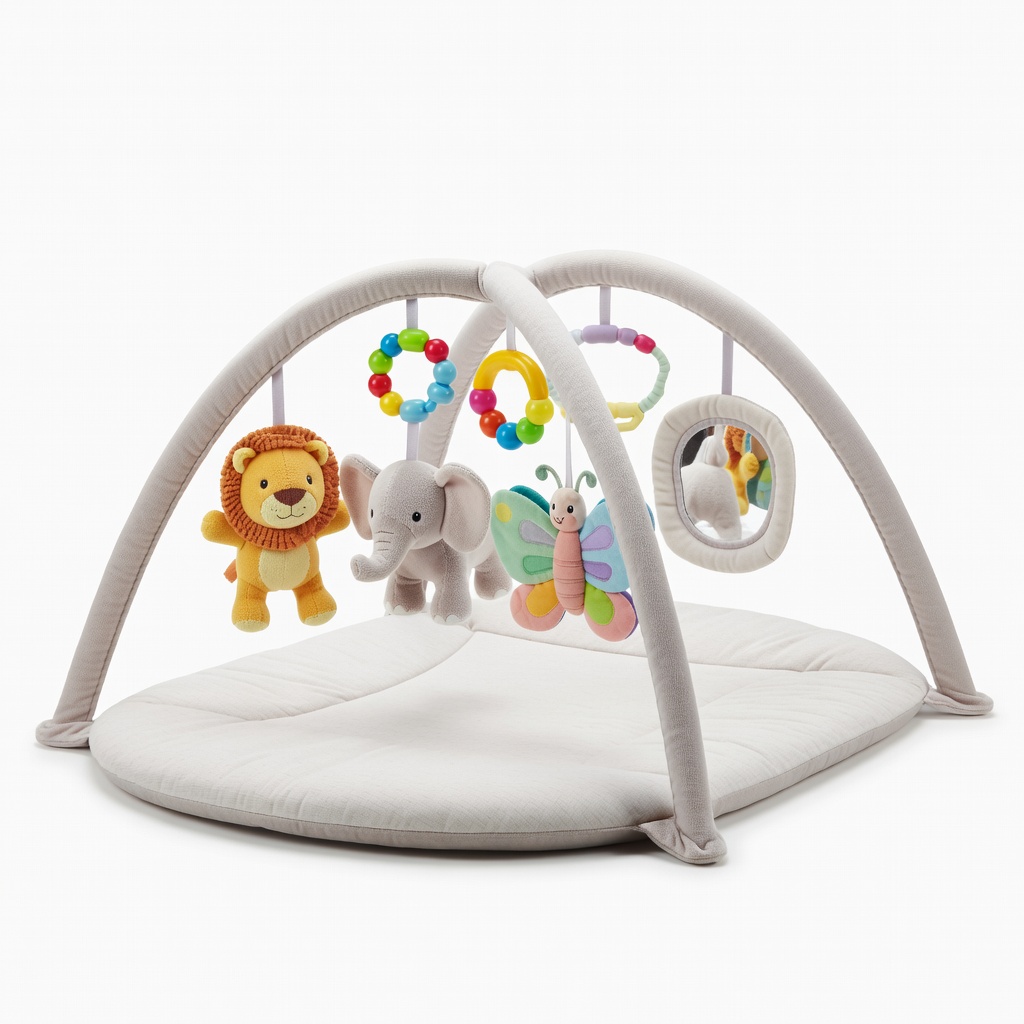
Bright Starts Play Gym with 5 Toys (ASIN: B0B4XJ4Q5R)
Affordable with arches, piano, links for batting/squeezing; detachable for on-the-go.
Best for: Entry-level for 0-6 months on tight budget.
Price Range: $25-$35