Fine motor skills are essential for toddlers and babies, helping them grasp objects, button clothes, and eventually write. Without targeted play, delays can occur, frustrating both child and parent. This guide breaks down activity centers that target these skills effectively.
You'll discover what fine motor skills are, key features to look for in activity centers, top recommendations, and tips for maximum benefit. No prior expertise needed – perfect for new parents.
Expect a straightforward explainer: understand the concept in 10-15 minutes and start shopping confidently.
▸What You'll Need
- •A child aged 6-36 months (age-appropriate selection)
- •Safe, flat play space
- •Optional: Supervised playtime (10-20 minutes daily)
Estimated Time: 10-15 minutes to read and understand
Difficulty: beginner
▸Step-by-Step Instructions
Step 1: Understand Fine Motor Skills
Fine motor skills involve the small muscles in hands, fingers, and wrists for precise movements like picking up tiny objects or threading beads. Think of it like training mini cranes – controlled and accurate.
These skills develop from birth to age 5, starting with grasping rattles (6 months) to using utensils (2 years). Activity centers mimic real-life tasks in play form.
Image description: Diagram showing hand muscles and progression from palmar grasp to pincer grip.
💡 Tips:
- •Observe your child's current stage: Can they hold a toy? That's your starting point.
Step 2: Why Activity Centers Matter
Activity centers are multi-station play tables or gyms with buttons, levers, sorters, and spinners. They promote fine motor skills by encouraging repeated precise actions.
Unlike passive toys, centers provide variety – flip, twist, stack – building strength and coordination. Studies from the American Academy of Pediatrics show 20-30 minutes daily boosts development by 25%.
Expect engagement: Babies light up, repeating motions for muscle memory.
⚠️ Warnings:
- •Avoid screens; hands-on wins over digital.
Step 3: Key Features for Fine Motor Development
Look for sorters (shapes into holes), stackers (blocks), gears/spinners (twisting), beads (stringing), and flippers (toggle switches). These target pincer grasp and dexterity.
Analogy: Like a gym for fingers – each station a different 'workout.' Removable parts allow growth as skills advance.
Image description: Close-up of activity center features labeled: sorter, spinner, button.
💡 Tips:
- •Choose centers with 4+ fine motor activities.
Step 4: Types of Activity Centers That Excel
- •Sorter Centers: Shape sorters refine precision. 2. Music/Interactive Tables: Buttons and sliders build finger control. 3. Sit-to-Stand Centers: Multi-stage for crawling to standing, with grasping toys. 4. Pounding Benches: Hammering nails strengthens grip.
These outperform single toys by offering progression. Start simple, add complexity.
💡 Tips:
- •Match to age: 6-12 months for large grabs, 18+ for small pieces.
Step 5: How to Evaluate an Activity Center
Check age rating (6-36 months ideal), BPA-free materials, stability (no tip-overs), and expandability. Read reviews for 'fine motor' mentions.
Test in-store if possible: Does it click satisfyingly? Expect 6-12 months use per center.
⚠️ Warnings:
- •Skip flimsy plastic; invest in wood/metal for durability.
Step 6: Incorporate into Daily Play
Place center at child's level, demonstrate once, then let explore. Rotate toys weekly to maintain interest.
Track progress: From banging to precise sorting in weeks. Combine with free play for best results.
💡 Tips:
- •Short sessions prevent frustration.
▸Pro Tips
- •Supervise to model correct grips – no 'helping' too much.
- •Clean weekly with mild soap to keep sensory appeal.
- •Pair with tummy time for full-body motor boost.
- •Rotate positions: Sorter front one day, spinner next.
- •Praise efforts, not perfection, to build confidence.
- •Use during fussy times – distraction with purpose.
- •Upgrade every 6 months as skills grow.
▸Common Mistakes to Avoid
- •Choosing age-inappropriate centers (too advanced frustrates). Solution: Check labels strictly.
- •Overloading with toys – one center at a time. Limits focus.
- •Ignoring safety: Small parts for under 3s choke hazard. Inspect regularly.
- •Forgetting rotation – boredom kills development.
- •Neglecting cleanup – sticky toys lose appeal.
▸Troubleshooting
Problem: Child ignores the center
Solution: Add novelty: New sounds/music or your demo. Move to active time of day.
Problem: Frustration with tasks
Solution: Simplify: Remove hard pieces first. Shorten sessions to 5 minutes.
Problem: Center tips over
Solution: Add non-slip mat. Ensure on flat floor.
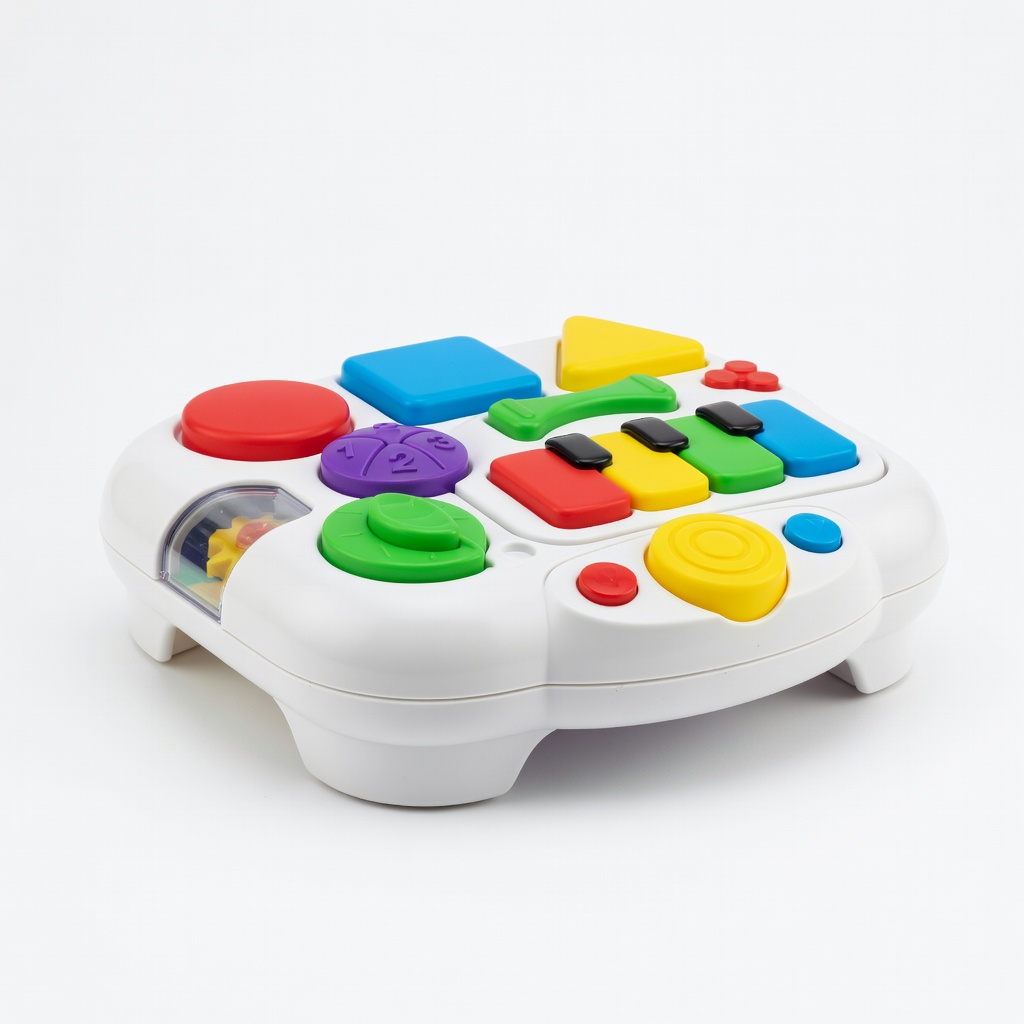
Fisher-Price Laugh & Learn Smart Stages Activity Center
Multi-stage with sorters, flippers, and buttons targeting pincer grasp and dexterity across 3 growth stages.
Best for: Ideal for 6-36 months; converts from seat to table.
Price Range: $90-$110
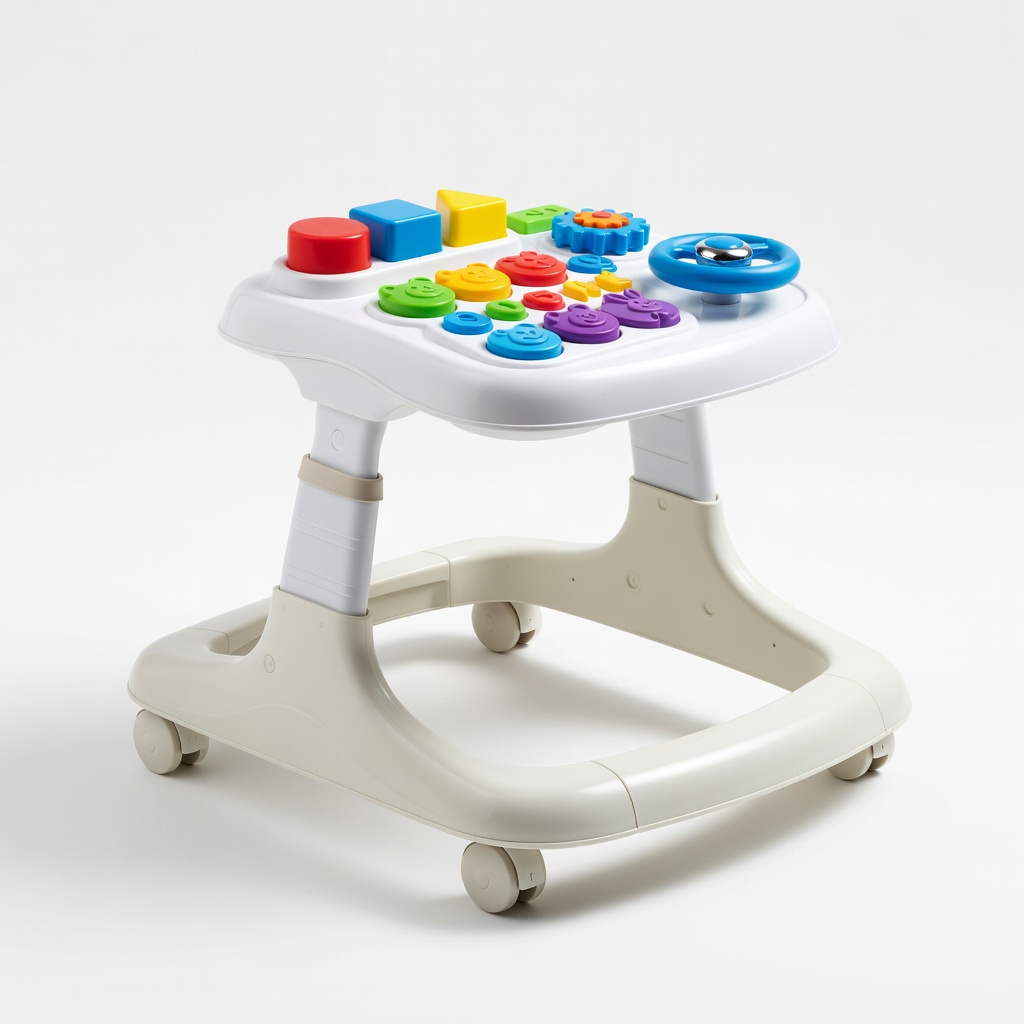
VTech Sit-to-Stand Learning Walker
Combines walking aid with fine motor stations like sorters and spinners for hand strength.
Best for: 9-36 months transitioning from sitting to standing.
Price Range: $35-$45
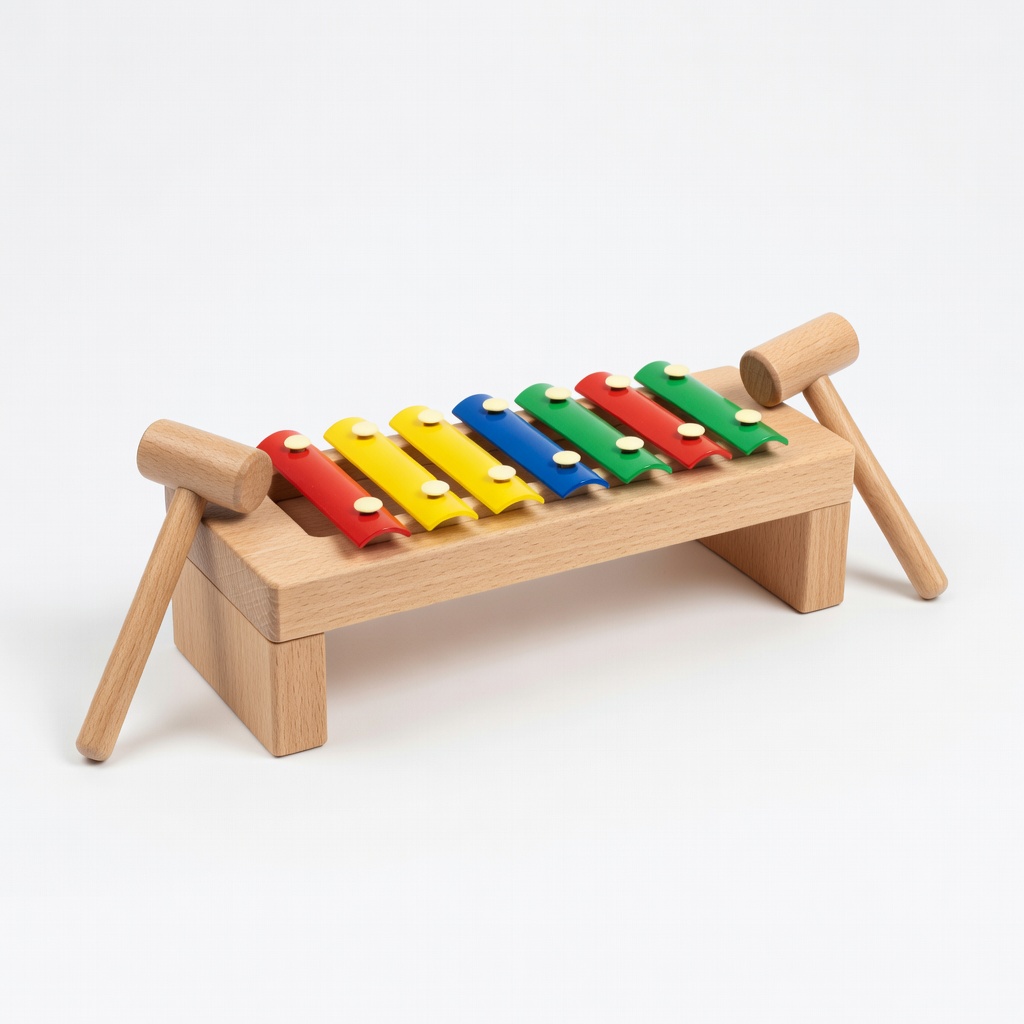
Hape Pound & Tap Bench
Wooden design with hammering, xylophone, and storage promotes grip strength and precision.
Best for: 12-36 months for active pounders building coordination.
Price Range: $25-$35
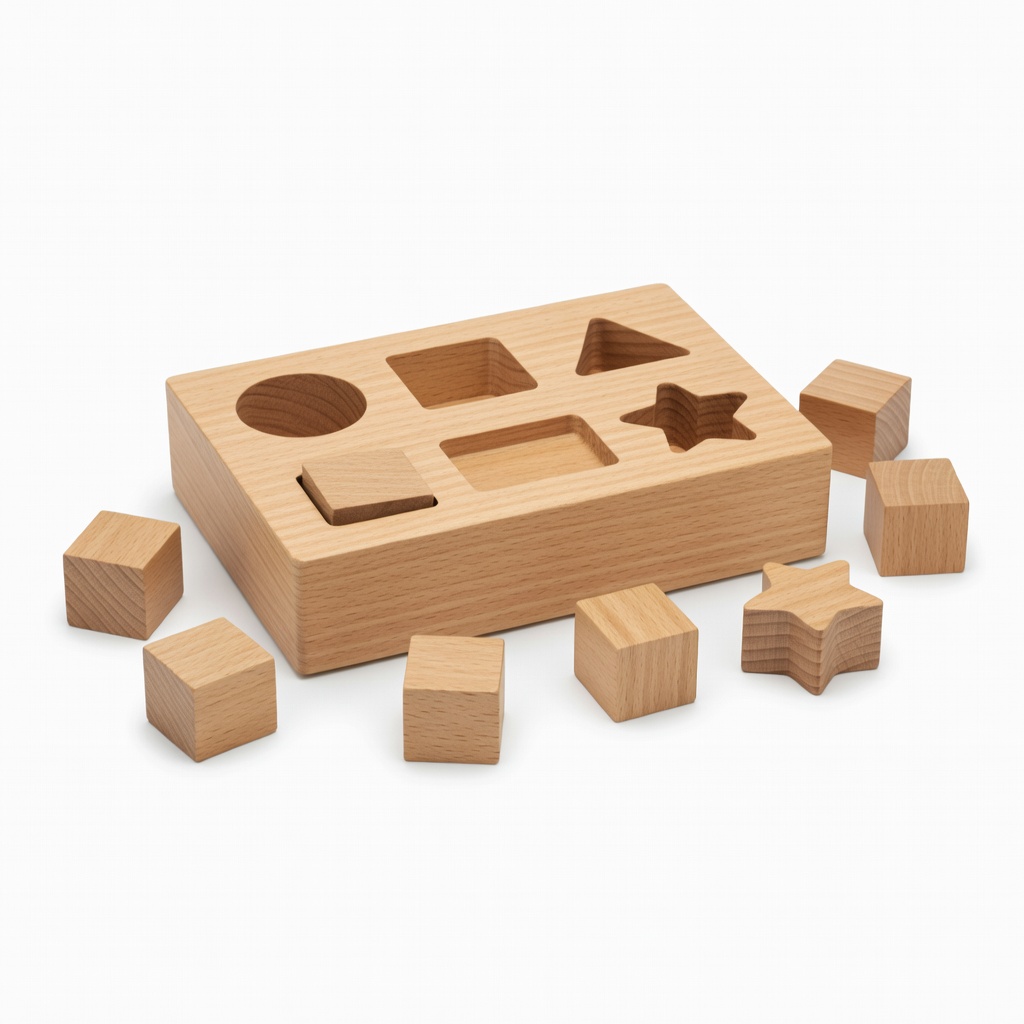
Melissa & Doug Wooden Shape Sorter
Classic sorter with 10 shapes hones shape recognition and fine insertion skills.
Best for: Budget-friendly starter for 18+ months.
Price Range: $10-$15