Keeping toddlers entertained and safe during playtime can feel like a full-time job for parents. With endless options on the market, choosing the right activity center—one that captivates curious minds without risking injury—is crucial. Poorly designed centers can tip over, have choking hazards, or fail to hold attention, leading to frustration.
This beginner-friendly guide breaks down what makes an activity center safe and engaging. You'll learn key features to look for, how to evaluate options step-by-step, and real product recommendations. By the end, you'll confidently select a center that supports your toddler's growth. Expect a 15-minute read with practical advice—no prior expertise needed.
We'll cover everything from safety certifications to developmental benefits, helping you avoid common pitfalls.
▸What You'll Need
- •Your toddler's age and weight
- •Measurements of available play space (at least 4x4 feet)
- •Budget range ($30-$200)
- •Smartphone or computer for checking reviews and recalls
- •Optional: Tape measure for setup verification
Estimated Time: 15-20 minutes
Difficulty: beginner
▸Step-by-Step Instructions
Step 1: Understand What Activity Centers Are
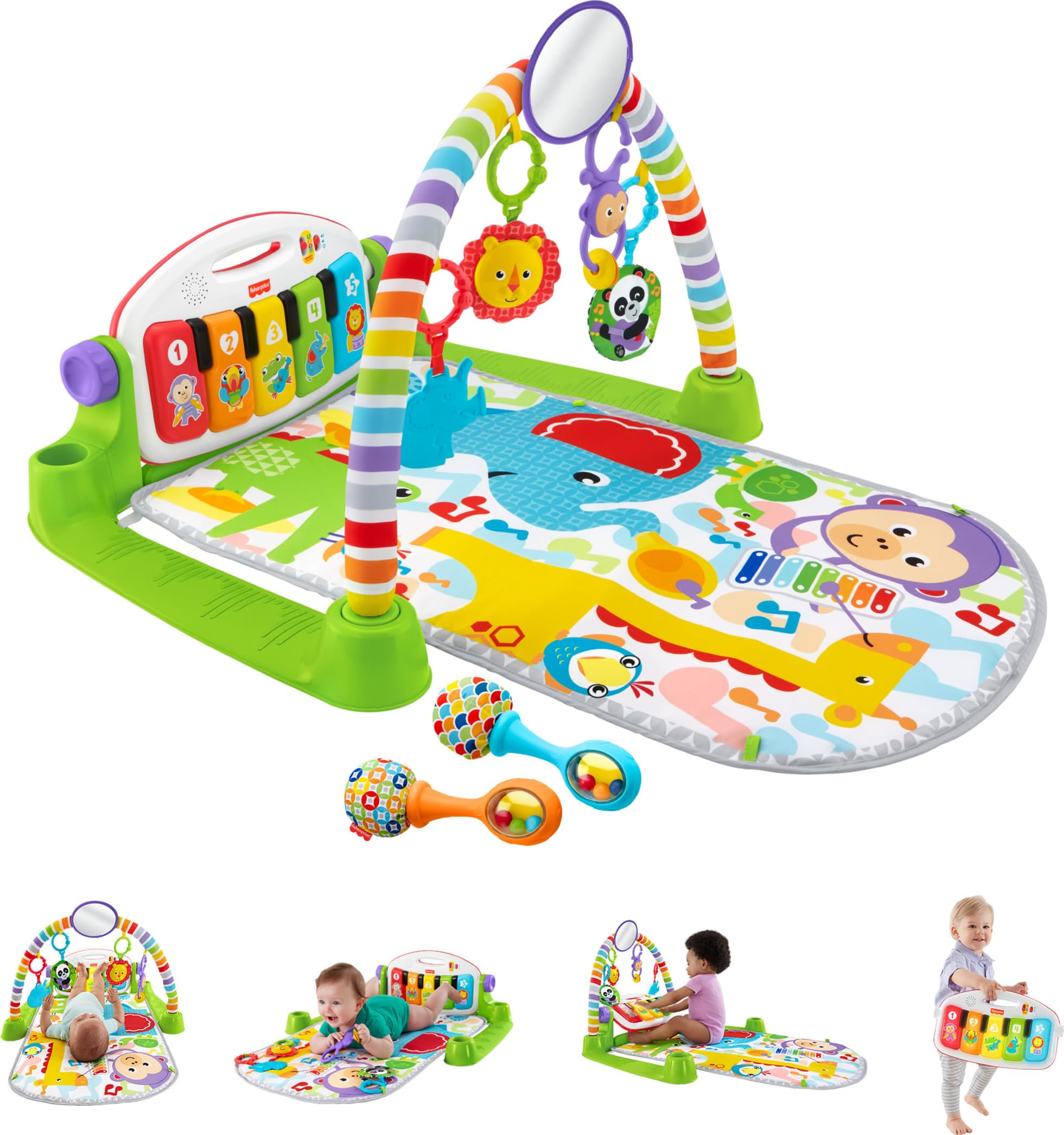
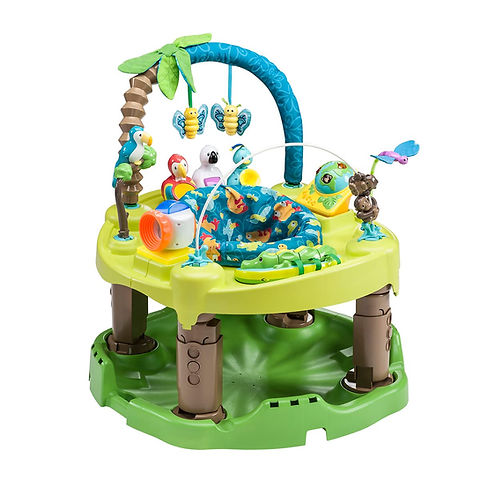
Activity centers are stationary play stations designed for toddlers (typically 3-12 months, up to 18 months in some models) to explore while contained. They come in types like play gyms (floor mats with arches and toys), exersaucers (seated bouncers with 360-degree toys), and jumpers (doorway or freestanding with elastic harnesses).
These centers promote independent play, freeing parents briefly while aiding motor skills, senses, and cognition. Why it matters: The right one prevents wandering into hazards. Expect soft fabrics, removable toys, and music/lights for engagement.
Example: A play gym lies flat for tummy time, evolving into a propped-up station.
💡 Tips:
- •Start with floor gyms for newborns; upgrade to seated as they sit up.
Step 2: Prioritize Safety Certifications
Look for JPMA (Juvenile Products Manufacturers Association) certification, ASTM F977 standards for jumpers, and CPSC compliance. These ensure the center withstands rigorous testing for stability, flammability, and chemical safety.
Why it matters: Certified centers reduce risks like collapse or toxic materials. Check labels or manufacturer sites. Avoid unbranded imports lacking these.
Expect icons on packaging; verify via jpma.org.
⚠️ Warnings:
- •Never buy without certifications—recalls are common for uncertified products.
Step 3: Check Stability and Weight Limits
Choose wide-based designs with non-slip feet and weight limits matching your toddler (e.g., 25-30 lbs max). Test for wobble-free setup.
Why it matters: Narrow bases tip easily during energetic play. Expect adjustable heights in multi-stage centers.
Analogy: Like a sturdy table vs. a wobbly stool—stability prevents falls.
💡 Tips:
- •Place on level, carpeted floors for extra grip.
Step 4: Identify Engaging Features
Seek lights, music, textures, spinners, and mirrors to stimulate senses. Removable, washable toys rotate to combat boredom.
Why it matters: Engagement means longer safe play (20-30 mins). Developmental perks: Fine motor (grasping), gross motor (bouncing), cause-effect learning.
Examples: Piano keys for sounds, bead chasers for tracking.
Step 5: Evaluate Materials and Cleanliness
Opt for BPA-free plastic, phthalate-free fabrics, and machine-washable parts. No small detachable pieces (choking hazard under 3 years).
Why it matters: Easy cleaning prevents bacteria; safe materials avoid health risks. Expect antimicrobial fabrics in premium models.
💡 Tips:
- •Wipe daily with mild soap; air-dry toys.
⚠️ Warnings:
- •Avoid centers with painted wood that chips.
Step 6: Match to Age and Development Stage
Newborn-6 months: Tummy-time gyms. 6-12 months: Seated centers. 12+ months: Converters to tables.
Why it matters: Age mismatch causes frustration or unsafe postures. Consult growth charts; limit use to 20 mins/session.
Step 7: Research Reviews and Setup Safely
Read Amazon/Walmart reviews for real-parent feedback on durability. Check CPSC.gov for recalls. Assemble per instructions; supervise always.
Why it matters: Reviews reveal hidden issues. Secure in open space, away from cords/stairs.
Pro tip: Video unboxing for warranty claims.
💡 Tips:
- •Join parenting forums like Reddit's r/NewParents for user photos.
▸Pro Tips
- •Rotate toys weekly to maintain interest.
- •Use during peak alertness (post-nap) for max engagement.
- •Add familiar items like a lovey for comfort.
- •Combine with floor time to build strength.
- •Track usage time to avoid over-reliance.
- •Photograph setup for repositioning tips.
- •Pair with white noise if sounds overwhelm.
▸Common Mistakes to Avoid
- •Ignoring weight limits, leading to collapse—always weigh baby first.
- •Skipping supervision, missing harness issues—stay within arm's reach.
- •Buying oversized for space—measure room to avoid clutter.
- •Overlooking recalls—check CPSC monthly.
- •Choosing flashy but non-developmental toys—prioritize skills over bling.
▸Troubleshooting
Problem: Toddler gets bored quickly
Solution: Swap toys or add crinkly scarves; limit sessions to 15 mins.
Problem: Center tips or slides
Solution: Add non-slip mats underneath; ensure level floor and tight assembly.
Problem: Irritation from materials
Solution: Wash all fabrics first; check for allergies and switch if needed.
Problem: Noisy or overwhelming
Solution: Remove batteries temporarily; start with one feature.
Fisher-Price Deluxe Kick & Play Piano Gym
Versatile 5-stage gym with music, lights, and tummy-time pillow; JPMA certified, converts to toddler table for long-term use.
Best for: Ideal for newborns to 1-year-olds in small spaces needing floor play.
Price Range: $35-$45
Evenflo ExerSaucer Triple Fun 2.0 Activity Center
360-degree seat with 20+ activities, electronic tray, grows to walker/play table; stable base, easy-clean fabrics.
Best for: Active 6-12 month olds who love bouncing and spinning.
Price Range: $140-$160
Bright Starts Disney Baby Mickey Mouse Spin & Discover Activity Center
Fun themed toys, height-adjustable seat, music station; BPA-free, machine-washable seat pad for hygiene.
Best for: Toddlers 6+ months who enjoy characters and sensory play.
Price Range: $80-$100
Baby Einstein 4-in-1 Kickin' Tunes Activity Center
Musical piano with lights/languages, folds flat for storage; safe for tummy time and sitting.
Best for: Music-loving babies 0-9 months needing portable engagement.
Price Range: $25-$35