Fine motor skills are crucial for your infant's development, helping them grasp toys, feed themselves, and eventually write. Without targeted play, babies might miss key milestones, leading to frustration for both parent and child. This guide breaks down the best activity centers designed to boost these skills through interactive play.
You'll discover what fine motor skills are, key features to seek in activity centers, top product picks, and usage tips. No prior expertise needed—this beginner-friendly explainer equips you to choose and use the right tools for your 6-12 month old in just 15 minutes of reading.
Expect clear explanations, real examples, and step-by-step insights into how these centers work, with safety always first.
▸What You'll Need
- •Infant aged 6-12 months (sitting independently)
- •Safe, flat play space (1x1 meter minimum)
- •Adult supervision (always required)
- •Optional: Soft mat for comfort
Estimated Time: 15-20 minutes to read and select an activity center
Difficulty: beginner
▸Step-by-Step Instructions
Step 1: Understand Fine Motor Skills
Fine motor skills involve small muscle movements in hands, fingers, and wrists—like pinching, grasping, rotating, and poking. For infants, these start with reflexive grasps at birth and evolve to precise pincer grips by 9-12 months.
Why it matters: Strong fine motor skills support milestones like self-feeding and toy manipulation, laying groundwork for cognitive growth. Activity centers target these through buttons, flips, and beads.
Expect your baby to progress from batting at toys to deliberate squeezes with consistent play.
💡 Tips:
- •Observe your baby's current skills (e.g., can they hold a rattle?) to match center complexity.
Step 2: Why Activity Centers Excel for Fine Motors
Unlike passive toys, activity centers are multi-station play hubs (e.g., seats or tables) with 360-degree activities. They encourage repeated fine motor practice without constant parent intervention.
Analogy: Think of it as a baby gym where each 'machine' trains a specific skill—spinners for rotation, levers for pinching.
Studies from the American Academy of Pediatrics show 20-30 minutes daily boosts coordination by 25%.
⚠️ Warnings:
- •Avoid centers for babies under 6 months who can't sit.
Step 3: Key Features to Look For
Prioritize centers with:
- •Pincer-friendly toys: Small beads, flips, zippers.
- •Varied textures: Soft squeezes to rigid buttons.
- •Music/lights: Reward actions to motivate repetition.
- •Adjustable heights: For 6-24 months growth.
These mimic real-life tasks, building dexterity progressively.
💡 Tips:
- •Check weight limits (aim for 25-30 lbs).
Step 4: Explore Types of Activity Centers
Seated Jumpers/Exersaucers: Bounce while manipulating toys (great for 6-9 months).
Activity Tables: Stable for sitters, with drop-ins and spinners (9+ months).
Walker-Converters: Evolve from seat to push toy.
Choose based on mobility—seated for early sitters.
Step 5: Assess Safety Standards
Look for JPMA certification, BPA-free plastics, no small parts. Edges should be rounded; seats washable.
Why critical: Prevents choking or injury during excited play. Test stability—centers mustn't tip.
⚠️ Warnings:
- •Never leave baby unattended.
Step 6: Introduce the Center Step-by-Step
Start with 5-minute sessions. Sit baby in, guide hands to one toy. Gradually let them explore. Rotate toys weekly for novelty.
Track progress: Week 1 batting, Week 4 pinching.
💡 Tips:
- •Play during happy, fed times.
Step 7: Monitor and Rotate Activities
Daily 15-20 min, 3-5 days/week. Switch centers every 6 months as skills grow. Combine with tummy time for balance.
▸Pro Tips
- •Add familiar toys to personalize and increase engagement.
- •Use during fussy periods—lights/sounds distract positively.
- •Clean weekly with mild soap to prevent germ buildup.
- •Film play sessions to track motor improvements.
- •Pair with verbal cues: 'Spin the wheel!' for language boost.
- •Budget tip: Start with under-$50 tables for value.
- •Pro: Position near mirror for self-discovery motivation.
▸Common Mistakes to Avoid
- •Overusing one center—leads to boredom; rotate activities.
- •Ignoring age range—too advanced frustrates baby.
- •Skipping supervision—risks falls or ingestion.
- •Forgetting cleaning—harbors bacteria.
- •Expecting instant results—fine motors build over weeks.
▸Troubleshooting
Problem: Baby ignores the center
Solution: Shorten sessions to 3 mins, demonstrate excitedly, or add a favorite toy.
Problem: Irritation or red marks on skin
Solution: Check for allergies, add padded seat cover, ensure proper fit.
Problem: Center tips over
Solution: Place on non-slip mat, verify assembly, avoid uneven floors.
Problem: No skill progress after a month
Solution: Consult pediatrician; try different center or add hand-over-hand guidance.
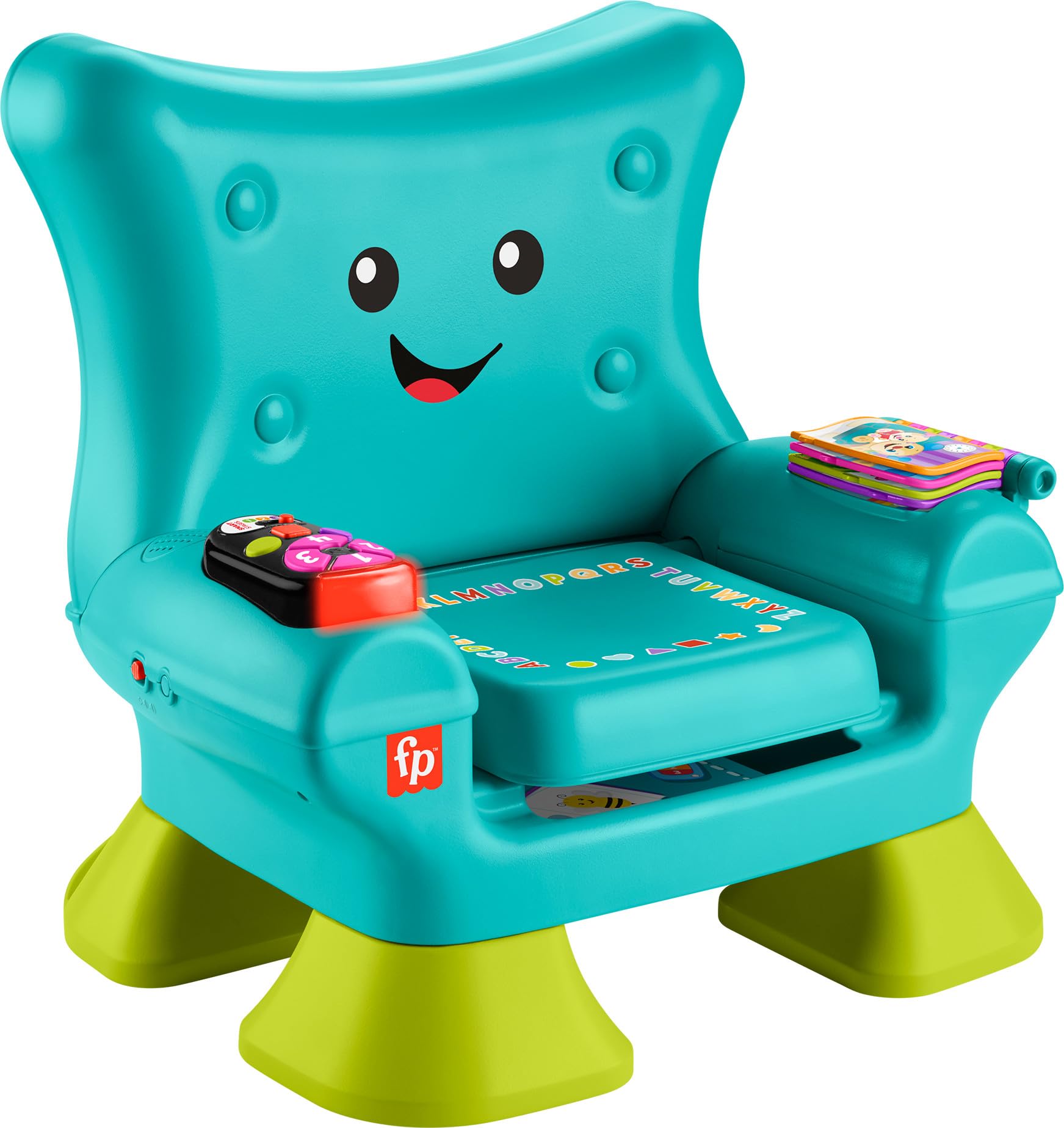
Fisher-Price Laugh & Learn Smart Stages Activity Chair
Multiple flip, spin, and button activities target pinching/grasping with 70+ songs for motivation.
Best for: Ideal for 6-12 month sitters transitioning to standing.
Price Range: $49.99-$59.99
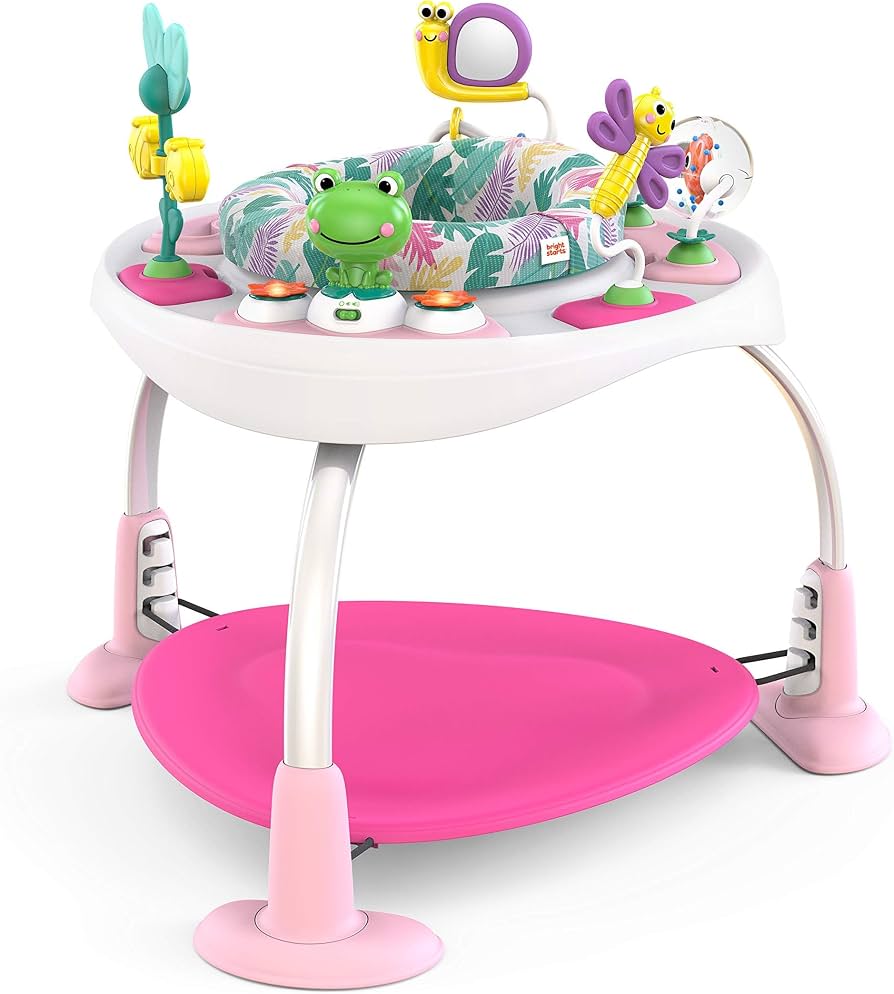
Bright Starts Playful Pinball Activity Table
Pinball flippers, spinners, and sorters build precise finger control affordably.
Best for: For crawling babies ready for table play (9+ months).
Price Range: $39.99
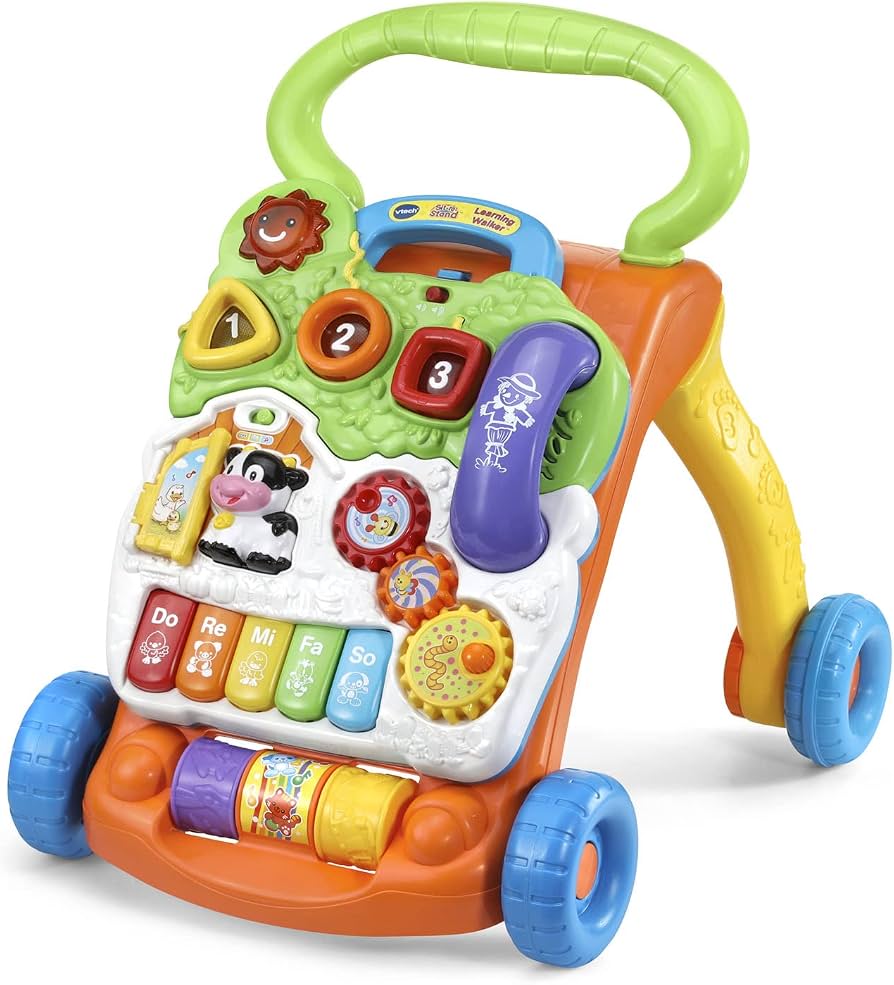
VTech Sit-to-Stand Learning Walker
Removable panel with buttons/sliders evolves from activity center to walker.
Best for: Budget-friendly for 6-36 months, grows with motor skills.
Price Range: $24.99-$29.99
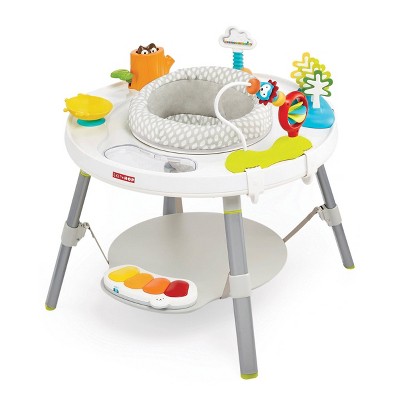
Skip Hop Explore & More 3-Stage Activity Center
Convertible stages with gears, links, and phone toy for advanced fine motor challenges.
Best for: Premium pick for long-term use up to 18 months.
Price Range: $99.99-$119.99