
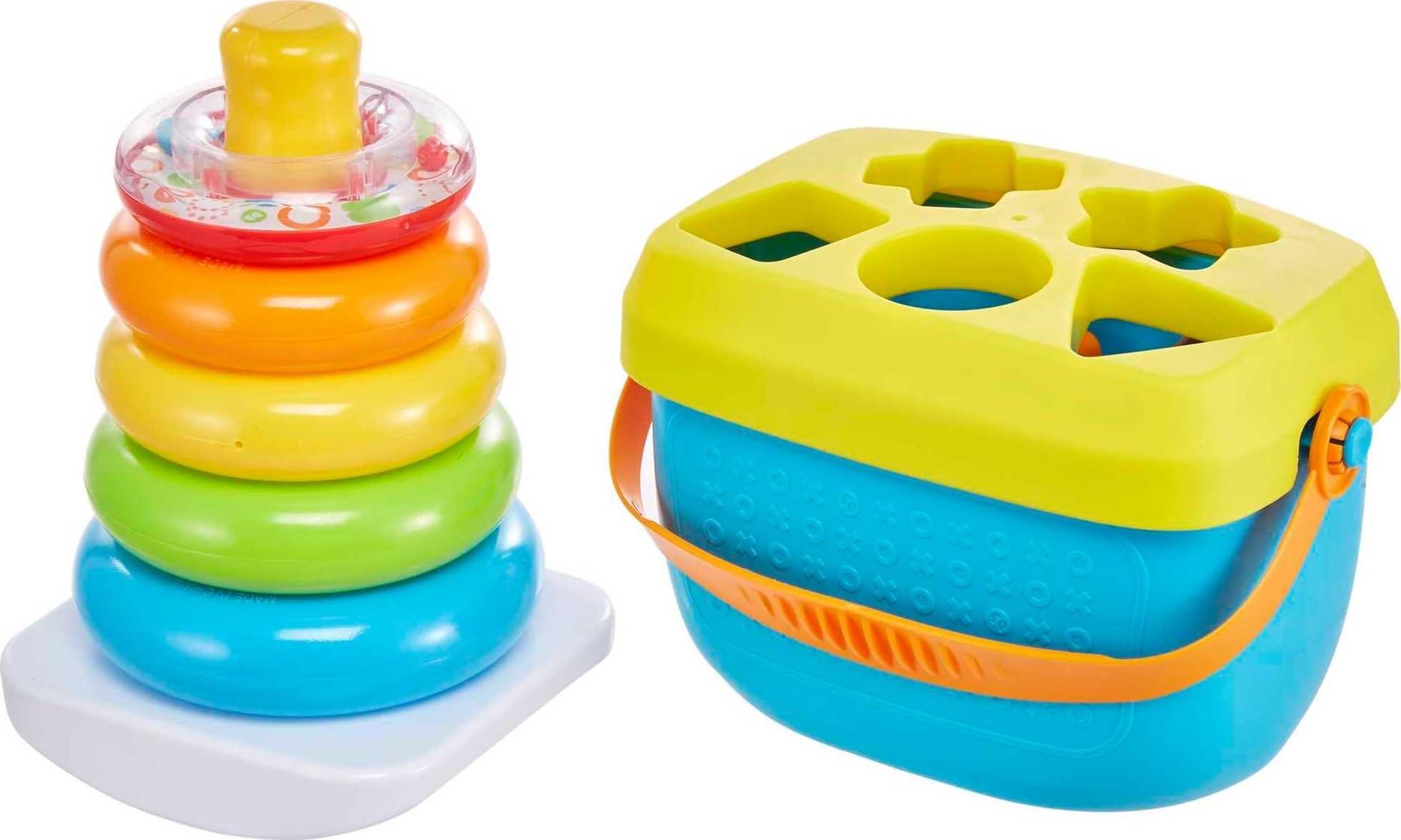
Fisher-Price Stacking & Nesting Toys Rock-a-Stack
Daily stacking sessions for beginners.
$9.99
Fisher-Price Stacking & Nesting Toys Rock-a-Stack Classic stacking rings with varied sizes perfect for building hand-eye precision and grasp.
Get the App
Better experience on mobile
Discover 8 fun, easy at-home activities to sharpen your toddler's motor skills and coordination in just 15-30 minutes a day.
Hand-eye coordination is crucial for toddlers (ages 1-3) as it helps them master everyday tasks like eating, dressing, and playing independently. Poor coordination can lead to frustration during playtime or mealtime, but the good news is you can improve it with simple, engaging activities. This guide breaks down why it matters and shares proven games that build these skills naturally.
You'll learn 8 beginner-friendly activities, from stacking to tossing, with step-by-step instructions, tips, and product picks. No fancy equipment needed—most use household items. Expect noticeable improvements in grasping, aiming, and precision after consistent play (a few weeks of daily 15-30 minute sessions). Perfect for busy parents!
These activities follow child development experts' recommendations from sources like the American Academy of Pediatrics, focusing on age-appropriate fun to avoid overwhelm.
Estimated Time: 15-30 minutes per activity, 20-30 minutes daily for best results Difficulty: beginner
Start with the basics: stacking builds precision and balance as toddlers align objects by sight and hand.
Sit with your toddler on the floor. Demonstrate stacking 2-3 cups or blocks, then encourage them to copy. Use colorful, lightweight items for appeal. Why it works: It trains visual tracking and fine motor control, key for hand-eye sync.
Expect wobbly towers at first—progress to 5+ stacks over time. Do 5-10 minutes daily.
Image description: A smiling toddler stacking colorful plastic cups into a tower while a parent claps encouragingly.
💡 Tips:
⚠️ Warnings:
Tossing soft balls improves aiming and catching, linking eye focus with hand movement.
Kneel 2-3 feet apart. Roll or gently toss a soft ball back and forth. Start slow, then increase distance. Why it matters: Mimics sports skills and boosts depth perception.
Toddlers may miss often—celebrate efforts! Sessions of 5 minutes, 2-3x daily.
Image description: Parent and toddler tossing a red soft ball in a living room.
💡 Tips:
⚠️ Warnings:
Sorting shapes hones matching vision to hand placement.
Provide a box with holes matching shapes (or DIY with cardboard). Show inserting one, then let them try. Why effective: Forces precise orientation.
Frustration common early—guide gently. 10 minutes per session.
Image description: Toddler fitting a star shape into a wooden sorter toy.
💡 Tips:
⚠️ Warnings:
Pouring targets controlled release and funneling sight to hand.
Fill a bowl with pom poms; pour into another. Use funnels for variety. Why it helps: Builds grip strength and accuracy.
Spills happen—use trays. 5-10 minutes.
Image description: Toddler pouring colorful pom poms from one bowl to another.
💡 Tips:
⚠️ Warnings:
Manipulating dough refines finger-eye precision.
Roll dough into snakes/balls; pinch pieces. Why key: Tactile feedback strengthens neural links.
Messy but rewarding—use mats. 10 minutes.
Image description: Child's hands pinching playdough on a tray.
💡 Tips:
⚠️ Warnings:
Painting links hand gestures to visual art.
Dip fingers in washable paint; make marks on paper. Why it boosts coord: Freeform tracking.
Easy cleanup with wipes. 15 minutes.
Image description: Toddler finger painting with bright colors on large paper.
💡 Tips:
⚠️ Warnings:
Dropping items hones targeting.
Drop pom poms into baskets from heights. Why works: Pure aim practice.
Increase distance gradually. 5 minutes.
Image description: Toddler dropping balls into a laundry basket.
💡 Tips:
⚠️ Warnings:
Puzzles finalize placement skills.
Use 2-4 piece wooden puzzles with knobs. Demonstrate, assist. Why essential: Complex matching.
Short bursts. Progress to more pieces.
Image description: Toddler placing a puzzle piece of an animal.
💡 Tips:
⚠️ Warnings:
Problem: Toddler gets frustrated and quits
Solution: Shorten sessions, add praise, or switch activities. Try one-on-one focus.
Problem: No interest in activities
Solution: Make it a game with their favorite toys/songs. Observe preferences and adapt.
Problem: Mess everywhere
Solution: Use trays, smocks, and washable items. Designate play zones.
Problem: Slow progress
Solution: Be patient—milestones vary. Consult pediatrician if concerned about delays.
Classic stacking rings with varied sizes perfect for building hand-eye precision and grasp.
Best for: Daily stacking sessions for beginners.
Price Range: $9.99
Durable wooden sorter with chunky shapes ideal for safe, precise sorting practice.
Best for: Shape matching games to advance skills.
Price Range: $12.99
Non-toxic, soft dough for pinching/rolling that engages tactile hand-eye coordination.
Best for: Creative play sessions indoors.
Price Range: $7.99
Ultra-soft balls safe for indoor tossing, building throwing accuracy without risk.
Best for: Parent-child toss games.
Price Range: $9.99
Poppable silicone bubbles for poking/pinching, excellent for fine motor targeting.
Best for: Portable, frustration-free fidget play.
Price Range: $19.95
Daily stacking sessions for beginners.
Fisher-Price Stacking & Nesting Toys Rock-a-Stack Classic stacking rings with varied sizes perfect for building hand-eye precision and grasp.

Shape matching games to advance skills.
Melissa & Doug Wooden Shape Sorter Durable wooden sorter with chunky shapes ideal for safe, precise sorting practice.
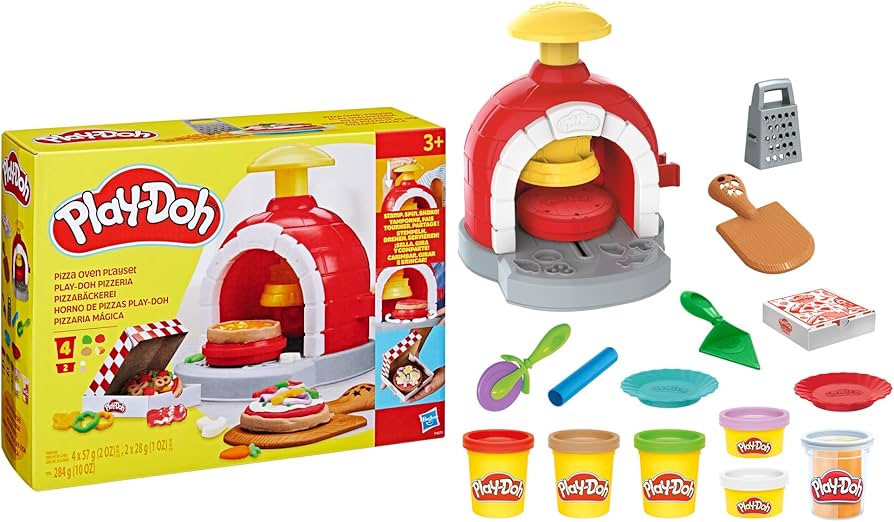
Creative play sessions indoors.
Play-Doh Modeling Compound 10-Pack Non-toxic, soft dough for pinching/rolling that engages tactile hand-eye coordination.

Parent-child toss games.
Little Tikes 2 - Soft Tossing Ball Set Ultra-soft balls safe for indoor tossing, building throwing accuracy without risk.

Portable, frustration-free fidget play.
Fat Brain Toys Dimpl Poppable silicone bubbles for poking/pinching, excellent for fine motor targeting.