
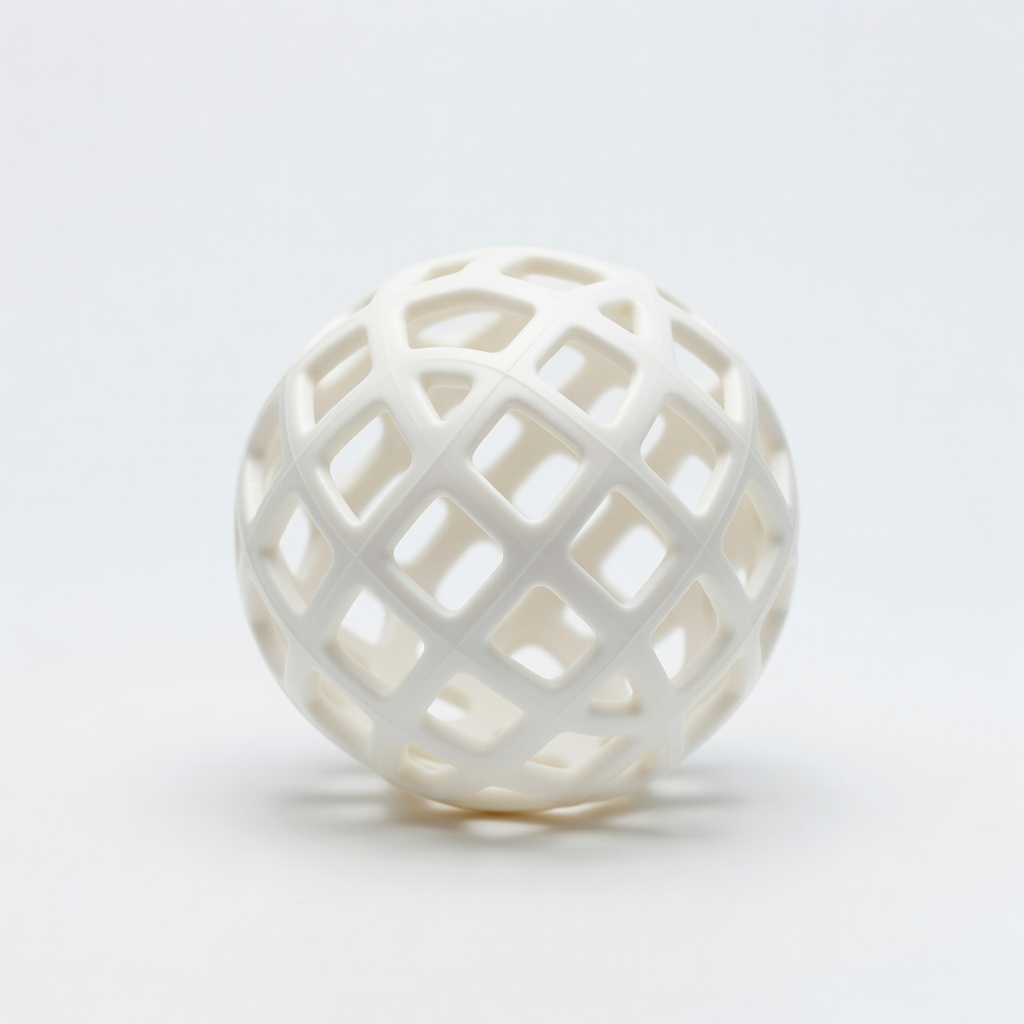
Oball Classic Ball
Daily ball games for hand-eye coordination.
$8-$10
Oball Classic Ball Easy-grip design perfect for tiny hands, ideal for rolling/throwing without frustration.
Get the App
Better experience on mobile
Learn 8 fun, easy play ideas to build your toddler's strength, balance, and coordination in just 15-30 minutes a day.
Gross motor skills are essential for toddlers aged 1-3, helping them master big movements like running, jumping, and climbing. These skills lay the foundation for physical confidence, injury prevention, and even cognitive growth. Many parents worry their little ones lag behind milestones, but simple daily play can make a huge difference without fancy equipment.
In this guide, you'll discover what gross motor skills are, why they matter, and 8 proven activities ranked from simple to adventurous. Each includes step-by-step instructions, tips, and what to expect. No prior experience needed—these are beginner-friendly, using household items or safe toys. Expect noticeable improvements in balance and energy in 1-2 weeks with consistent play.
Playtime takes 15-30 minutes per session, adaptable to your toddler's attention span. Always supervise for safety.
Estimated Time: 15-30 minutes per activity, 3-5 days a week Difficulty: beginner
Gross motor skills involve large muscle groups for actions like crawling, walking, running, jumping, and throwing. For toddlers (1-3 years), these develop rapidly but need practice to hit milestones like climbing stairs by age 2 or kicking a ball by age 3.
Why it matters: Strong skills boost independence, reduce falls, and enhance brain-body connections. Expect wobbly starts turning into confident moves.
Pro analogy: Think of it like building a house—foundation (crawling) first, then walls (running).
💡 Tips:
Set up a 'tunnel' with pillows or a cardboard box. Encourage your toddler to crawl through, wiggling side-to-side.
This builds core strength and coordination. Do 5-10 passes; they'll giggle and repeat naturally. Expect faster, smoother crawls after a few days.
Why? Crawling activates both brain hemispheres.
💡 Tips:
⚠️ Warnings:
Sit 3-5 feet apart and roll a soft ball back and forth. Progress to gentle underhand throws.
Targets arm strength, hand-eye coordination, and tracking. Aim for 10 exchanges; toddlers love the chase if it rolls away.
Benefits: Improves throwing accuracy by 20-30% with practice.
💡 Tips:
Create a simple course: crawl under table, step over pillows, weave around chairs.
Enhances balance and agility. Time it loosely for fun—5 minutes max per run. They'll master sequencing movements.
Tip: Use painter's tape for lines to follow.
⚠️ Warnings:
Play upbeat kids' songs; model marching, jumping, and spinning. Join hands and sway.
Develops rhythm, leg strength, and spatial awareness. 5-10 minutes; watch fatigue cues.
Why key: Music syncs movement to beat, aiding neural pathways.
💡 Tips:
Hold hands on low steps; go up/down slowly, counting each.
Builds leg power and balance. 5-10 reps; use railing if available.
Expect: From hesitant to eager in a week.
⚠️ Warnings:
Lay hoops or ropes in a circle; jump in/out.
Boosts footwork and coordination. 10 jumps per hoop.
Analogy: Like hopscotch lite for tiny legs.
💡 Tips:
Pretend bear crawls, frog jumps, or crab walks across room.
Full-body workout for endurance. Imitate sounds for engagement; 5 minutes.
Results: Better posture and muscle tone.
Problem: Toddler refuses to participate
Solution: Start with their favorite toy or song; make it a game, not exercise.
Problem: Frequent falls or clumsiness
Solution: Check footwear; build slowly from basic moves. See doctor if persistent.
Problem: Limited space at home
Solution: Use hallways or backyard; scale down to 2-3 activities.
Easy-grip design perfect for tiny hands, ideal for rolling/throwing without frustration.
Best for: Daily ball games for hand-eye coordination.
Price Range: $8-$10
Safe, enclosed jumping boosts leg strength and balance with minimal injury risk.
Best for: Indoor jumping sessions replacing stairs.
Price Range: $45-$55
Combines crawling, climbing, and sliding for full gross motor workout.
Best for: Obstacle-style play for variety.
Price Range: $80-$100
Stacking builds reaching/grasping, transitioning to gross motor throws.
Best for: Warm-up before active play.
Price Range: $10-$15
Foot-pushing ride-on develops leg power and steering without batteries.
Best for: Outdoor coordination practice.
Price Range: $25-$35
Daily ball games for hand-eye coordination.
Oball Classic Ball Easy-grip design perfect for tiny hands, ideal for rolling/throwing without frustration.
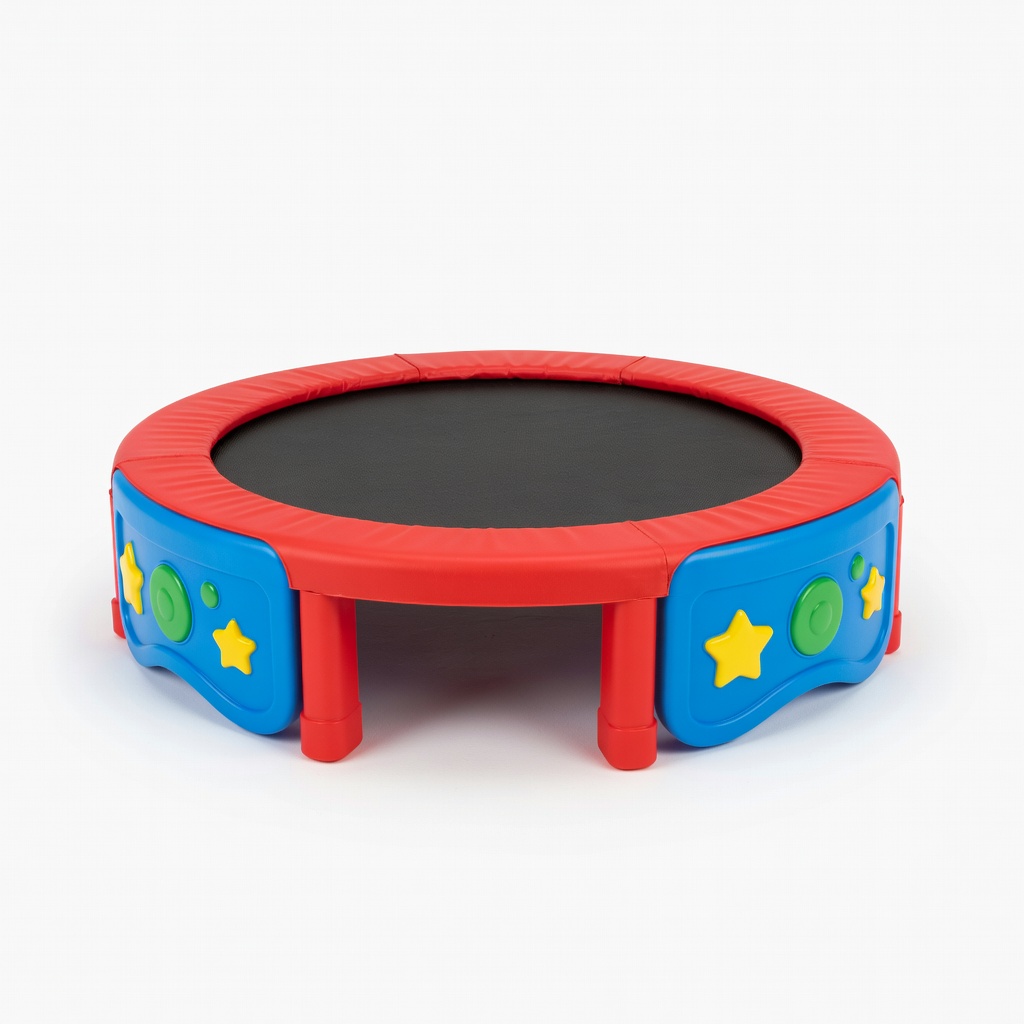
Indoor jumping sessions replacing stairs.
Little Tikes 3 Foot Trampoline Safe, enclosed jumping boosts leg strength and balance with minimal injury risk.
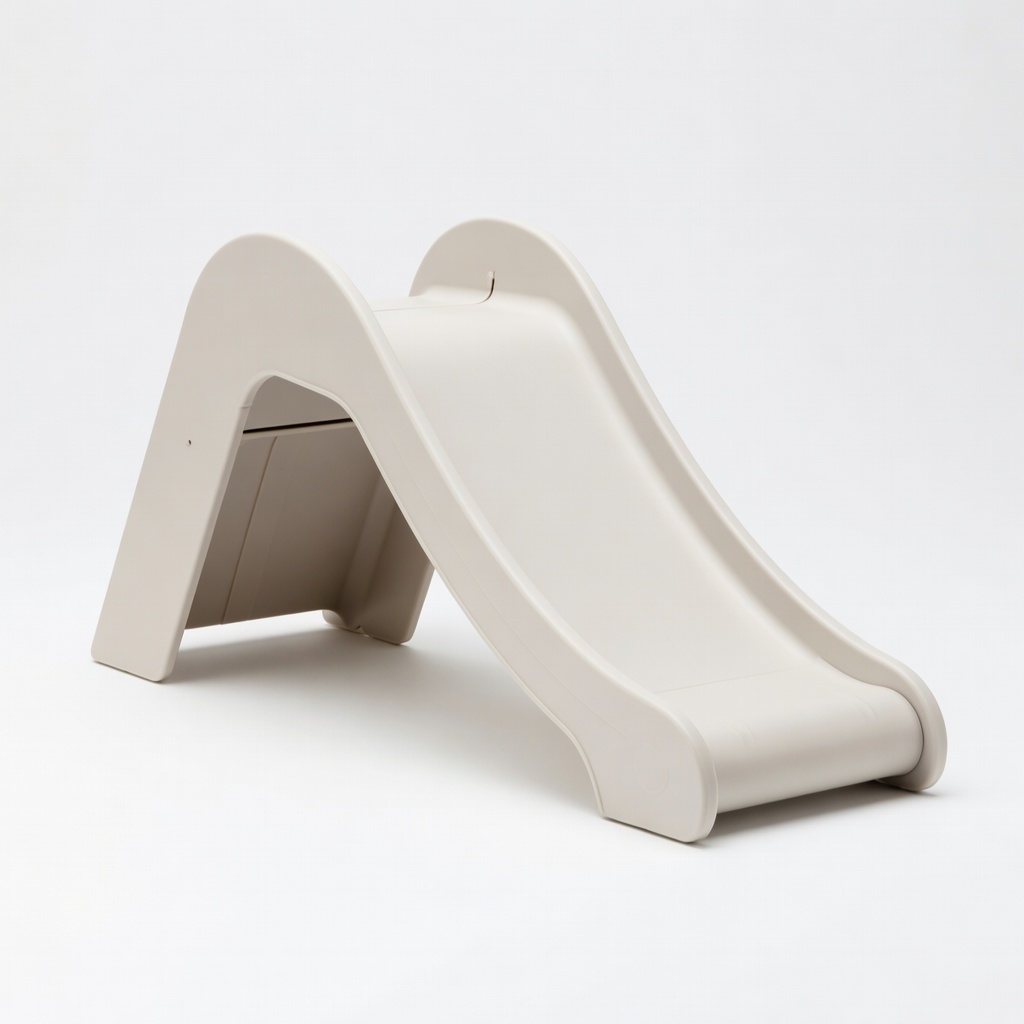
Obstacle-style play for variety.
Step2 Lift & Hide Roller with Slide Combines crawling, climbing, and sliding for full gross motor workout.
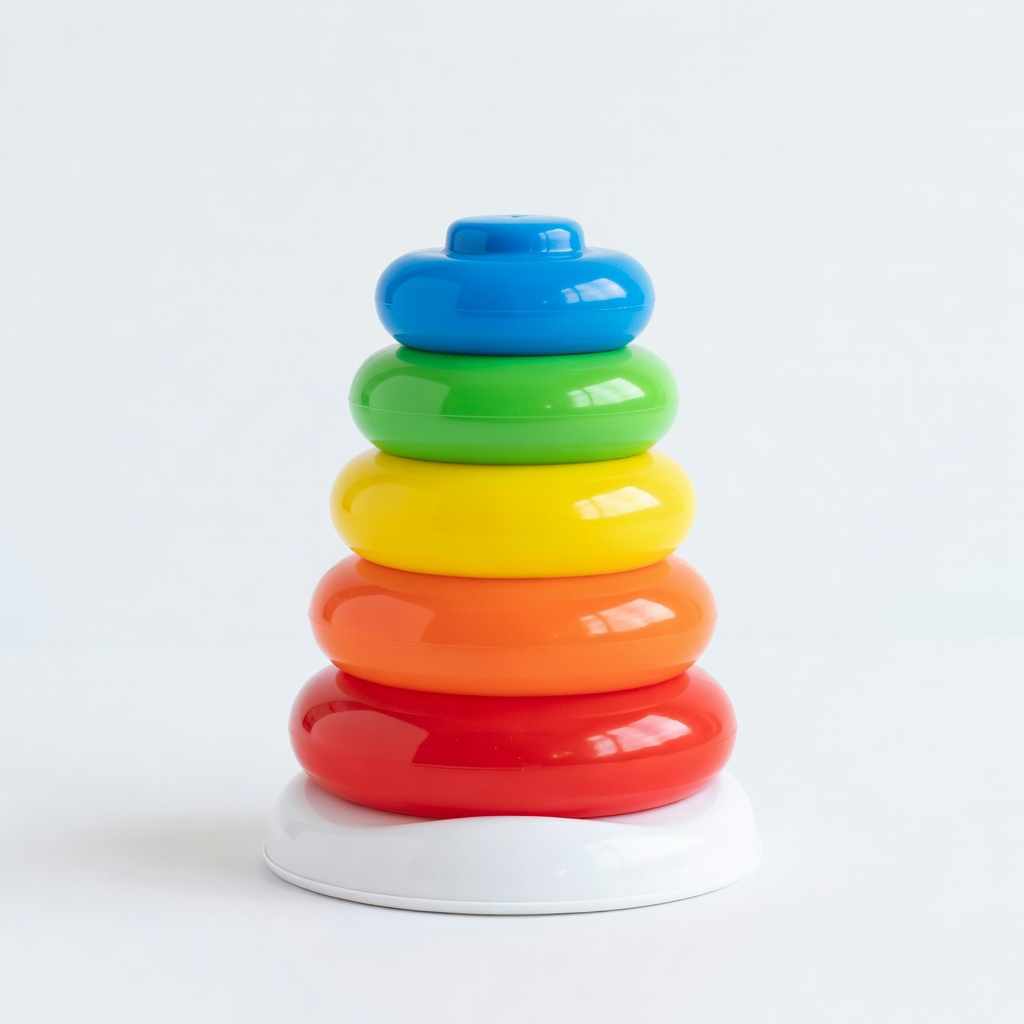
Warm-up before active play.
Fisher-Price Rock-a-Stack Stacking builds reaching/grasping, transitioning to gross motor throws.
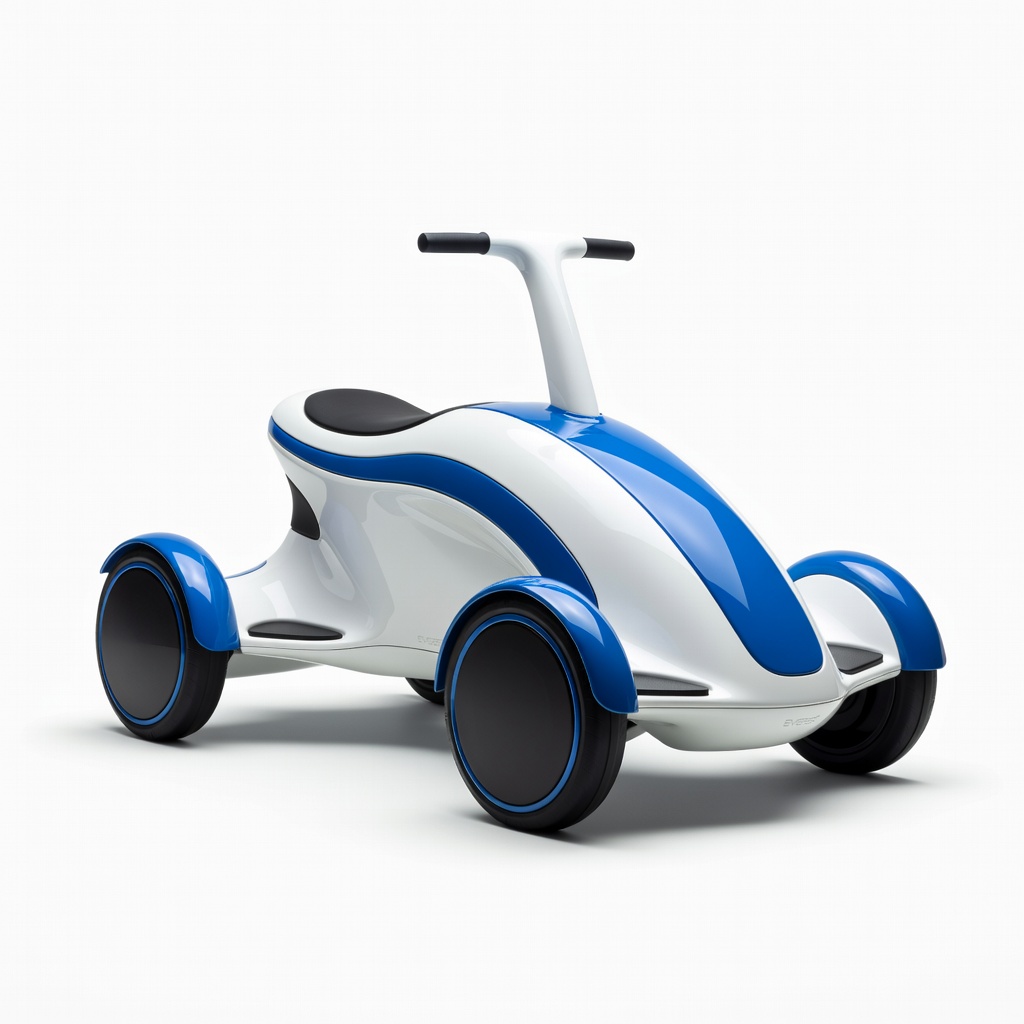
Outdoor coordination practice.
PlasmaCar by Everest Foot-pushing ride-on develops leg power and steering without batteries.