
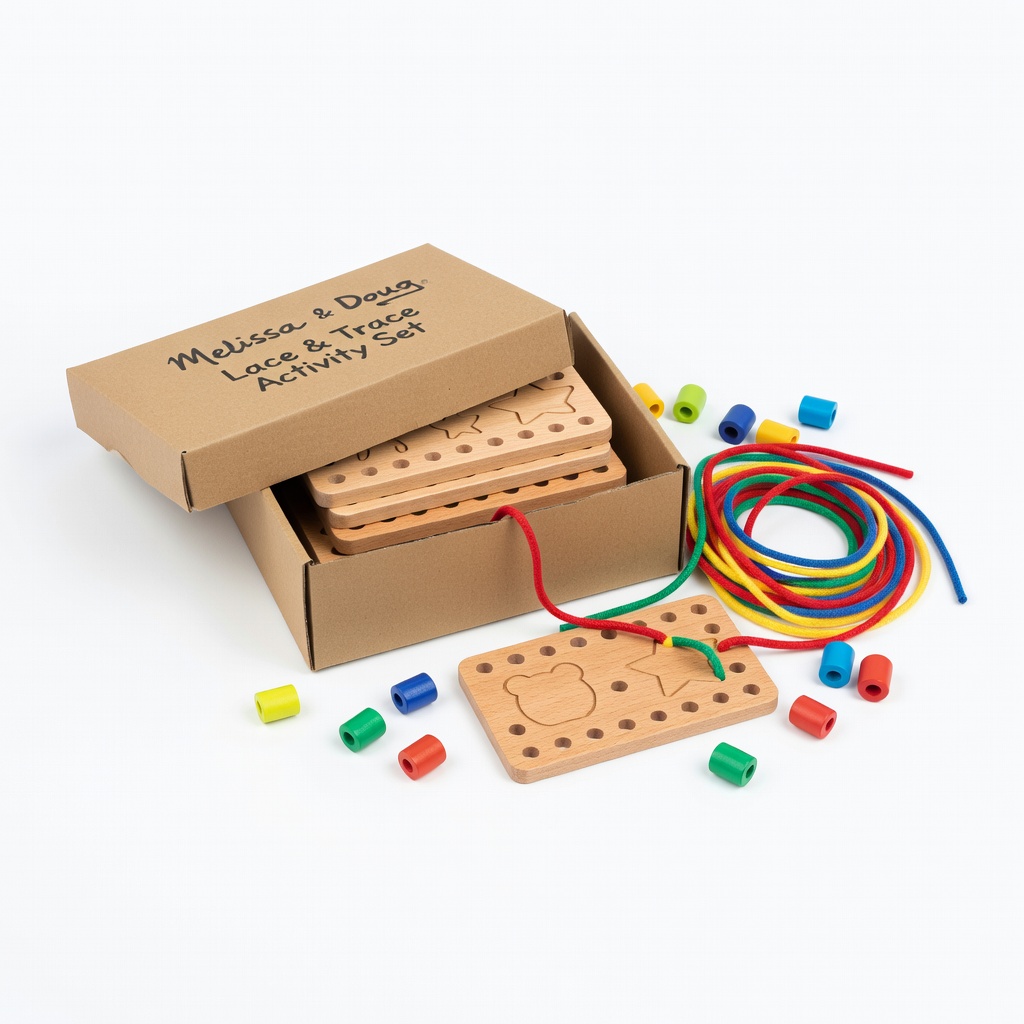
Melissa & Doug Lace & Trace Activity Set
Daily 10-min sessions for ages 3+ to master lacing.
$12.99
Melissa & Doug Lace & Trace Activity Set Durable wooden cards with laces build threading skills progressively.
Get the App
Better experience on mobile
Fun crafts, games, and activities to develop your child's hand-eye coordination and dexterity at home, with beginner-friendly ideas.
Fine motor skills are essential for everyday tasks like writing, eating, and dressing, yet many children struggle with them due to limited screen time or lack of targeted play. Poor fine motor development can lead to frustration in school and delays in independence. This guide helps parents and caregivers discover simple, engaging ways to build these skills through play.
You'll learn what fine motor skills are, why they matter, and 8 proven activities categorized by age and skill level. Each includes step-by-step instructions, making it easy to start today. Most use household items, taking just 10-20 minutes per session—no prior experience needed.
Expect noticeable improvements in grip strength, precision, and confidence after consistent play over a few weeks.
Estimated Time: 10-20 minutes per activity, 30-60 minutes for a full session Difficulty: beginner
Fine motor skills involve the small muscles in your fingers, hands, and wrists for precise movements. Think of them like the 'micro-gym' for kids' hands—strengthening them helps with zipping jackets, using utensils, or holding pencils.
Why it matters: Strong fine motor skills boost school readiness and self-esteem. Activities mimic real-life tasks, making learning fun. Start with toddlers (pinching) and progress to preschoolers (cutting).
Expect kids to fumble at first—that's normal as muscles build endurance.
💡 Tips:
⚠️ Warnings:
Roll playdough into snakes, pinch off small pieces, or flatten with fingers. This builds pincer grip (thumb + index finger).
How-to: Soften dough, demonstrate rolling a ball, then let child copy. Progress to making shapes like cookies.
Benefits: Improves strength for writing. Ages 2+. Takes 10 mins.
💡 Tips:
⚠️ Warnings:
String large beads, cereal, or uncooked pasta onto yarn or pipe cleaners. Starts with bilateral coordination (using both hands).
Steps: Tie a knot at one end, show threading one bead, encourage independence. Sort by color for extra challenge.
Why key: Mimics sewing or shoelaces. Ages 3+.
💡 Tips:
Practice snipping paper fringes, then straight lines, curves. Develops scissor grip and control.
Guide: Hold paper, demo open-close motion. Use lined paper for paths.
Progression: From tearing to precise cuts. Ages 3+.
💡 Tips:
⚠️ Warnings:
Wooden or chunky puzzles (4-12 pieces). Twist, fit, and place pieces.
Process: Dump pieces, model one placement, let child try. Rotate puzzles weekly.
Builds dexterity and problem-solving. Ages 2+.
💡 Tips:
Use thick crayons on large paper, trace shapes, color within boundaries.
Technique: Grip demo (tripod hold), start with dots-to-lines.
Enhances pencil control for writing. Ages 2+.
💡 Tips:
Use lacing cards or a practice shoe; button large shirts or boards.
Steps: Poke shoelace through holes, alternate sides. For buttons: Match holes.
Preps for dressing. Ages 4+.
💡 Tips:
Stack, connect blocks precisely. Focus on alignment.
Build: Start towers, advance to patterns.
Boosts manipulation. Ages 2+.
💡 Tips:
Problem: Child gets frustrated and quits
Solution: Simplify task, offer hand-over-hand help briefly, then step back.
Problem: Messy crafts overwhelm parents
Solution: Use trays or newspaper; opt for no-dry activities first.
Problem: No improvement after weeks
Solution: Consult pediatrician for underlying issues; try occupational therapy.
Durable wooden cards with laces build threading skills progressively.
Best for: Daily 10-min sessions for ages 3+ to master lacing.
Price Range: $12.99
Non-toxic, soft dough perfect for pinching/rolling without frustration.
Best for: Sensory play for toddlers building grip strength.
Price Range: $11.99
Poppable silicone bubbles target pincer grasp in a fidget-friendly way.
Best for: Portable for on-the-go fine motor practice, ages 1+.
Price Range: $14.95
Hammering pegs strengthens wrist control and coordination.
Best for: Musical game for 12+ months to develop bilateral skills.
Price Range: $29.99
Multi-sided sorter for fitting, twisting shapes precisely.
Best for: Intro puzzle for babies 6 months+ transitioning to fine motor.
Price Range: $18.99
Daily 10-min sessions for ages 3+ to master lacing.
Melissa & Doug Lace & Trace Activity Set Durable wooden cards with laces build threading skills progressively.
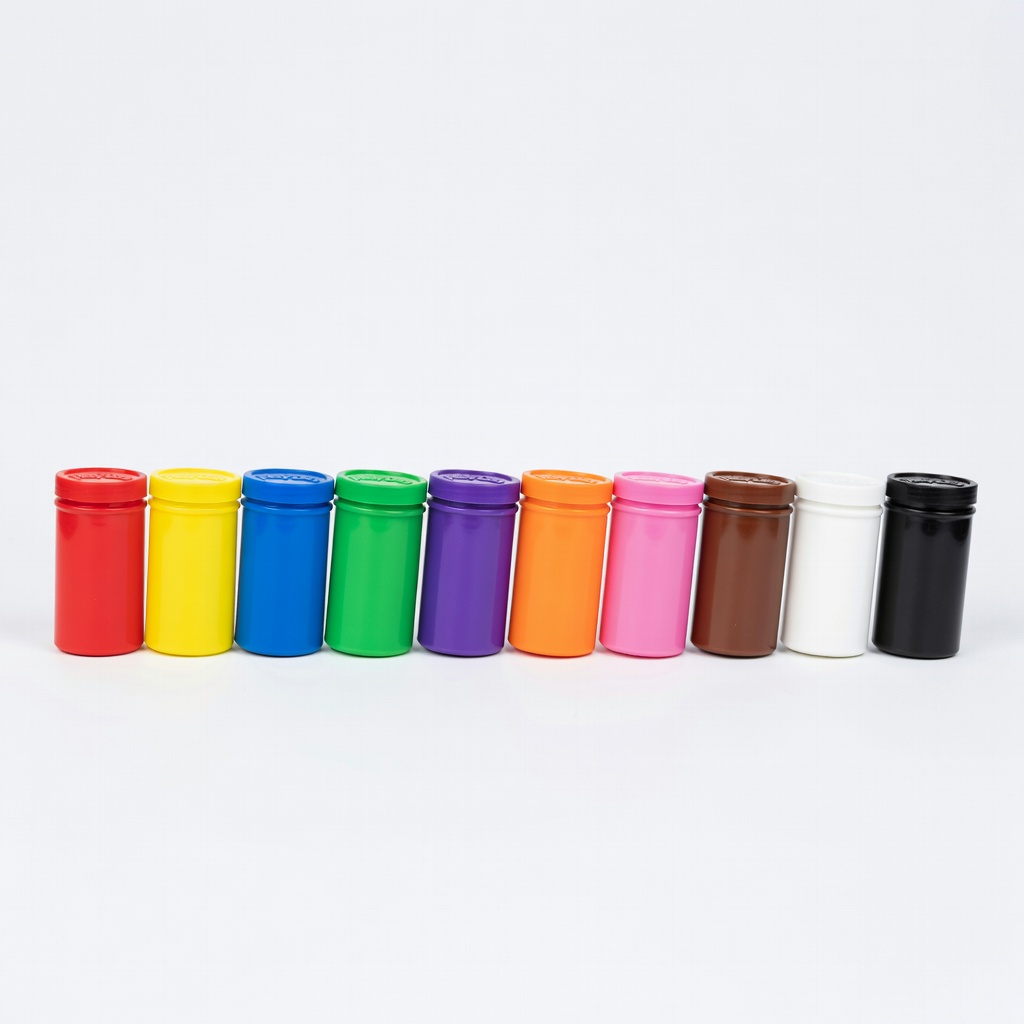
Sensory play for toddlers building grip strength.
Play-Doh Modeling Compound 10-Pack Non-toxic, soft dough perfect for pinching/rolling without frustration.
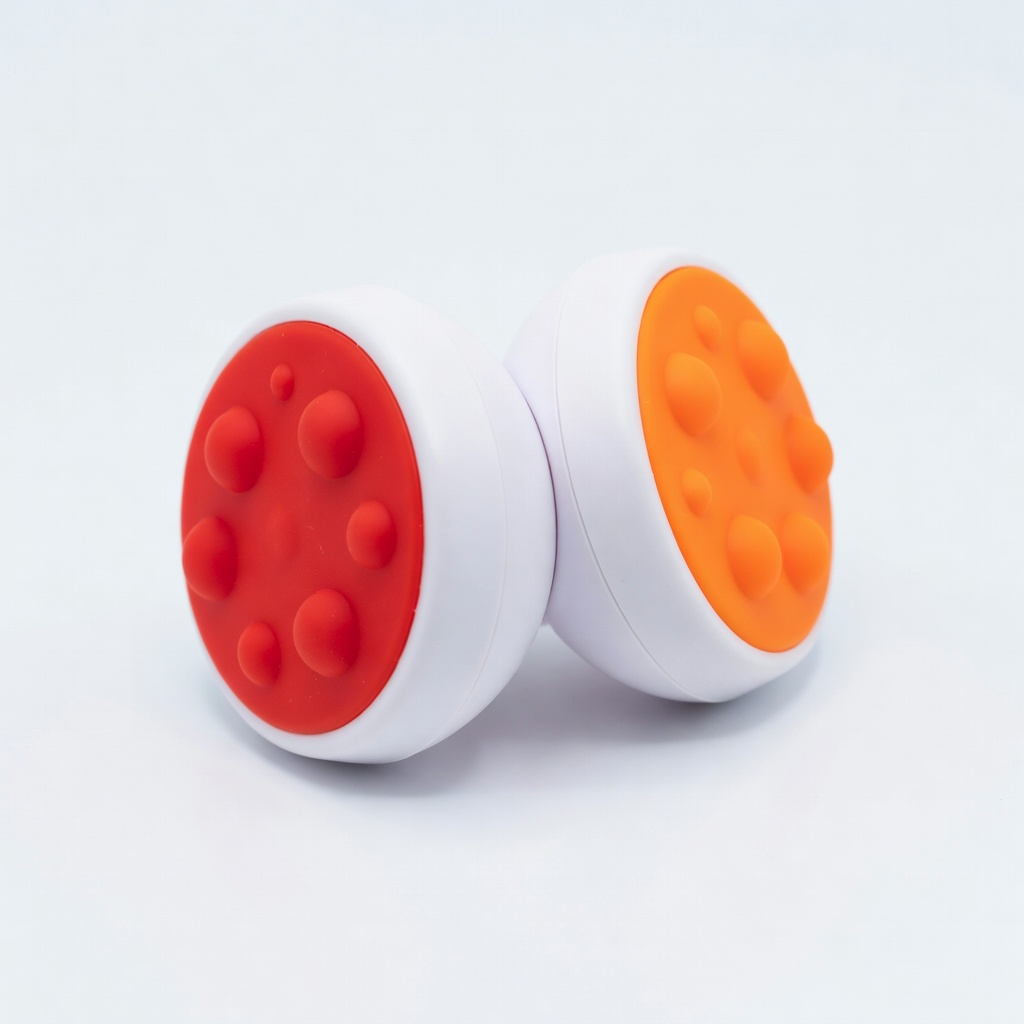
Portable for on-the-go fine motor practice, ages 1+.
Fat Brain Toys Dimpl Duo Poppable silicone bubbles target pincer grasp in a fidget-friendly way.
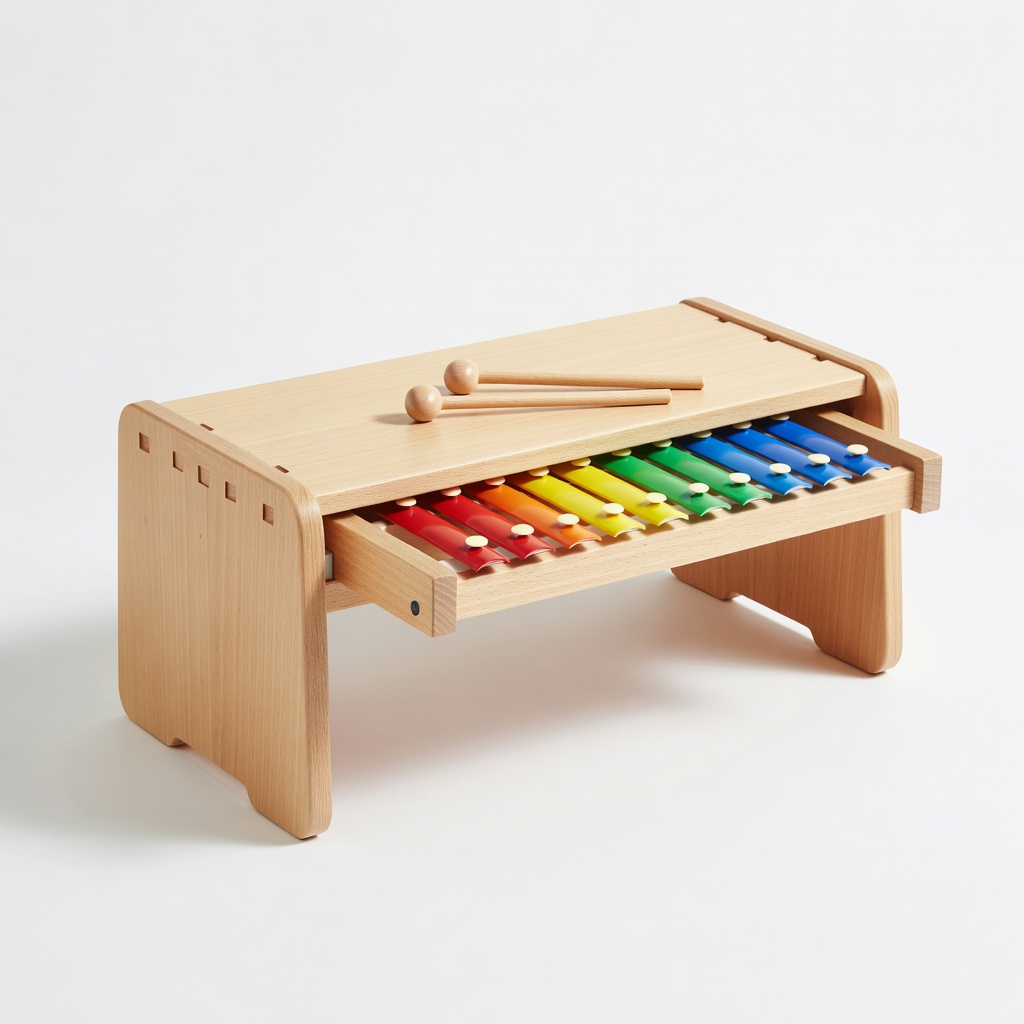
Musical game for 12+ months to develop bilateral skills.
Hape Pound & Tap Bench with Slide-Out Xylophone Hammering pegs strengthens wrist control and coordination.

Intro puzzle for babies 6 months+ transitioning to fine motor.
Melissa & Doug Wooden Shape Sorting Cube Multi-sided sorter for fitting, twisting shapes precisely.