
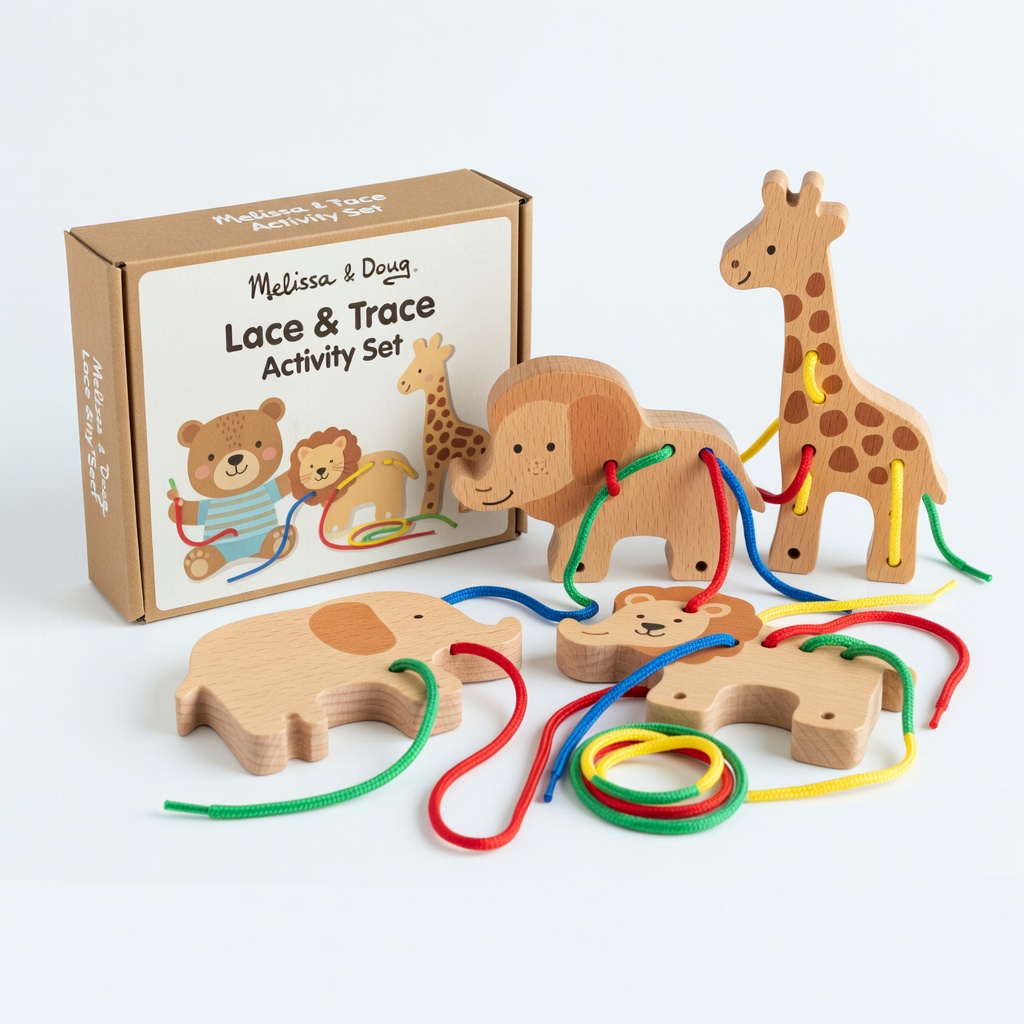
Melissa & Doug Lace & Trace Activity Set
Daily 15-min sessions for 2-4 year olds.
$12.99
Melissa & Doug Lace & Trace Activity Set Excellent for threading practice with large cards and laces to build pincer grip safely.
Get the App
Better experience on mobile
Discover 10 fun crafts, games, and activities to help your toddler master pinching, grasping, and dexterity through play.
Does your toddler struggle with picking up small objects or holding a crayon? Fine motor skills are crucial for toddlers aged 1-3, forming the foundation for writing, buttoning clothes, and self-feeding later in life. Without targeted play, delays can occur, leading to frustration during daily tasks.
In this guide, you'll learn what fine motor skills are, why they matter, and 10 easy, beginner-friendly activities using household items. Each boosts skills like pincer grasp (thumb and finger pinch), hand-eye coordination, and wrist strength. Expect 15-45 minutes per activity—no prior experience needed, just supervision for safety.
By the end, you'll have a toolkit of engaging games to supercharge your child's development while keeping them entertained.
Estimated Time: 15-45 minutes per activity Difficulty: beginner
Fine motor skills involve small muscles in hands, fingers, and wrists for precise movements. For toddlers, this means progressing from raking grasp (whole hand) to pincer grasp (thumb-index pinch).
Why it matters: Builds dexterity for future tasks like zipping jackets. Expect your child to start clumsy but improve with repetition.
Start by observing: Give a small toy and note how they grab it.
💡 Tips:
⚠️ Warnings:
Squirt washable paint on paper; let toddler dip fingers and smear.
Why it matters: Strengthens finger isolation and wrist rotation. Expect messy fun and emerging strokes.
Use large paper on the floor for easy cleanup.
💡 Tips:
⚠️ Warnings:
Provide soft Play-Doh; encourage pinching, rolling snakes, flattening.
Why it matters: Targets thumb opposition and bilateral coordination (using both hands). Improves endurance for sustained play.
Roll into balls together, then let them poke holes.
💡 Tips:
Tear scrap paper into pieces, paste onto another sheet with glue sticks.
Why it matters: Develops pincer grasp and thumb control. Builds frustration tolerance.
Theme it: Make a collage of 'fall leaves'.
💡 Tips:
⚠️ Warnings:
String big wooden beads or rigatoni pasta onto shoelace with taped end.
Why it matters: Enhances hand-eye coordination and bilateral use. Precision threading mimics sewing.
Start with 3-5 items.
💡 Tips:
Stack wooden blocks or plastic cups into towers.
Why it matters: Improves balance, grasp release, and spatial awareness.
Knock down for repeat fun.
💡 Tips:
Fill bin with rice/beans; use spoons/cups to scoop and pour.
Why it matters: Refines wrist flexion and pinch for scooping small amounts.
Add toys to 'dig' for.
💡 Tips:
⚠️ Warnings:
Insert colorful pegs into a toddler pegboard.
Why it matters: Strengthens pincer grip and finger extension.
Make patterns together.
💡 Tips:
Practice on playdoh or fringe paper with blunt scissors.
Why it matters: Teaches thumb-forefinger opposition for cutting.
Start with straight lines.
💡 Tips:
⚠️ Warnings:
Fit large puzzle pieces with knobs into board.
Why it matters: Combines rotation, grasping, and placement.
Choose 4-6 piece sets.
💡 Tips:
Problem: Child loses interest quickly
Solution: Shorten sessions to 5 mins; add novelty like new colors.
Problem: Frustration from failed attempts
Solution: Model slowly, then hand-over-hand assist briefly.
Problem: Mess everywhere
Solution: Use trays/under-bed sheets; opt for mess-free alternatives like stickers.
Problem: No improvement after weeks
Solution: Consult pediatrician for developmental check; vary activities.
Excellent for threading practice with large cards and laces to build pincer grip safely.
Best for: Daily 15-min sessions for 2-4 year olds.
Price Range: $12.99
Non-toxic, reusable dough perfect for pinching, rolling—washable and mess-minimal.
Best for: Sensory play anytime, great for rainy days.
Price Range: $13.99
Combines hammering, peg pulling for multi-skill development with xylophone bonus.
Best for: Active toddlers needing noisy, engaging motor work.
Price Range: $39.99
Poppable silicone bubbles target pinch and pull without small parts.
Best for: On-the-go or bath time fine motor fun.
Price Range: $14.95
Classic sorter for grasping, fitting shapes—durable hardwood.
Best for: Early sorters for 18+ months building to puzzles.
Price Range: $14.99
Daily 15-min sessions for 2-4 year olds.
Melissa & Doug Lace & Trace Activity Set Excellent for threading practice with large cards and laces to build pincer grip safely.
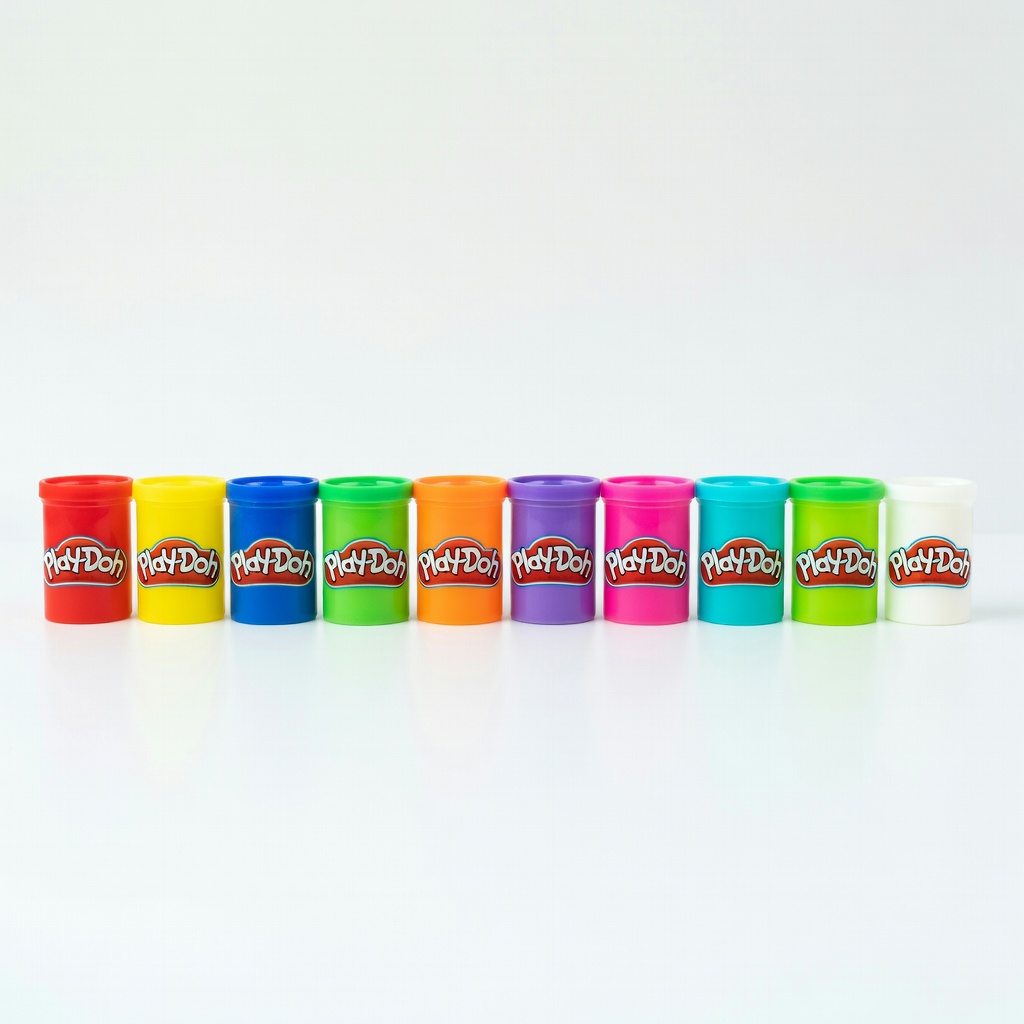
Sensory play anytime, great for rainy days.
Play-Doh Modeling Compound 10-Pack Non-toxic, reusable dough perfect for pinching, rolling—washable and mess-minimal.
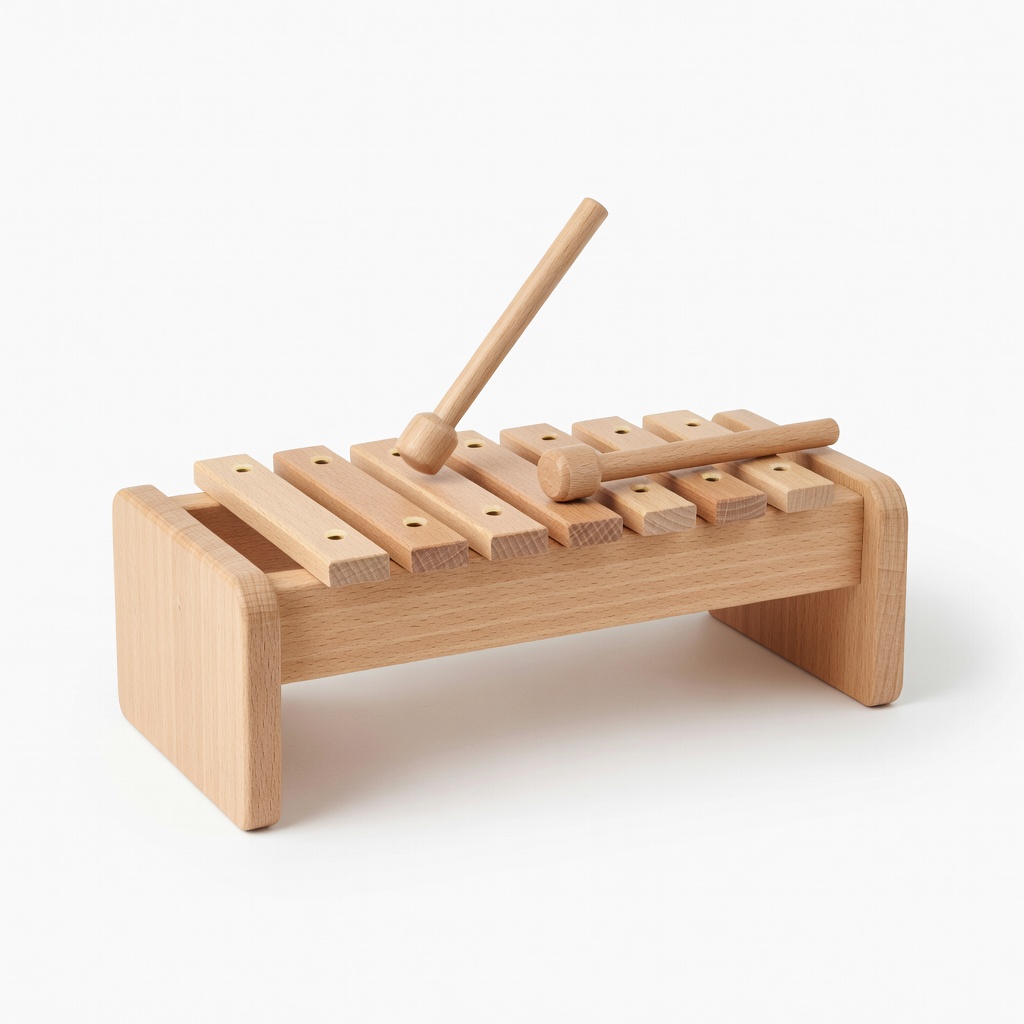
Active toddlers needing noisy, engaging motor work.
Hape Pound & Tap Bench Combines hammering, peg pulling for multi-skill development with xylophone bonus.
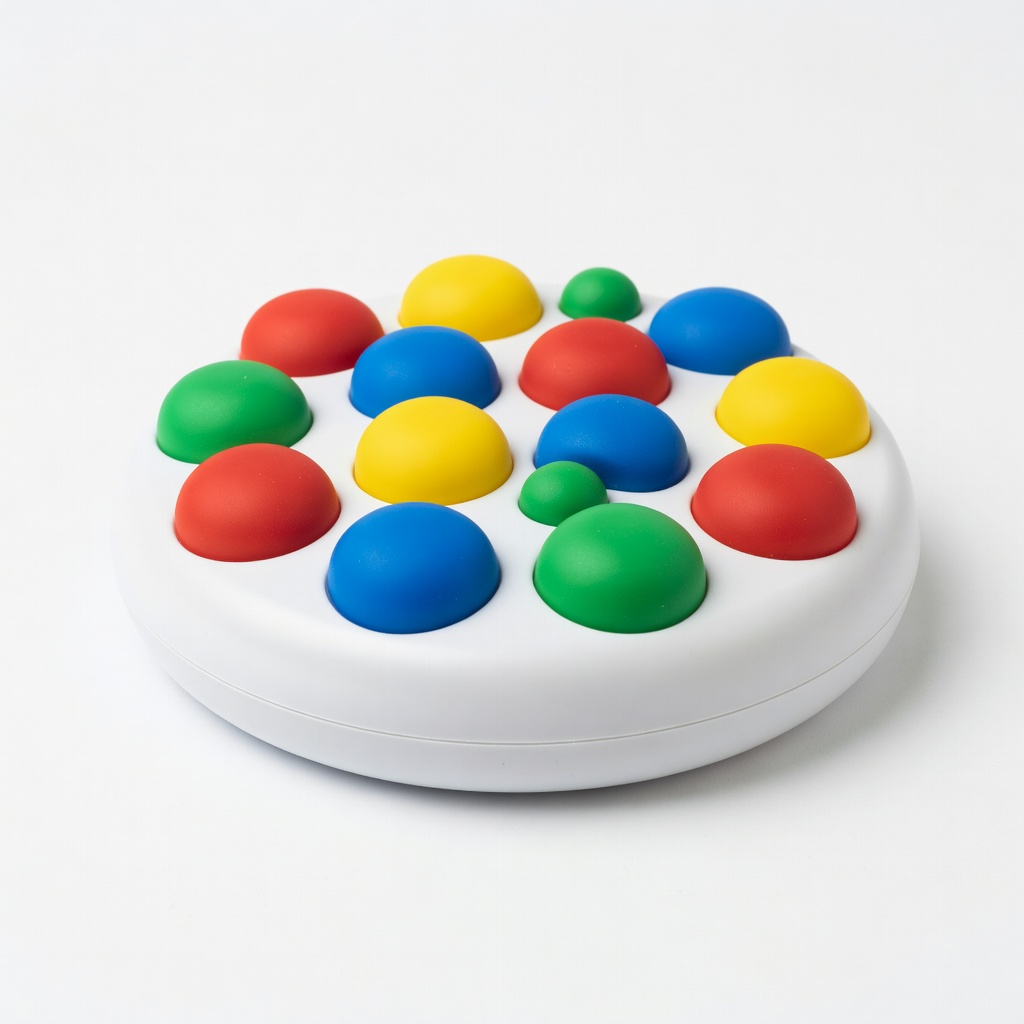
On-the-go or bath time fine motor fun.
Fat Brain Toys Dimpl Poppable silicone bubbles target pinch and pull without small parts.
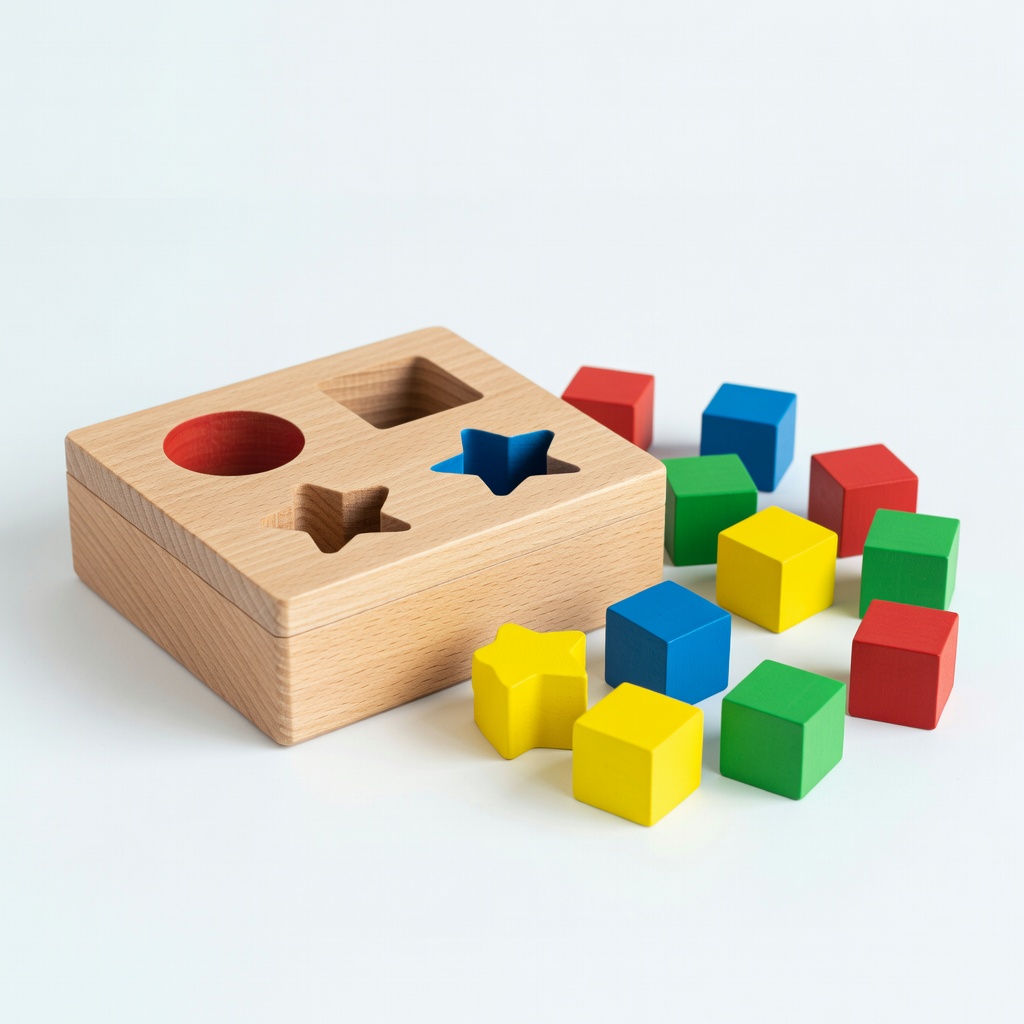
Early sorters for 18+ months building to puzzles.
Melissa & Doug Wooden Shape Sorter Classic sorter for grasping, fitting shapes—durable hardwood.