Rainy days, cold weather, or just needing a screen-free break? Keeping a 4-year-old entertained indoors without chaos can feel impossible. But with simple crafts, you can turn ordinary moments into magical learning adventures that build skills like hand-eye coordination, color recognition, and imagination.
In this guide, you'll learn 10 proven indoor crafts tailored for 4-year-olds' attention spans and abilities. Each one uses household items or affordable supplies, takes 15-30 minutes, and requires beginner-level supervision. Expect messy fun—but with tips to contain it!
By the end, you'll have a go-to list for endless indoor play, plus product picks to make setup effortless.
▸What You'll Need
- •Washable markers, crayons, or finger paints (required for most)
- •Construction paper or white paper (required)
- •Child-safe scissors (optional, for supervised cutting)
- •Glue sticks or white glue (required)
- •Play-Doh or modeling clay (optional, for sculpting)
- •Stickers, yarn, or recyclables like paper plates/toilet rolls (optional)
- •Smocks or old t-shirts for mess protection (recommended)
- •Plastic tray or newspaper for easy cleanup (required)
Estimated Time: 15-30 minutes per craft; 2-3 hours for a full play session
Difficulty: beginner
▸Step-by-Step Instructions
Step 1: Finger Painting Magic
Finger painting is a sensory explosion that lets 4-year-olds explore colors without brushes. Squirt washable paints onto a tray, and let them dip fingers, palms, or even elbows to create abstract art. Why it engages: The tactile feel builds confidence in mess-free creativity (it washes off easily).
Guide them to mix colors (red + yellow = orange) for a mini science lesson. Expect vibrant, unpredictable masterpieces they'll proudly display.
Image Description: A child's hands covered in red, blue, and yellow paint swirling colors on white paper inside a plastic tray.
💡 Tips:
- •Use edible paint for worry-free tasting.
- •Add texture with cotton balls or sponges.
⚠️ Warnings:
- •Supervise to prevent paint in eyes or mouth.
Step 2: Paper Plate Animals
Transform paper plates into lions, frogs, or owls using markers, glue, and scraps. Draw faces, glue on ears from folded paper, and add yarn for manes. Why it matters: Develops storytelling as kids name and 'roar' their creations.
This craft hones scissor skills if you pre-cut shapes. Expect giggly role-play afterward.
Image Description: Assorted paper plate animal masks with googly eyes and yarn.
💡 Tips:
- •Pre-cut for speed; let them customize.
- •Punch holes for string handles to wear as masks.
Step 3: Play-Doh Sculpting
Roll, squish, and shape non-toxic Play-Doh into snakes, cookies, or pizzas. Provide cookie cutters for easy forms. Engagement factor: Endless sensory play that strengthens hand muscles for writing later.
Pair with pretend play: 'Bake' dough pizzas. It resets attention spans quickly.
Image Description: Child rolling Play-Doh with colorful tools on a table.
💡 Tips:
- •Mix scents like cinnamon for multi-sensory fun.
- •Store in airtight containers to keep soft.
⚠️ Warnings:
- •Avoid small parts for choking hazard.
Step 4: Sticker Collages
Stick foam or paper stickers onto construction paper themes like 'under the sea.' Why perfect for 4s: No mess, instant gratification, and fine motor practice peeling/placing.
Encourage patterns or stories. Expect a gallery wall of pride.
Image Description: Colorful sticker collage of ocean scene.
💡 Tips:
- •Use large stickers for little fingers.
- •Theme by seasons for variety.
Step 5: Sponge Painting
Cut kitchen sponges into shapes (hearts, stars) and dip in paint for stamping on paper. Builds pattern recognition. Why engaging: Novel texture keeps them stamping endlessly.
Great for group play. Expect textured, bold art.
Image Description: Stamped patterns from sponge shapes in primary colors.
💡 Tips:
- •Freeze sponges in ice cube trays for cool effect.
- •Use veggie shapes for healthy twists.
Step 6: Toilet Roll Stamps
Fold toilet paper tubes into hearts or flowers, dip in paint, and stamp. Teaches recycling and geometry. Super engaging for short bursts.
Discuss shapes formed. Expect reusable fun tools.
Image Description: Heart stamps from toilet rolls on painted paper.
💡 Tips:
- •Reinforce with tape for durability.
- •Dry stamps on racks for next use.
Step 7: Yarn Art Weaving
Glue yarn loops onto paper plates or cardboard for simple looms. Weave more yarn through. Develops patience and textures.
Why it hooks: Tactile and looks pro. Expect wearable art.
Image Description: Yarn-woven paper plate rainbow.
💡 Tips:
- •Use chunky yarn.
- •Add beads for advanced bling.
⚠️ Warnings:
- •Supervise glue to avoid clumps.
Step 8: Nature Collage (Indoor Edition)
Glue printed images, fabric scraps, or leaves (pre-collected) onto paper. Sparks imagination storytelling.
Engages through variety. Expect personal narratives.
Image Description: Mixed-media collage with scraps and drawings.
💡 Tips:
- •Print free templates online.
- •Seal with contact paper for durability.
Step 9: Bubble Wrap Printing
Paint bubble wrap, press paper on top for textured prints. Novel sensory twist.
Why fun: Popping temptation builds control.
Image Description: Textured bubble wrap prints.
💡 Tips:
- •Tape wrap to table.
- •Layer colors for depth.
Step 10: Simple Paper Folding
Fold paper into boats or fans with guided steps. Introduces geometry playfully.
Expect triumphant sails across tables.
Image Description: Child folding paper boat.
💡 Tips:
- •Use square paper.
- •Demo slowly.
▸Pro Tips
- •Prep trays night before to dive right in.
- •Play upbeat music for energy boost.
- •Rotate activities every 20 mins to hold attention.
- •Praise process over perfection.
- •Involve siblings for teamwork.
- •Photograph creations for a 'gallery' book.
- •Use timers for cleanup buy-in.
▸Common Mistakes to Avoid
- •Overloading supplies—start with 3-4 items to avoid overwhelm.
- •Skipping smocks—leads to laundry disasters; always protect clothes.
- •Ignoring supervision—kids may taste glue or run with scissors.
- •Forcing completion—let them abandon if interest wanes; creativity isn't linear.
- •No cleanup plan—designate a 'mess zone' upfront.
▸Troubleshooting
Problem: Child loses interest quickly
Solution: Switch activities or add a story element like 'Let's make a monster!'
Problem: Too messy
Solution: Confine to bathtub or use washable everything; wipe with baby wipes mid-way.
Problem: Frustration with fine details
Solution: Pre-cut/assist or choose chunkier crafts like Play-Doh.
Problem: Supplies run out
Solution: Stock up on multi-packs; improvise with pantry items like oats for texture.
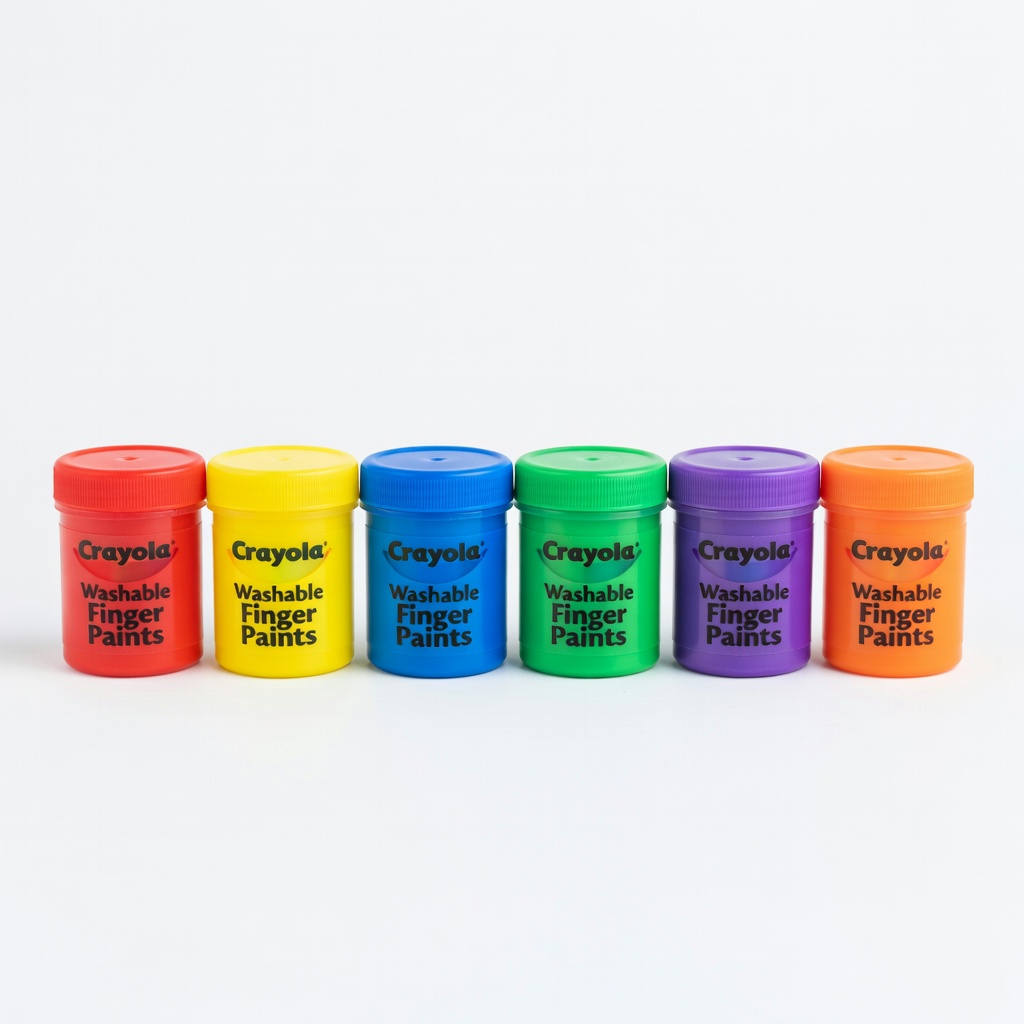
Crayola Washable Finger Paints (6 Colors)
Non-toxic, vibrant, and truly washable—perfect for mess-loving 4-year-olds without cleanup nightmares.
Best for: Ideal for finger painting or sponge stamps; covers multiple crafts.
Price Range: $8.99
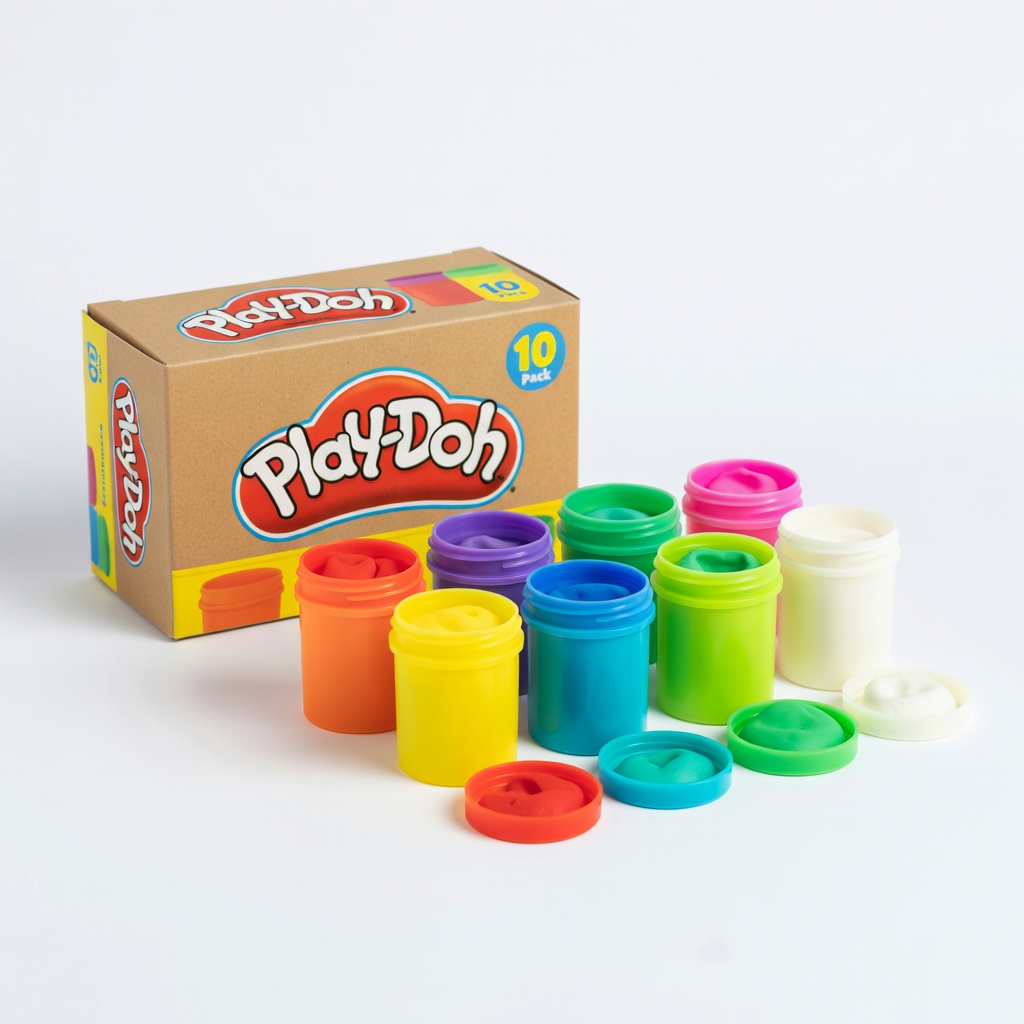
Play-Doh Modeling Compound 10-Pack
Soft, reusable dough in assorted colors stimulates senses and never dries out if stored properly.
Best for: Sculpting sessions or cutting with tools for endless replay.
Price Range: $12.99
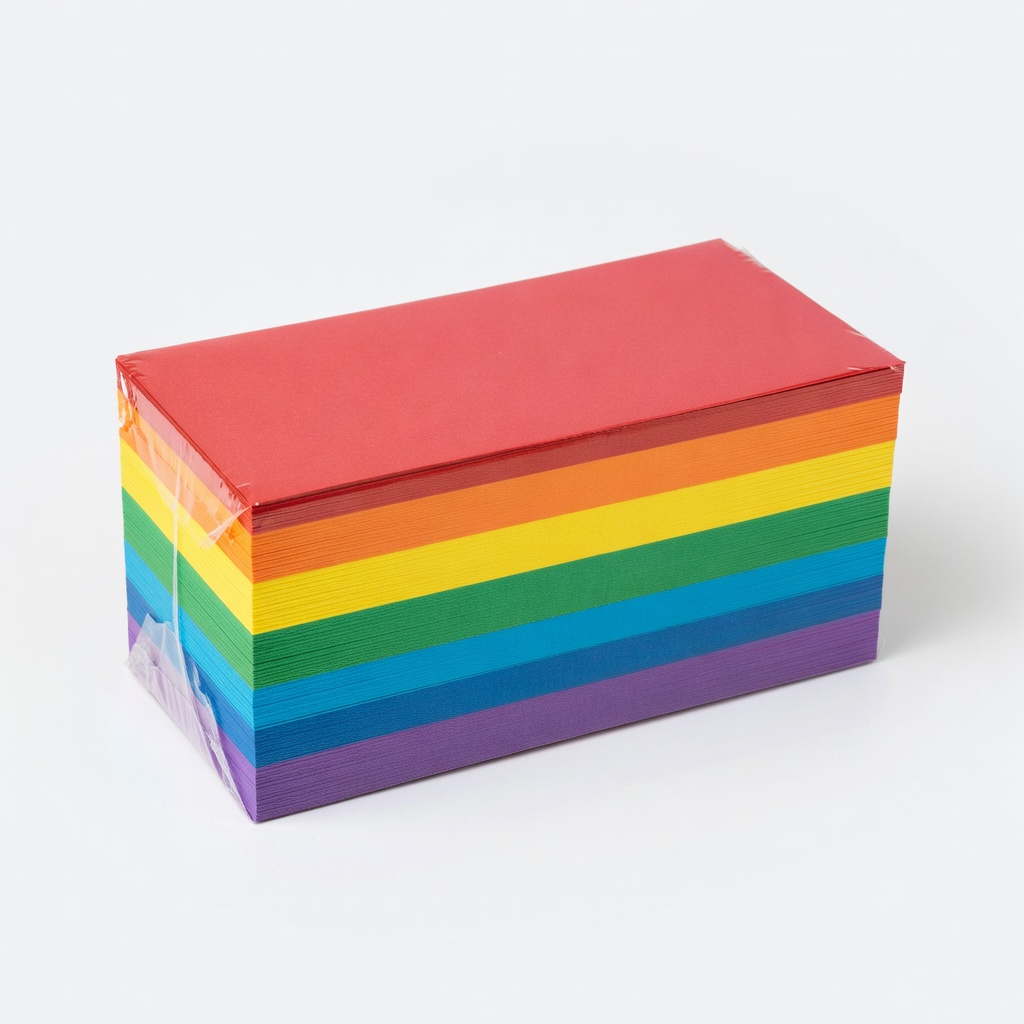
Pacon Rainbow Construction Paper 50 Sheets
Thick, vibrant paper holds up to glue and paint without tearing.
Best for: Base for collages, plates, or folding projects.
Price Range: $6.49
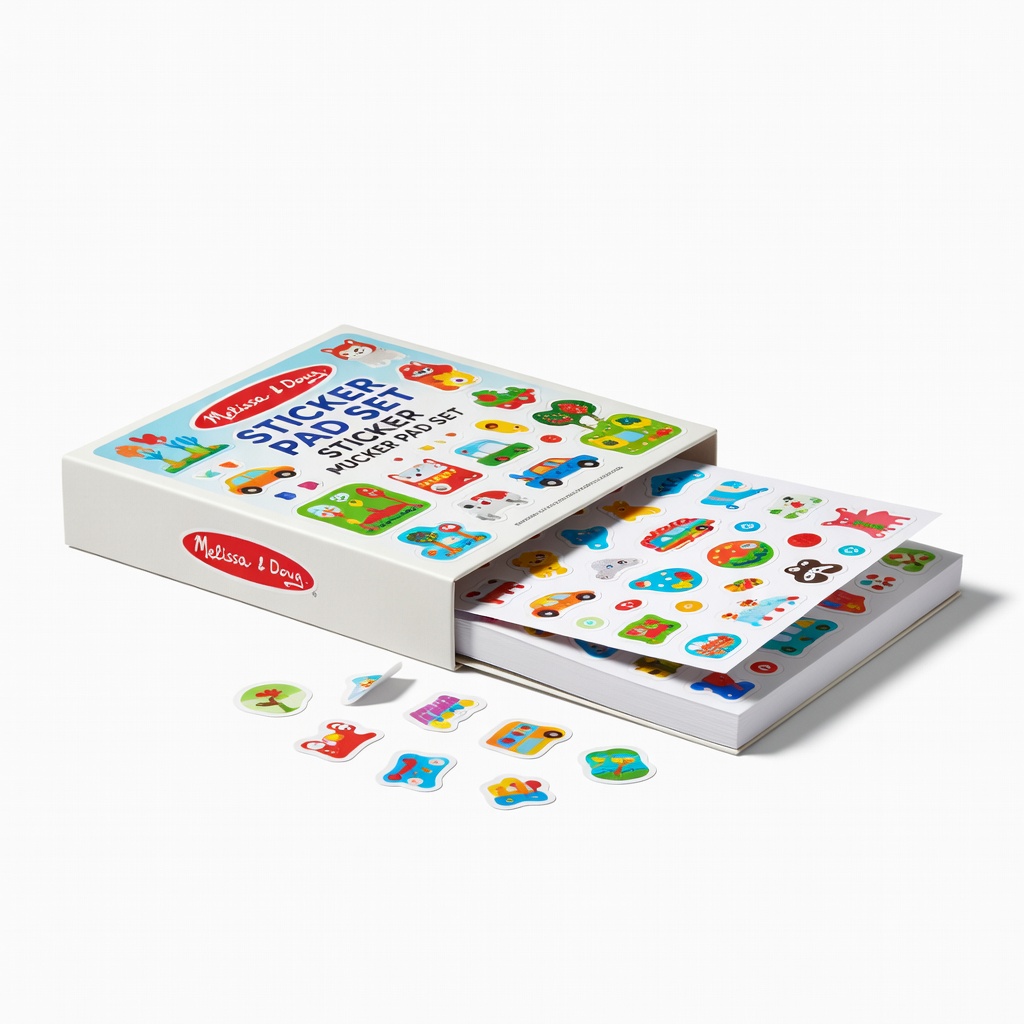
Melissa & Doug Sticker Pad Set
Hundreds of reusable stickers in themes prevent boredom and build fine motor skills.
Best for: Quick, no-mess collages when energy is low.
Price Range: $9.99
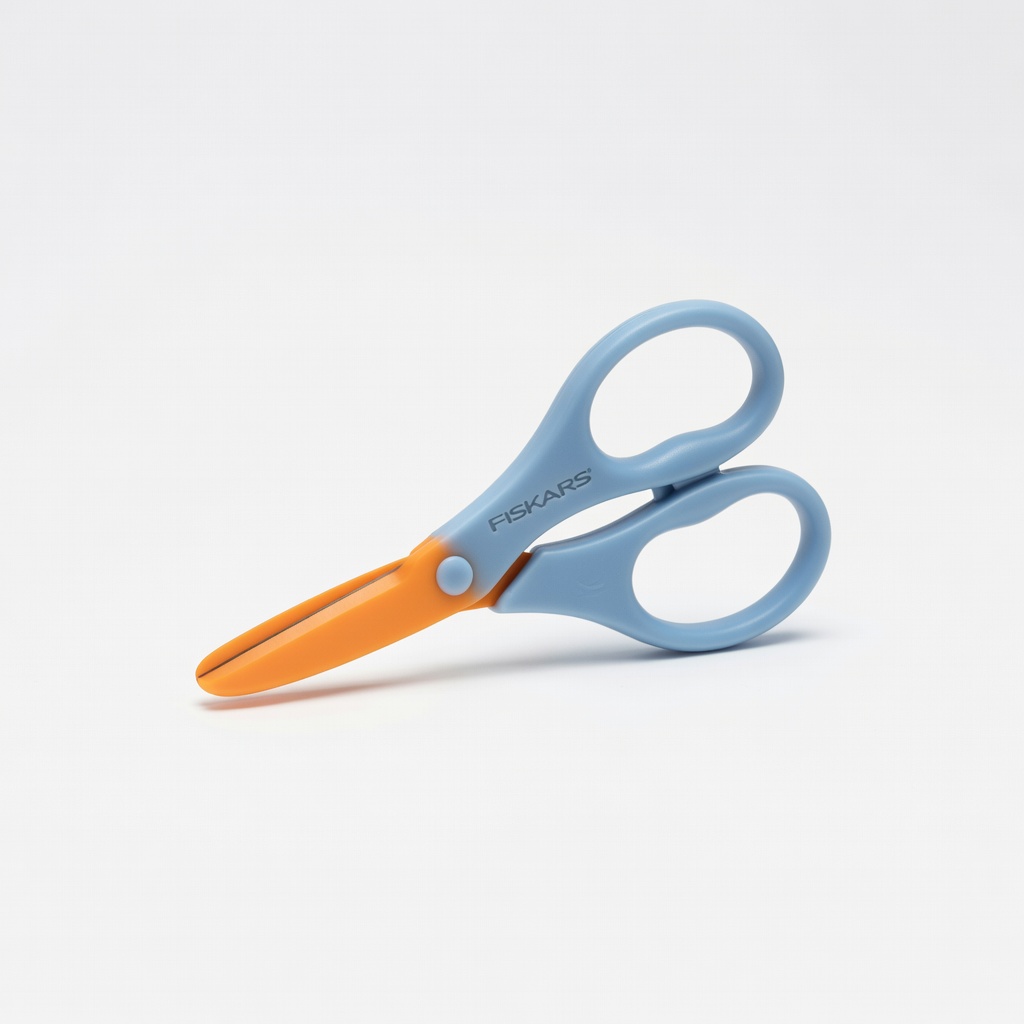
Fiskars Toddler Safety Scissors
Blunt, spring-loaded blades make cutting safe and frustration-free for beginners.
Best for: Supervised snipping in paper crafts.
Price Range: $11.99